Slushable Blog
Best Way to Chill Slush Mix Fast (Without Ruining Texture)
Want slush faster? Pre-chill your mix the right way so the machine freezes quicker without diluting, over-freezing, or turning your batch grainy.

If your slush machine takes forever to thicken, the fastest (and safest) upgrade is starting with a cold mix.
But there’s a right way to do it.
If you “chill fast” the wrong way, texture suffers.
Dumping ice into the mix or letting it half-freeze in the freezer can:
- dilute the recipe, which drops Brix and makes watery slush.
- create big ice shards, which gives you grainy texture.
- shock the machine with a partially frozen block, which slows circulation.
This guide covers the quickest methods that keep your texture silky.
Table of contents
- TL;DR (Fastest safe method)
- The goal temperature (and why it matters)
- Method 1: Salt ice bath (best overall)
- Method 2: Freezer flash-chill (only if you babysit it)
- Method 3: No-dilution tricks (frozen bottles, chilled syrups)
- Common mistakes that ruin texture
- FAQ
- Related reading
TL;DR (Fastest safe method)
- Mix your batch fully (everything dissolved).
- Pour it into a metal bowl or pot (more surface area = faster heat transfer).
- Put that container into a bigger bowl filled with ice + water + a big handful of salt.
- Stir constantly for 3–8 minutes.
- Stop when the mix is cold to the touch (about 34–40°F / 1–4°C).
Then pour into the machine.
If your mix is chronically watery, chilling isn’t the fix—your freeze point is. Start here: Brix basics
The goal temperature (and why it matters)
Your goal is cold, not frozen.
For most home slush machines, the sweet spot is 34–40°F (1–4°C) going into the machine.
Why:
- Colder liquid means the machine spends less time doing “senseless work” (pulling heat out).
- If you cross into ice formation before the machine starts scraping/mixing, you get large crystals (grainier slush) and circulation problems.
If you’ve ever poured in a batch with little ice chunks and it took longer to turn to slush, that’s usually what happened.
Method 1: Salt ice bath (best overall)
This is the fastest method that doesn’t mess with your recipe.
Why it works
- Ice + water makes full contact with the container.
- Salt lowers the freezing point of the bath, so it can pull heat faster than plain ice water.
Step-by-step
- Use a thin metal container if you have one (stainless mixing bowl, metal pot).
- Fill a larger bowl or sink with:
- ice.
- enough water to make slush around the container.
- salt. Start with about 2–4 tablespoons per quart or liter of bath water.
- Nest your mix container inside the bath.
- Stir the mix constantly (stirring is the cheat code).
- Check after 3 minutes. Keep going until cold (1–4°C).
Timing expectations
- 1–2 liters/quarts: often 3–8 minutes with steady stirring.
- Larger batches: use two smaller containers to increase surface area.
Method 2: Freezer flash-chill (only if you babysit it)
The freezer can work, but the failure mode is common: the outside freezes first, forming chunky ice.
If you use the freezer, do it like this:
- Pour the mix into a wide, shallow container (sheet pan + high sides, casserole dish, etc.).
- Put it in the freezer.
- Stir/scrape every 10–15 minutes.
- Stop as soon as it’s very cold and thickened slightly, but before you have real ice chunks.
If you can’t babysit it, don’t do it. Use the salt bath instead.
Method 3: No-dilution tricks (frozen bottles, chilled syrups)
These methods help when you need speed but don’t want to change concentration.
Use frozen “cold blocks” (sealed)
- Freeze water in a clean, sealed bottle (or use reusable ice packs).
- Put it into the mix container and stir (don’t open the bottle).
You get heat transfer without adding water.
Chill the high-sugar parts first
If your recipe includes syrup:
- Chill the syrup in the fridge (or briefly in an ice bath) before mixing.
It’s a small win, but it stacks with everything else.
Pre-chill your machine bowl (only if manufacturer allows)
Some machines have removable bowls; some don’t.
- If your manufacturer explicitly allows pre-chilling removable parts, it can help.
- If not, skip it—condensation and thermal shock are real.
Common mistakes that ruin texture
1Adding ice cubes directly to the mix
This is the #1 texture killer.
- Ice melts → dilutes → lower Brix → slush turns watery or won’t thicken.
If you need cooling power, use sealed frozen bottles or a salt ice bath.
2“Half-freezing” a batch into a chunky slush before the machine
Your slush machine is designed to make tiny crystals while mixing.
If you pre-freeze into chunks, you’re handing it big crystals it can’t magically fix.
3Chilling before everything is dissolved
Undissolved sugar (or powder) at the bottom means:
- your actual liquid concentration is lower than you think
- the machine starts freezing the wrong composition first
Mix completely first. If you need to dissolve sugar fast, use a small amount of warm water to make a quick syrup, then cool it in the ice bath.
4Confusing “cold” with “right freezing point”
A cold mix can still be wrong for slush.
If you consistently get:
- watery slush means the mix won’t freeze at your machine’s setpoint. It is often too high in sugar, Brix, or alcohol.
- hard freeze / jams means the mix freezes too aggressively. It is often too low in dissolved sugar, too watery, or too cold.
This is the practical foundation: Brix for beginners
FAQ
How cold should the mix be before I pour it in?
Aim for 34–40°F / 1–4°C.
Colder than that risks ice forming before the machine can do its job.
Can I chill fast without salt?
Yes, but it’s slower.
A plain ice-water bath still works—just stir more and expect it to take longer.
Does chilling change Brix?
Not by itself.
But chilling methods that involve adding ice (or extra water) absolutely do.
If you want a repeatable slush texture, keep your recipe concentration consistent.
The mix is cold but it still won’t slush—now what?
Chilling helps the machine start faster.
It doesn’t fix a recipe that’s outside the “slush zone.”
Use this guide to sanity-check concentration: Measure sugar with a kitchen scale
Related reading
Recipes to make next
Slush recipes from the library that fit this guide — every one balanced to freeze in a home machine.
- AmarettoVerification status: Tried & tested

Cognac Mint Stinger Slush
View - Blue raspberryVerification status: Tried & tested

Blue Raspberry Spiked Slush Cocktail Recipe
View - BourbonVerification status: Tried & tested

Bourbon Walnut Old Fashioned Slush
View - BananaVerification status: Tried & tested

Banana Mama Slush
View - LimeVerification status: Tried & tested
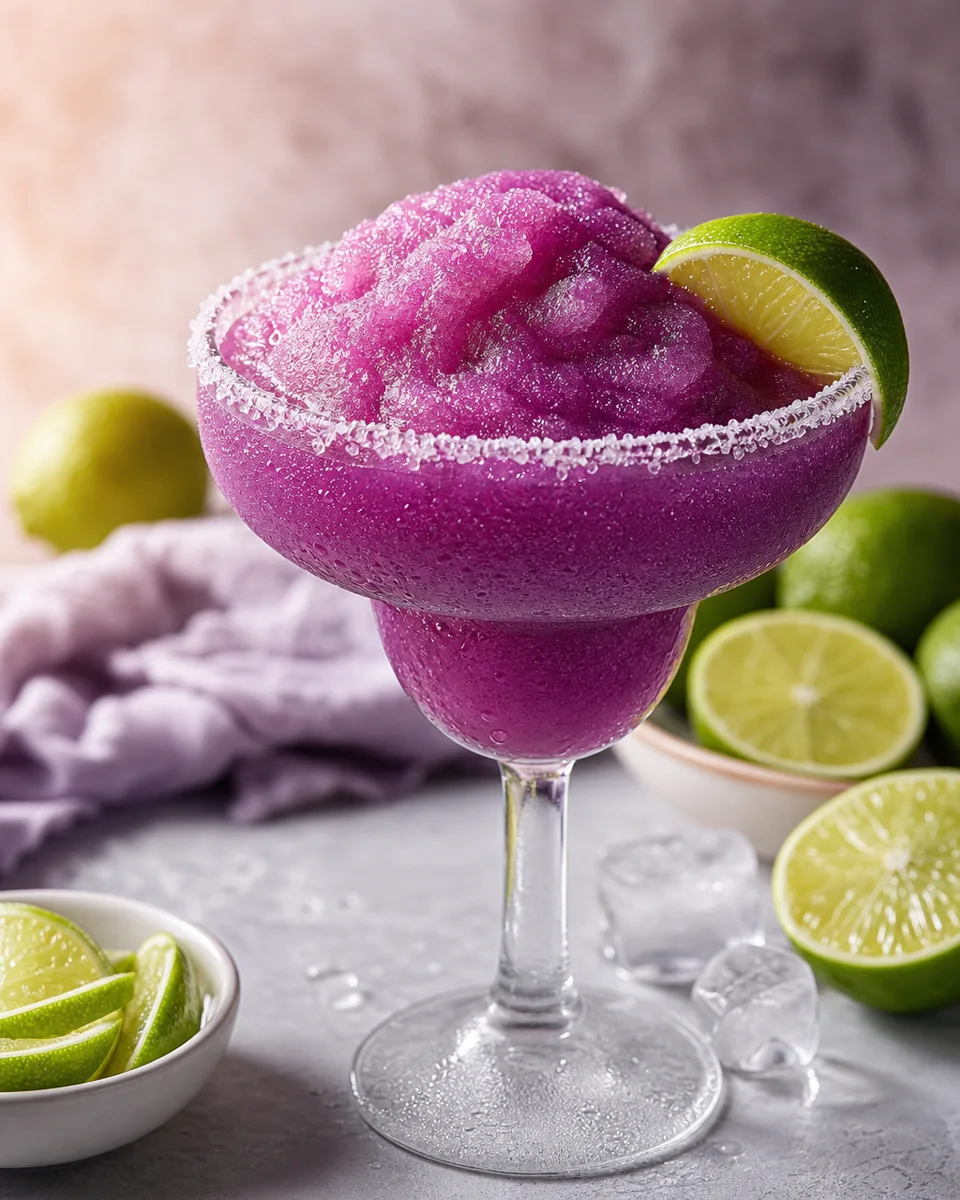
Bomb Pop Margarita Slush
View - GingerVerification status: Tried & tested
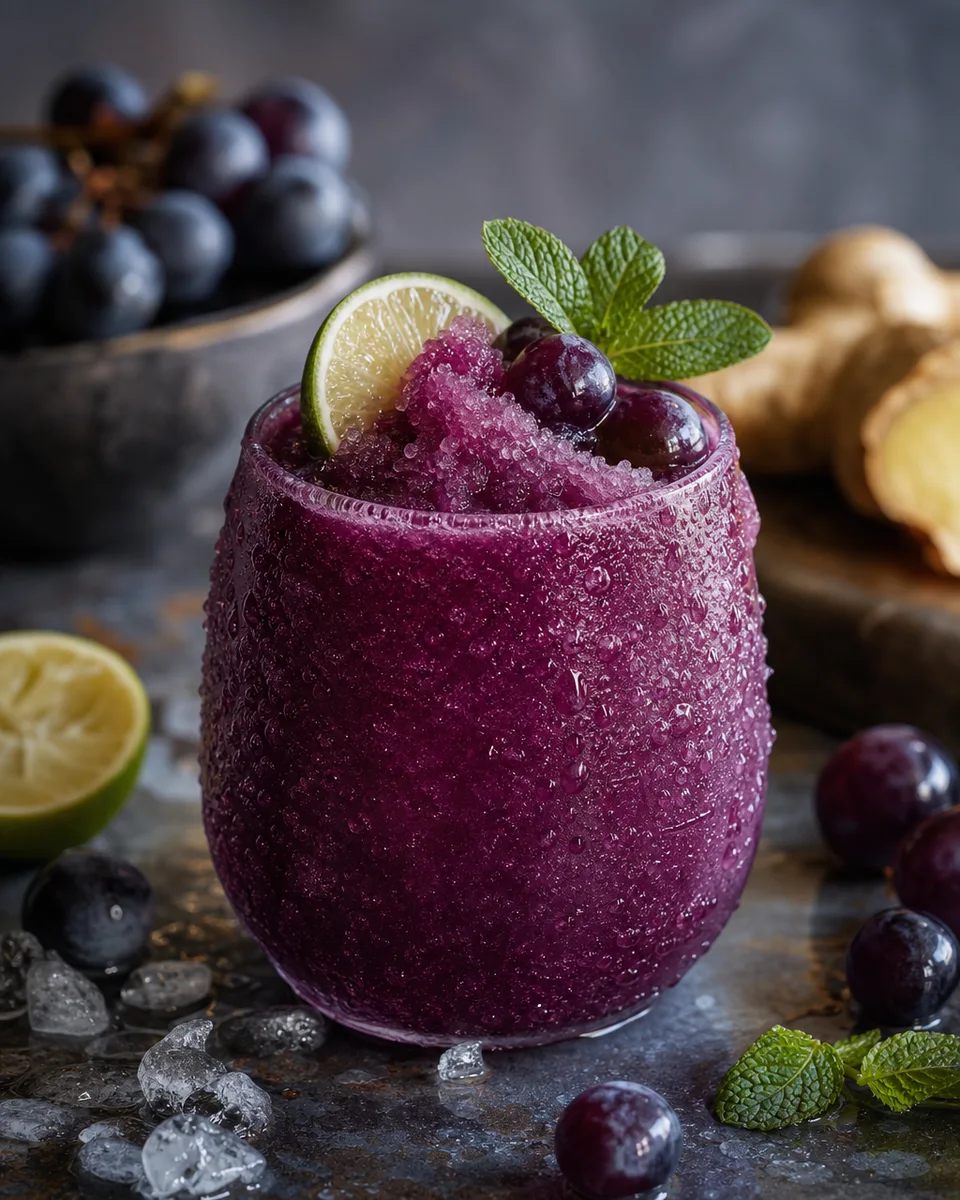
Grape Vodka Ginger Ale Slush
View