Keep booze cold and slushable
Build the whole cocktail row by row instead of estimating from one spirit bottle. This page now shows authoritative batch ABV, Brix, freeze point, and slush point, then recommends how to push the recipe boozier without dropping out of range.
Home Machine Warning
Most home machines struggle once alcohol and sugar both climb too far at the same time. If the Slushometer reads watery, reduce ABV or sugar in the pitcher instead of asking the auger to save the batch.
Batch Readout
- Total volume
- 1.44 L
- Final ABV
- 10%
Sessionable
1%–3% ABV in hopper
Great for brunch and long service. Fridge-cold inputs usually get there with minimal drama.
Balanced
3%–5% ABV
Classic frozen-cocktail territory. The row-by-row calculator helps you keep sweetness and freeze point aligned.
Boozy
5%–7% ABV
Possible, but you need a tighter grip on sugar-bearing rows and total dilution to keep texture stable.
Workflow
Fast workflow for alcoholic slush
- 1) Build every poured ingredient as a row: spirits, liqueurs, citrus, syrups, juices, and water all matter.
- 2) Trust the batch metrics, not one bottle: hopper ABV and freeze point depend on the full recipe, not the proof on the label.
- 3) Check the Slushometer before freezing: it is cheaper to fix the pitcher than to troubleshoot a soft batch in the bowl.
- 4) Load everything cold: refrigerator temperature still helps even when the recipe is mathematically sound.
- 5) Re-check after any swap: changing one syrup, liqueur, or juice can move both Brix and freeze point more than expected.
Machine-ready frozen cocktails
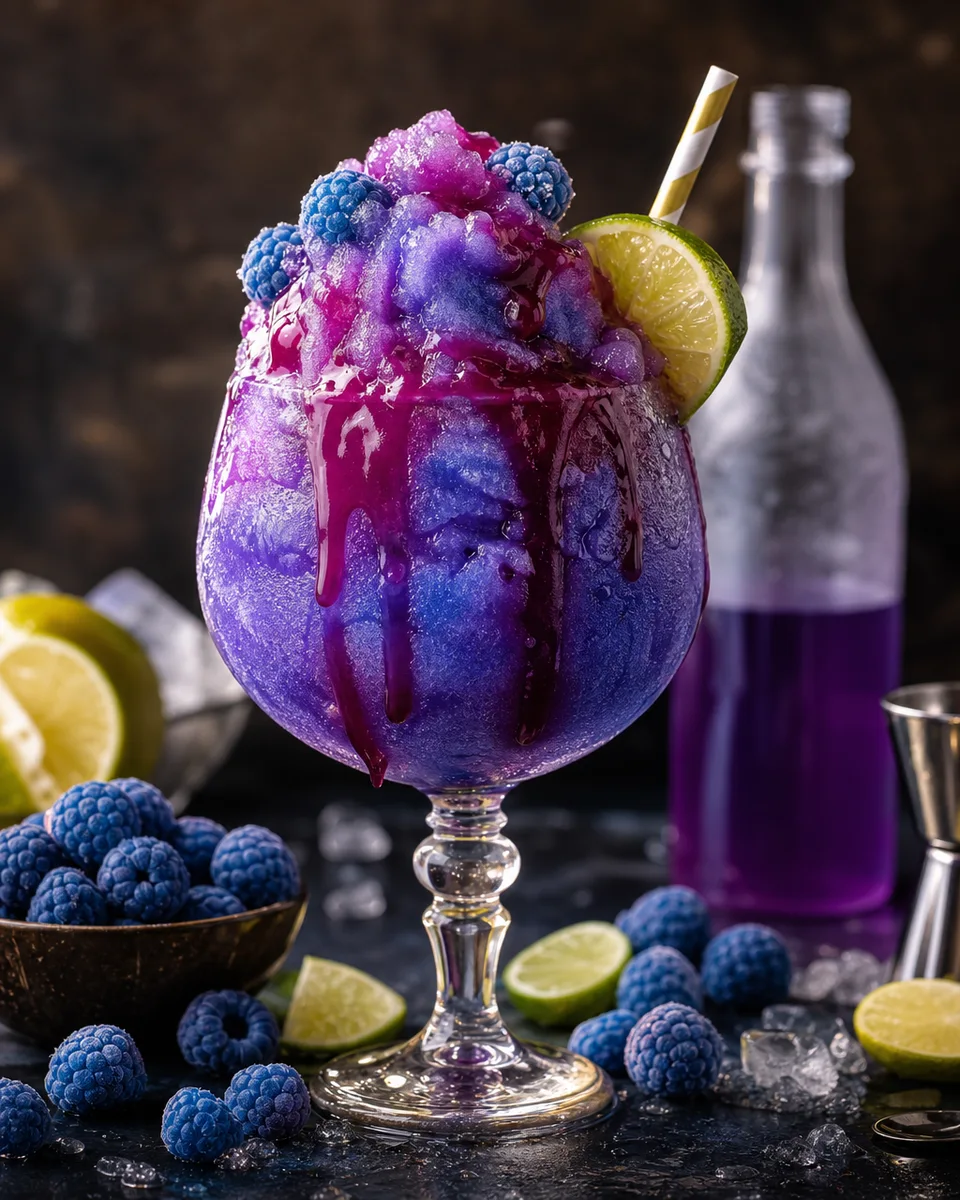
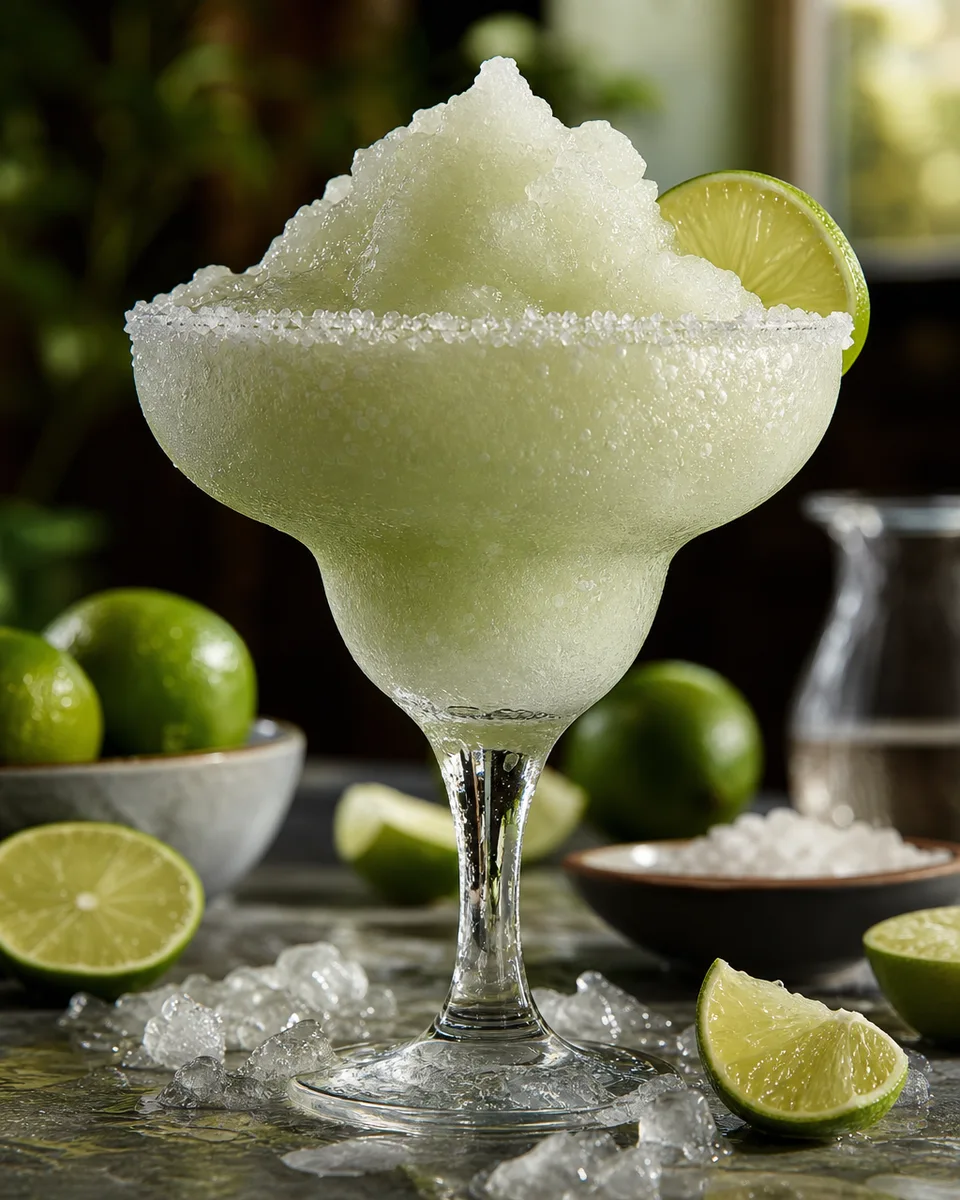
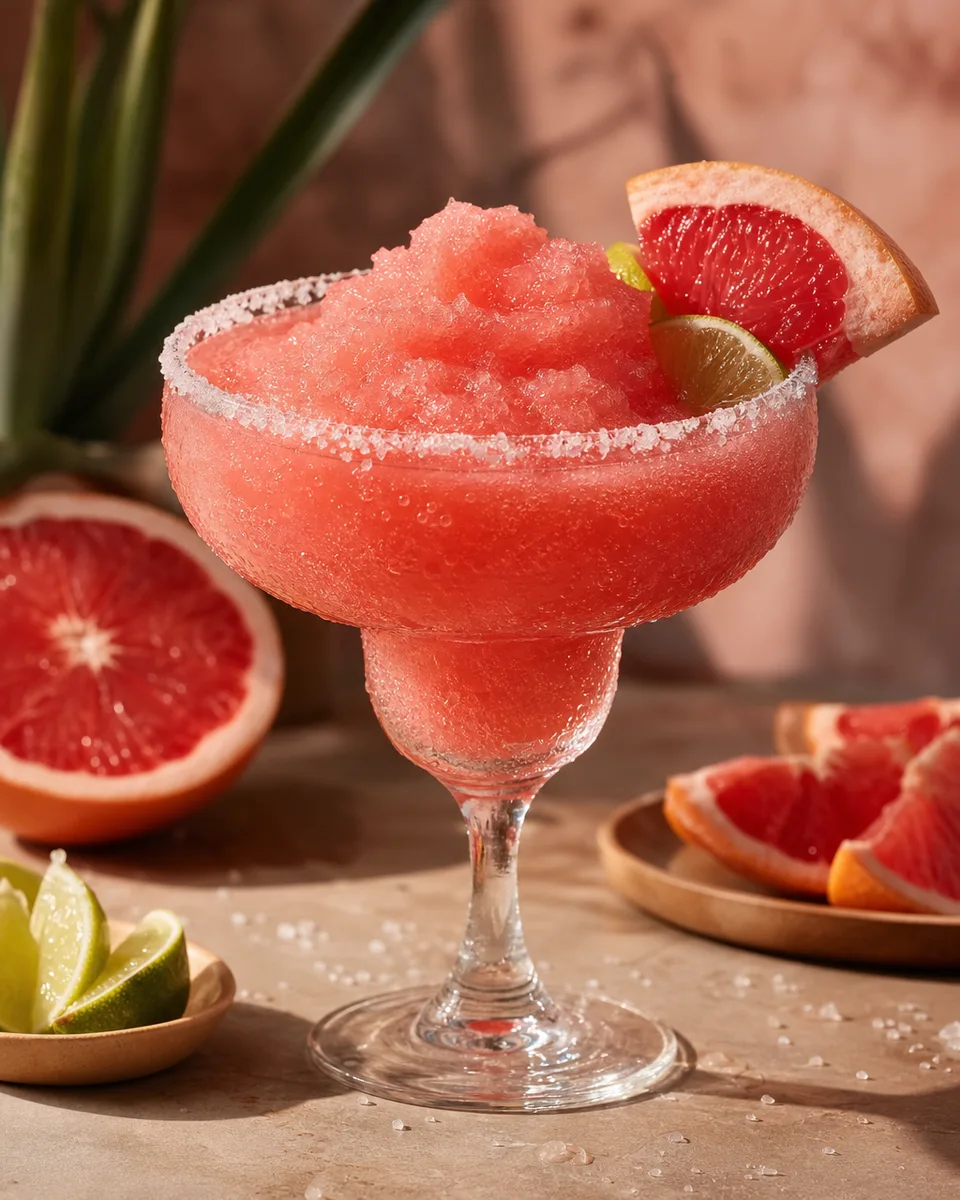
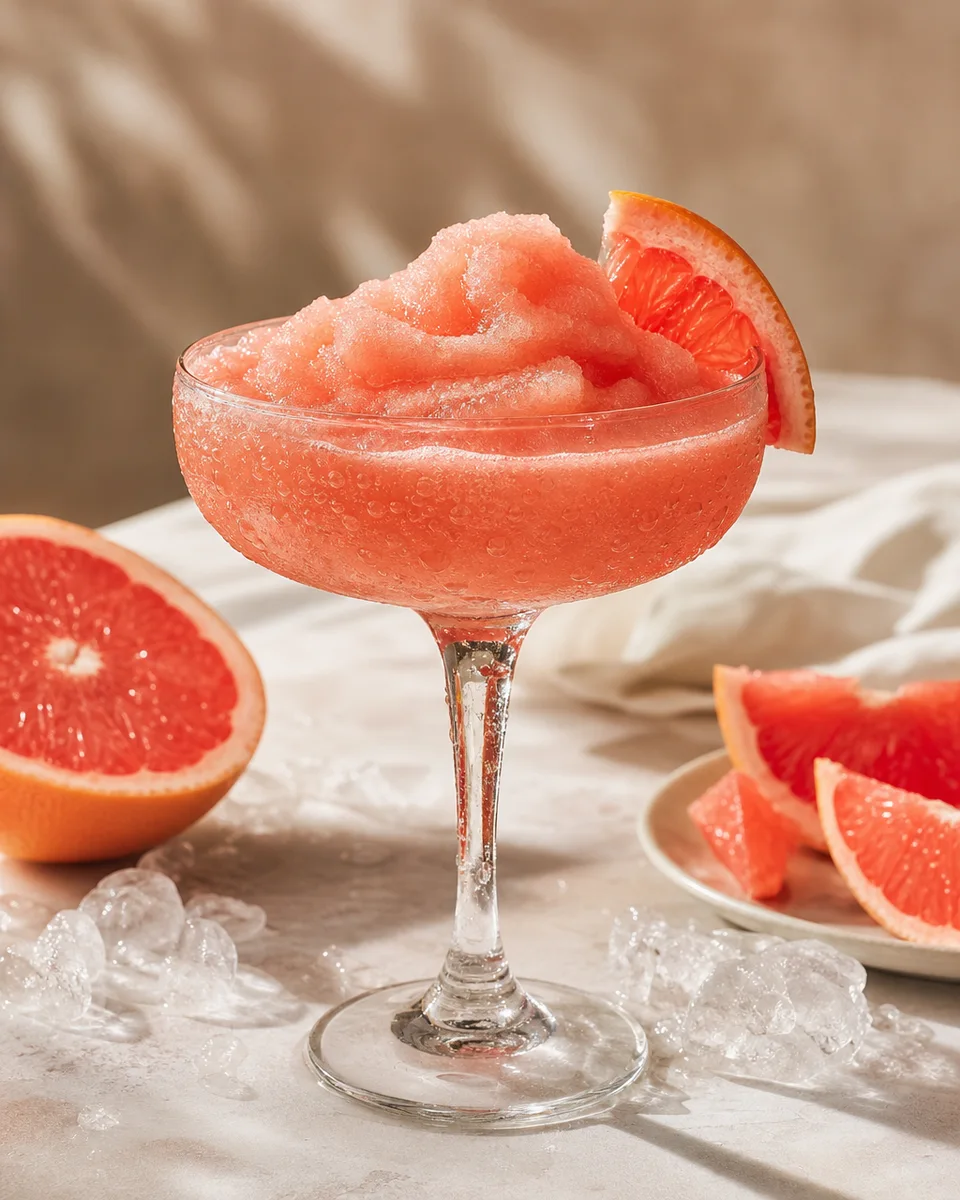
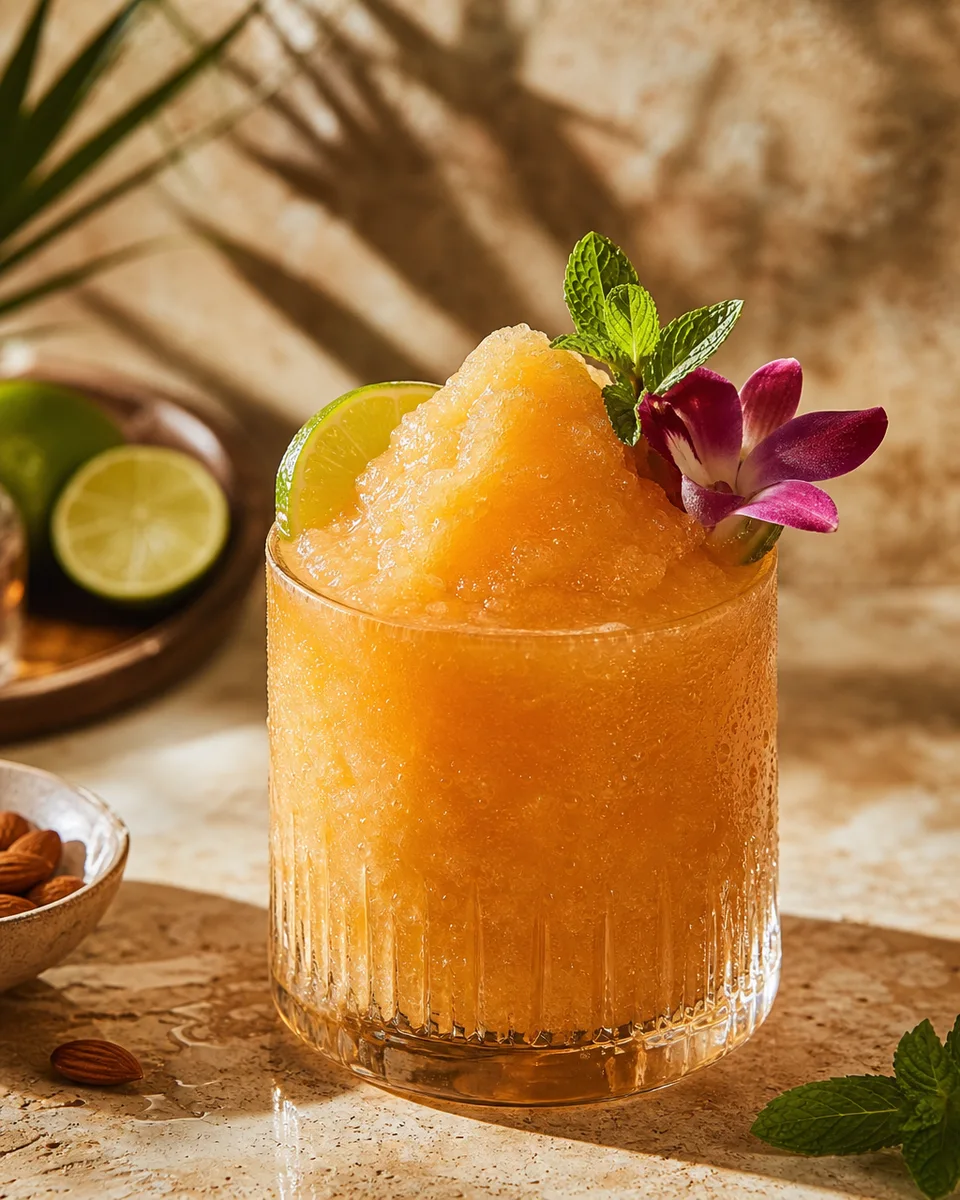
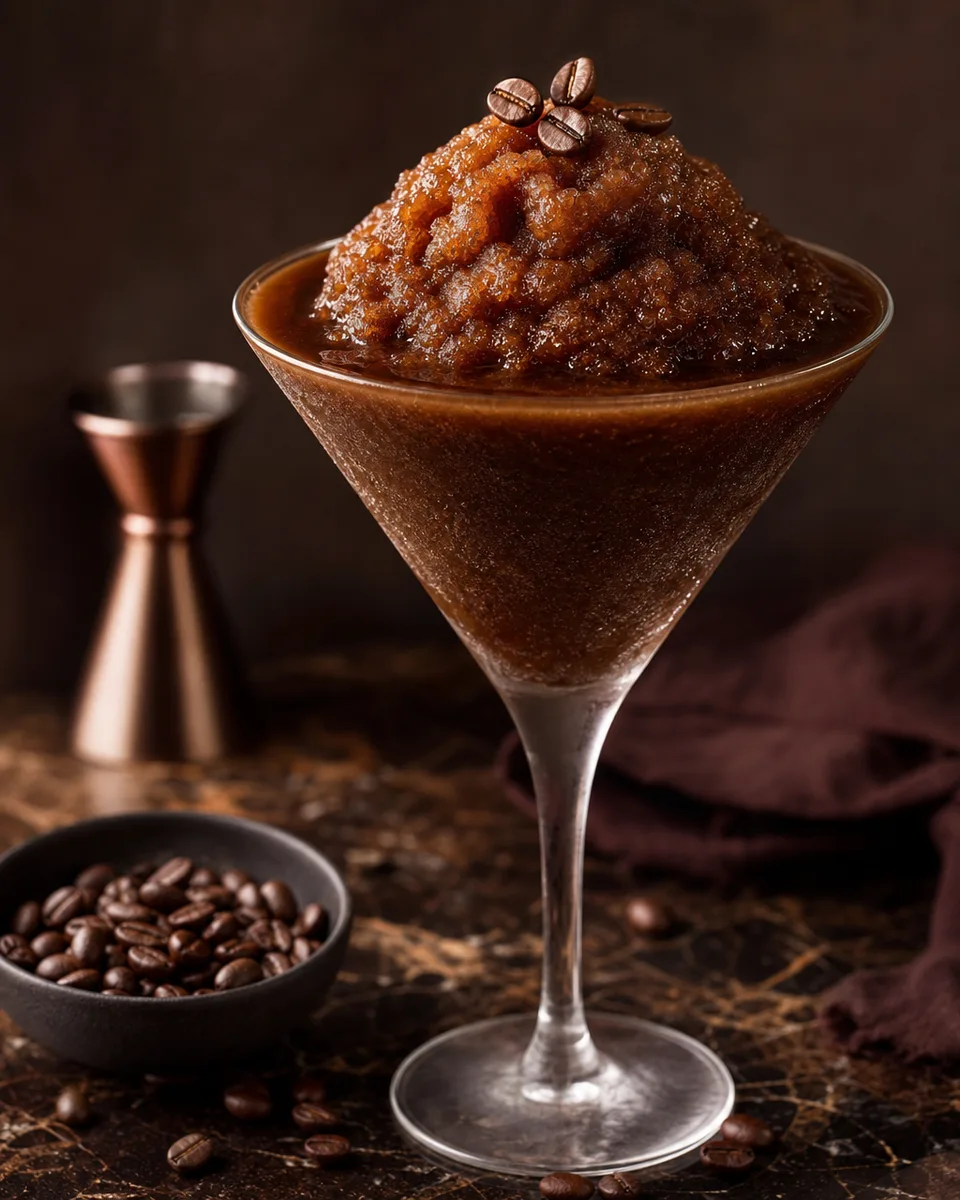
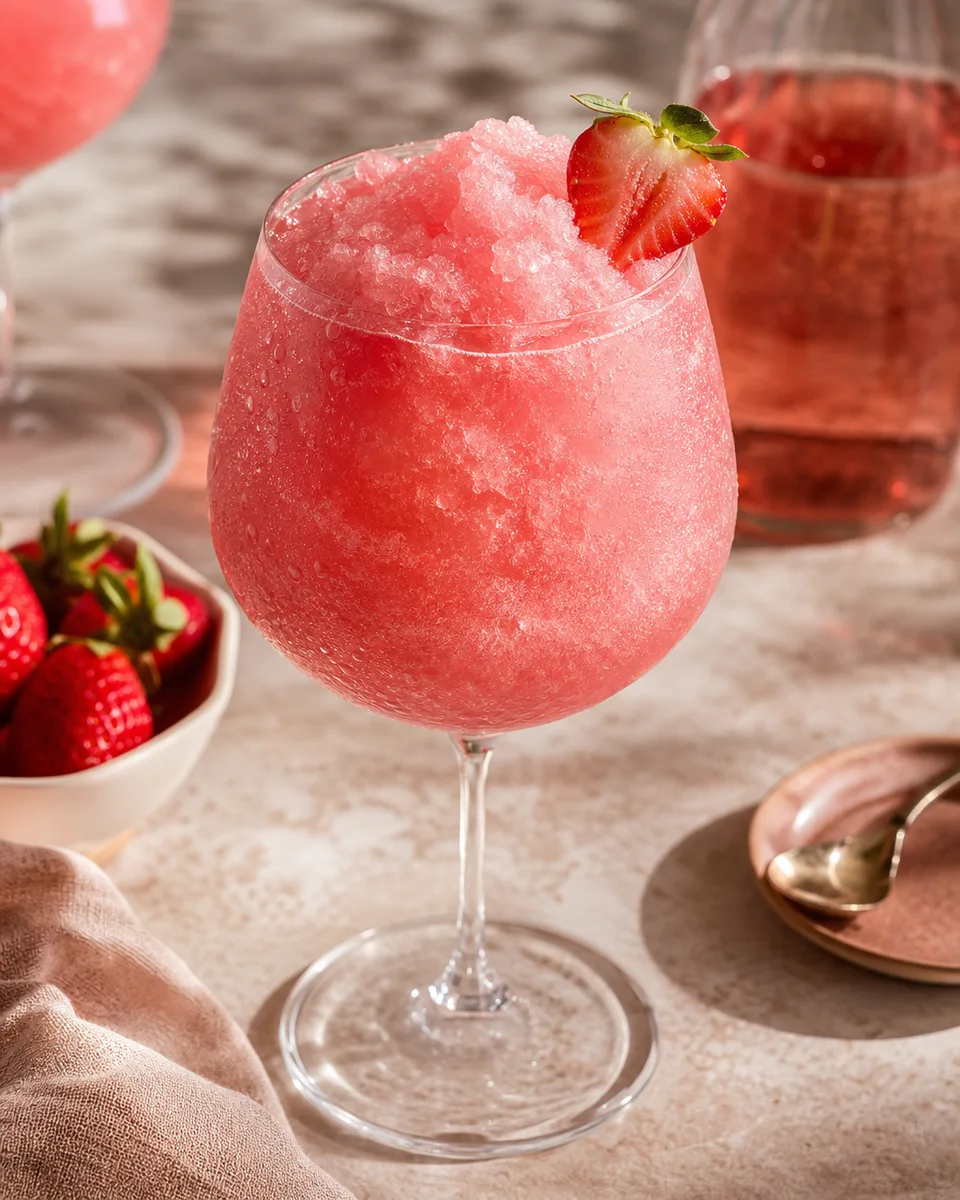
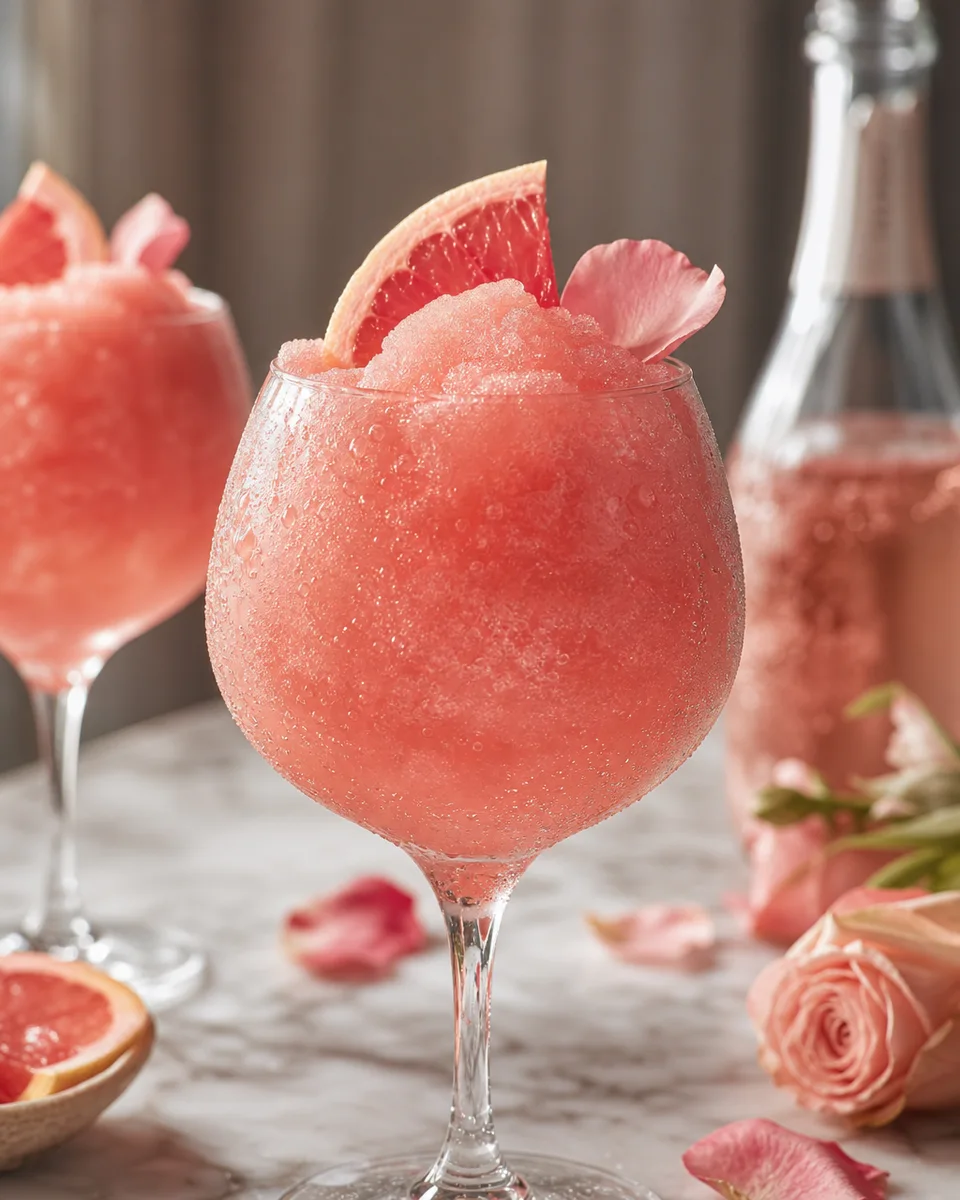
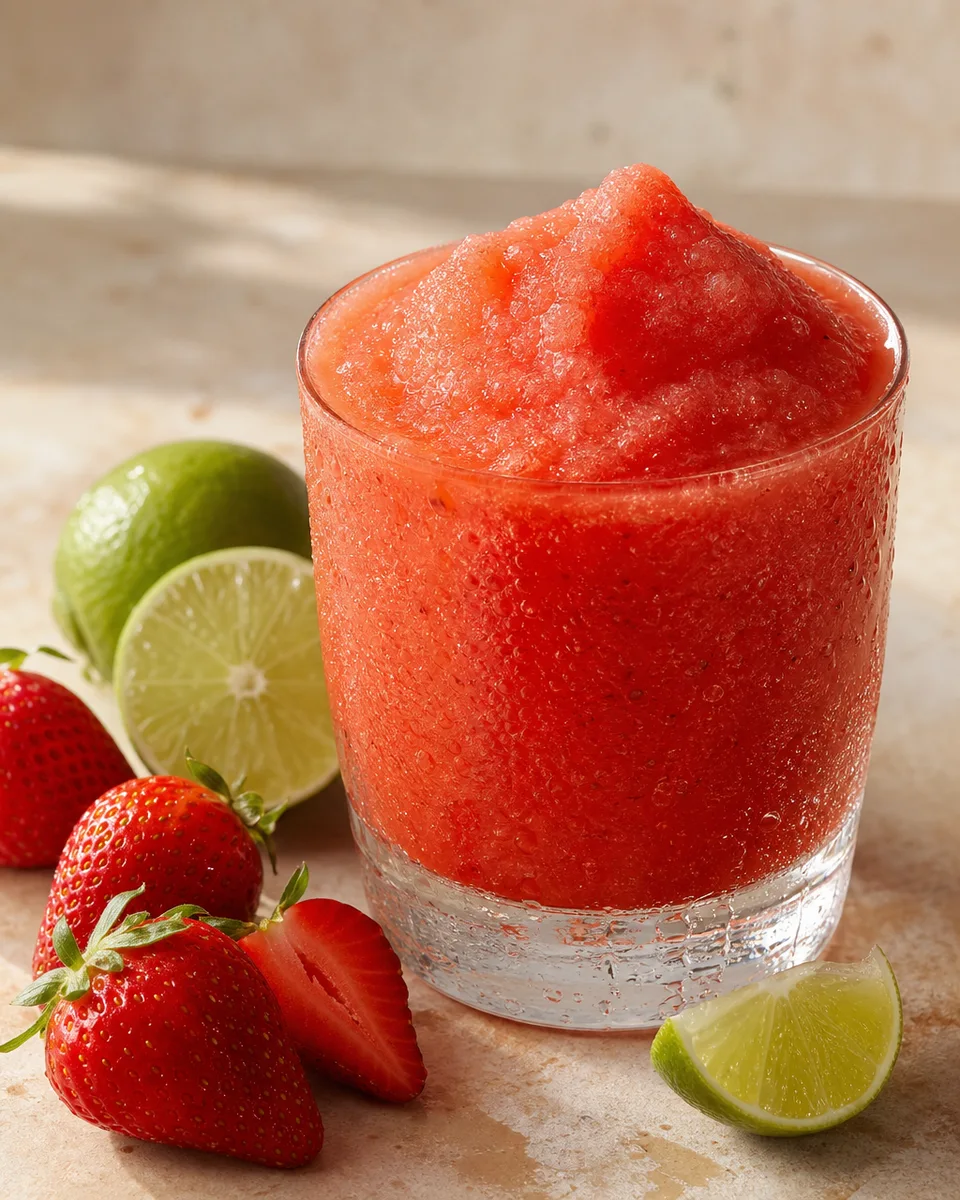
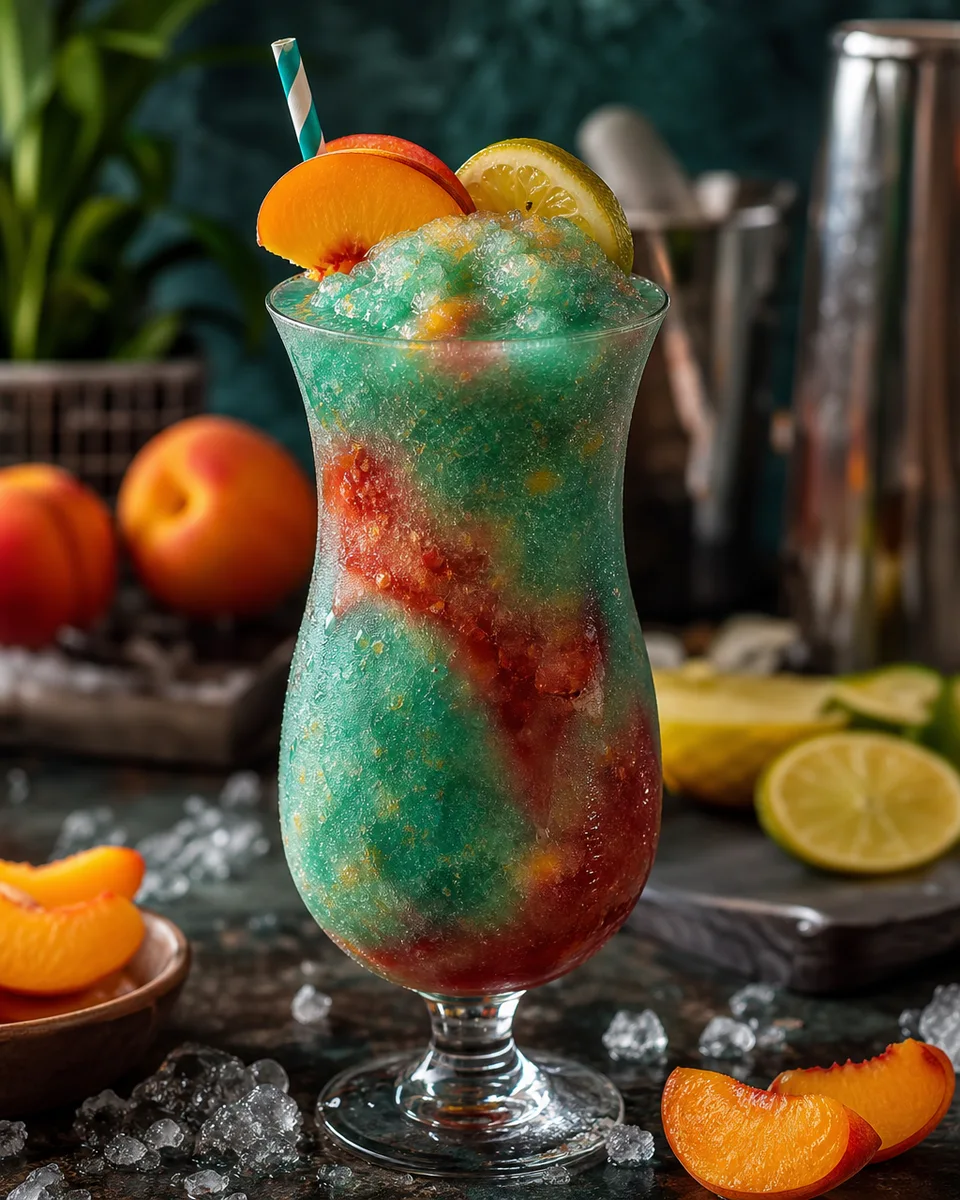
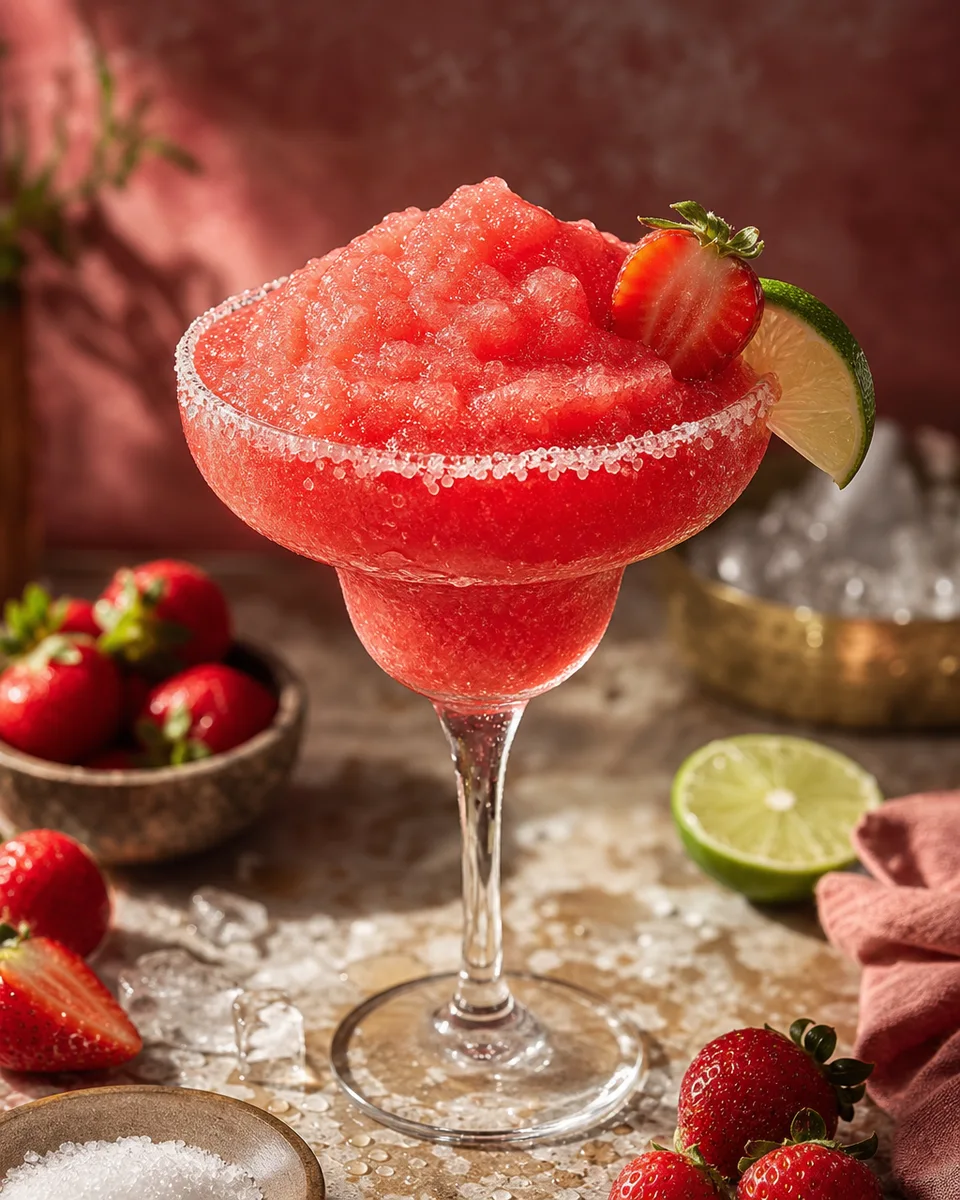
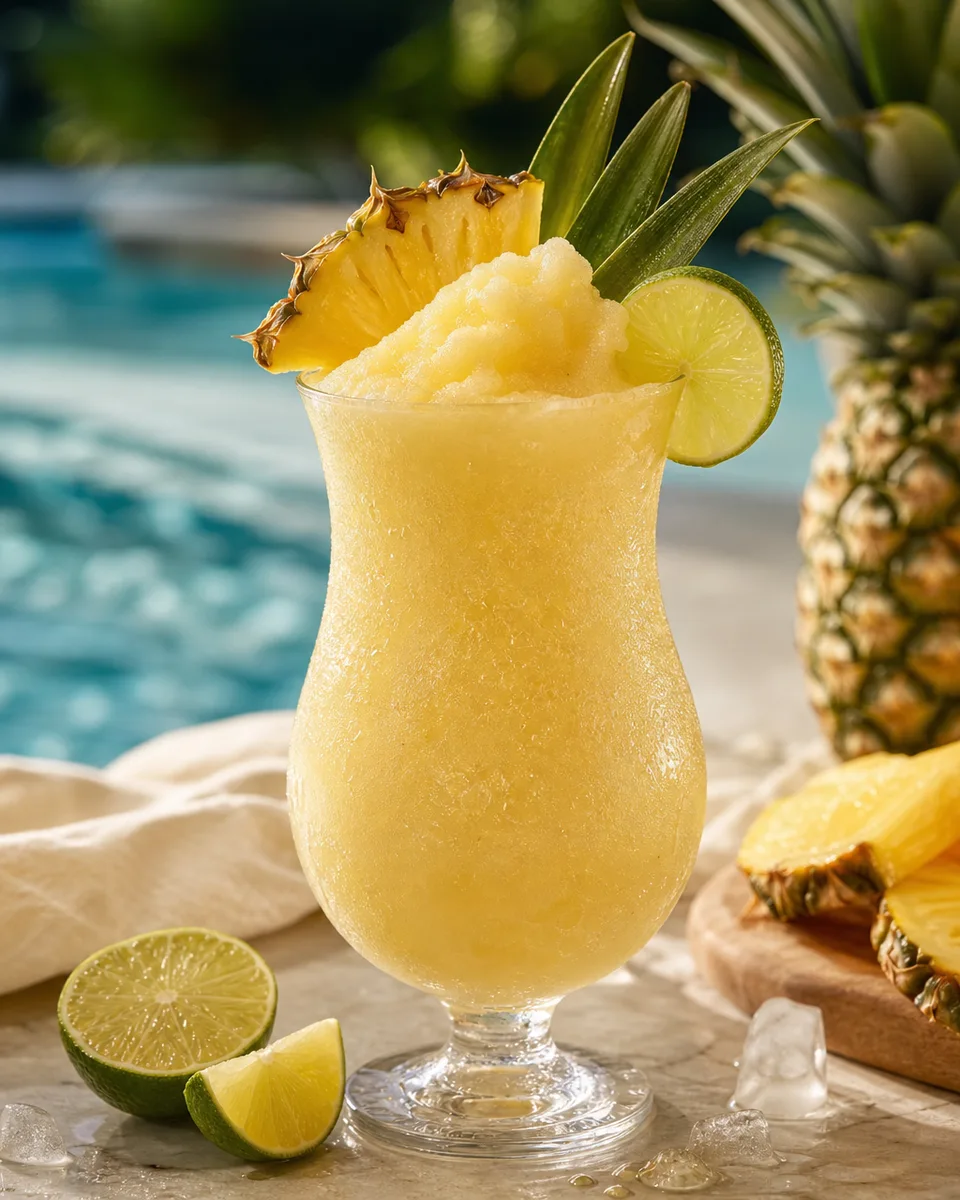
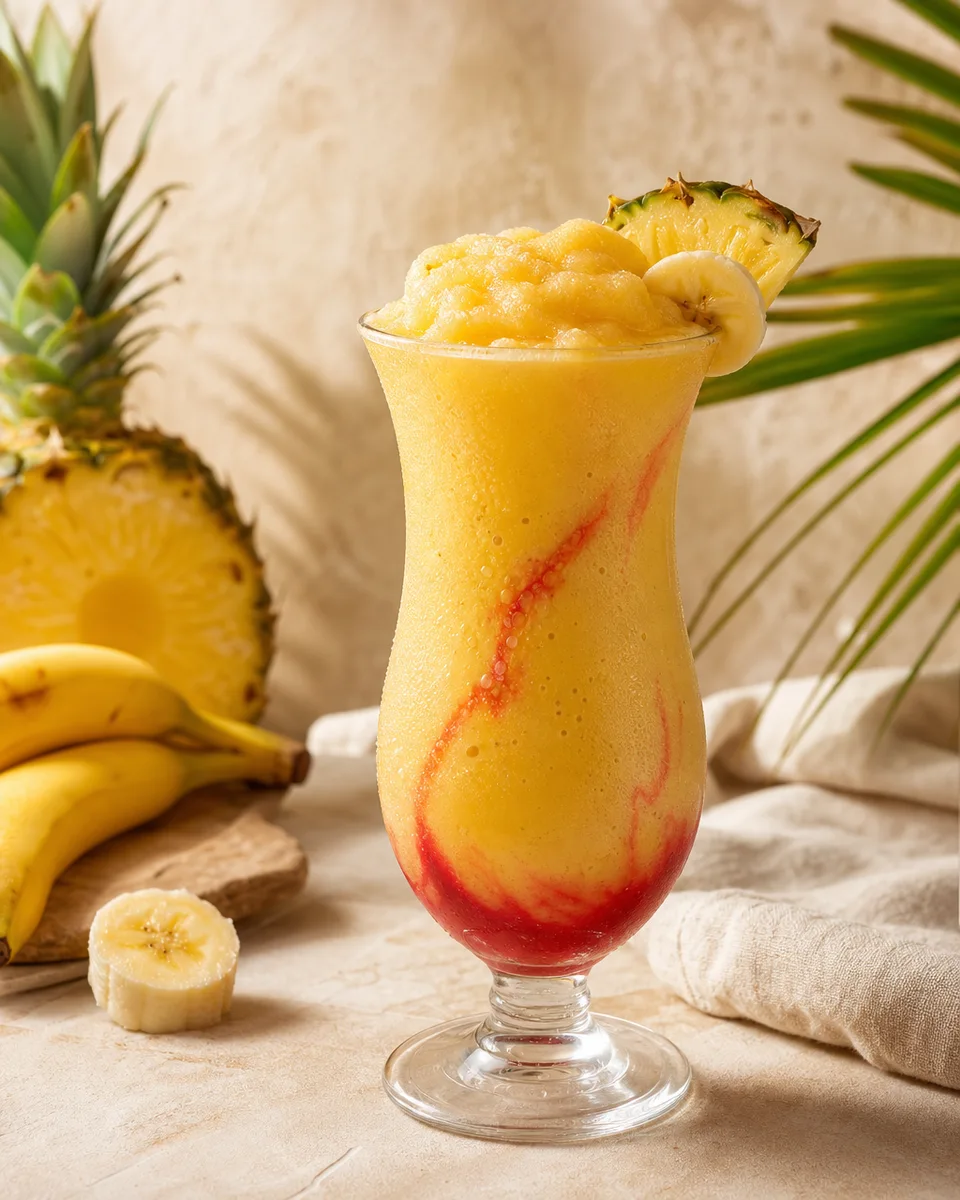
Spiked recipes from the Slushable library, each already balanced to the 12–16° Brix slush zone so the alcohol still freezes in a home machine.

Alcohol FAQ
Common questions
Neutral 40% spirits are the easiest to work with: vodka, white rum, and blanco tequila add alcohol without adding sugar, so you set the Brix separately and keep control of the freeze. Liqueurs carry a lot of sugar as well as alcohol, so a batch built on triple sec or a coffee liqueur is sweeter than it tastes — count it in your Brix. Beer and wine are mostly water at low ABV, so they need rebalancing with sugar before they will hold slush texture; see can you put wine in a slush machine? for the math on that.
Aim for under about 8% ABV in the finished hopper, with the mix still sitting in the 12–16° Brix slush zone. Machine limits are tighter than most people guess: the Ninja SLUSHi FS301 accepts premade spiked inputs between 2.8% and 16% ABV, while the XL, Max, and Twist list support for cocktails up to 20%. Past the ceiling the batch never sets, no matter how long you run it. The full explanation is in how much alcohol a slush machine can handle, and the Ninja SLUSHi Calculator checks a batch against those limits before you pour.
Build the whole cocktail cold in a pitcher, check its ABV and Brix, then pour it in. Do not add spirits to a bowl that is already freezing — it thins the batch unevenly and can push the whole hopper back out of the slush zone. Fill to the machine's line rather than past it, and let it run a full cycle before you judge the texture. The machine setup checklist walks through the first run step by step.
Work in this order. First, hopper ABV: alcohol is the strongest freeze-point depressant in the batch, so dilute with more alcohol-free base before you change anything else. Second, Brix: too much sugar keeps a batch liquid too, and the target is 12–16°. Third, temperature and time: a warm mix or a short run looks exactly like a mix problem, so give it a full cycle on the coldest setting before you rebuild the recipe. Step-by-step in the watery slush fix, or answer a few questions in the Slush Doctor.
Slushable is independent and not affiliated with Ninja or SharkNinja.
Ready to make it slushable?
Get the iPhone app, balance the batch in minutes, and stop guessing at sugar, booze, and dilution.
Free on the App Store — the official app by Really Nice.