Slushable Blog
How Much Alcohol Can a Home Slush Machine Handle? (Without Turning Watery)
Alcohol is antifreeze. Learn why slush machines struggle with strong cocktails, how to keep texture stable, and the safest way to adjust sugar and strength.

This is the question everyone asks after batch #1:
“Can I make it stronger?”
Yes—but alcohol changes freezing behavior. If you push it too far, you don’t get “stronger slush.” You get cold soup.
Table of contents
- TL;DR (Quick Fix)
- What’s happening (in plain English)
- The main causes
- Step-by-step fix
- How to prevent it next time
- FAQ
TL;DR (Quick Fix)
- Alcohol lowers freezing point.
- If you increase alcohol, you must compensate (usually with more dissolved sugar).
- Make adjustments slowly.
What’s happening (in plain English)
Water wants to freeze at 0°C.
Alcohol doesn’t.
So as you add alcohol, the slush machine needs more help (via dissolved solids like sugar) to stay in the slushy texture zone.

The main causes
Most issues come down to one of these:
- Mix chemistry (sugar/alcohol/dissolved solids)
- Temperature (warm room or warm starting mix)
- Circulation (overfill, thick zones, ice blocks, or buildup)
Step-by-step fix
Use this order so you don’t waste batches:
- Check fill level and airflow.
- Confirm the mix is cold.
- If texture is off, adjust dissolved sugar (and alcohol if present).
- Wait for the machine to stabilize before changing anything else.
The practical limits (what most people experience)
Most home machines behave best when the mix is closer to “light cocktail” strength rather than bar-strength.
If you go too strong:
- slush stays watery
- texture becomes unstable
Step‑by‑step: how to increase strength safely
- Start with a working baseline (non-alcohol or low alcohol).
- Increase alcohol slightly.
- If texture gets watery, compensate with dissolved sugar.
- Wait for the machine to stabilize before changing again.
How to prevent it next time
- Measure everything.
- Don’t eyeball ABV.
- Don’t pour straight liquor into an already-slushing batch unless you’re prepared for it to thin out.
Related reading
- Why is my slush watery? (and how to fix it)
- Brix for beginners: why it matters
- How to measure sugar for slush (scale method)
FAQ
Why does it slush at first, then turn watery?
As alcohol distributes evenly, the overall freezing point drops and the machine can’t keep up.
Can I fix it mid-run?
Sometimes, by adding dissolved sugar (not dry sugar) and waiting. But prevention is easier than rescue.
Recipes to make next
Slush recipes from the library that fit this guide — every one balanced to freeze in a home machine.
- StrawberryVerification status: Tried & tested
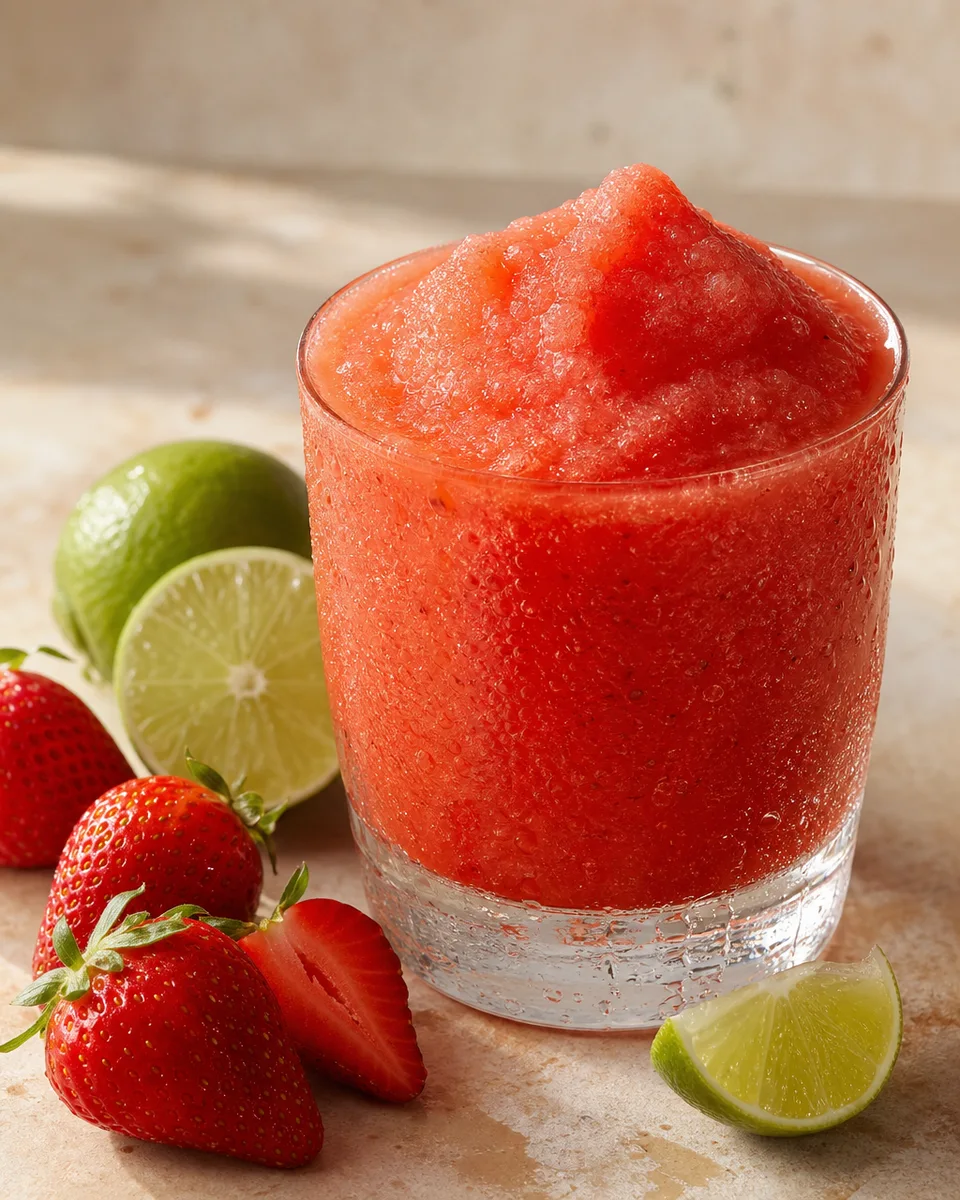
Frozen Strawberry Daiquiri Slush
View - LimeVerification status: Tried & tested
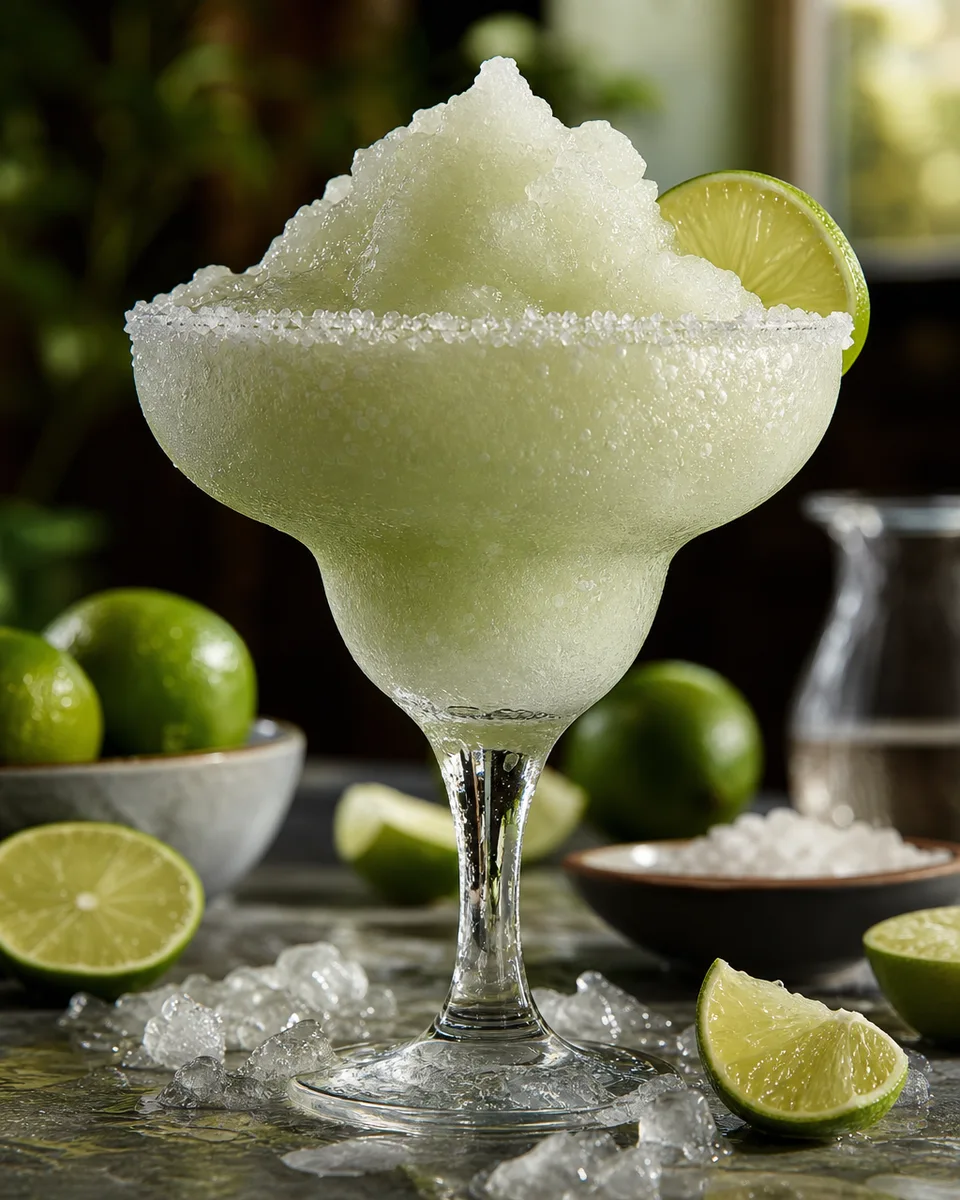
Frozen Margarita Slush
View - PineappleVerification status: Tried & tested
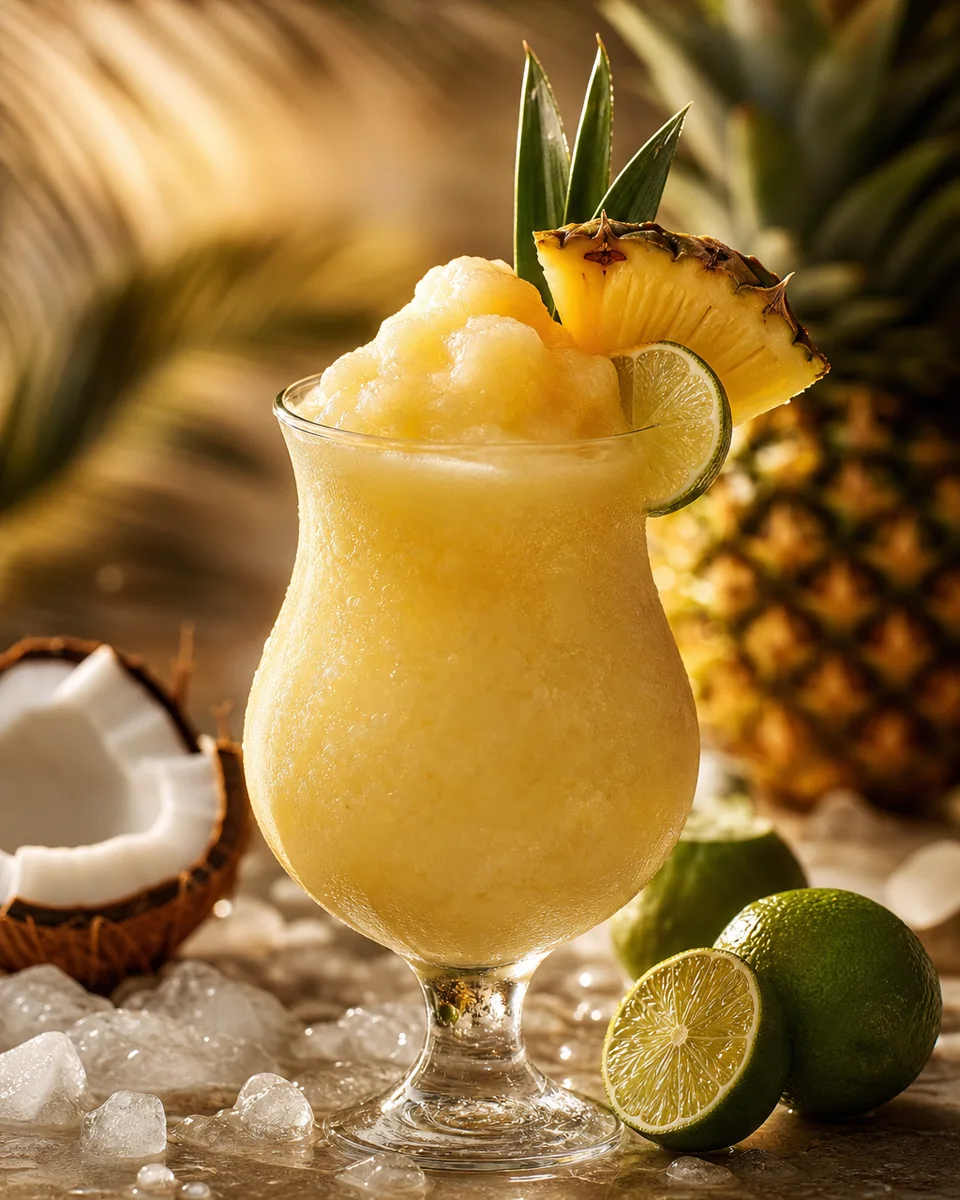
Frozen Piña Colada Slush
View - BourbonVerification status: Tried & tested

Bourbon Walnut Old Fashioned Slush
View - BananaVerification status: Tried & tested
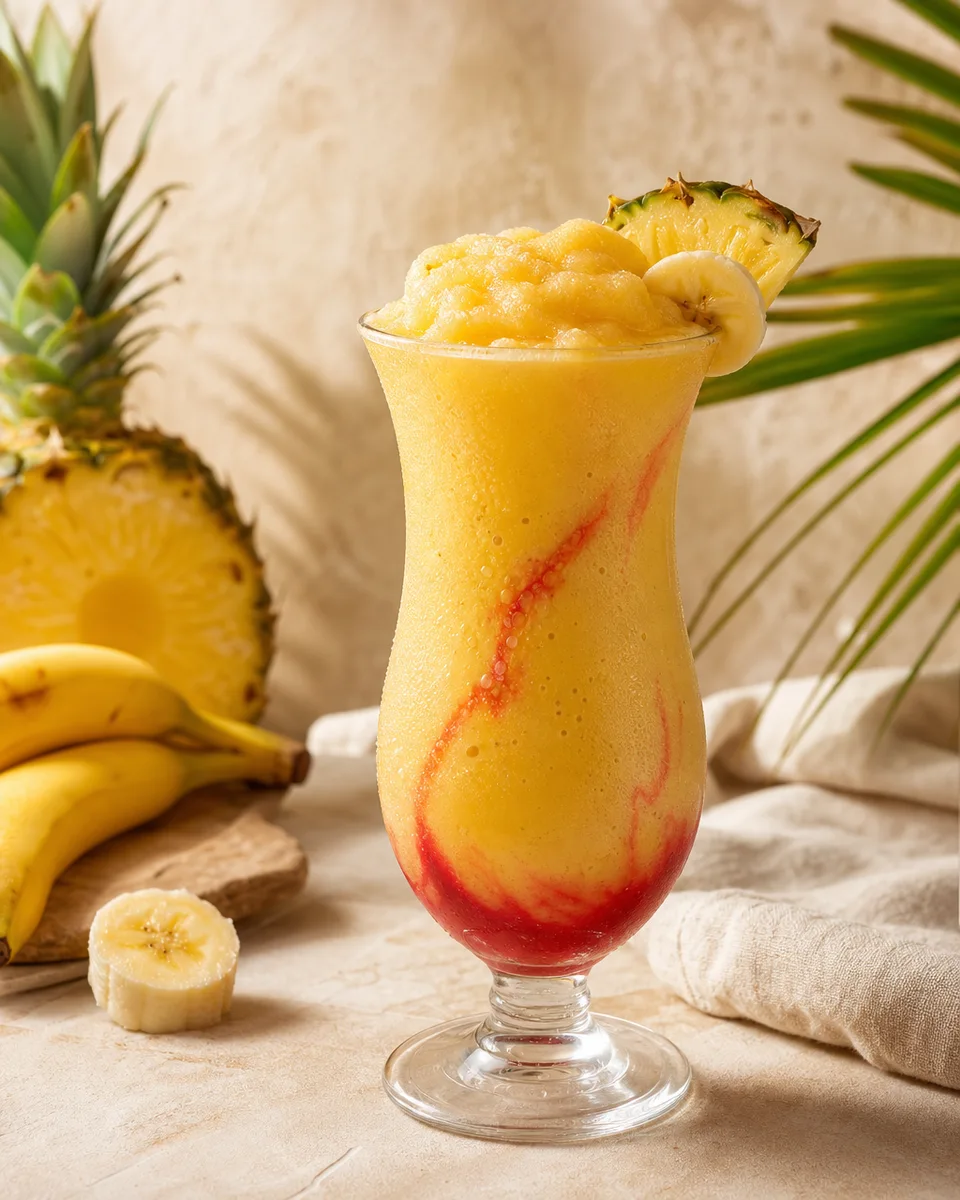
Banana Mama Slush
View - LimeVerification status: Tried & tested
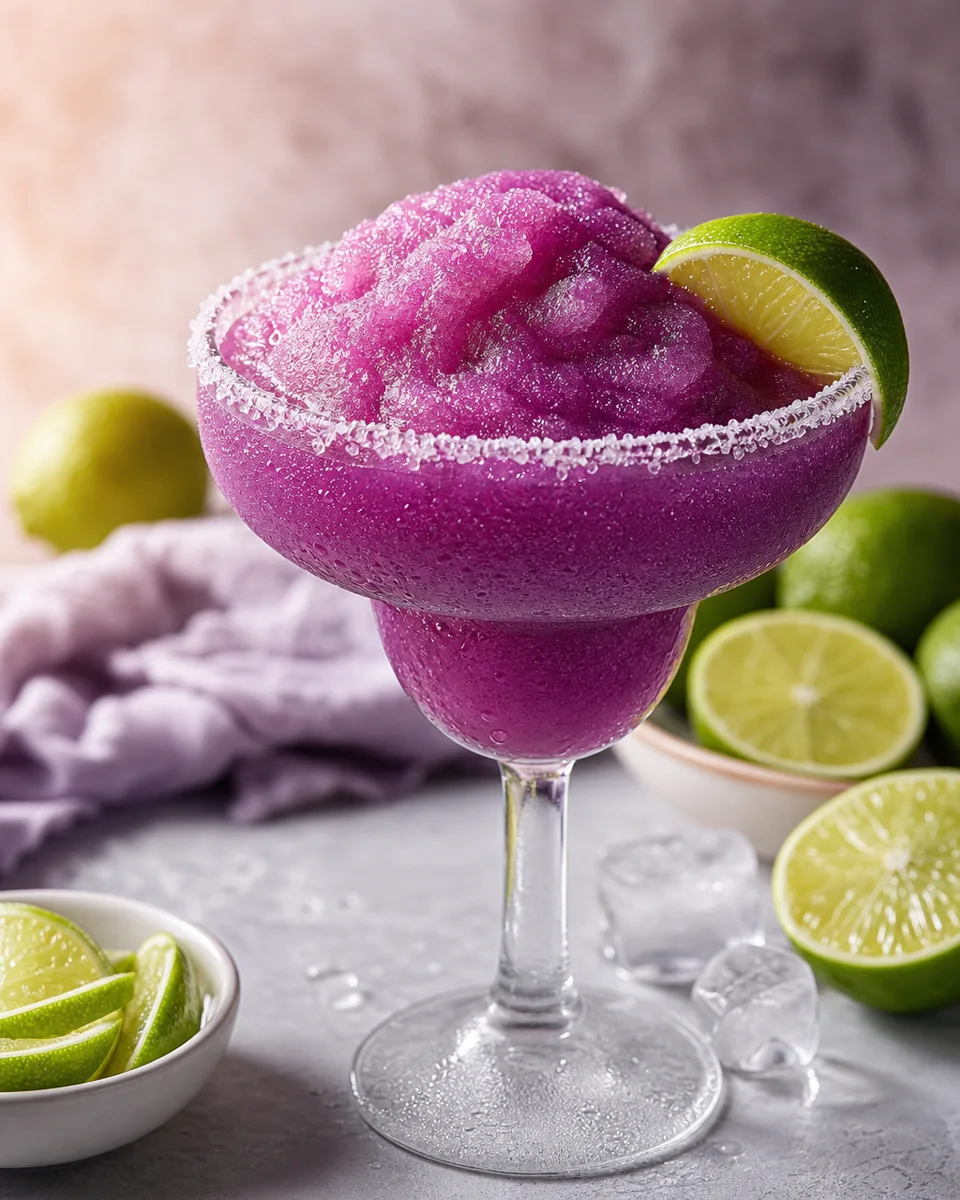
Bomb Pop Margarita Slush
View