Slushable Blog
Why Is My Slush Watery? (The Real Causes + How to Fix It)
Watery slush is almost always a sugar/alcohol problem—or a circulation problem. Here’s the fast diagnosis and the fix that actually works.

Watery slush is maddening because it feels like the machine is refusing to do its one job.
In reality, the machine is usually doing exactly what it can—and the mix is asking it to do something physically impossible.
If you only read one sentence from this post, read this:
Watery slush is almost always not enough dissolved sugar for the amount of alcohol/heat you’ve got, or bad circulation.
If you keep hearing the word “Brix,” start with our Brix for beginners.
Table of contents
- TL;DR (Quick Fix)
- What’s happening (in plain English)
- The main causes
- Step-by-step fix
- How to prevent it next time
- FAQ
TL;DR (Quick Fix)
- If there’s alcohol, you need more sugar than you think.
- If the mix is warm, chill it first.
- If the machine is overfilled, circulation suffers.
- Make one change, then wait. Slush isn’t instant.
What’s happening (in plain English)
Slush is “controlled freezing.”
Your machine is trying to create tiny ice crystals while keeping enough liquid around them so the whole thing stays scoopable.
When a mix stays watery, one of two things is happening:
- Not enough ice can form (the freezing point is too low).
- Ice forms, but circulation/temperature prevents thickening (it freezes in the wrong place or melts as fast as it forms).

The main causes
1The mix doesn’t have enough dissolved sugar
This is the most common issue.
Sugar isn’t just “flavor.” In a slush machine it’s a texture control knob.
If the mix is too low in dissolved sugar, you often see:
- “cold soup” that never thickens
- thin center with frost forming on the walls
2Alcohol pushed the freezing point too far down
Alcohol acts like antifreeze.
If your drink is closer to bar-strength than “machine-strength,” the machine can cool it…but it can’t turn it into slush.
3Your starting temperature is too warm (and you judged too early)
Warm mix + warm room = the machine spends a long time just pulling heat down.
People often decide it’s “not working” at the 10–15 minute mark when it’s still in the cooldown phase.
4Overfilling (poor circulation)
Slush machines rely on movement.
Overfilling makes it harder for the paddles/auger to circulate the liquid evenly, so freezing becomes uneven and the batch won’t thicken correctly.
5Carbonation / foam / separation is messing with circulation
Even if the chemistry is close, foamy or separating mixes can behave unpredictably.
If this is you, read: Why slush separates or gets foamy.
Step-by-step fix
Do this in order. This prevents the “randomly tweak everything” spiral.
1Confirm the mix is cold
If it’s warm, chill it (or pause, remove, chill, restart).
2Check fill level and airflow
- Drop below max fill.
- Make sure vents aren’t blocked.
3Decide if alcohol is the problem
If there’s alcohol, assume it’s contributing.
- Reduce alcohol OR increase dissolved sugar.
4Increase dissolved sugar (small steps)
The safest mid-run approach is to add dissolved sugar (not dry crystals).
Wait after each adjustment and let the machine stabilize.
5Give it time
After any change, give it time to respond. A slush machine isn’t a blender.
How to prevent it next time
- Use the scale method at least once so you can repeat results: How to measure sugar for slush.
- If you want alcohol, build from a known baseline and adjust gradually.
- Keep a “known good” batch written down.
Related reading
- Ninja SLUSHi calculator
- Ninja SLUSHi not freezing? low-sugar, add-water, and watery fixes
- Brix for beginners: why it matters
- How to measure sugar for slush (scale method)
- Why did my slush freeze solid? (ice blocks fix)
FAQ
How long should slush take?
It depends on batch size, starting temperature, and room temperature. If you’re checking at 10–15 minutes and calling it broken, you’re usually too early.
Can I fix watery slush without adding sugar?
Sometimes—by removing alcohol or chilling more. But if the freezing point is the issue, sugar is often the lever that matters.
Why does it freeze on the sides but not in the middle?
The walls freeze first. If circulation is poor (or the mix chemistry is off), the center never catches up.
Recipes to make next
Slush recipes from the library that fit this guide — every one balanced to freeze in a home machine.
- BourbonVerification status: Tried & tested

Bourbon Walnut Old Fashioned Slush
View - ProseccoVerification status: Tried & tested
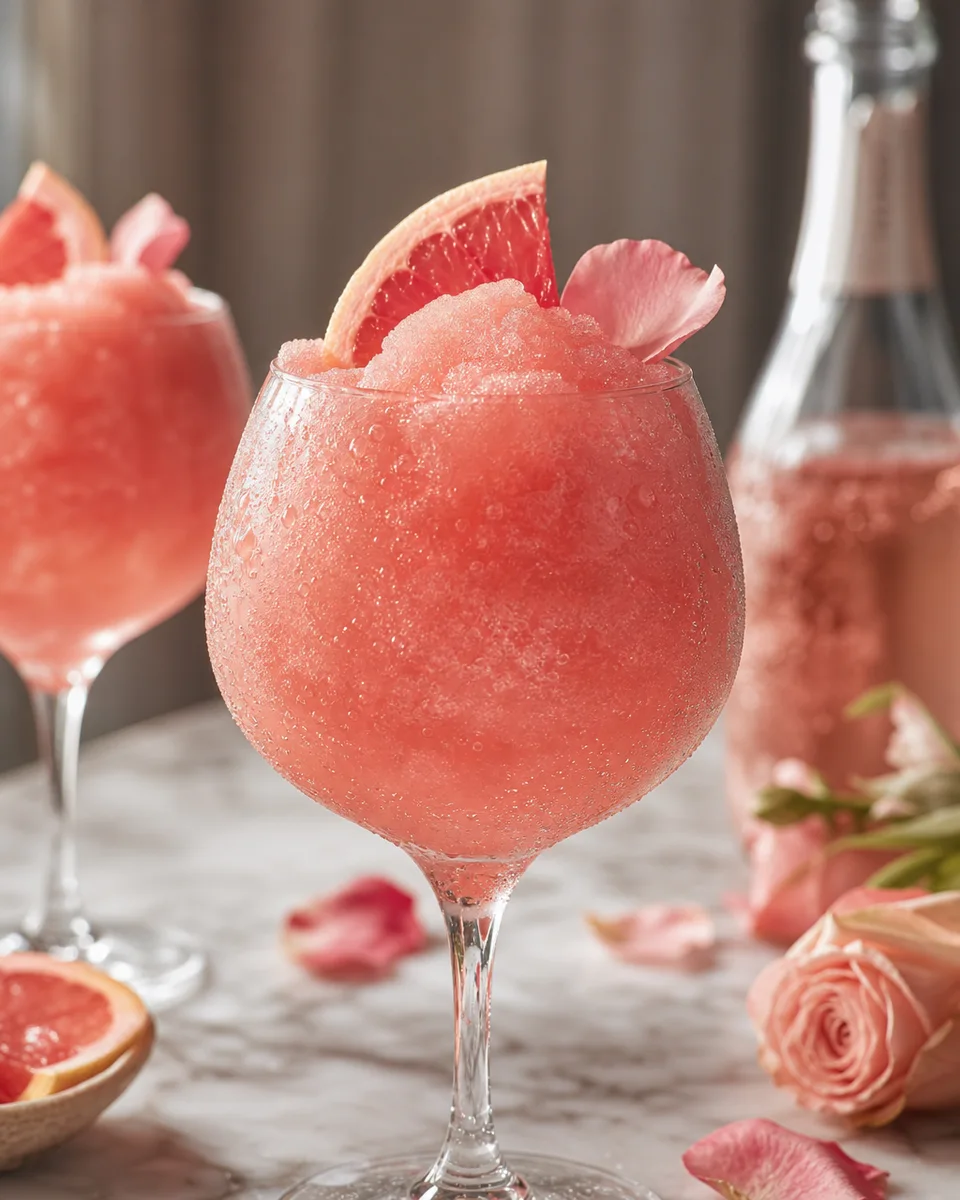
Sarti Rosa Prosecco Spritz Slush
View - ProseccoVerification status: Tried & tested
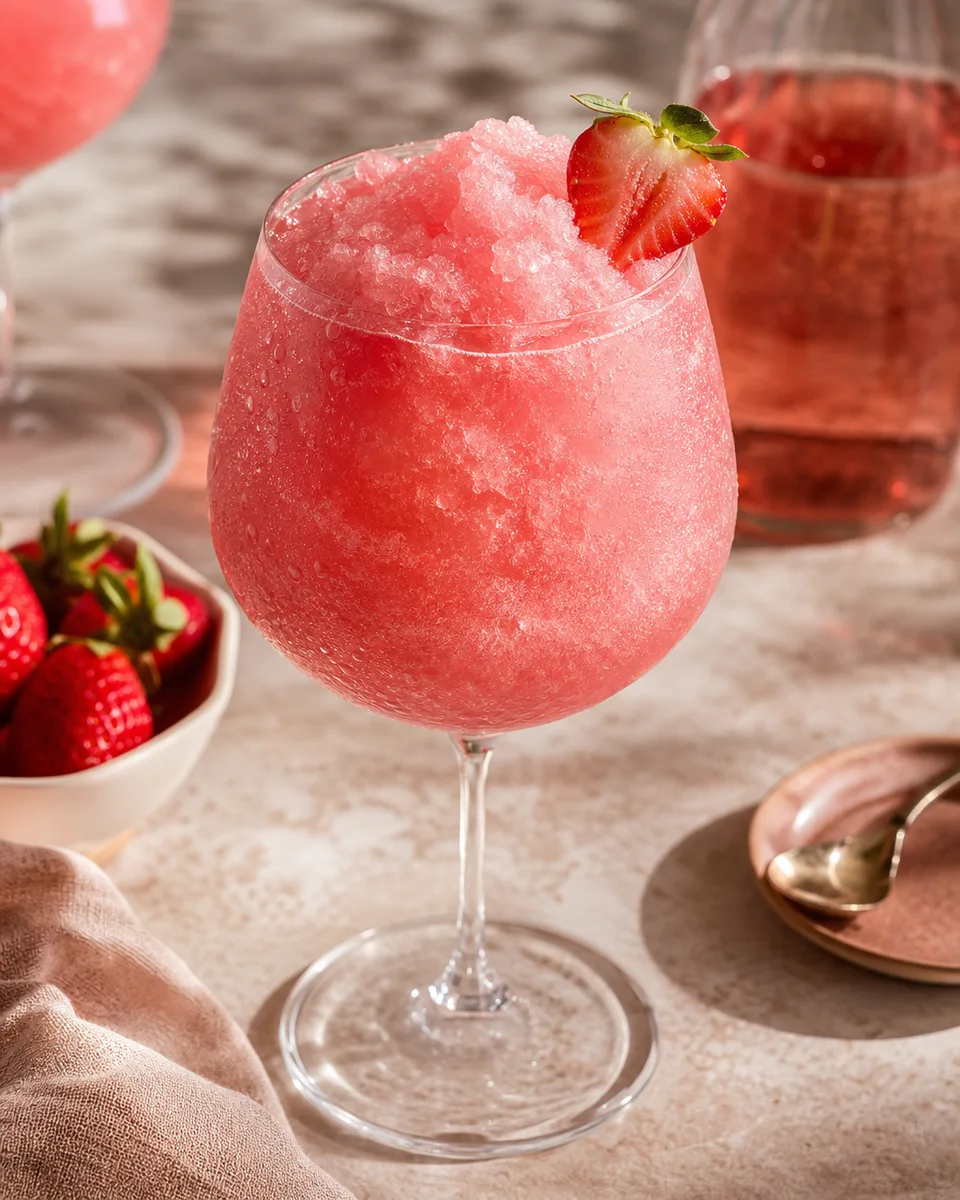
Sarti Spritz Slush
View - PineappleVerification status: Tried & tested
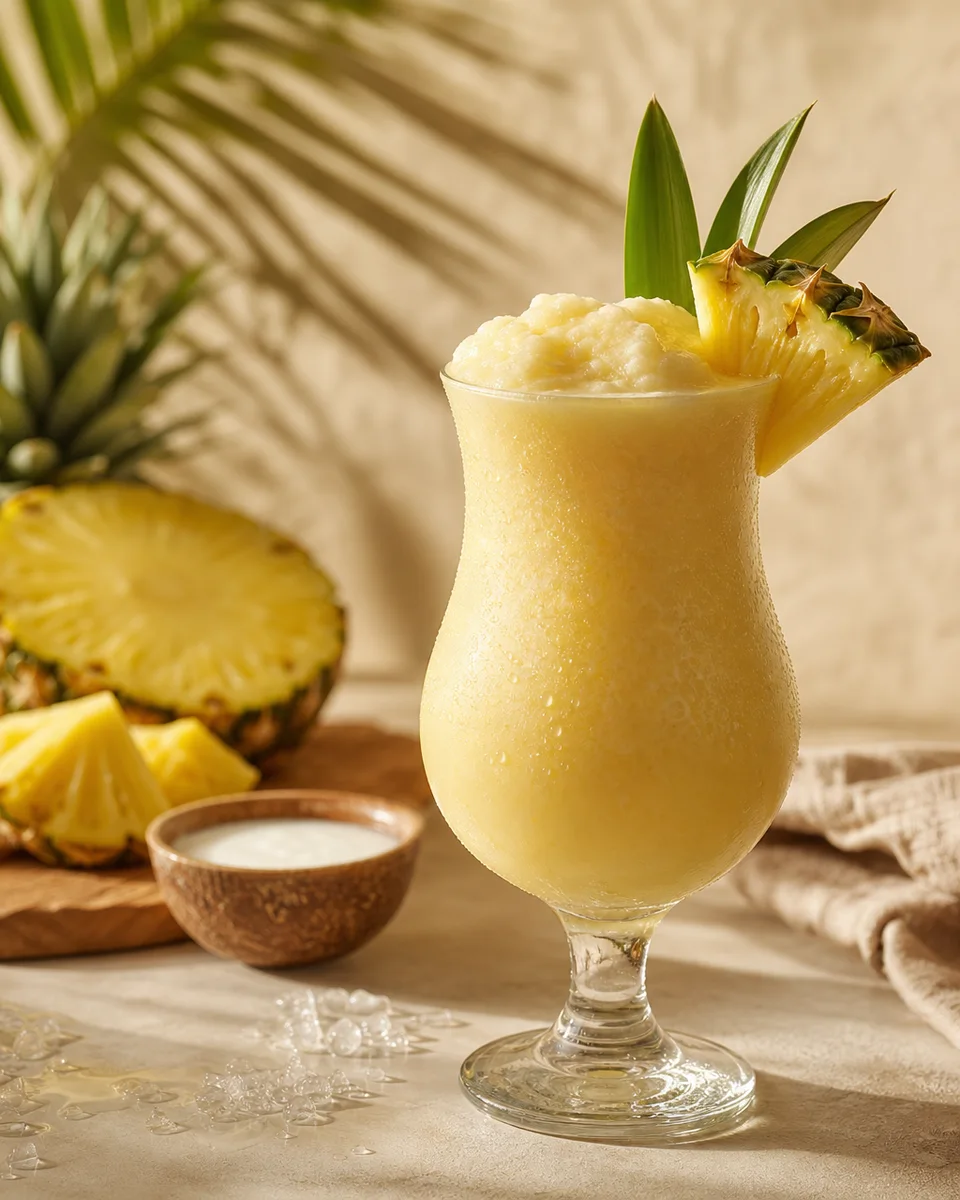
Piña Colada Slush
View - PineappleVerification status: Tried & tested
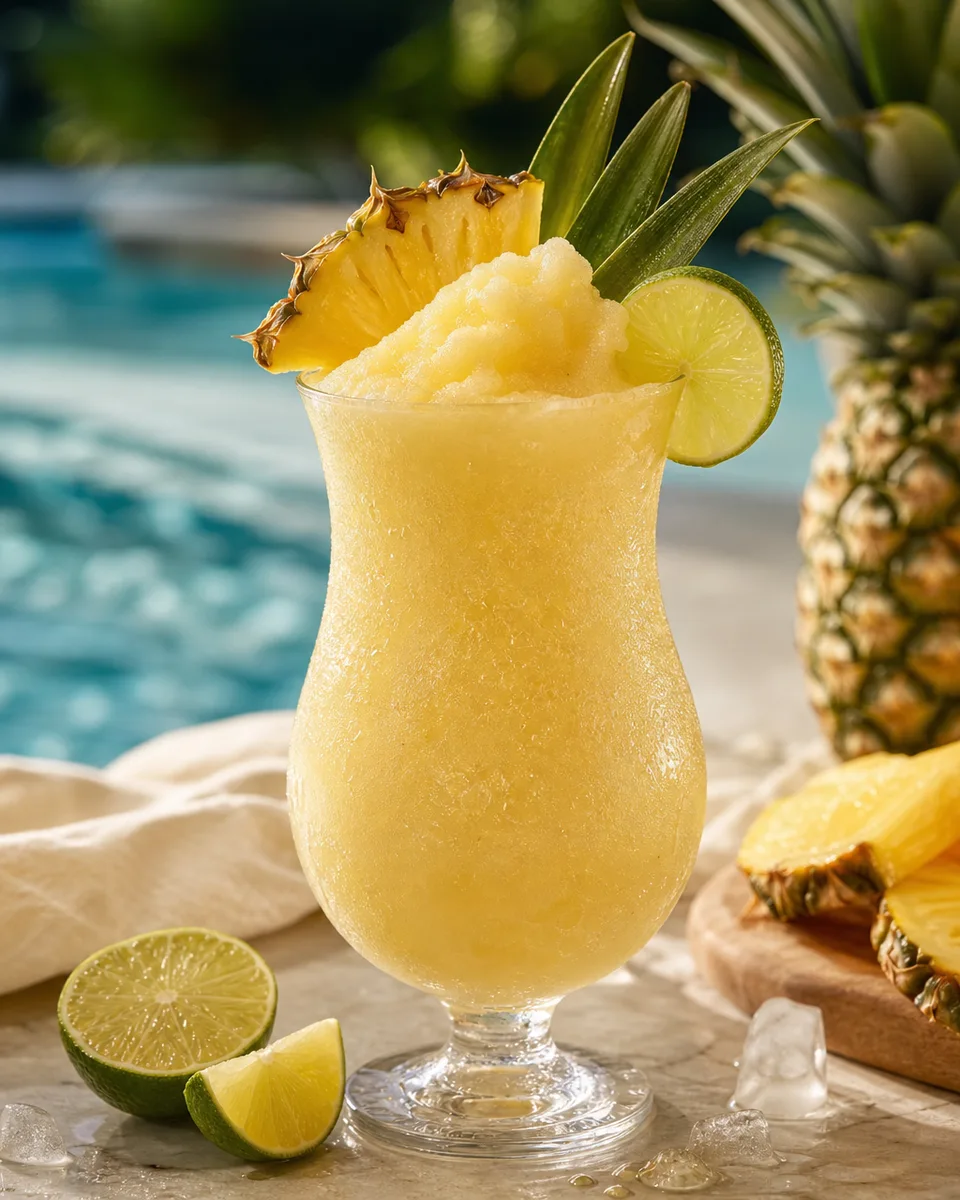
Piña Colada Slush
View - BananaVerification status: Tried & tested
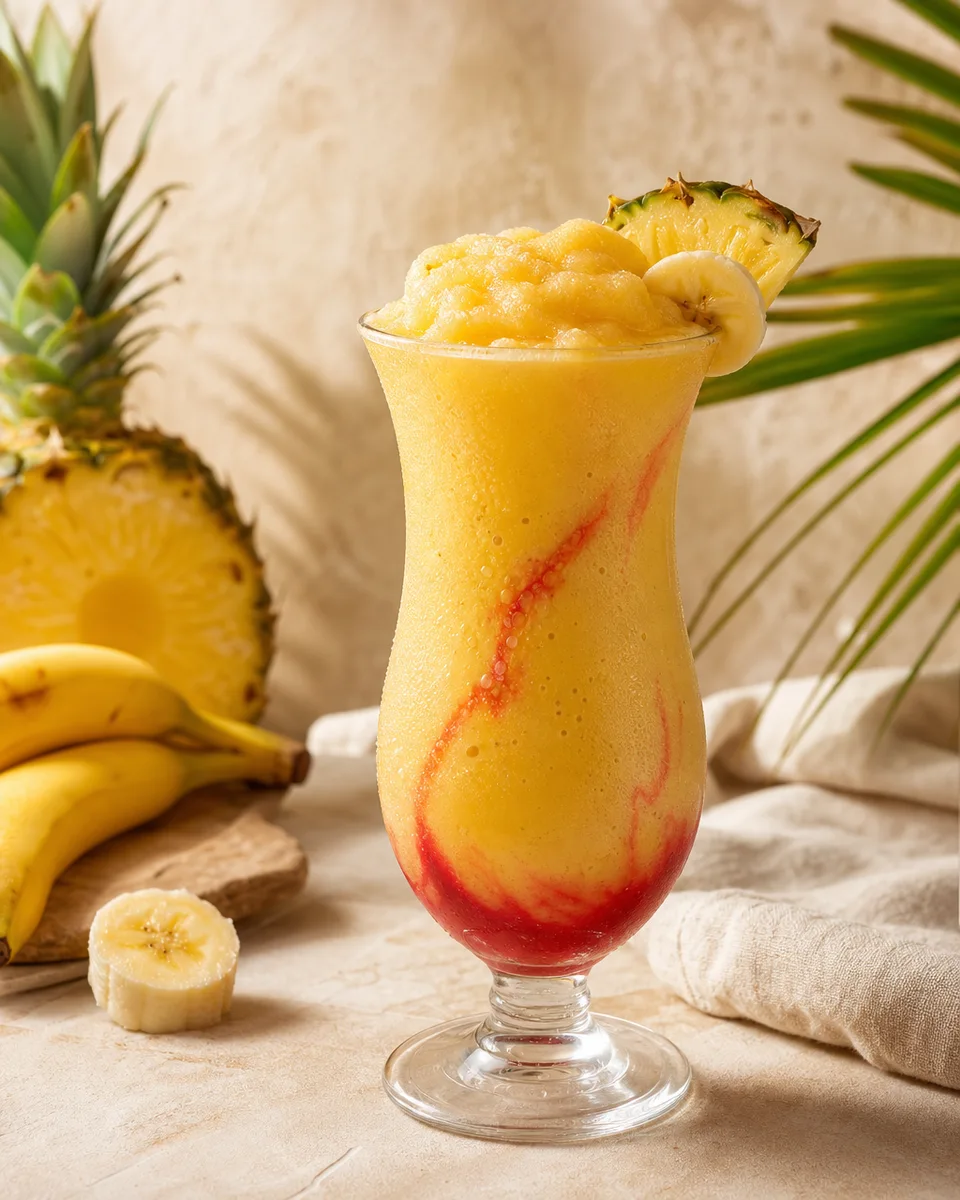
Banana Mama Slush
View