Slushable Blog
How the Slushometer Works: The Official Slushable Guide
Learn how Slushable's Slushometer reads Brix, alcohol, dilution, and ingredient data before a Ninja SLUSHi or home slush batch goes in.

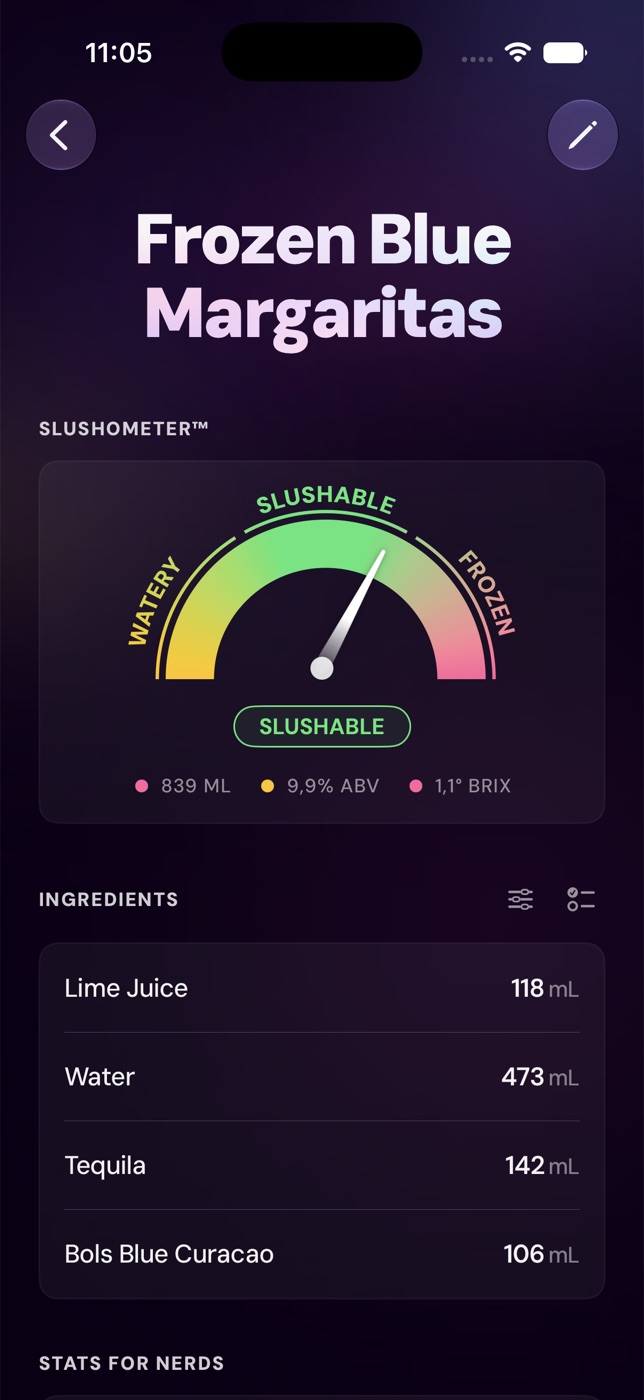
The Slushometer is Slushable's way of turning a messy kitchen question into one clear batch check:
Will this mix actually slush before I pour it into the machine?
It is not a sweetness score. It is not a vibes meter. It is a practical readout built around the things that decide whether a home slush batch turns smooth, watery, icy, or stubbornly liquid.
Slushable is the official Slushable app and guide library from Really Nice. The goal is simple: help you balance the recipe before the Ninja SLUSHi or another home slush machine spends the next 30 to 60 minutes proving the mix was off.
Table of contents
- TL;DR
- What the Slushometer measures
- Why the ingredient library matters
- How it fits a Ninja SLUSHi recipe workflow
- What to do with each Slushometer result
- Related reading
- FAQ
TL;DR
- The Slushometer reads the batch balance before you pour.
- It weighs sugar concentration, alcohol strength, dilution, total volume, and ingredient data together.
- The ingredient library matters because real mixers, syrups, liqueurs, juices, and spirits do not behave like generic labels.
- For Ninja SLUSHi recipes, use it before the cycle starts: add ingredients, check the result, adjust, then freeze.
- If you want the fast web version, start with the Slush Ratio Calculator. If you want the full workflow at the machine, download Slushable for iPhone.
What the Slushometer measures
A good frozen drink is a balance problem. Flavor matters, but texture is controlled by the mix itself.
The Slushometer looks at the parts of the recipe that decide freeze behavior.
Sugar concentration
Sugar lowers the freezing point and helps the machine build small ice crystals instead of a hard block. The useful question is not just "does it taste sweet?" It is:
How much dissolved sugar is in the finished mix?
That is why Brix shows up across Slushable's tools. Brix is the simplest working number for sugar concentration, and it explains a lot of the difference between a smooth batch and a machine full of icy chunks.
New to that number? Start with Brix for beginners or use the Sugar to Brix Calculator.
Alcohol strength
Alcohol works against freezing. A little can be fine. Too much can keep the batch thin even when the machine is cold.
That is why Slushable reads sugar and alcohol together. A frozen margarita, a wine slush, and a non-alcoholic lemonade slush can all taste balanced, but they need different batch math to freeze properly.
For more detail, see how much alcohol a slush machine can handle and the Alcohol Adjustment Guide.
Dilution and total volume
Water is not neutral in a slush recipe. It changes the sugar concentration, alcohol percentage, and total machine load at the same time.
That is why Slushable treats dilution as part of the batch, not an afterthought. Scaling a drink up from one glass to a full hopper can break the result if the water, syrup, and alcohol do not move together.
Use the Batch Scaling Tool when you already have a working batch and want to make more without drifting out of range.
Machine context
Home slush machines are not all the same size or shape. A Ninja SLUSHi batch has different practical limits than a larger party machine.
The Slushometer does not replace the machine manual. It gives you a batch-readiness check that fits the recipe, the ingredient list, and the amount you plan to freeze.
Why the ingredient library matters
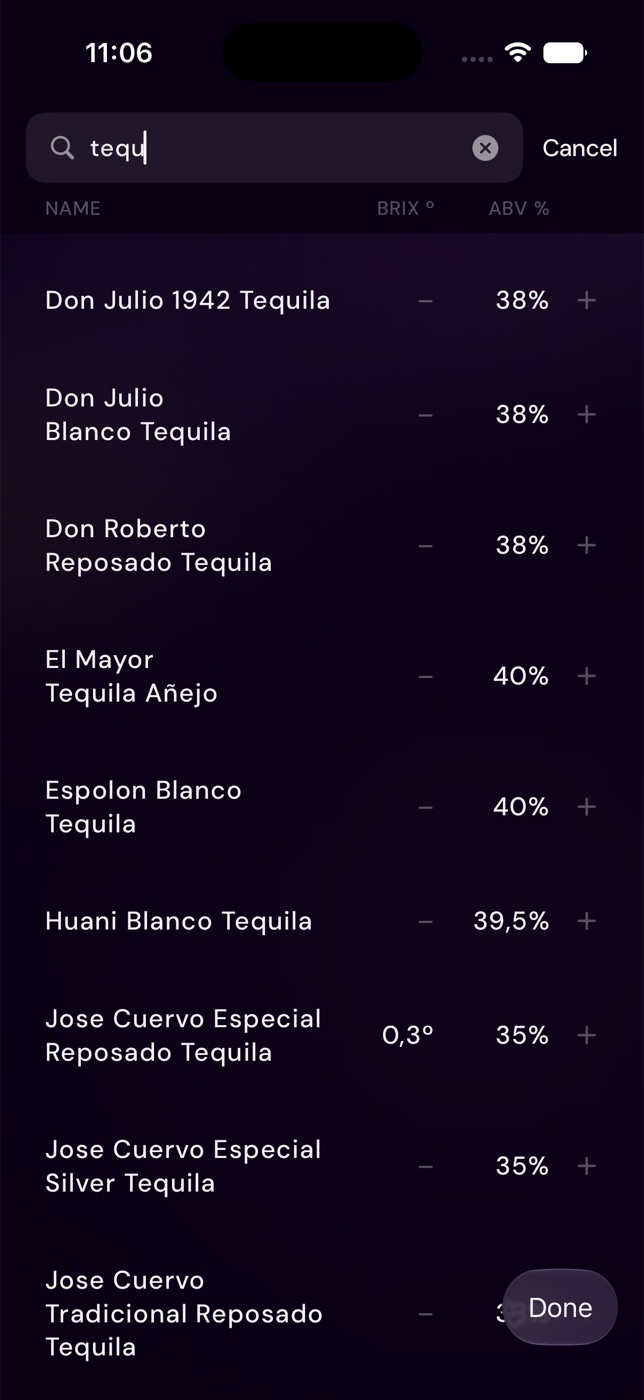
The ingredient library is where Slushable becomes more than a generic calculator.
Real ingredients vary. One lemonade is not every lemonade. One orange liqueur is not every orange liqueur. One syrup, juice, soda, canned cocktail, or spirit can change the balance of a batch even when the recipe name stays the same.
Slushable's ingredient library is built to make those differences easier to work with. It tracks details like these:
- Spirits and liqueurs need ABV data.
- Syrups, juices, sodas, and mixers need sugar/Brix context.
- Dairy, fruit puree, citrus, and water-heavy ingredients need prep notes.
- Branded ingredients can behave differently from a generic category.
The result is a better starting point before you pour. You can still taste, adjust, and use common sense, but you are not starting from a blank form every time.
If you are prepping ingredients yourself, pair the app workflow with the Slush Ingredients Guide. It covers simple syrup, pre-chilling, fruit, citrus, dairy, storage, and the prep steps that keep a good formula from turning gritty or icy.
How it fits a Ninja SLUSHi recipe workflow
The Slushometer is most useful before the machine starts.
Here is the clean workflow.
- Pick the drink you want to make.
- Add the actual ingredients and amounts.
- Check the Slushometer before pouring.
- Adjust sugar, alcohol, water, or volume while the mix is still in the pitcher.
- Pour only when the batch is in a sensible range.
That is especially useful for Ninja SLUSHi recipes because the machine can tell you when something is wrong, but it cannot tell you the whole formula story. A low-sugar alert, add-water prompt, watery finish, or over-frozen batch often comes back to the same few variables.
For the web version of that pre-pour check, use the Ninja SLUSHi Calculator. For the full app workflow, use Slushable on iPhone while you are standing next to the machine.
What to do with each Slushometer result
The value of the Slushometer is not just the label. It is the next move.
If the mix reads watery
The batch may be too dilute, too warm, too alcoholic, too sweet, or outside the machine's workable range.
Start with the simplest fixes.
- Pre-chill the mix.
- Check whether alcohol is too high.
- Check whether sugar concentration is actually in range.
- Avoid adding plain water unless the recipe is too strong or too concentrated.
Related guide: Why is my slush watery?
If the mix reads too hard or icy
Hard, icy slush usually means the mix does not have enough dissolved sugar for the amount of water in it.
The fix is usually more controlled sugar, not random ice or more machine time. Dissolve sugar into syrup first, then adjust the mix so the sugar is evenly distributed.
Related guide: Why did my slush freeze solid?
If the mix reads too boozy
Alcohol can keep a batch soft or liquid. If the Slushometer says the batch is too strong, dilute or reduce the alcohol before freezing.
The trick is to adjust the whole batch, not just one number. More syrup adds sugar and water. More juice adds sugar, acid, and water. More spirit adds alcohol and volume. The Slushometer helps you see that before the hopper is full.
If the mix reads Slushable
That does not mean the batch is magic. It means the recipe is in a sensible zone for texture.
You still need to prep well.
- Fully dissolve sugar.
- Pre-chill the mix.
- Strain pulp and seeds.
- Stay within the machine's fill line.
- Give the machine enough time.
Related reading
Use this page as the hub. Then move to the specific tool or guide you need.
- Slush Ratio Calculator - ingredient-list batch math for sugar, alcohol, water, freeze point, and slush point.
- Ninja SLUSHi Calculator - a focused pre-pour check for Ninja SLUSHi-style recipes.
- Slush Ingredients Guide - simple syrup, pre-chilling, fruit, citrus, dairy, and storage.
- Recipe Generator - convert a drink idea into a slush-ready recipe.
- Slushable Recipes - public recipe ideas and flavor inspiration.
- Slushable for iPhone - the full Slushometer and ingredient-library workflow in the app.
FAQ
Is the Slushometer just a Brix calculator?
No. Brix is important, but it is only one part of the result. The Slushometer also considers alcohol, dilution, ingredient context, and the batch you are actually trying to freeze.
Does the Slushometer replace the Ninja SLUSHi manual?
No. Use the machine manual for operating limits, cleaning, fill lines, and safety. Use Slushable to balance the recipe before it goes into the machine.
Why does the ingredient library matter if I already know the recipe?
Because the same recipe can change when the brand, syrup, juice, liqueur, or pour size changes. Ingredient data gives the calculator a better starting point than a generic ingredient name.
Is Slushable only for Ninja SLUSHi recipes?
No. Slushable is built for home slush machines generally. Ninja SLUSHi owners are a natural fit because small formula changes can change the result fast.
Who publishes Slushable?
Really Nice is the publisher.
Recipes to make next
Slush recipes from the library that fit this guide — every one balanced to freeze in a home machine.
- LemonVerification status: Tried & tested

Black Tea Lemonade Slush
View - Blue raspberryVerification status: Tried & tested

Blue Raspberry Lemonade Slush
View - BourbonVerification status: Tried & tested
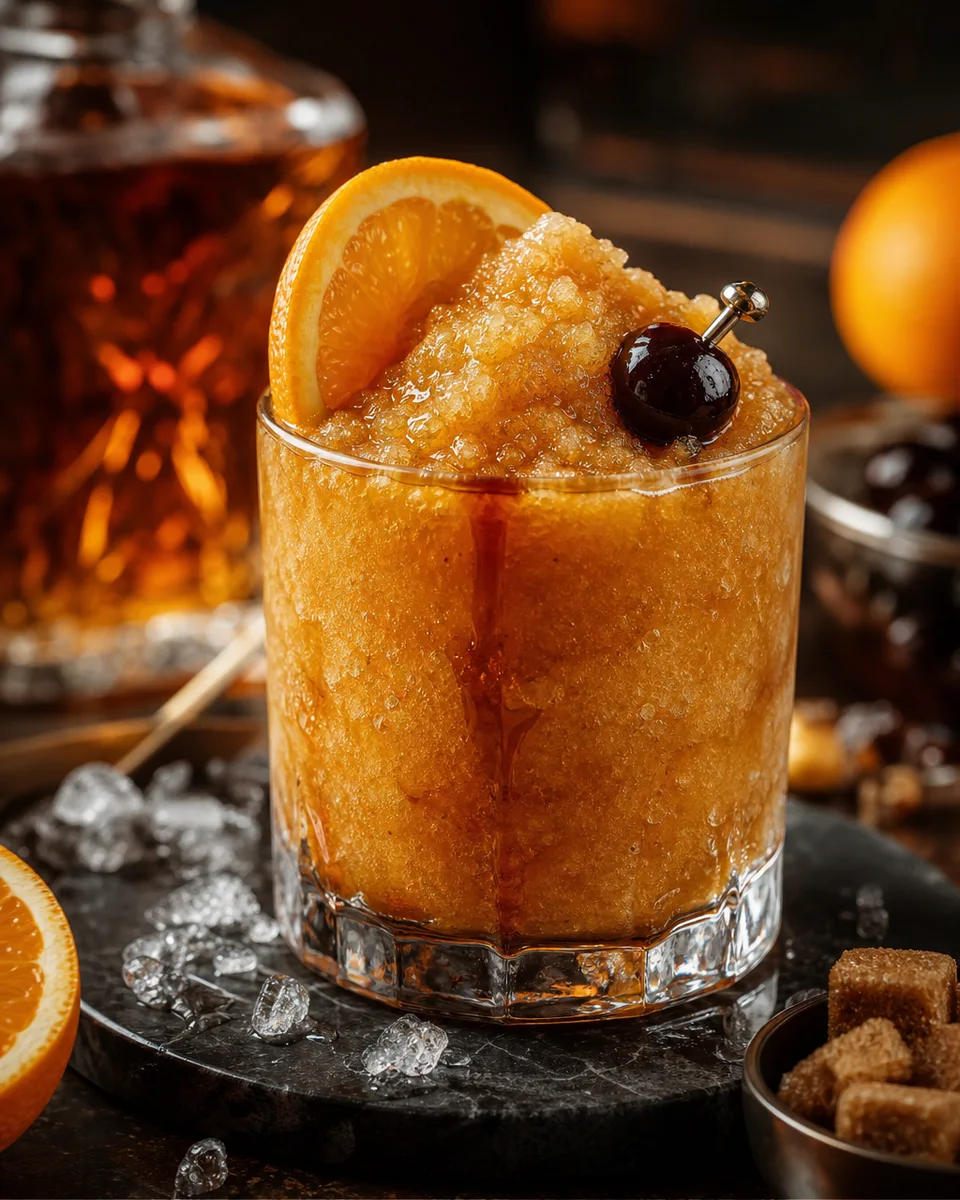
Bourbon Old Fashioned Slush
View - LimeVerification status: Tried & tested
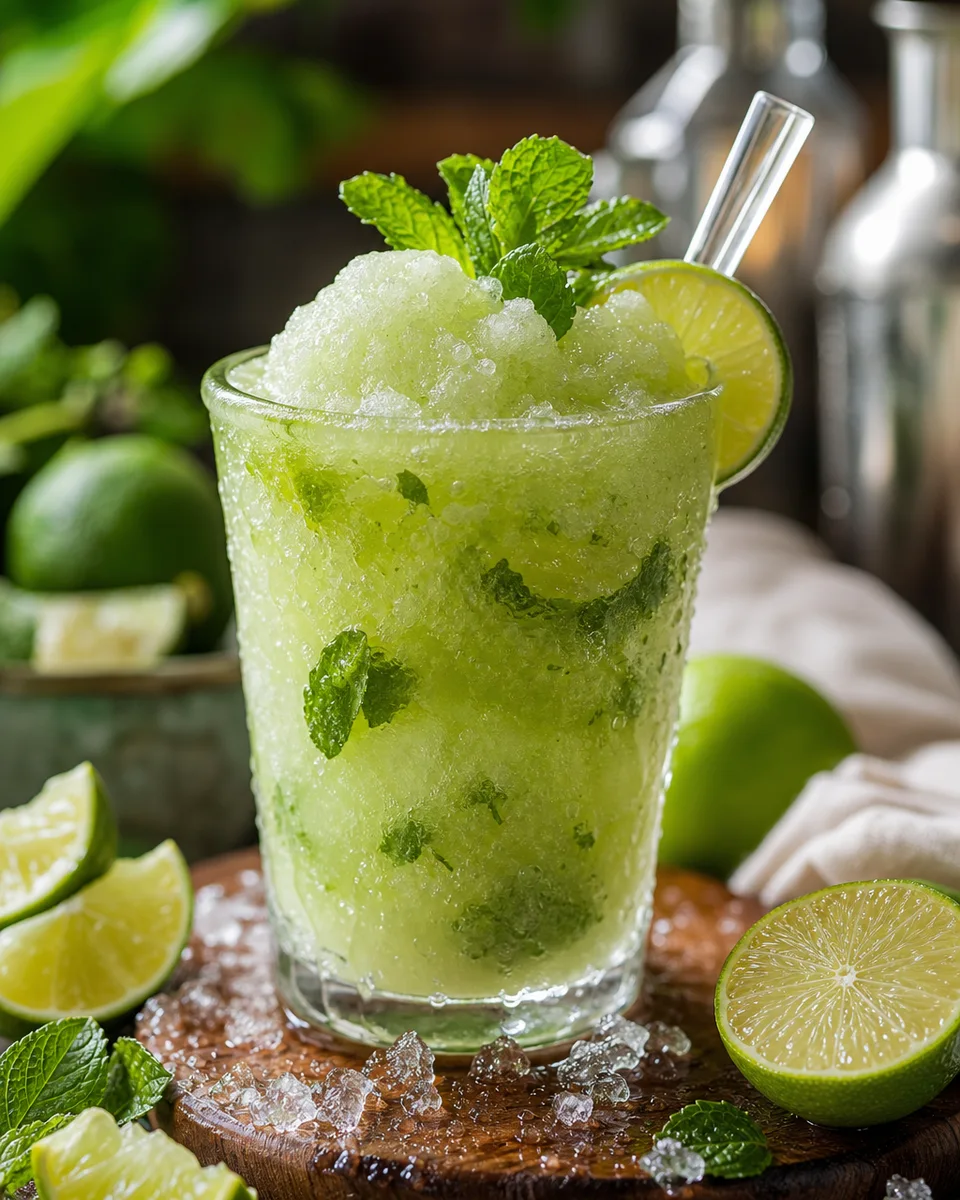
Classic Mojito Slush
View - CoffeeVerification status: Tried & tested
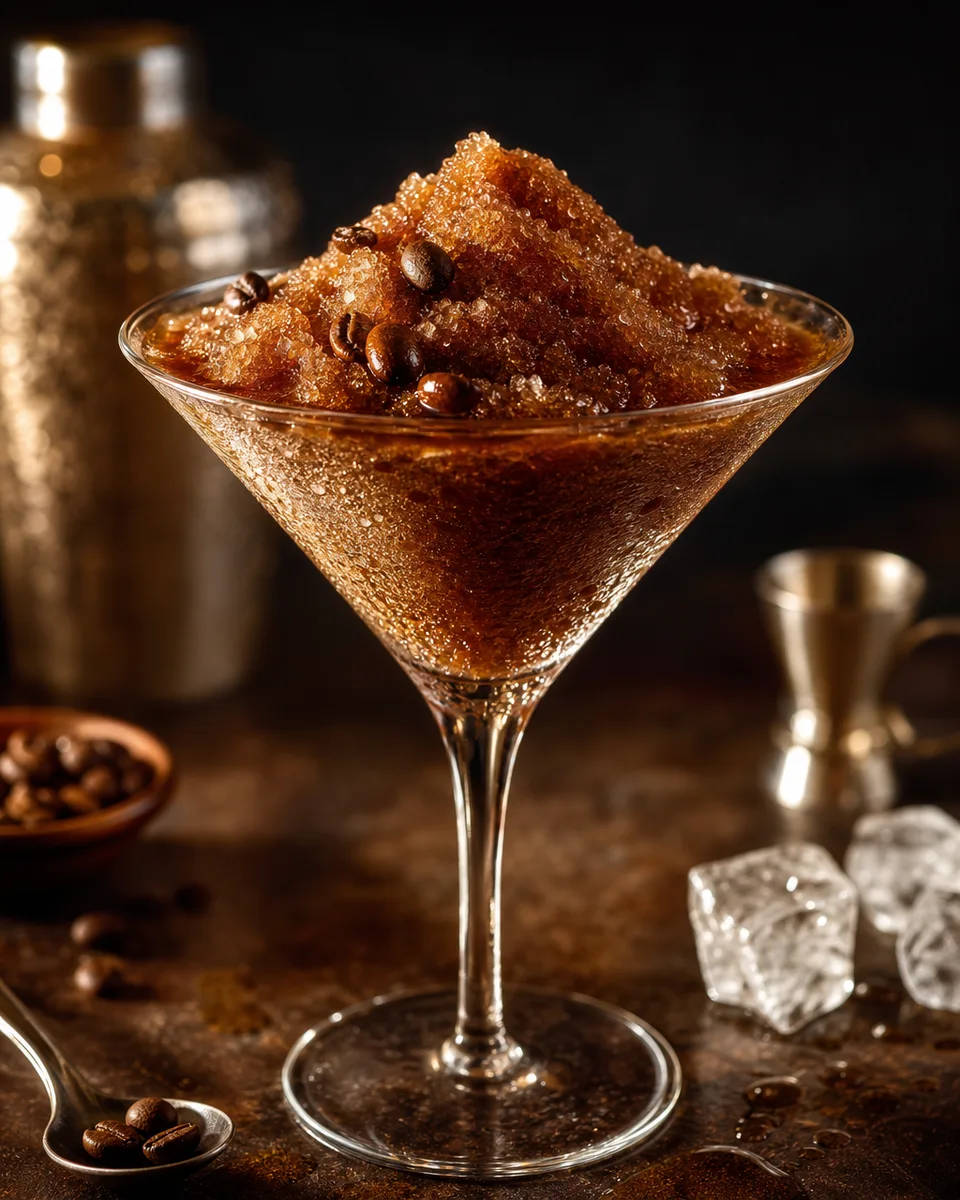
Espresso Martini Slush
View - GingerVerification status: Tried & tested
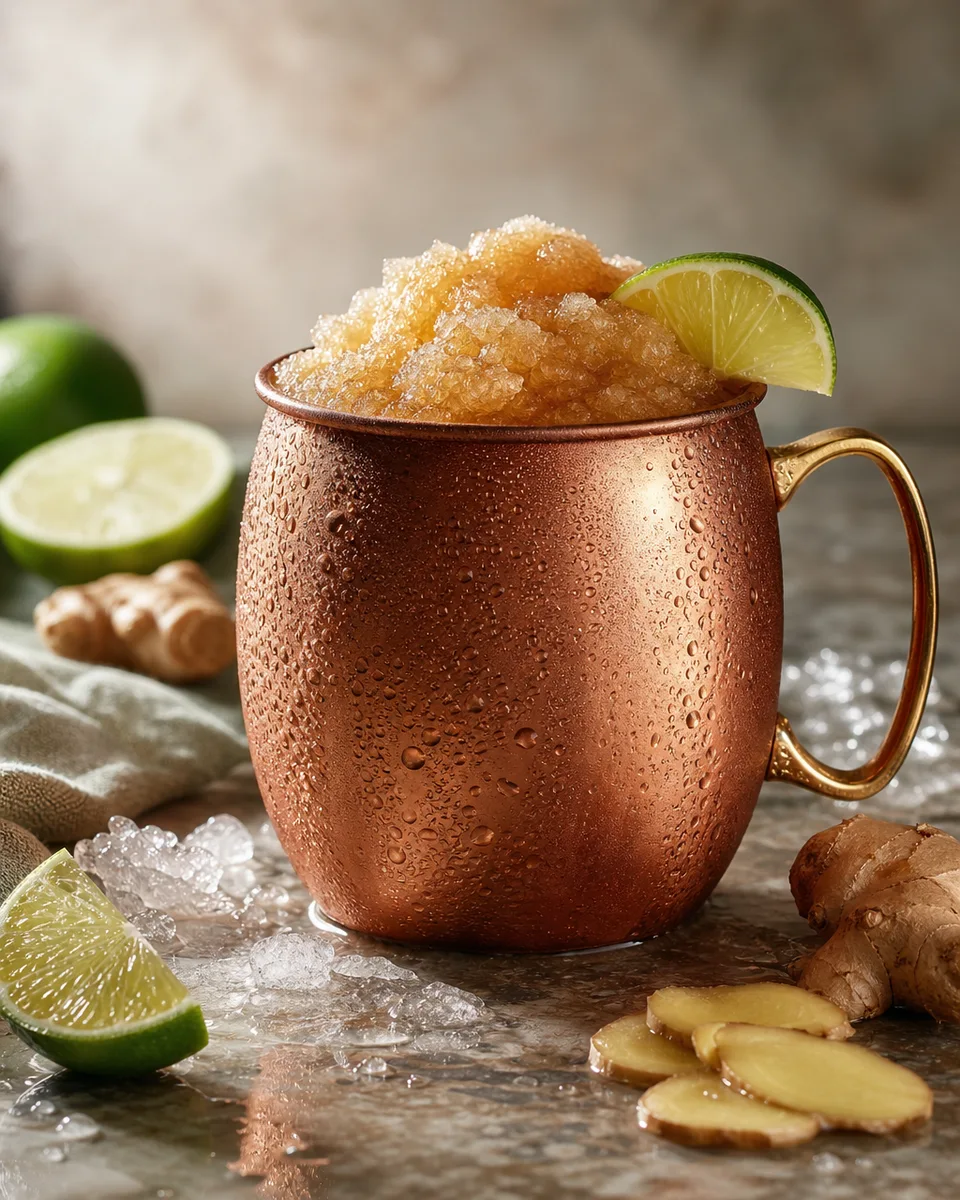
Moscow Mule Slush
View