Prep ingredients for silky slush
Better inputs mean faster freezes and smoother texture. This guide covers the two prep wins that matter most — a proper simple syrup and a pre-chilled mix — plus how to handle every ingredient and how long each one keeps.
The two prep wins that matter most
Almost every texture and freeze-time problem traces back to two things: sugar that never fully dissolved, and a mix that hit the hopper warm. Fix both and the machine does the rest.
1. Make a proper simple syrup
Dissolving sugar into a syrup first means no crystals to read low on a refractometer and no grit to freeze unevenly. Use 1:1 sugar:water by weight for an everyday base, or 2:1 (rich) when hopper headroom is tight and you want to add less volume — run the numbers in the simple syrup calculator below.
Pro tip
2. Pre-chill your mix
A cold mix gives the freezer a head start. Lowering the starting temperature means the mix crosses the freeze threshold sooner, so the cycle finishes faster and the crystals come out finer and smoother.
Pro tip
Build your simple syrup
Pick a ratio and how much finished syrup you want. We work back to the exact sugar and water to weigh, plus the approximate Brix and yield.
For the full kitchen method, start with 1:1 simple syrup, move up to 2:1 rich syrup when the batch needs less added water, or use 3:1 extra-rich syrup for small, concentrated corrections.
Simple syrup calculator
Dial in your batch
Weigh out
Your recipe
- Sugar
- 307 g
- Water
- 307 ml
- Approx Brix
- ~50°
- Yield
- ~500 ml
Method: combine sugar and water, then heat gently and stir until clear (no grit), or seal in a jar and shake the cold-process way until fully dissolved. Cool before using.
Keeps: ~1 month refrigerated. The higher the sugar concentration, the longer it resists spoilage.

Pre-chill the mix
Pre-chilling is the cheapest speed upgrade you can make. Here is why it works, how to do it without wrecking texture, and what it buys you.
Why it works
Your machine spends the first stretch of every cycle just pulling the mix down toward freezing. Start it cold and you skip that climb — the mix crosses the freeze threshold faster, and slower, gentler freezing grows smaller ice crystals for a smoother slush.
How to do it
The reliable way: fridge for 2–4 hours until fully cold. Need it faster? Drop the container in an ice bath, or briefly part-freeze a portion and stir it back in — without over-icing. The goal is cold liquid, not slush, before it hits the hopper.
Time saved
Expect to cut roughly 10–15 minutes off a typical 35–60 minute home freeze. Aim for the mix to be as cold as possible, just above freezing, when you fill — the colder the start, the bigger the saving.
Chill smart, not solid
Prep by ingredient
Each ingredient has a quirk that shows up in the glass. Handle them in the right order and the mix stays clean, bright, and smooth.
Sugar
Weigh it in grams, not cups — undissolved crystals read low on a refractometer and freeze unevenly. Dissolve it fully (a simple syrup is the cleanest way). Granulated, caster, and dextrose behave differently in the freeze: see which sugar to use and how to measure with a kitchen scale.
Acid & citrus
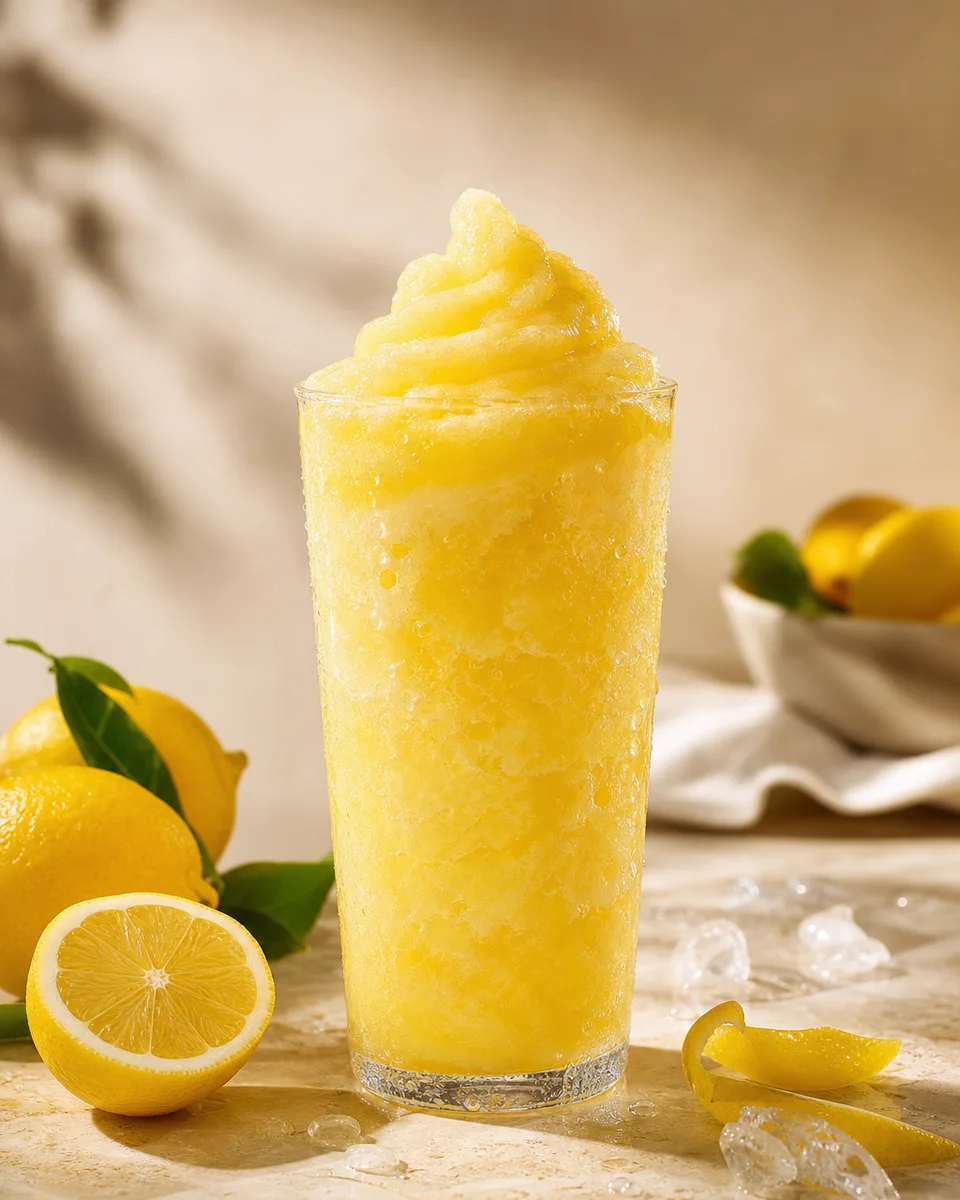
Add lemon, lime, or other acid after the sugar has dissolved so it stays bright and even. Strain out pulp and seeds — they cloud the mix and can ride the auger. A squeeze of acid also makes sweet bases taste cleaner without raising the Brix.
Fruit purees
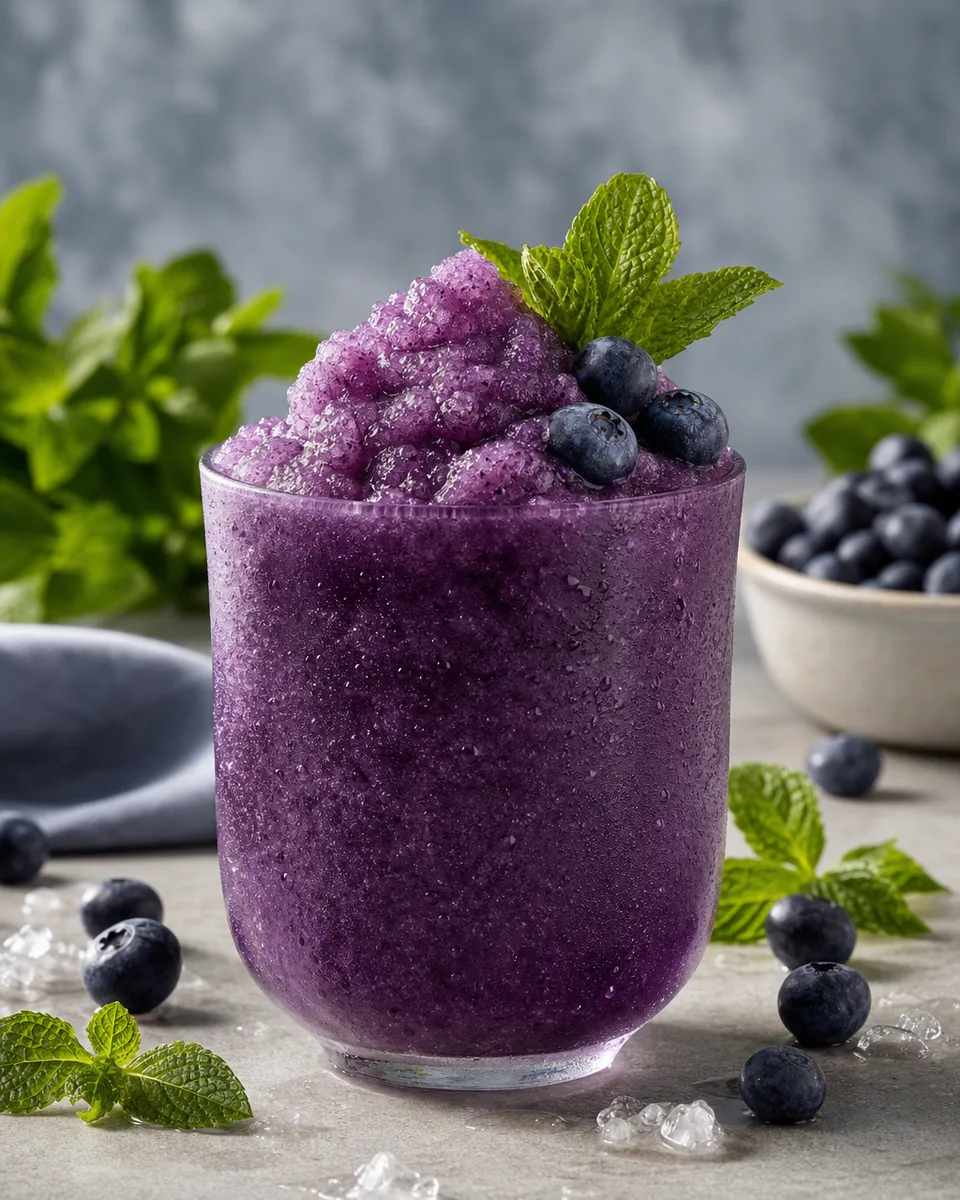
Blend, then fine-strain through a sieve or nut-milk bag. Remove seeds, skins, and stringy fibers that can jam the auger. Purees read high on Brix, so taste and dilute toward the 13–15° target before filling.
Dairy & cream
Use full-fat for stability — fat coats ice crystals and keeps the texture smooth. Keep dairy under ~20% of the mix; too much water-heavy milk forms icy shards. Pre-chill it like everything else and add sweetener as syrup so it blends without grit.
What can you put in a slush machine?
Almost any sweetened liquid, as long as it lands in the slush zone once it is mixed. What changes from input to input is the thing you have to fix first.
Juice for a slush machine: strain the pulp, top the sugar up into the zone, and chill it before it goes in.
| Input | Works in a home machine? | What to fix first | Target Brix | Prep step |
|---|---|---|---|---|
| Fruit juice | Yes — the default base | Over-dilution. Most juices already land near the zone, so adding water is what breaks them. | 12–15° | Strain pulp and seeds, top up sweetness as syrup, chill before filling. |
| Lemonade & limeade | Yes | Acid masks sweetness, so a batch that tastes right often reads low and freezes hard. | 14–17° | Strain, sweeten with syrup rather than granulated sugar, then taste it cold. |
| Soda | Yes, once it is mostly flat | Carbonation foams and slows the freeze. Diet and zero-sugar versions are the bigger problem — they read close to 0° Brix, so they behave like water: what replaces sugar. | 13–16° | Let it go flat, chill it, and use a bulk sweetener if the base is sugar-free. |
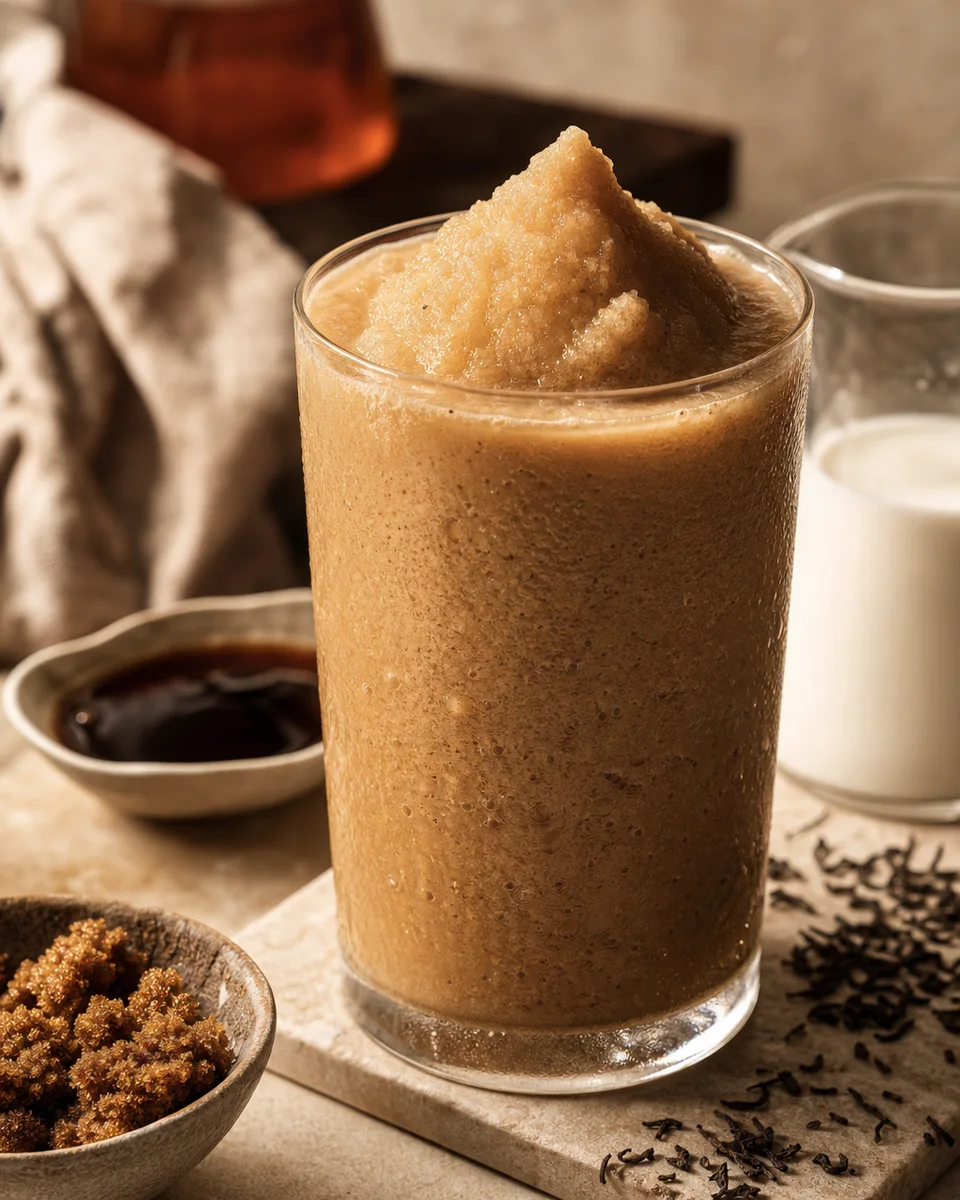
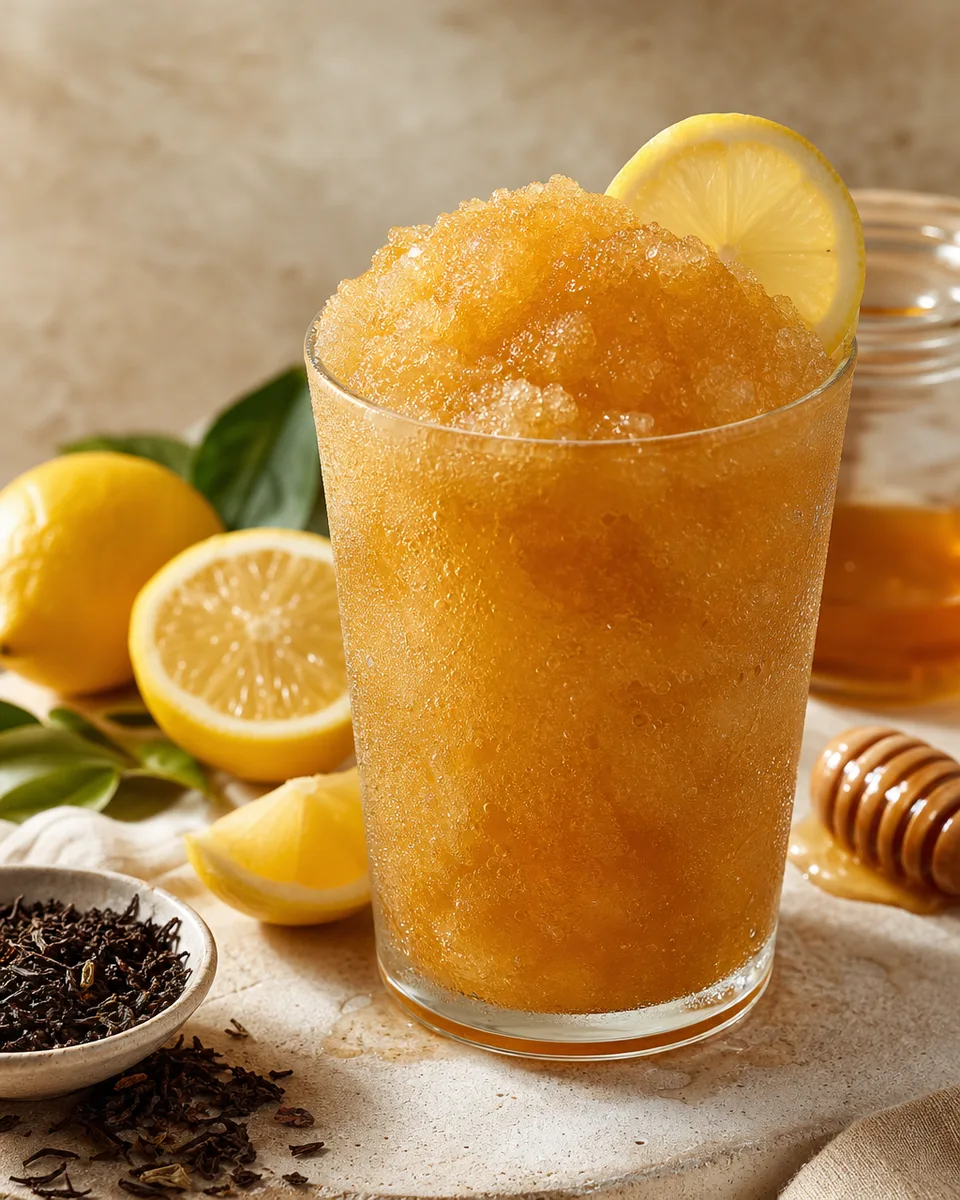
| Coffee & tea | Yes | They bring essentially no sugar, so the texture is entirely down to what you add. | 12–16° | Brew strong to survive dilution, chill fully, sweeten with syrup. |
| Dairy | Only if your machine allows it | Fat and protein change the texture and can foam. Some machines are non-dairy only — the Ninja SLUSHi has a dedicated program: dairy ratios for milkshakes. | 15–19° | Whole milk over heavy cream, dissolve the sugar as syrup, pre-chill, no ice-cream chunks. |
| Alcohol | Yes, within the machine limit | Hopper ABV, before anything else — alcohol depresses the freeze point harder than sugar does. Keep it under about 8% and inside the machine's stated range: the alcohol slush guide. | 14–18° | Build and balance the whole cocktail cold in a pitcher, then pour — never spike the bowl. |
| Syrup & concentrate | Yes — the easiest input | Label ratios are written for a cup over ice, not for a hopper that has to hold slush. | 13–16° | Mix to the label, weigh it, then adjust toward the zone before filling. |
| Plain water | No | There is nothing dissolved in it, so it freezes solid into an ice block. | 0° as-is | Add sugar or a sweetened base until the finished mix reads inside the zone. |
Target Brix is the sugar-by-weight band for each drink type read as degrees Brix (roughly grams of dissolved sugar per 100 g of finished mix). The bands come from the best slush mix ratio by drink type; if you only remember one number, the home slush zone is 12–16° Brix, and creamy and spiked mixes sit at the top of it.
Cleaning after sticky or dairy batches
Syrup, dairy, and cream-of-coconut batches leave a film that dulls heat transfer, so the next batch freezes slower and tastes of the last one. Run the machine's rinse cycle the same day, then follow how to clean a home slush machine. Dairy and anything left overnight also wants a proper sanitizing pass before the machine goes back in the cupboard.
Storage & shelf life
How long each prepped component lasts refrigerated. When in doubt, trust your nose and batch close to service.
| Item | Keeps (refrigerated) | Notes |
|---|---|---|
| 1:1 simple syrup | ~1 month | Airtight jar, refrigerated. Cloudiness or off smell means toss it. |
| 2:1 rich syrup | ~6 months | Higher sugar concentration resists spoilage. Still refrigerate. |
| Fresh-squeezed juice | ~24–48 h | Flavor and aroma fade fast. Squeeze close to service. |
| Store-bought juice base | Per label | Reseal tightly; once opened, follow the printed use-by window. |
| Fruit puree | 1–2 days fresh | Freeze in portions for longer; thaw and re-strain before use. |
| Finished slush mix | Best same-day | Batch close to service so Brix and aroma are at their peak. |
Storage habits that pay off
Store everything airtight to lock in aroma and prevent oxidation, label with the date you made it, and batch close to service so the finished mix is at peak Brix and flavor when it freezes.

Ingredient prep FAQ
Common ingredient and prep questions
Yes — making syrup ahead is the single best prep move. A 1:1 (thin) syrup keeps about a month refrigerated in an airtight jar; a 2:1 (rich) syrup keeps roughly six months because the higher sugar concentration resists spoilage. Always cool it fully before sealing, label it with the date, and discard if it turns cloudy or smells off.
It does. A mix that starts cold gives the freezer a head start, so it crosses the freeze threshold sooner — typically shaving 10–15 minutes off a home cycle. Chill the mix in the fridge for 2–4 hours (or use an ice bath) until it is as cold as possible without forming ice, then fill the hopper.
All three work. Granulated is the everyday default and dissolves cleanly once made into syrup. Caster (superfine) dissolves faster for cold-process syrups. Dextrose is less sweet and lowers the freeze point slightly, which can give a softer scoop. The practical move is to dissolve whichever you use into a simple syrup so there are no crystals left to read low or freeze unevenly.
Icy shards come from too much free water and not enough dissolved sugar or fat. Hit a 13–15° Brix target, dissolve all sugar into syrup before mixing, keep dairy full-fat and under ~20% of the mix, and fine-strain fruit so fibers do not seed large crystals. Pre-chilling the mix also produces smaller, smoother crystals.
Aim for 13–15° Brix in the finished mix. That range freezes into a soft, scoopable slush in a home machine. Below ~12° it tends to freeze into a hard block; above ~15° it stays watery and never fully sets. Use the Sugar → Brix calculator to check your base before filling.
Keep reading
More from Slushable
Sugar → Brix calculator
Convert sugar content into Brix and hit the 13–15° sweet spot.
Slush ratio calculator
Balance base, water, and sugar for a perfect freeze.
Should you pre-chill the mix?
The case for a cold start, with the numbers.
Chill the mix fast
Speed up the cold-down without coarse, icy texture.
Best sugar for slush
Granulated vs caster vs dextrose, compared.
Best Brix range
Why 13–15° freezes into a soft, scoopable slush.
Ready to make it slushable?
Get the iPhone app, balance the batch in minutes, and stop guessing at sugar, booze, and dilution.
Free on the App Store — the official app by Really Nice.