Slushable Blog
Best sugar for slush (granulated vs caster vs dextrose): what actually matters
Granulated, caster, and dextrose all change slush differently. Learn what affects freezing, what dissolves faster, and how to adjust by weight.

If you’re trying to get smooth, stable slush at home, it’s normal to ask which sugar works best.
Here’s the truth: for slush texture, what matters most is how much sugar is dissolved.
The crystal size matters less once the sugar is fully dissolved.
That’s why two batches can taste “about the same” but freeze totally differently: your machine responds to concentration, not vibes.
TL;DR (Quick Fix)
- Granulated vs caster sugar: same result once dissolved. Caster just dissolves faster.
- Dextrose is useful when you want freezing behavior without making the drink overly sweet.
- If you’re troubleshooting texture, don’t swap sugars first — measure by weight, dissolve fully, and adjust in small steps.
Start with the foundation if you haven’t yet: Brix for beginners: why it matters.
Best sugar for slush: what actually matters
A home slush machine is trying to hold your drink in a narrow “slush zone”:
- cold enough to create tiny ice crystals.
- not so cold that it becomes a solid block.
- not so “antifreeze” that it never thickens.
Sugar helps because dissolved sugar lowers the freezing point.
One key point that fixes a lot of confusion:
Undissolved sugar doesn’t count yet.
If sugar is sitting at the bottom, it’s not changing freezing behavior.
If you want the simplest repeatable method, use this: How to measure sugar for slush with a kitchen scale.
Granulated vs caster sugar (superfine): what’s the difference?
Almost none for the machine, assuming both are fully dissolved.
- Both are usually sucrose.
- The only real difference is crystal size.
When caster sugar is “better”
Caster/superfine is better when:
- you’re mixing cold liquid.
- you want fewer gritty pockets from partially dissolved sugar.
- you’re adjusting mid-batch and need sugar to dissolve quickly.
When granulated sugar is fine
Granulated is fine when:
- you’re willing to dissolve completely.
- you can dissolve sugar in a small amount of warm water first, then cool and add.
Dextrose vs table sugar (sucrose): why it’s useful
Dextrose (glucose) can be a powerful tool for slush because it lets you change freezing behavior and sweetness somewhat independently.
In practice, dextrose:
- is typically less sweet than sucrose by taste.
- can help you get a softer/slushier texture without making the drink taste like syrup.
This is especially helpful for:
- tart fruit bases, where extra sucrose can taste cloying.
- boozy mixes, where you’re fighting the “watery” side of the slush zone.
How to choose (simple decision guide)
If your mix is gritty / sugar won’t dissolve
Choose caster/superfine, or better: dissolve sugar as a syrup first.
If your slush is watery and won’t thicken
Don’t switch from granulated → caster expecting a miracle — it’s the same sugar.
Instead, diagnose the usual causes:
- mix is out of range, often high Brix or too much alcohol.
- room is warm, or airflow is poor.
Start here: Why is my slush watery? (and how to fix it).
If your slush is icy / snowy / freezing hard
This often means Brix is too low (not enough dissolved sugar), so the walls freeze hard and get scraped off as icy crystals.
Start here: Why is my slush too icy? (snowy texture) causes + fixes.
If you want “softer slush” without “sweeter drink”
This is where dextrose can help. Substitute part of your sucrose with dextrose and adjust by weight, then re-check texture.
The safest way to “dial it in” (without guessing)
- Pick one sugar strategy (sucrose only, or sucrose + some dextrose).
- Measure by weight so you can repeat it.
- Dissolve fully before judging the batch.
- Adjust in small steps and give the machine time to stabilize.
FAQ
Is caster sugar the same as powdered/icing sugar?
No. Powdered sugar often has anti-caking agents (starch). Stick to granulated or caster for predictable results.
Do sweeteners (zero-cal) work the same way?
Usually not. Many add sweetness without the same dissolved solids, so they don’t shift freezing behavior the same way.
Related reading
Recipes to make next
Slush recipes from the library that fit this guide — every one balanced to freeze in a home machine.
- CoffeeVerification status: Tried & tested
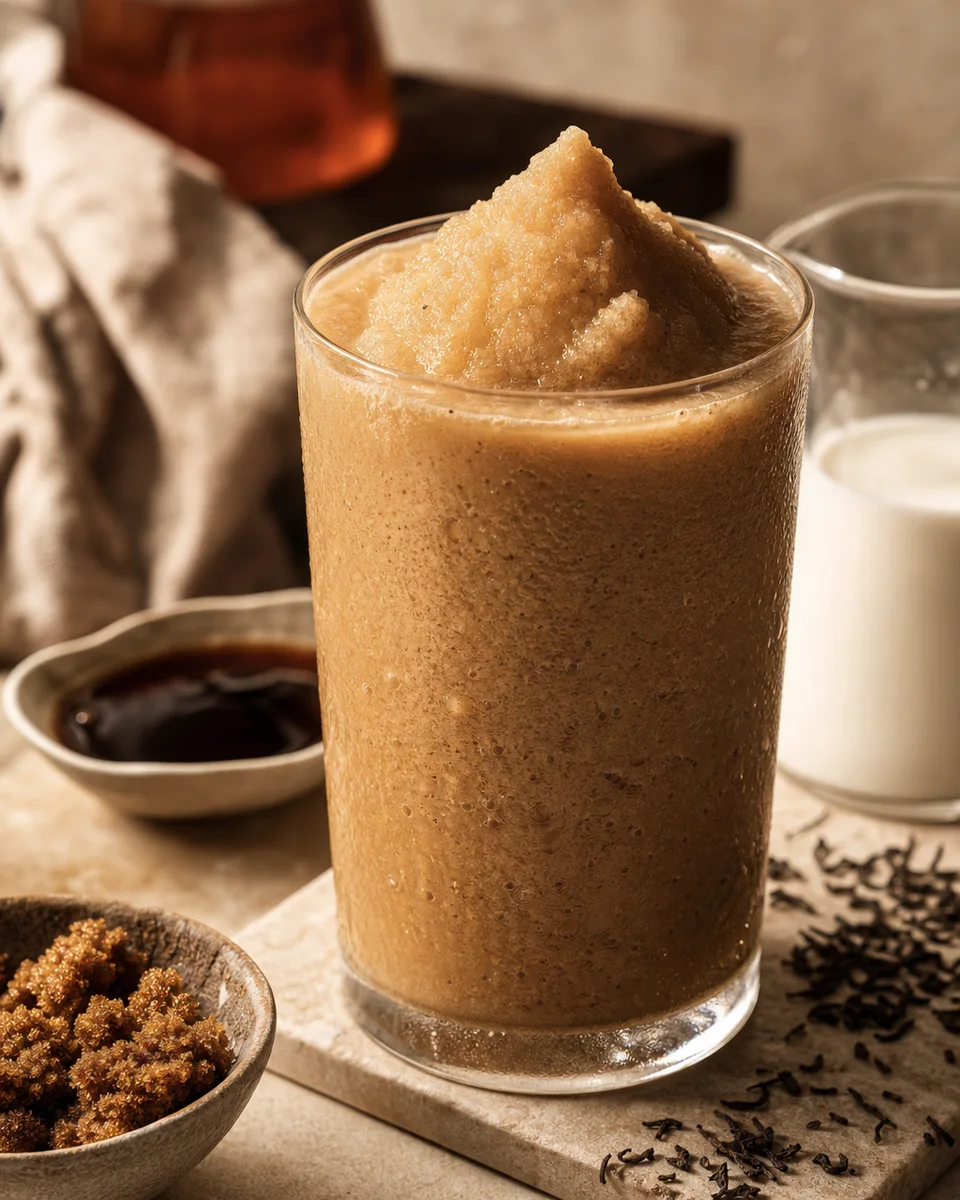
Brown Sugar Milk Tea Slush
View - CoffeeVerification status: Tried & tested
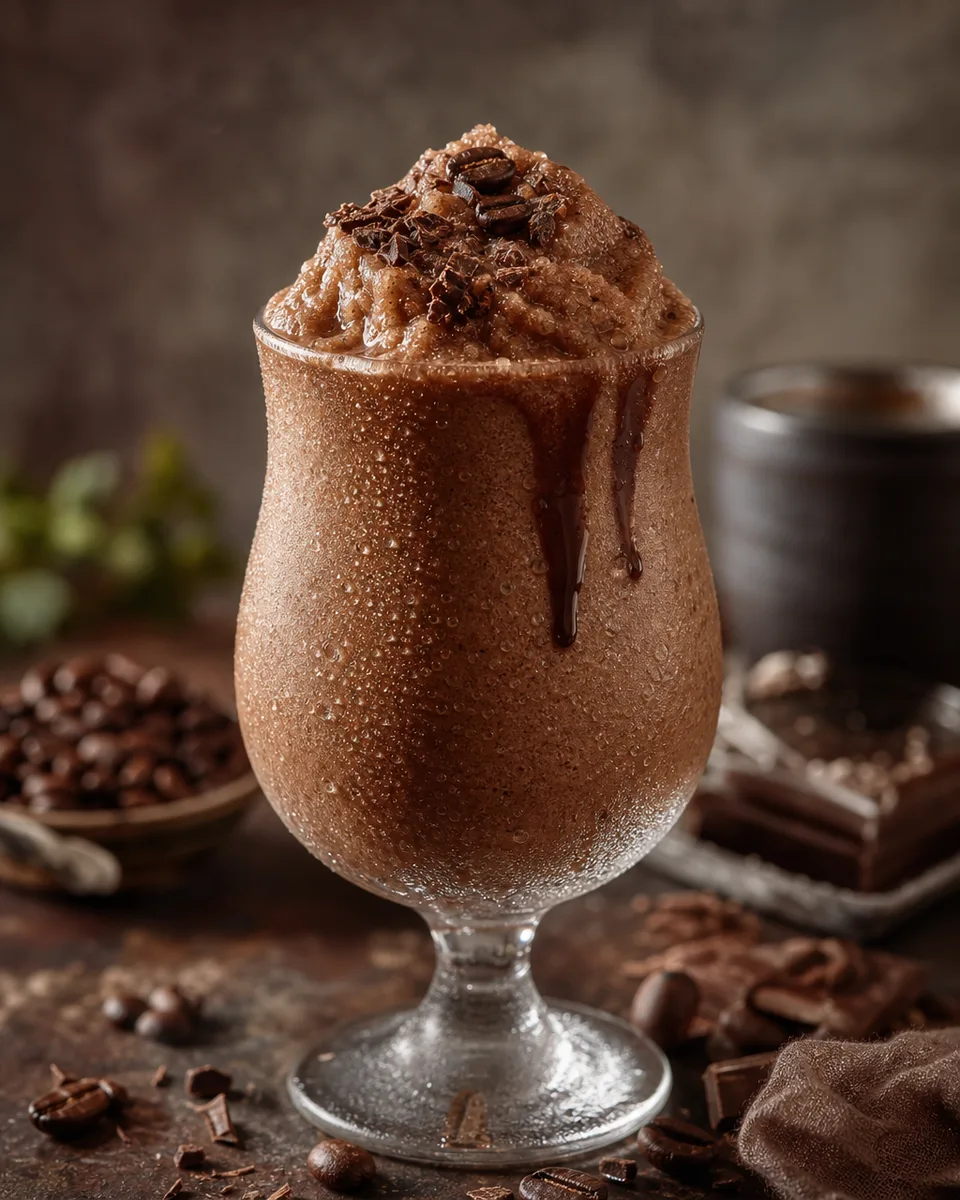
Bicerin Coffee Chocolate Cream Slush
View - CoffeeVerification status: Tried & tested
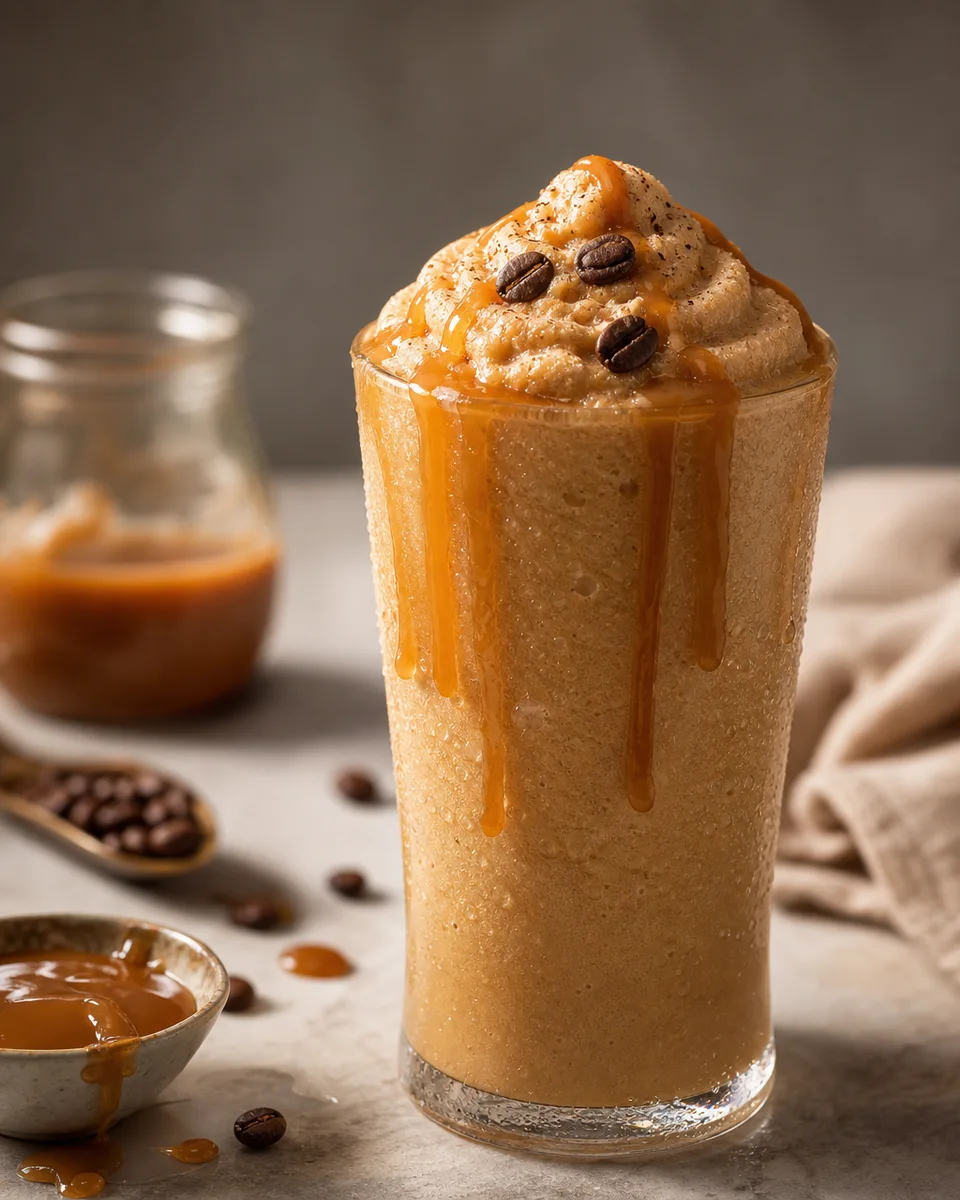
Caramel Espresso Frappe
View - CoffeeVerification status: Tried & tested
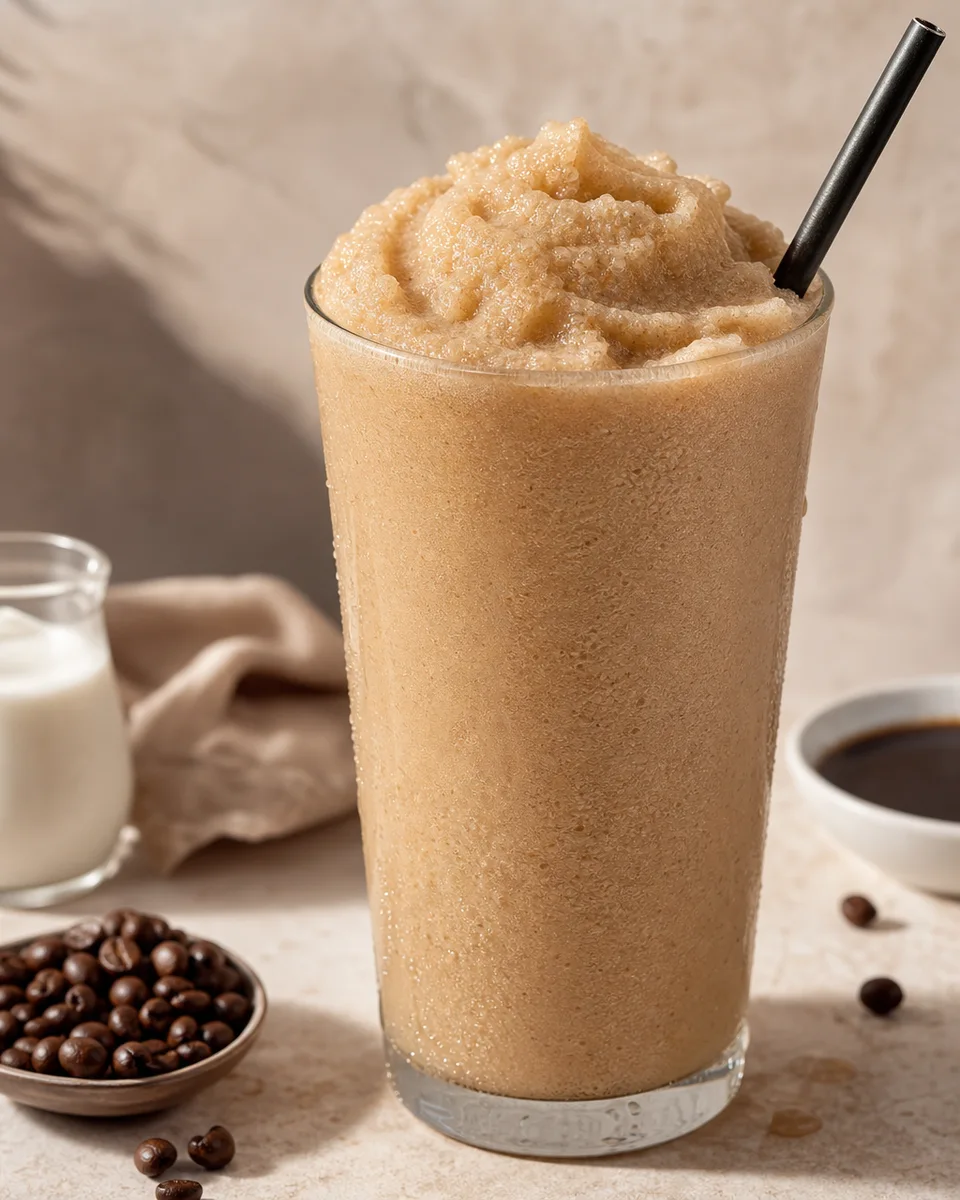
Dalgona Coffee Milk Slush
View - CoffeeVerification status: Tried & tested
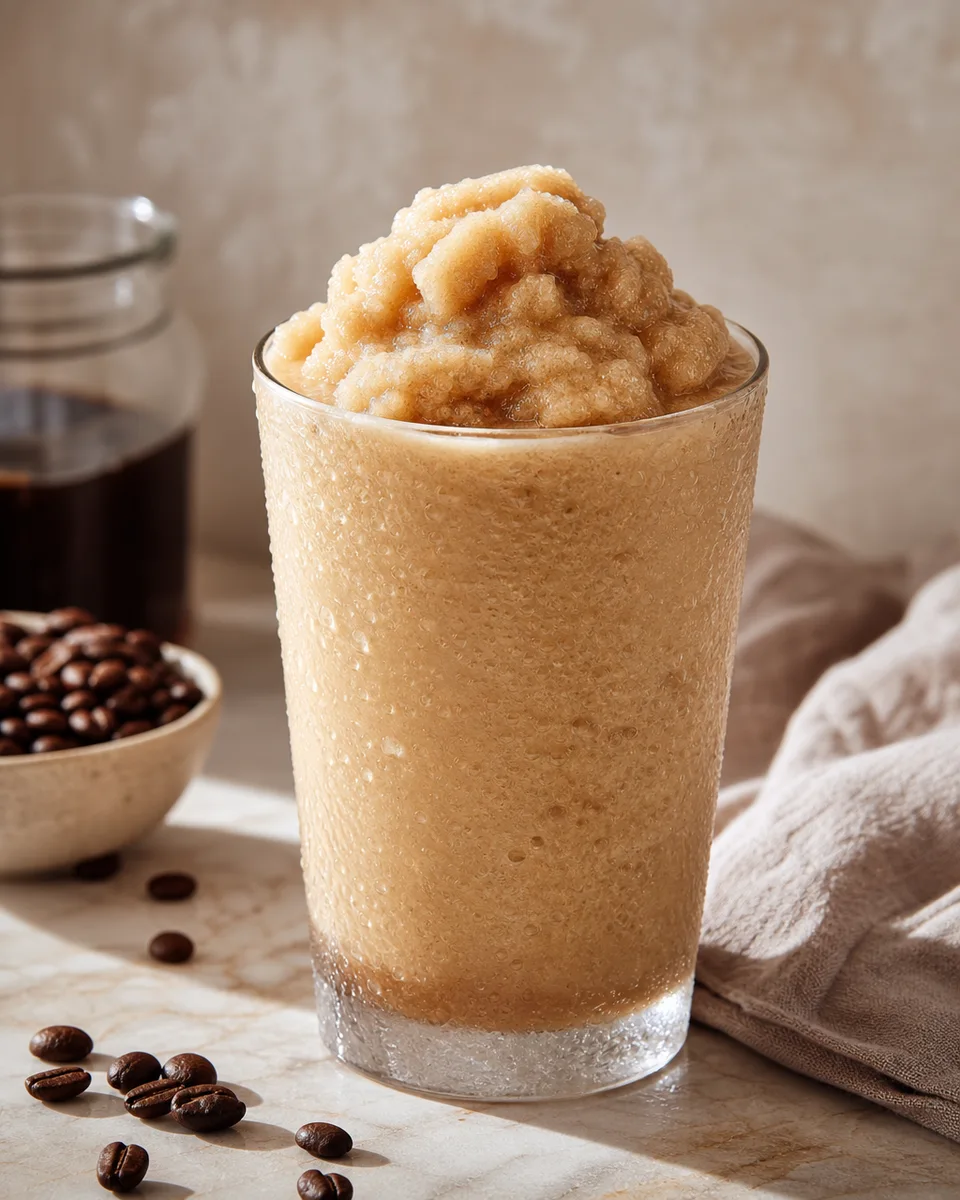
Iced Latte Slush
View - CoffeeVerification status: Tried & tested
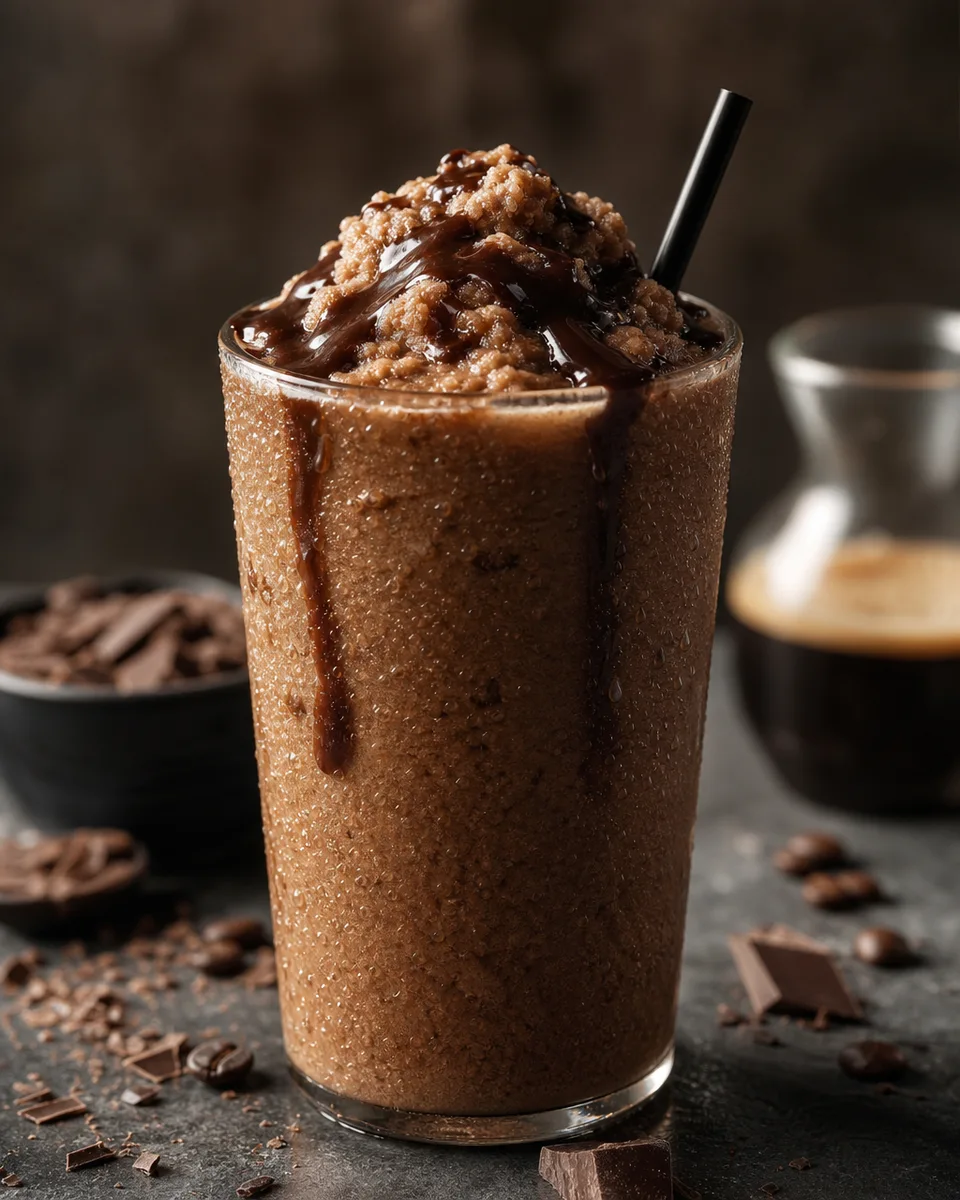
Iced Mocha Slush
View