Slushable Blog
Why Is My Slush Too Icy? (Snowy Texture) Causes + How to Fix It
If your slush turns gritty, crunchy, or ‘snowy,’ the mix is freezing the wrong way. Here’s the quick diagnosis, the fix, and prevention.

If you’re searching for “why is my slush too icy?” you’re probably looking at a barrel full of something that feels more like shaved ice than smooth slush.
Good news: an icy, gritty, “snowy” texture usually means your machine is freezing—it’s just freezing in a way that makes big, crunchy crystals instead of a creamy, even slush.
This post will help you diagnose the most common causes and fix them without guessing.
Table of contents
- TL;DR (Quick Fix)
- What’s happening (in plain English)
- The main causes
- Step-by-step fix
- How to prevent it next time
- FAQ
- Related reading
TL;DR (Quick Fix)
- Warm start + impatient adjustments can create big crystals. Start cold and give it time.
- If it’s icy on the walls but watery in the middle, you likely have a circulation issue (overfill, wrong thickness setting, or the auger isn’t moving mix correctly).
- If it’s icy everywhere, your mix may be too low in dissolved sugar for the slush range you want.
- Fix one variable at a time and wait 15–30 minutes before judging.
What’s happening (in plain English)
A home slush machine is trying to do two things at once:
- Make lots of tiny ice crystals
- Keep enough liquid around those crystals so the whole thing stays scoopable
When your slush gets “snowy,” you’re typically getting bigger crystals (or crystals forming mostly on the cold surface), instead of evenly distributed micro-crystals.
That can happen because the mix is freezing too aggressively in one place, or because the mix doesn’t have the right dissolved-sugar range to hold that smooth, semi-frozen texture.
If you want a quick foundation, start with our Brix for beginners.
The main causes
1The mix starts too warm (then freezes unevenly)
If you pour in room-temp mix, the barrel wall freezes a thin layer first. That layer gets scraped off and re-freezes repeatedly, which tends to build grainier crystals.
Signs:
- Icy bits show up early, but the center stays thin for a long time
- Texture improves a lot if you stop, chill, and restart
2Circulation is weak (so it freezes on the wall)
Slush texture is mostly about movement. If the mix isn’t circulating, the wall gets very cold, crystals form there, and you get “frost → scrape → chunk” instead of smooth thickening.
Common circulation killers:
- Overfilling the barrel
- A thickness setting that’s too aggressive (creating a frozen ring that’s hard to churn)
- An auger that’s struggling (stiff mix, ice binding, or a mechanical issue)
If your auger isn’t turning consistently, check: Slush machine auger not turning.
3The mix is too low in dissolved sugar (so ice dominates)
Sugar doesn’t just sweeten—it controls freezing behavior.
If the mix is too low in dissolved sugar, the machine can still freeze it… but it tends to freeze “harder,” producing a more icy mouthfeel.
This is different from the watery-slush problem (where the mix won’t freeze enough). You can absolutely have ice + low sugar and still end up with bad texture.
4Your thickness setting is fighting you
On many machines, “thickness” is a control loop: it tries to keep the barrel in a certain state.
Too aggressive = you get very cold walls and a higher chance of an icy ring or chunks.
See: Slush machine thickness setting: how to adjust it.
Step-by-step fix
1Stop chasing it—pick one change
When people get snowy slush, they tend to:
- crank thickness up and down
- open the lid repeatedly
- add ice, then add sugar, then add more liquid
That creates a mix of temperatures and concentrations and usually makes crystal size worse.
Pick one change below, then give it time.
2Start cold (the easiest win)
If your mix wasn’t refrigerated:
- Turn the machine off.
- Transfer the mix to the fridge (or a cold place) until it’s fully chilled.
- Restart and wait at least 20–30 minutes before judging texture.
3Fix circulation (most common “icy walls” problem)
Do this if you see icy walls + watery/less frozen center:
- Lower the fill level (most machines do best with headroom).
- Make sure the machine is on a stable surface and level.
- If you recently adjusted thickness, set it back toward the middle/normal range.
- Let it run and check texture after 15–30 minutes.
If you’re getting literal chunks, read: Slush machine ice chunks: why it happens and how to fix it.
4Nudge the mix toward the right slush range (small, measured)
Do this if the slush is icy everywhere, not just on the walls.
- If you have a refractometer, measure Brix and aim for the range your machine/mix is designed for.
- If you don’t, make a small adjustment, mix thoroughly, and wait.
Important:
- Don’t dump in huge amounts of sugar. You can overshoot and end up with watery slush.
- Make changes by weight when possible so you can repeat what worked.
If you overshoot and it turns thin, this guide helps: Why is my slush watery?.
5If it’s freezing too hard, back off thickness (don’t force it)
If your machine is trending toward “frozen ring” territory (thickening fast, churning slows, then chunks):
- Back thickness down a notch.
- Give it time to equilibrate.
If it keeps freezing solid, jump to: Why did my slush freeze solid?.
How to prevent it next time
- Pre-chill the mix. This is the single easiest way to avoid big crystals.
- Leave headroom. Overfilling hurts circulation.
- Avoid constant knob-twiddling. Slush changes slowly; chasing it makes crystal size worse.
- Write down what worked. Your “perfect” thickness and mix range is repeatable once you find it.
FAQ
Is “snowy slush” a sign the machine is broken?
Usually no. Most of the time it’s a temperature/circulation/mix-range issue.
If the auger is stalling or you hear grinding, that can indicate a mechanical problem—start with Why is my slush machine making a grinding noise?.
Can I fix it by adding ice?
Not recommended. Adding ice changes concentration and temperature in an uncontrolled way and often makes the crystal problem worse.
Why is it icy even though it’s sweet?
Sweetness and dissolved sugar concentration are related but not identical in practice (especially if you’re mixing unevenly or using ingredients that don’t dissolve quickly). Mix thoroughly and give it time to stabilize.
Why is it icy on the walls but watery in the middle?
That’s a classic sign of weak circulation. Reduce fill level, normalize thickness, and let it run long enough to even out.
Related reading
Recipes to make next
Slush recipes from the library that fit this guide — every one balanced to freeze in a home machine.
- BourbonVerification status: Tried & tested

Bourbon Walnut Old Fashioned Slush
View - LemonVerification status: Tried & tested

Brandy Crusta Slush
View - AmarettoVerification status: Tried & tested
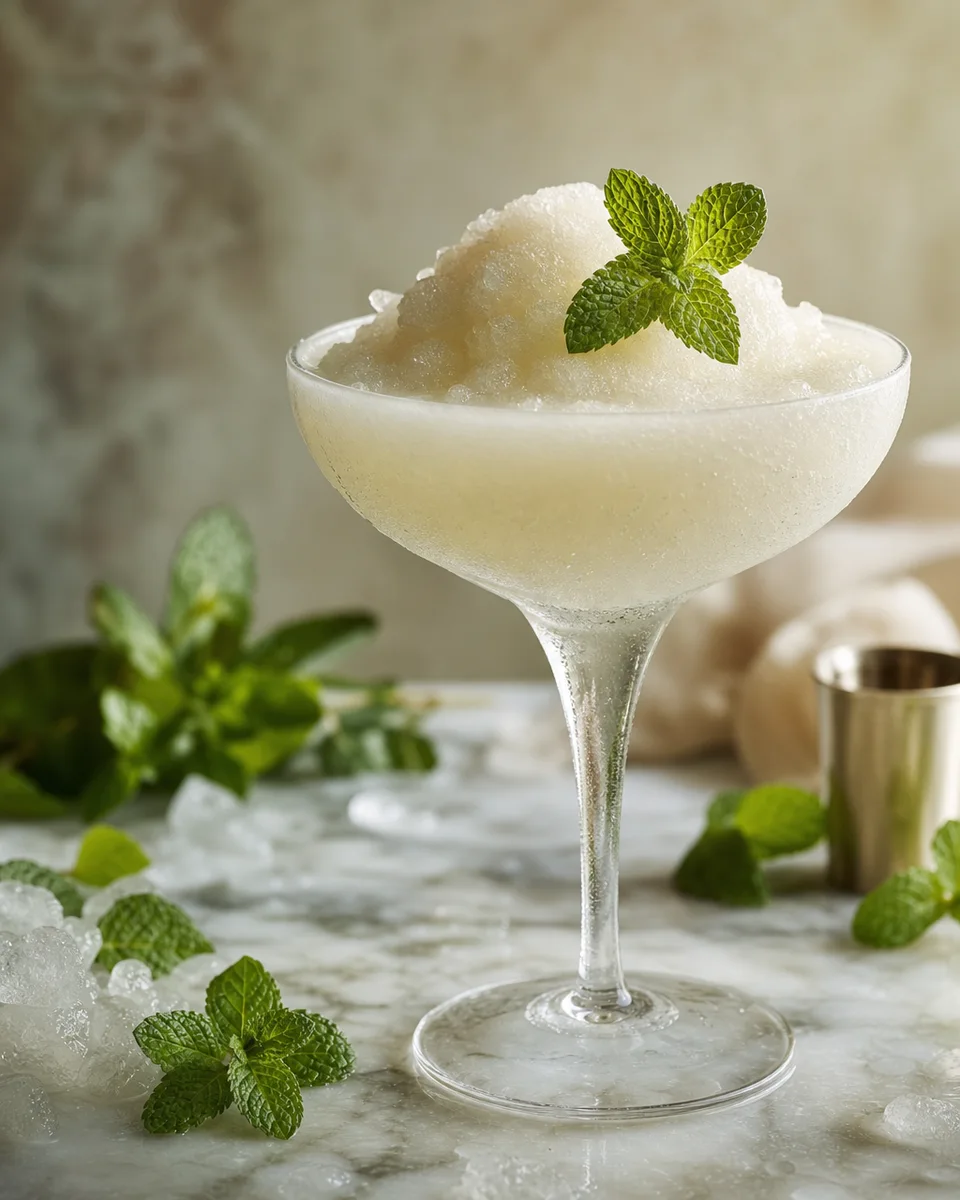
Cognac Mint Stinger Slush
View - RhubarbVerification status: Tried & tested
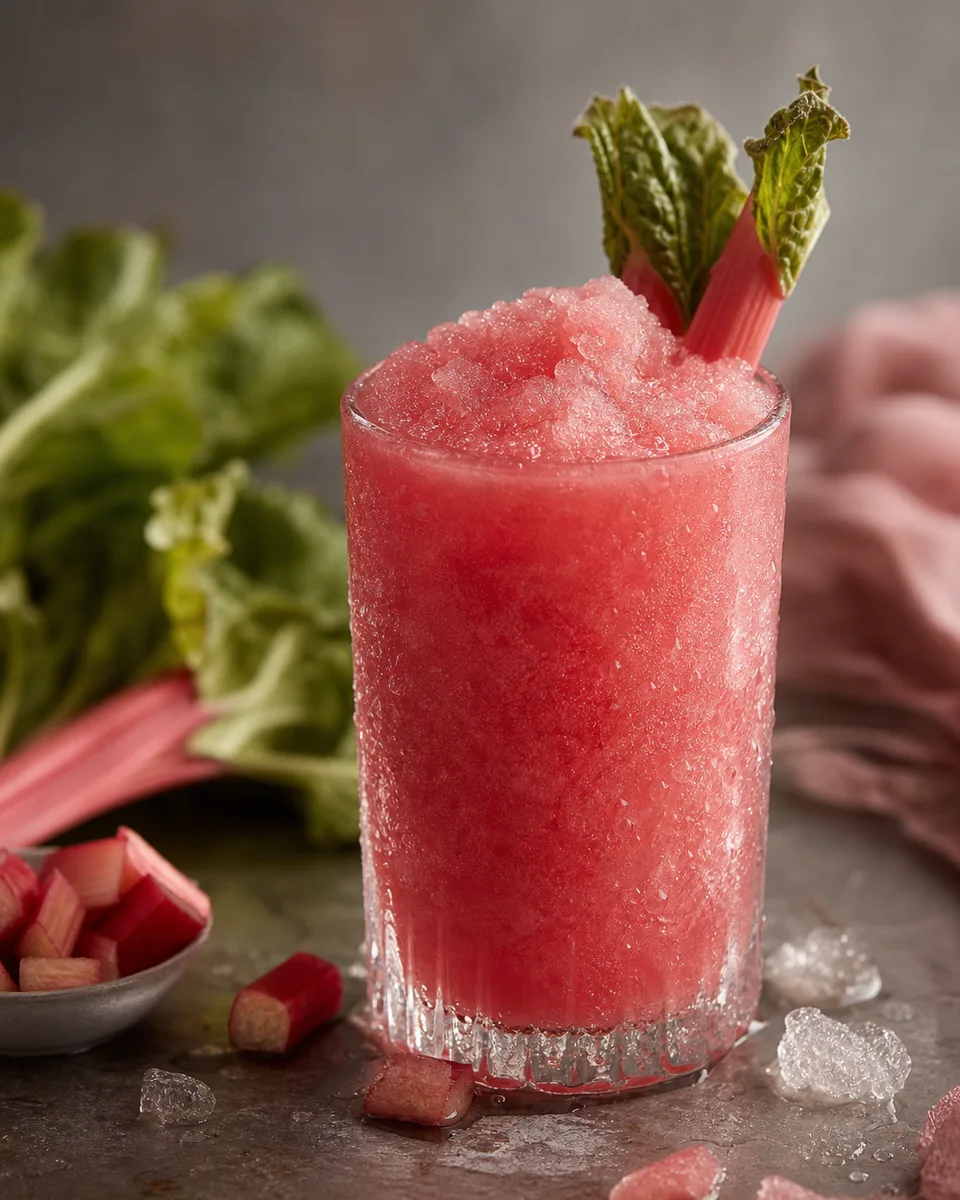
Rhubarb Cordial Slush
View - ProseccoVerification status: Tried & tested

Sarti Rosa Prosecco Spritz Slush
View - ProseccoVerification status: Tried & tested

Sarti Spritz Slush
View