Slushable Blog
Ice Chunks in Your Slush? Why It Happens (and How to Get a Smooth Texture)
Chunky slush usually means uneven freezing or poor circulation. Learn the causes of ice chunks, how to fix them, and how to prevent repeat batches.

Perfect slush is silky: tiny crystals, consistent texture.
If you’re getting ice chunks, it’s a sign the machine is freezing unevenly.
Table of contents
- TL;DR (Quick Fix)
- What’s happening (in plain English)
- The main causes
- Step-by-step fix
- How to prevent it next time
- FAQ
What’s happening (in plain English)
When circulation is good, the machine freezes evenly.
When circulation is bad, you get:
- cold zones that freeze too hard
- warm zones that stay liquid
Those hard zones break off as chunks.
The main causes
1Overfill
More volume makes circulation harder.
2Mix starts warm
Warm mix creates big temperature gradients.
3Low sugar / wrong chemistry
Low dissolved sugar tends to create harder ice.
Step-by-step fix
- Stop and inspect texture.
- Lower batch size.
- Chill the liquid.
- Adjust sugar upward next batch if you tend to freeze hard.
How to prevent it next time
- Keep a repeatable baseline mix.
- Change one variable at a time.
- Don’t add ice to a slush machine (it sounds logical, but it creates chaos).
Related reading
- Why is my slush watery? (and how to fix it)
- Why did my slush freeze solid? (ice blocks fix)
- Home slush machine first-run checklist
FAQ
Are ice chunks dangerous for the machine?
A few small ones aren’t usually a problem, but persistent chunking can create extra load and noise.
Why do chunks appear late in the cycle?
As parts of the mix get colder, uneven freezing becomes more obvious if circulation isn’t strong.
Recipes to make next
Slush recipes from the library that fit this guide — every one balanced to freeze in a home machine.
- Blue raspberryVerification status: Tried & tested
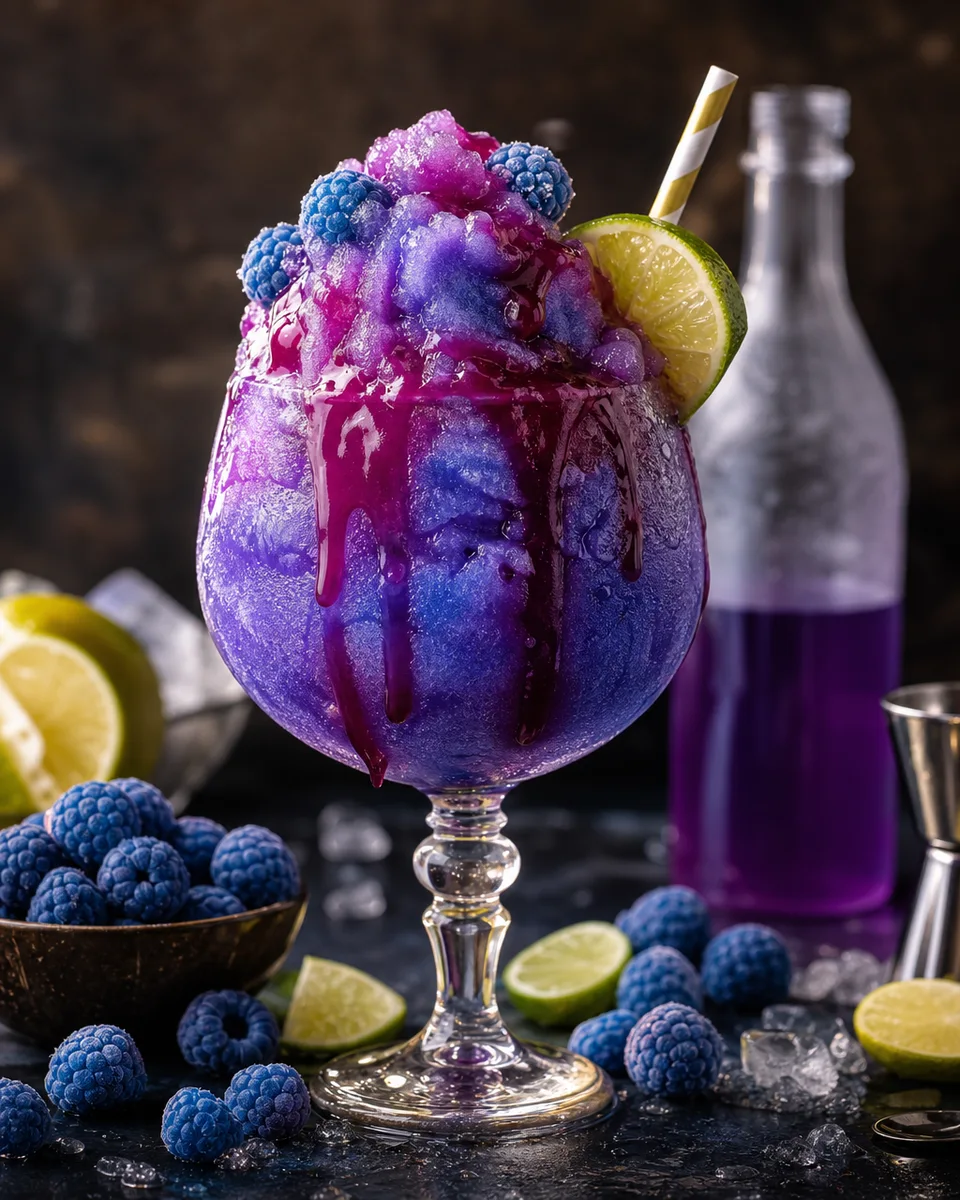
Blue Raspberry Spiked Slush Cocktail Recipe
View - AmarettoVerification status: Tried & tested
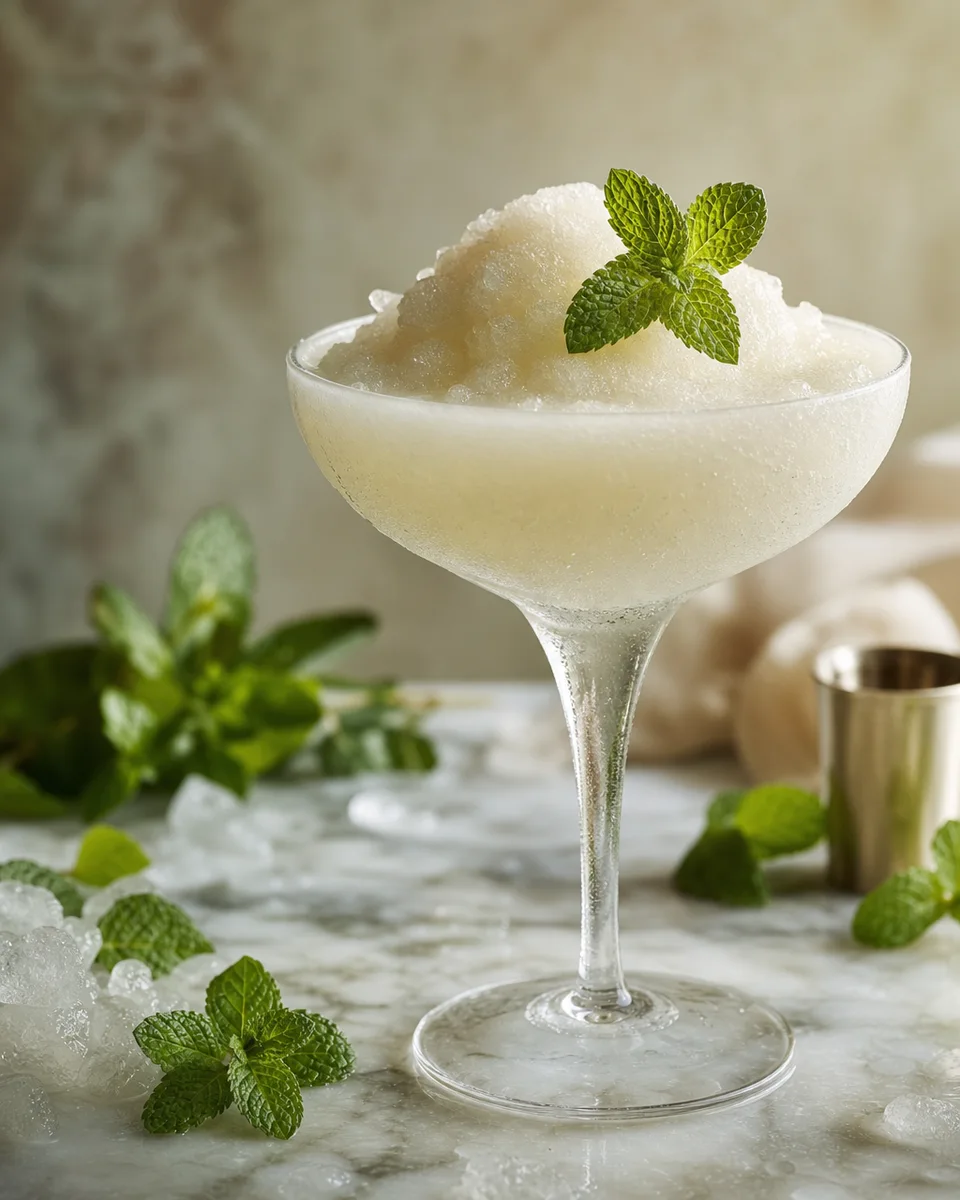
Cognac Mint Stinger Slush
View - WatermelonVerification status: Tried & tested
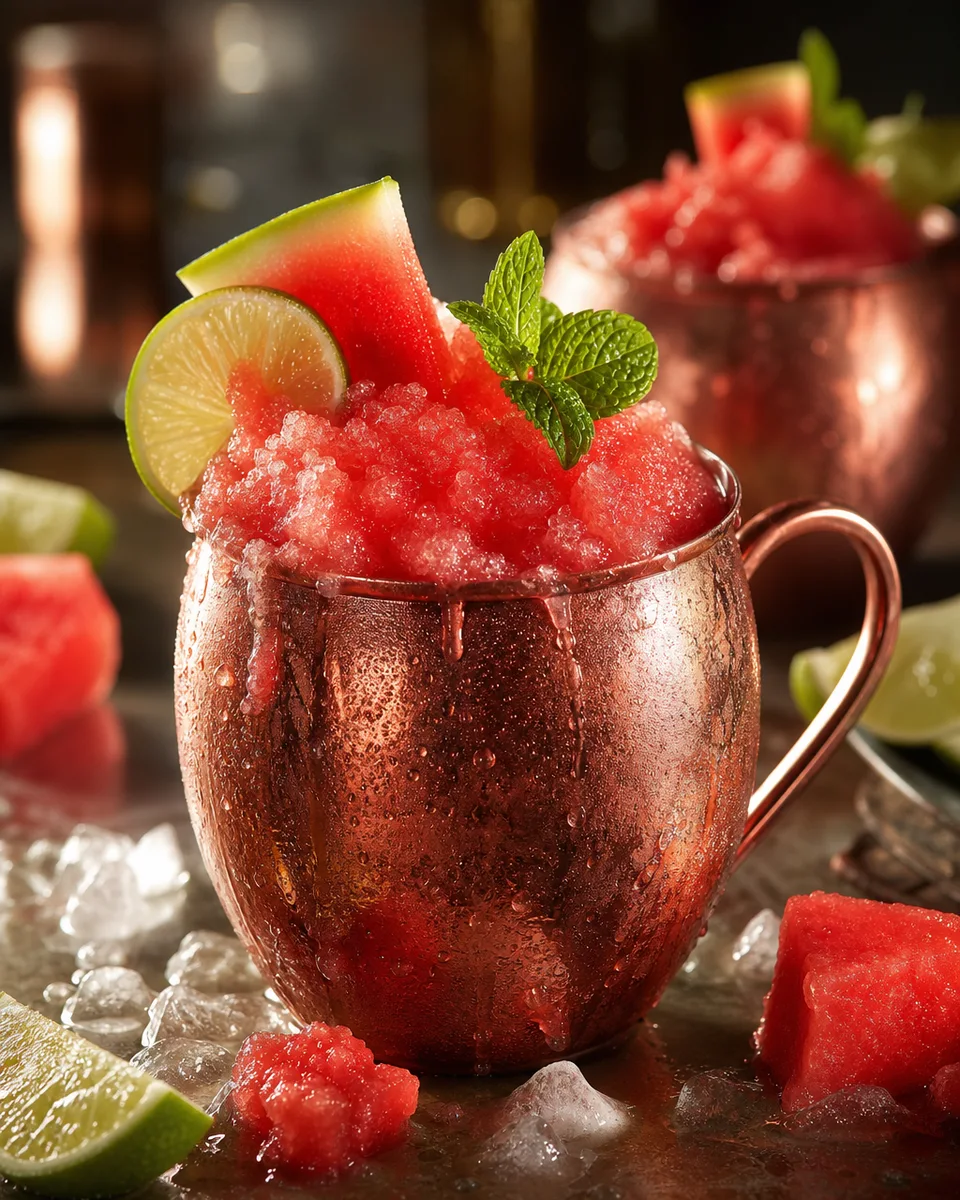
Watermelon Moscow Mule Slush
View - PineappleVerification status: Tried & tested
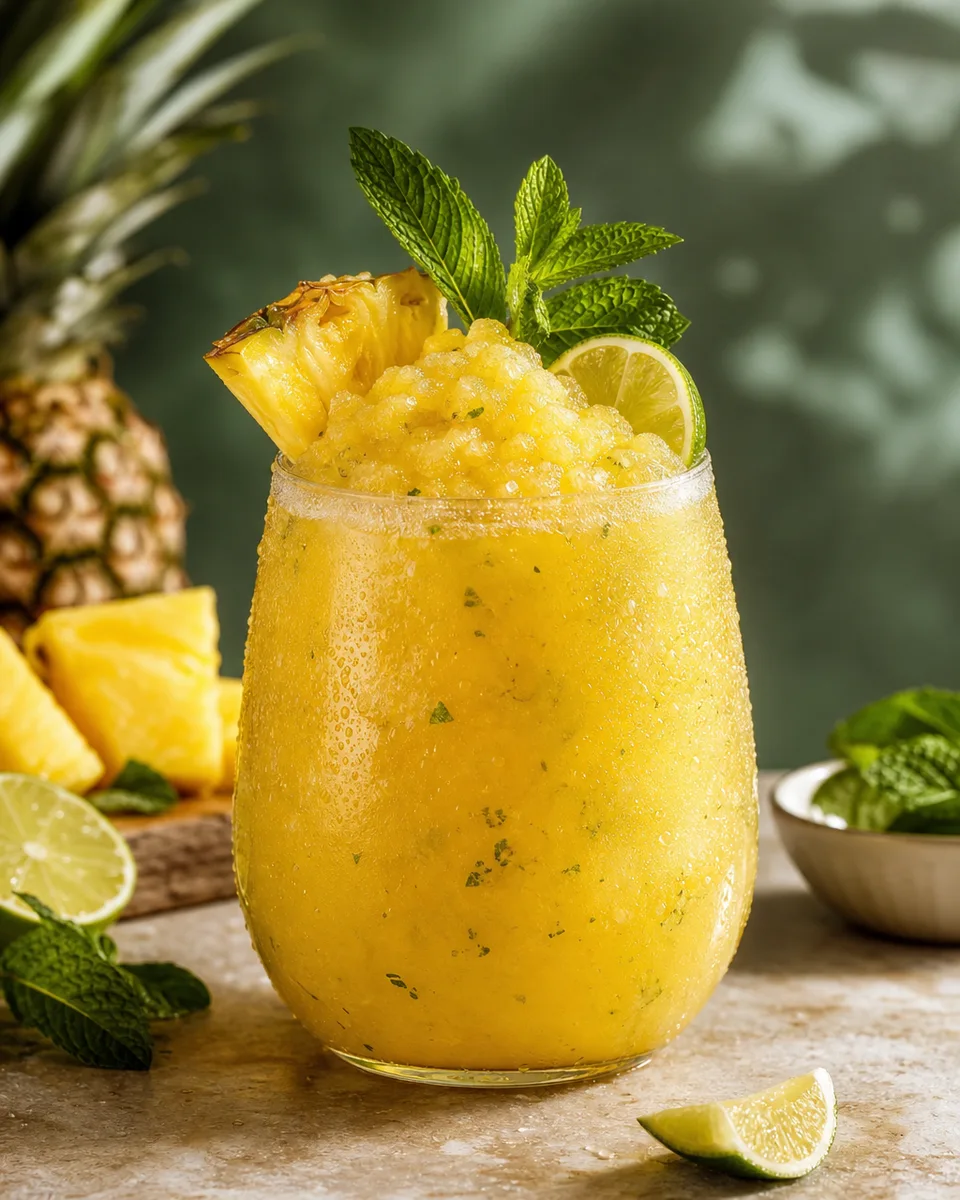
Missionary's Downfall Slush
View - BourbonVerification status: Tried & tested

Bourbon Walnut Old Fashioned Slush
View - ProseccoVerification status: Tried & tested
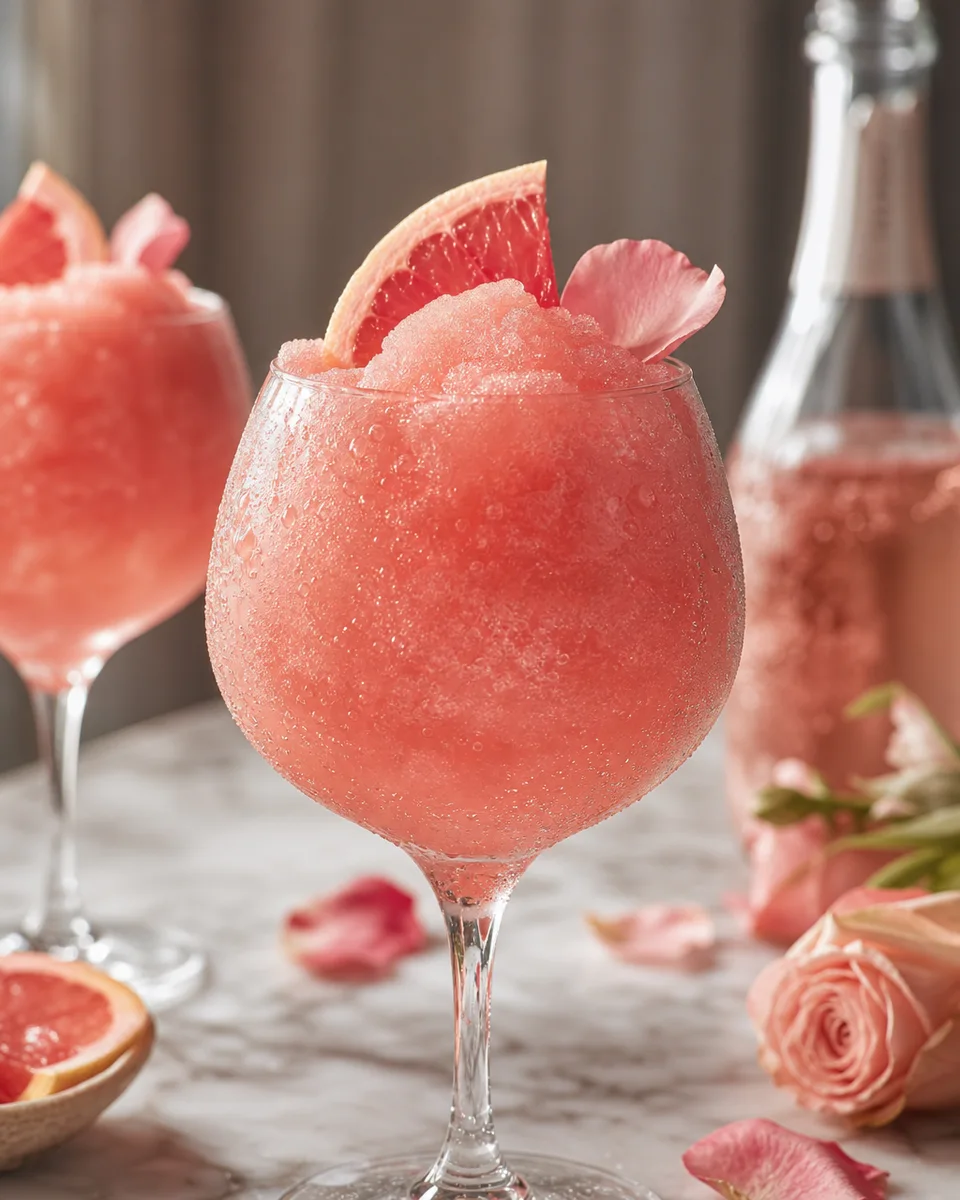
Sarti Rosa Prosecco Spritz Slush
View