Slushable Blog
Home Slush Machine First‑Run Checklist (Avoid Watery or Rock‑Hard Slush)
Unboxing a home slush machine? Follow this first-run checklist to avoid watery slush, ice blocks, and error codes—before you waste a full batch.

Your first batch is where most people decide they “bought the wrong machine.”
But first-run failures usually aren’t defects. They’re predictable:
- the machine wasn’t placed with enough airflow.
- the mix wasn’t cold.
- the mix chemistry was outside the slush zone.
This guide gives you a first-run plan that feels like cheating.
Table of contents
- TL;DR (Quick Fix)
- What’s happening (in plain English)
- The main causes
- Step-by-step fix
- How to prevent it next time
- FAQ
TL;DR (Quick Fix)
- Start with a cold mix (fridge-cold beats room temp).
- Don’t wing it: your mix needs enough dissolved sugar to stay slushy.
- Don’t overfill.
- Give it time. Slush takes longer than you want it to.
What’s happening (in plain English)
A home slush machine is a freezer with a mixer.
It freezes part of your liquid into tiny crystals and stirs so the crystals stay small and evenly distributed.
Two problems fight that process:
- Not enough dissolved sugar → water freezes hard → ice blocks.
- Too much alcohol (without compensation) → it won’t freeze enough → watery slush.
If you want the “one number” version of this, read: Brix for beginners.
The main causes
1The mix wasn’t cold
Warm mix makes the machine spend a long time just pulling temperature down.
You can do everything else perfectly and still think “it’s broken” if you start warm.
2The mix chemistry was off
This is where most people go wrong.
A mix can taste sweet and still behave like water if:
- the sugar is too low.
- the sugar wasn’t dissolved.
- you used mostly sweeteners.
3Circulation was compromised
Overfilling and bad placement can reduce circulation.
Once circulation slows, you get uneven freezing—watery center, icy walls, or chunks.
Step-by-step fix
1Clean and rinse (even if it looks clean)
Manufacturing oils and dust can mess with foam, texture, and smell.
Wash the parts that touch liquid, rinse thoroughly, and make sure seals seat cleanly.
2Place it like you mean it
Slush machines need airflow.
- Leave clearance around vents.
- Keep it out of direct sun.
3Start with a simple baseline
For your first run, keep it boring.
Use a non-alcohol baseline mix so you can confirm the machine works without complicating freezing behavior.
4Chill the mix before it enters the machine
This is the most ignored step.
Fridge-cold mix slushes faster and more predictably.
5Don’t overfill
Underfill slightly on run #1 if you’re unsure.
6Choose a conservative setting
Start with a middle/standard setting.
7Give it time (and don’t judge too early)
Slush isn’t instant. Give it time to stabilize.
How to prevent it next time
- Keep notes (base liquid, sugar added, alcohol added, result).
- Make one adjustment at a time.
- Clean right after use: How to clean a home slush machine.
Related reading
- Why is my slush watery? (and how to fix it)
- Why did my slush freeze solid? (ice blocks fix)
- How to clean a home slush machine
FAQ
Do I need a refractometer to start?
No. The first run is about setup and avoiding under-sweetening.
Why does alcohol change everything?
Alcohol lowers the freezing point. That’s why alcoholic batches usually need more dissolved sugar to stay slushy.
Is it normal for the first batch to be weird?
Yes—especially if the mix wasn’t chilled or the sugar wasn’t fully dissolved.
Recipes to make next
Slush recipes from the library that fit this guide — every one balanced to freeze in a home machine.
- Blue raspberryVerification status: Tried & tested
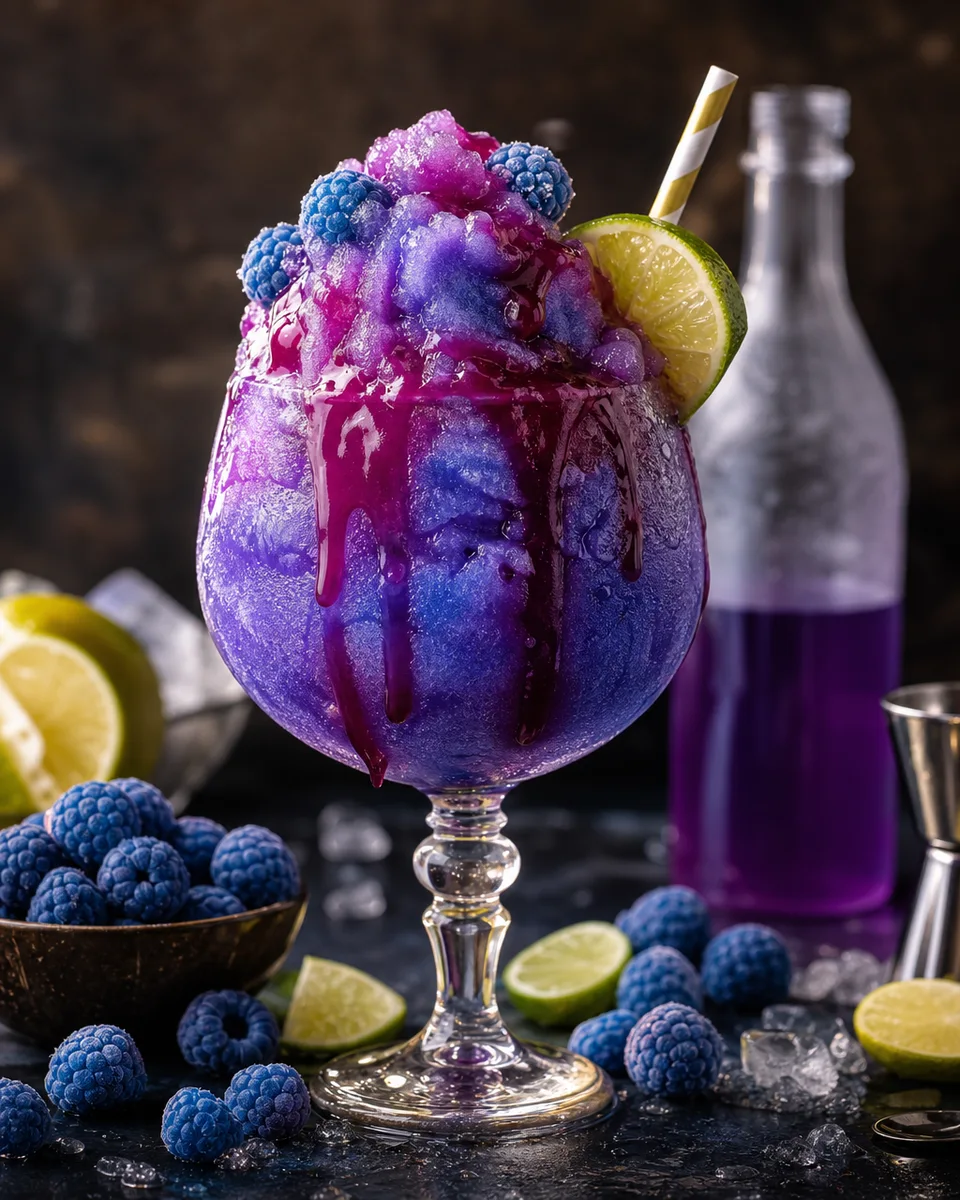
Blue Raspberry Spiked Slush Cocktail Recipe
View - PeachVerification status: Tried & tested
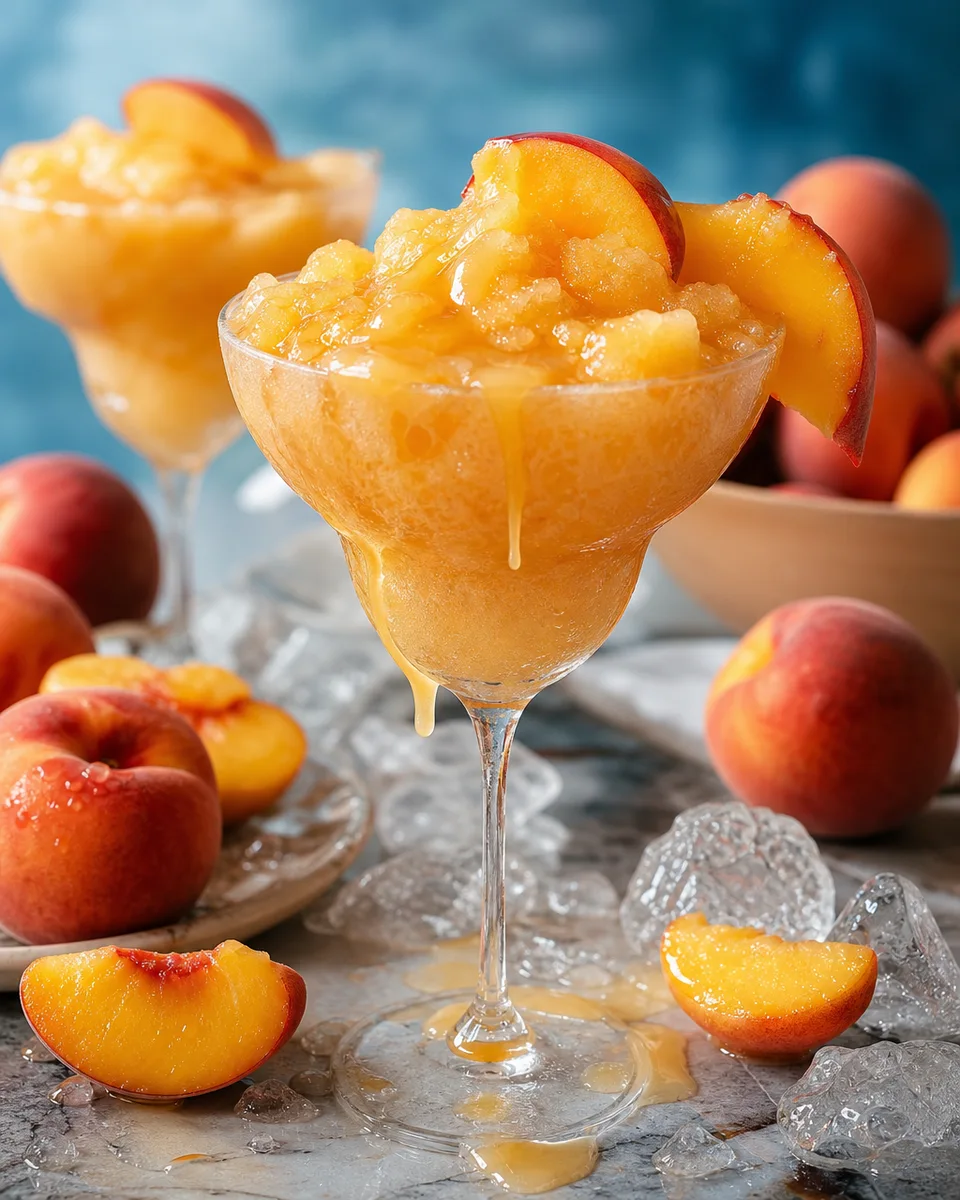
Peach Vodka Seltzer Slush
View - ProseccoVerification status: Tried & tested
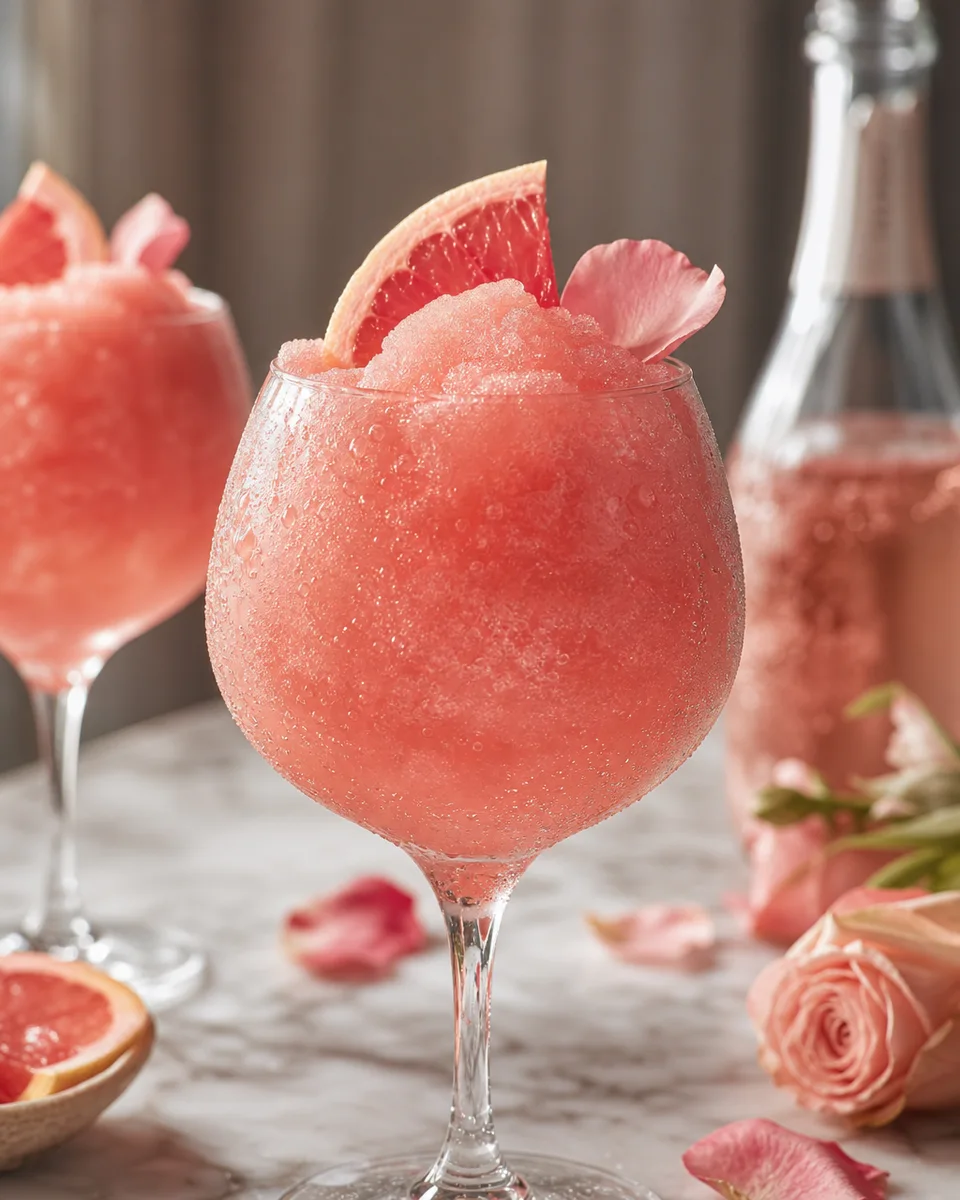
Sarti Rosa Prosecco Spritz Slush
View - ProseccoVerification status: Tried & tested
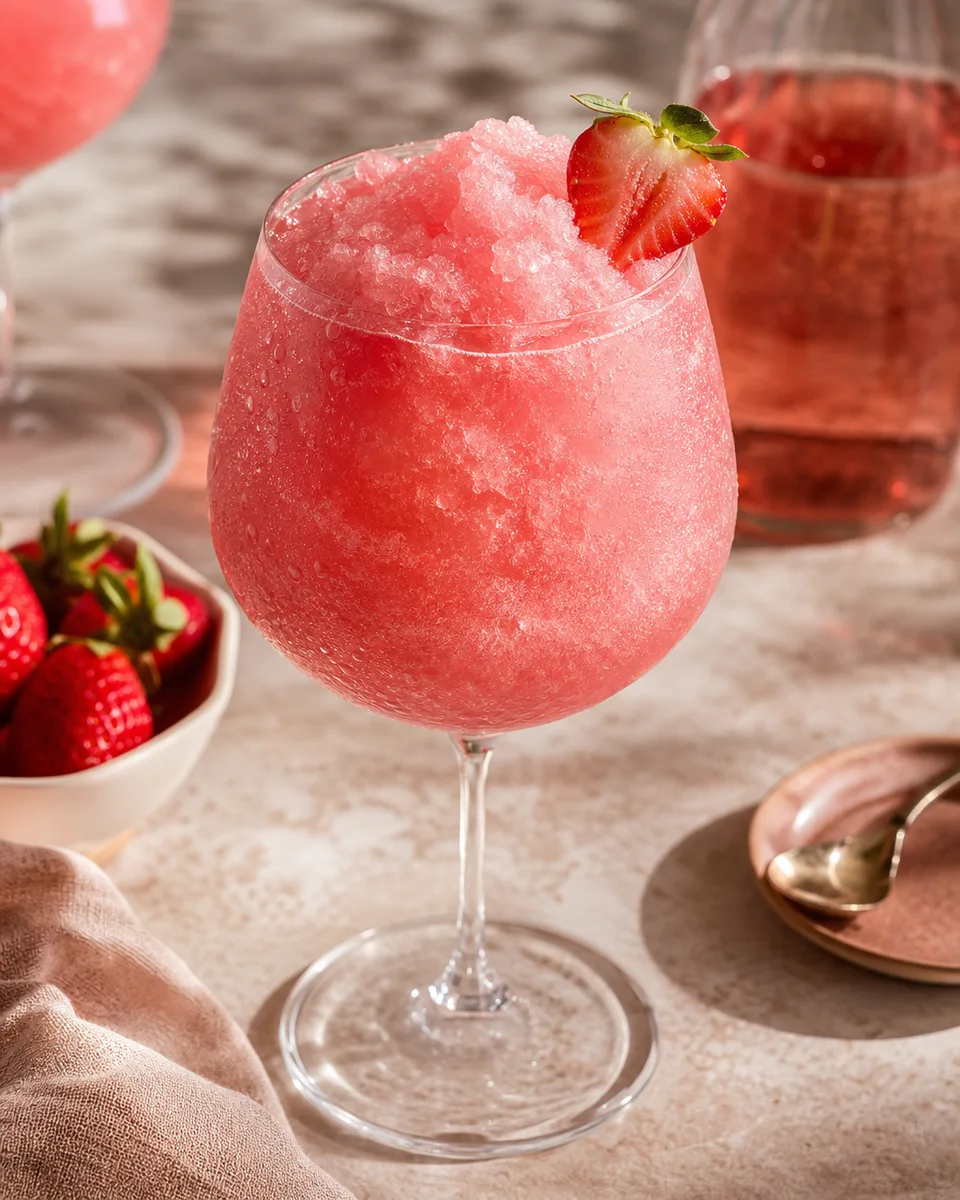
Sarti Spritz Slush
View - LemonVerification status: Tried & tested
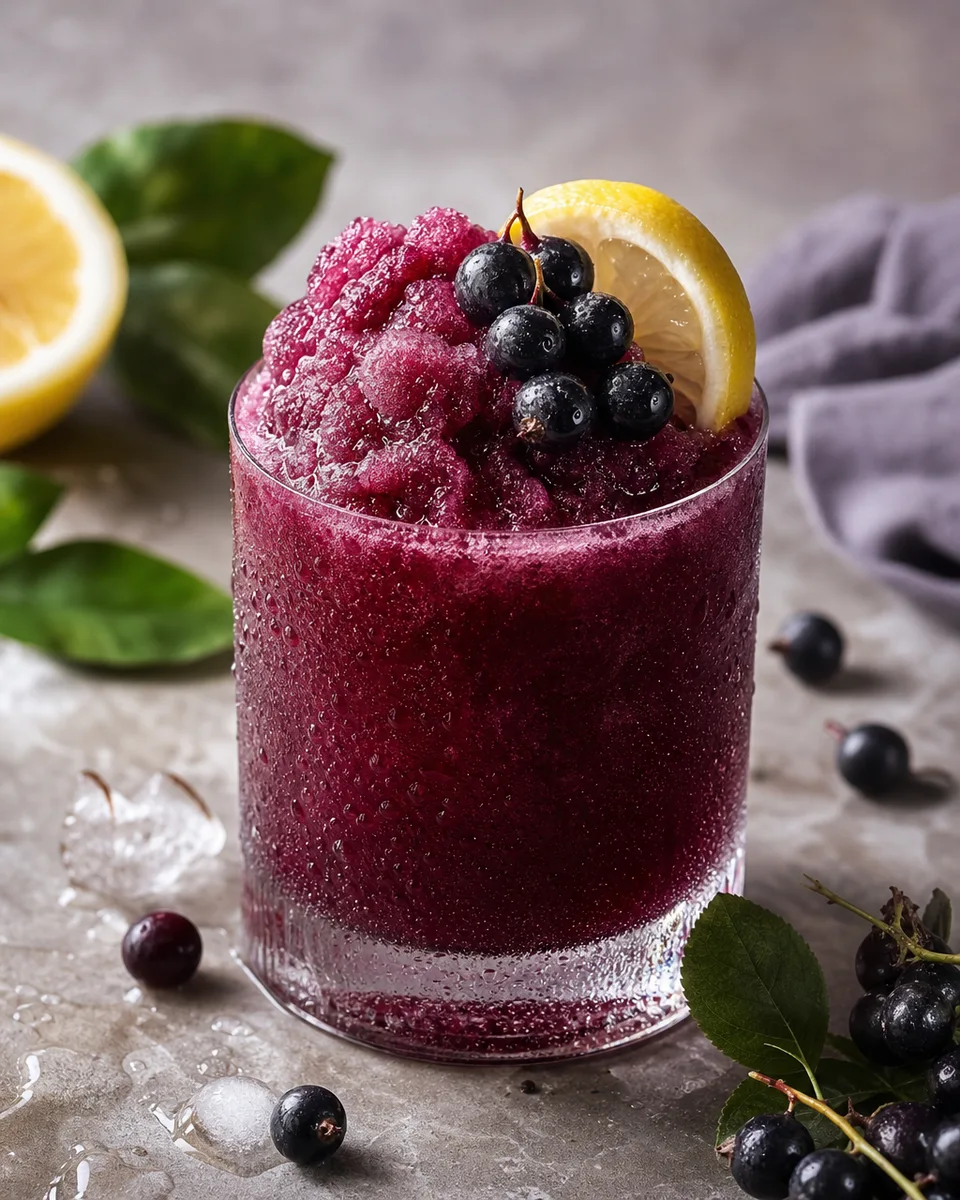
Blackcurrant Lemon Cordial Slush
View - GinVerification status: Tried & tested
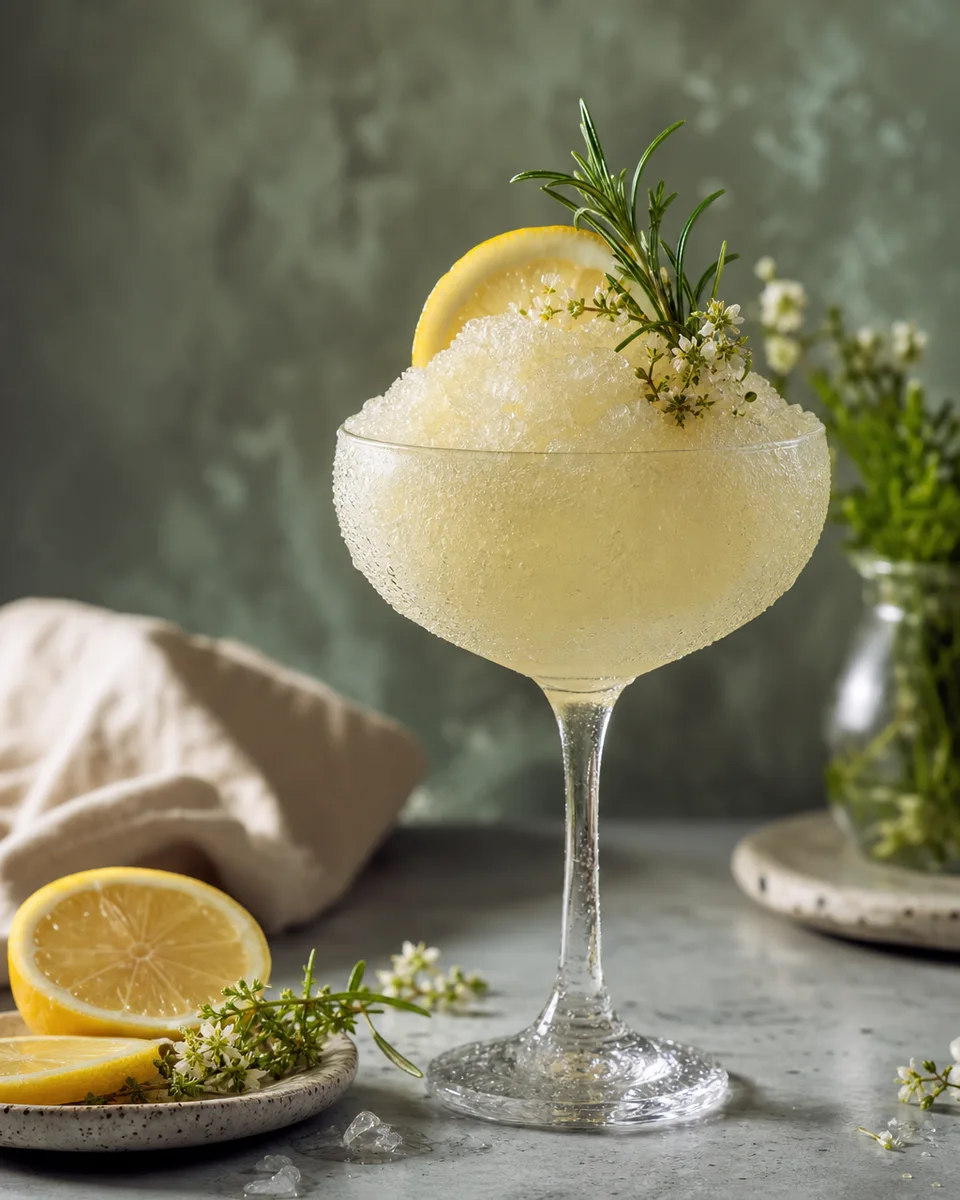
Botanical Tonic Mocktail Slush
View