Slushable Blog
Why Did My Slush Freeze Solid? (Ice Blocks, Jams, and the Simple Fix)
If your slush turned into a solid ice block, your mix likely didn’t have enough dissolved sugar (or it chilled unevenly). Here’s how to recover it safely.

A solid freeze feels catastrophic—especially if the machine starts groaning, grinding, or stopping.
The good news: most “ice block disasters” are not mechanical failures. They’re a mix + circulation problem.
If you want the plain-English science behind it, read Brix for beginners.
Table of contents
- TL;DR (Quick Fix)
- What’s happening (in plain English)
- The main causes
- Step-by-step fix
- How to prevent it next time
- FAQ
TL;DR (Quick Fix)
- Stop the cycle.
- Let it soften (don’t force paddles/auger).
- Next time: increase dissolved sugar and avoid overfilling.
What’s happening (in plain English)
Slush is controlled freezing.
If your mix behaves like plain water, it freezes like plain water: hard.
Sugar (and other dissolved solids) lower the freezing point and keep ice crystals smaller. That’s what keeps slush “shave-ice-like” instead of “ice cube tray.”
When a batch freezes solid, the machine can lose circulation. Once circulation stops, freezing becomes even more uneven—and the block grows.
The main causes
1Not enough dissolved sugar
This is the #1 cause.
A mix can taste sweet and still be “too water-like” if:
- you under-sweetened
- sugar didn’t fully dissolve
- you used sweeteners that don’t behave like sugar
2Overfilling (poor circulation)
Overfilling makes circulation harder, especially once ice starts forming.
That can create a runaway effect:
- slight thickening → slower movement → colder spots → harder ice → jam
3Starting extremely cold with low sugar
Cold mix is good, but “near-freezing liquid + low sugar” can tip into hard-freeze quickly.
4The batch sat too long at an aggressive setting
Some machines will keep driving toward “colder,” and if your mix is borderline, it can eventually lock up.
Step-by-step fix
1Stop the machine
If you hear grinding or the mechanism is struggling, don’t “power through.” Stop.
2Let the block soften naturally
Let it come back toward slushy.
Avoid sudden thermal shock (like dumping very hot liquid onto a frozen mass).
3Restart gently and watch circulation
Once things move freely again, restart and watch for smooth circulation.
If it locks again quickly, your mix is still outside the slush zone.
4Fix the root cause for the next batch
For the next batch, address:
- dissolved sugar level
- fill level
- starting temperature
How to prevent it next time
- Treat sugar as a texture control knob, not taste-only.
- Dissolve sugar fully before it goes in the machine.
- Don’t overfill.
- Keep a note of what worked (base liquid, sugar, alcohol, setting).
Related reading
- Brix for beginners: why it matters
- How to measure sugar for slush (scale method)
- Why is my slush watery? (and how to fix it)
FAQ
Can I just add hot water to melt it?
Avoid dumping hot liquid directly into a frozen mass inside the machine. Let it soften, then adjust gradually.
Does alcohol prevent solid freezing?
Alcohol lowers freezing point, which can prevent solid blocks—but it can also swing you into watery slush if you don’t compensate.
Is an ice block always a mix issue?
Almost always. Mechanical issues exist, but fix mix/circulation first because it’s the common case.
Recipes to make next
Slush recipes from the library that fit this guide — every one balanced to freeze in a home machine.
- Blue raspberryVerification status: Tried & tested

Blue Raspberry Spiked Slush Cocktail Recipe
View - ProseccoVerification status: Tried & tested

Sarti Rosa Prosecco Spritz Slush
View - ProseccoVerification status: Tried & tested

Sarti Spritz Slush
View - LemonVerification status: Tried & tested
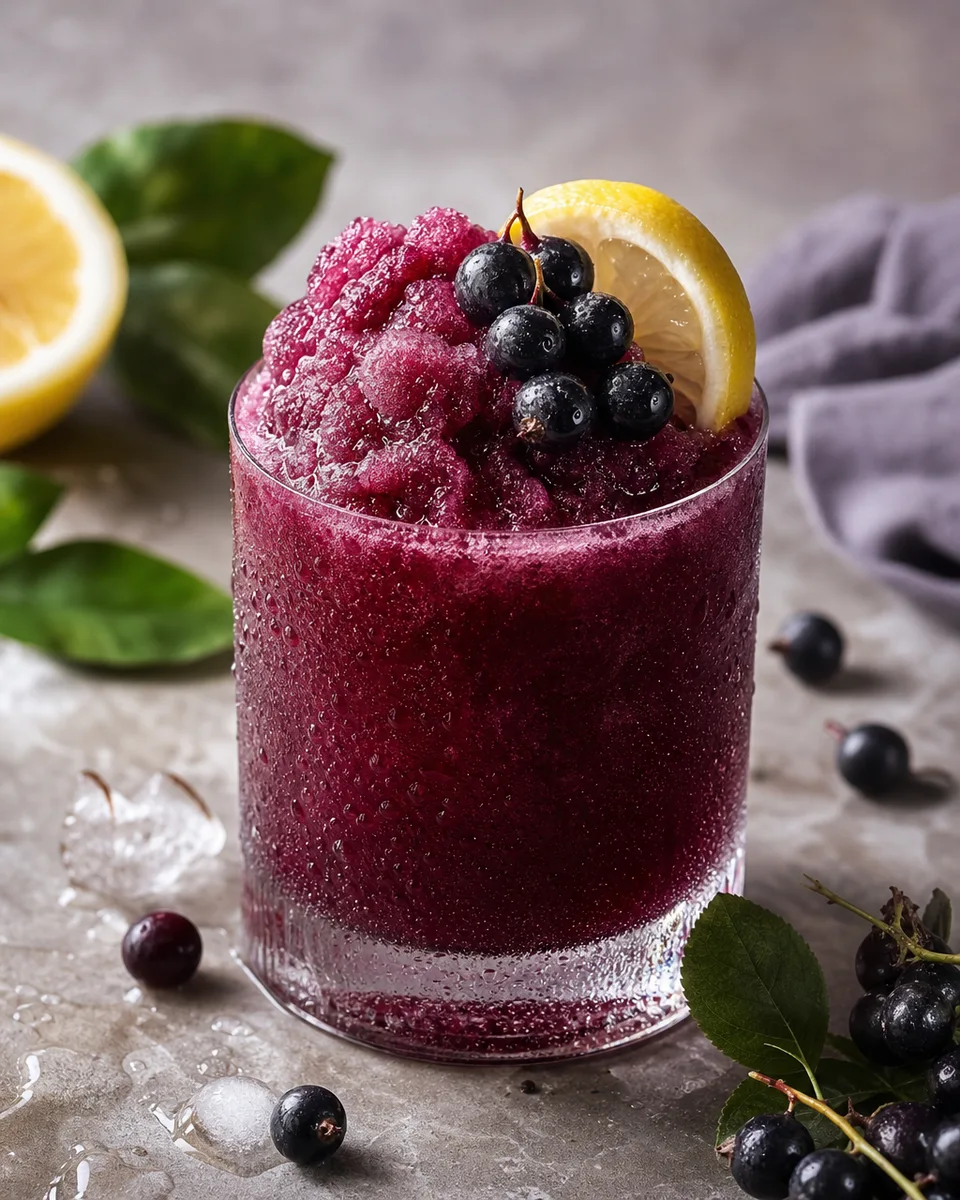
Blackcurrant Lemon Cordial Slush
View - GinVerification status: Tried & tested

Botanical Tonic Mocktail Slush
View - LemonVerification status: Tried & tested
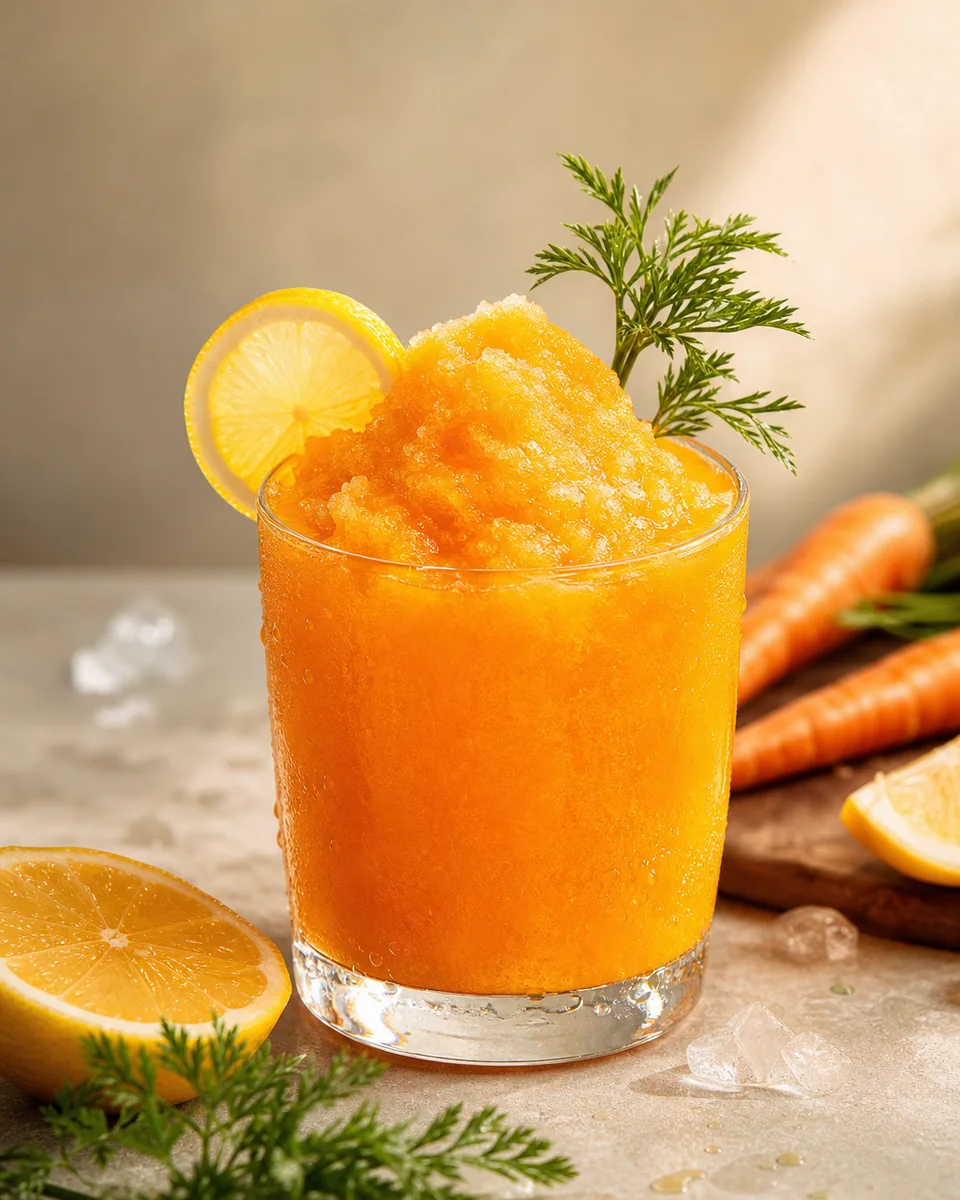
Carrot Lemonade Slush
View