Slushable Blog
Brix for Beginners: The One Number That Explains Slush Texture
Brix is just “how much sugar is dissolved.” Learn why it controls slush texture, how to estimate it at home, and how to adjust without ruining a batch.

If you’ve ever made two “basically identical” batches and got totally different results—one silky, one watery, one rock-hard—you just discovered the slush machine truth:
Texture is mostly math, not vibes.
The easiest way to talk about that math is Brix.
Table of contents
- TL;DR (Quick Fix)
- What’s happening (in plain English)
- The main causes
- Step-by-step fix
- How to prevent it next time
- FAQ
TL;DR (Quick Fix)
- Higher Brix = softer freeze (slush stays scoopable).
- Too low = ice blocks / jams.
- Too high = syrupy / too soft.
- Alcohol also lowers freezing point, so cocktails need more sugar to slush.
What’s happening (in plain English)
A home slush machine is a freezer with a mixer.
It’s trying to do a very specific trick: freeze part of the liquid into tiny crystals while keeping enough liquid around those crystals so everything stays “slushy” instead of becoming a solid block.
Sugar helps because dissolved sugar lowers the freezing point and encourages smaller crystals. That’s why a sweet drink can get thick and icy without turning into a brick.
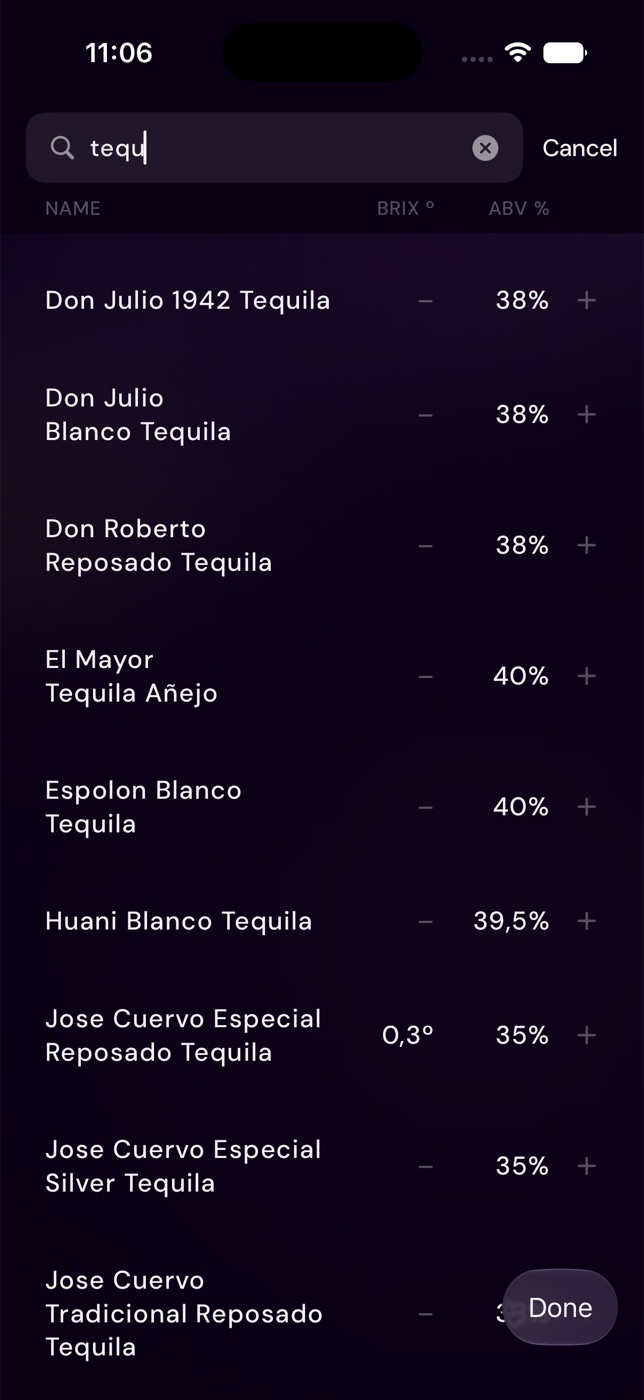
Brix is just the simplest “one number” shorthand for: how much sugar is dissolved in this liquid?
The main causes
Brix is not “sweetness” (it’s concentration)
Brix is usually defined as grams of sucrose per 100 grams of solution. In real life, for slush, it’s close enough to treat it as:
“How much dissolved sugar is in my mix, by weight?”
That’s why two drinks that taste equally sweet can behave differently in the machine:
- One might have real sugar.
- One might have sweeteners that don’t change freezing behavior the same way.
The Brix “slush zone” is narrow
Slush machines don’t have infinite power. You’re aiming for a middle range where the machine can:
- freeze fast enough
- keep circulating
- avoid ice blocks
That middle range is what I call the slush zone.
Alcohol changes the rules
Alcohol is antifreeze. If you add alcohol, you push the freezing point down, which makes it easier to avoid freezing solid but easier to end up watery.
If you keep hearing “my cocktail won’t slush,” that’s almost always a Brix + alcohol interaction.
Step-by-step fix
1Identify your starting point
Ask:
- Is your base a sugary drink (juice/soda), or mostly water?
- Does it contain real sugar or mostly sweeteners?
- Is there alcohol in it?
2Use the simplest home method to estimate Brix
You don’t need a refractometer to get consistency.
The scale method:
-
Weigh your liquid in grams.
-
Weigh how much sugar you dissolve into it.
-
Sugar concentration is roughly:
sugar / (sugar + liquid)
You don’t have to be perfect. You just need to be repeatable.
3Adjust in small steps and wait
Slush machines need time to respond.
- If the mix is watery: increase dissolved sugar a bit (or reduce alcohol).
- If it freezes solid: increase dissolved sugar (yes, really).
- If it’s syrupy/too soft: reduce sugar next time.
4Don’t let “undissolved sugar” trick you
Sugar sitting at the bottom isn’t changing your freezing behavior.
If you add sugar mid-run, dissolve it first (warm water + stir) and then add the syrup.
How to prevent it next time
- Keep a tiny log:
- base liquid
- sugar added (grams)
- alcohol added (if any)
- result (watery / perfect / too hard)
- Adjust one variable per batch.
- If you’re new: start non-alcohol, get a “known good” baseline, then add complexity.
Related reading
- Ninja SLUSHi calculator
- Ninja SLUSHi sugar requirements calculator
- How to measure sugar for slush (scale method)
- Why is my slush watery? (and how to fix it)
- Why did my slush freeze solid? (ice blocks fix)
FAQ
Do I need a refractometer?
No. It’s nice for precision and repeatability, but you can get very far with a kitchen scale and consistent notes.
Is Brix only for sweet drinks?
It’s a sugar-focused measure, but the idea is broader: dissolved solids affect freezing behavior.
Why does “diet soda” behave weirdly?
Many sweeteners don’t lower the freezing point the way sugar does. The drink can taste sweet but freeze like it’s basically water.
Recipes to make next
Slush recipes from the library that fit this guide — every one balanced to freeze in a home machine.
- CoffeeVerification status: Tried & tested
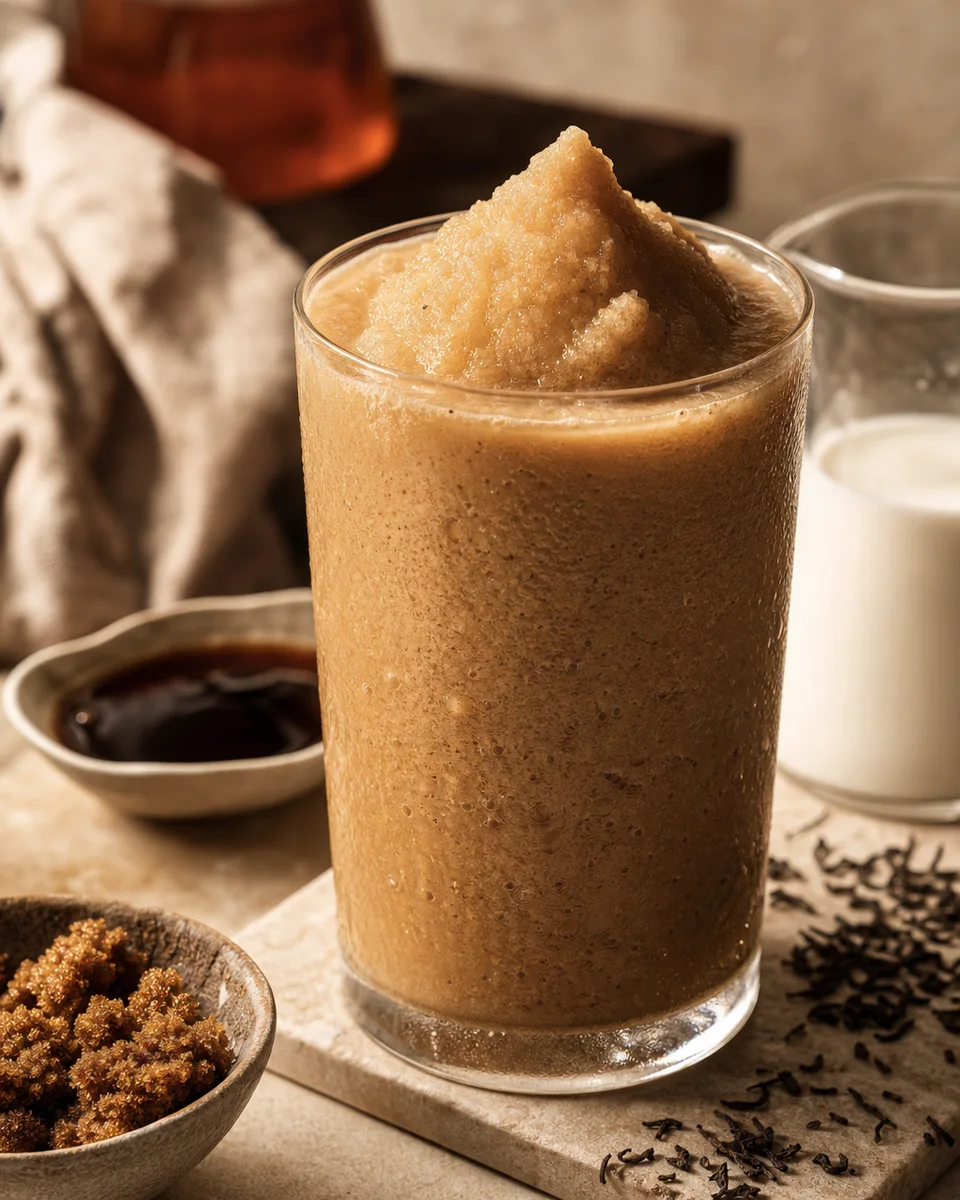
Brown Sugar Milk Tea Slush
View - AmarettoVerification status: Tried & tested
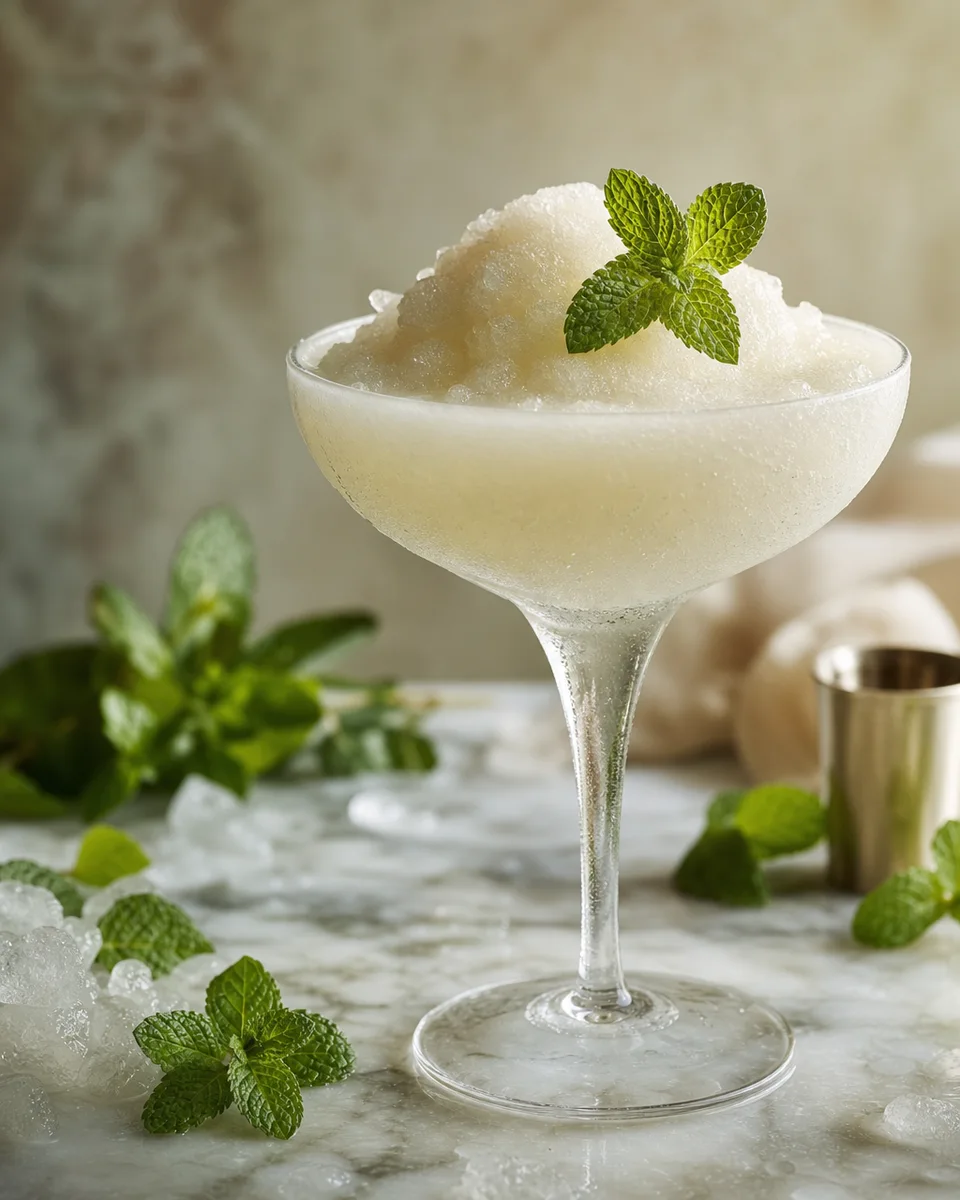
Cognac Mint Stinger Slush
View - CoffeeVerification status: Tried & tested
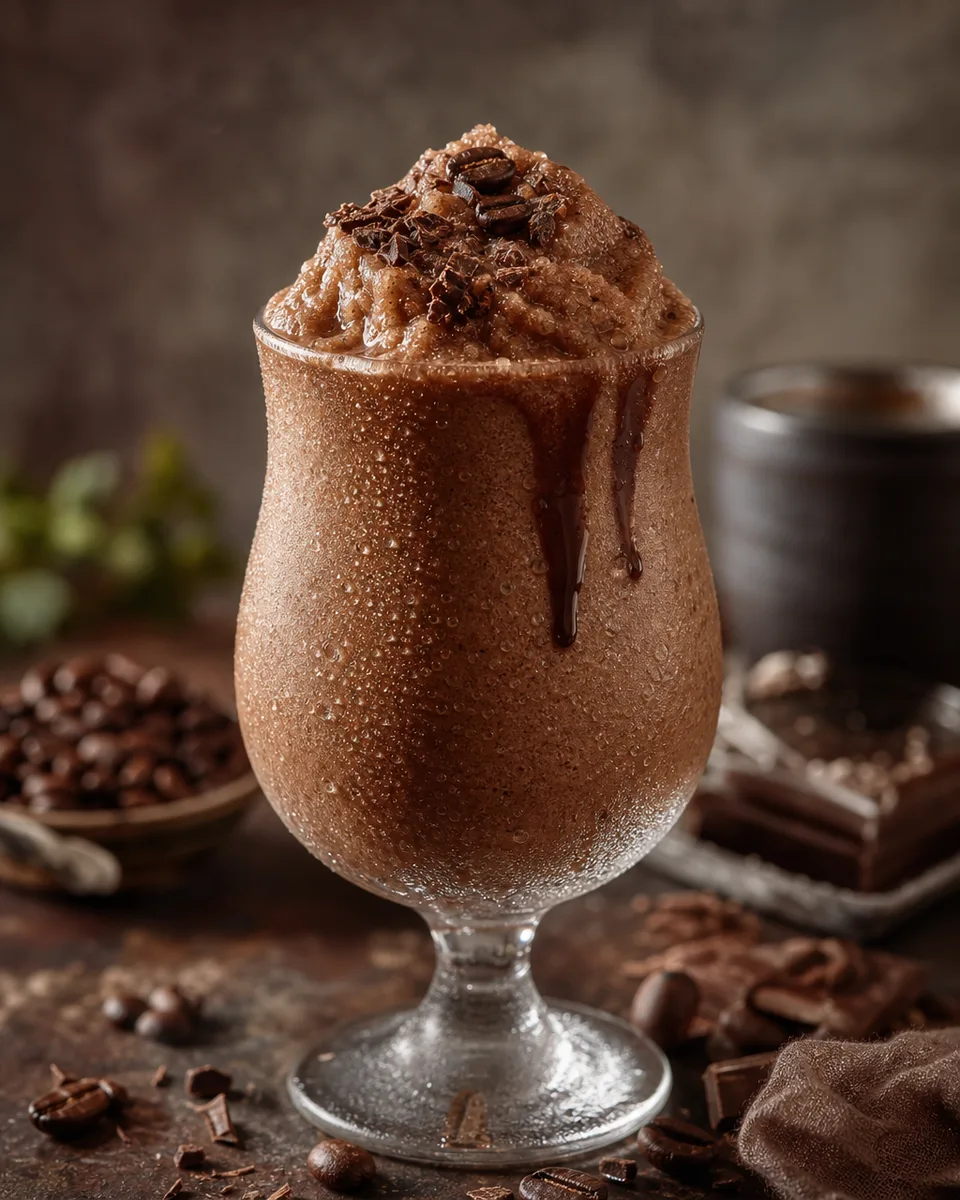
Bicerin Coffee Chocolate Cream Slush
View - CoffeeVerification status: Tried & tested
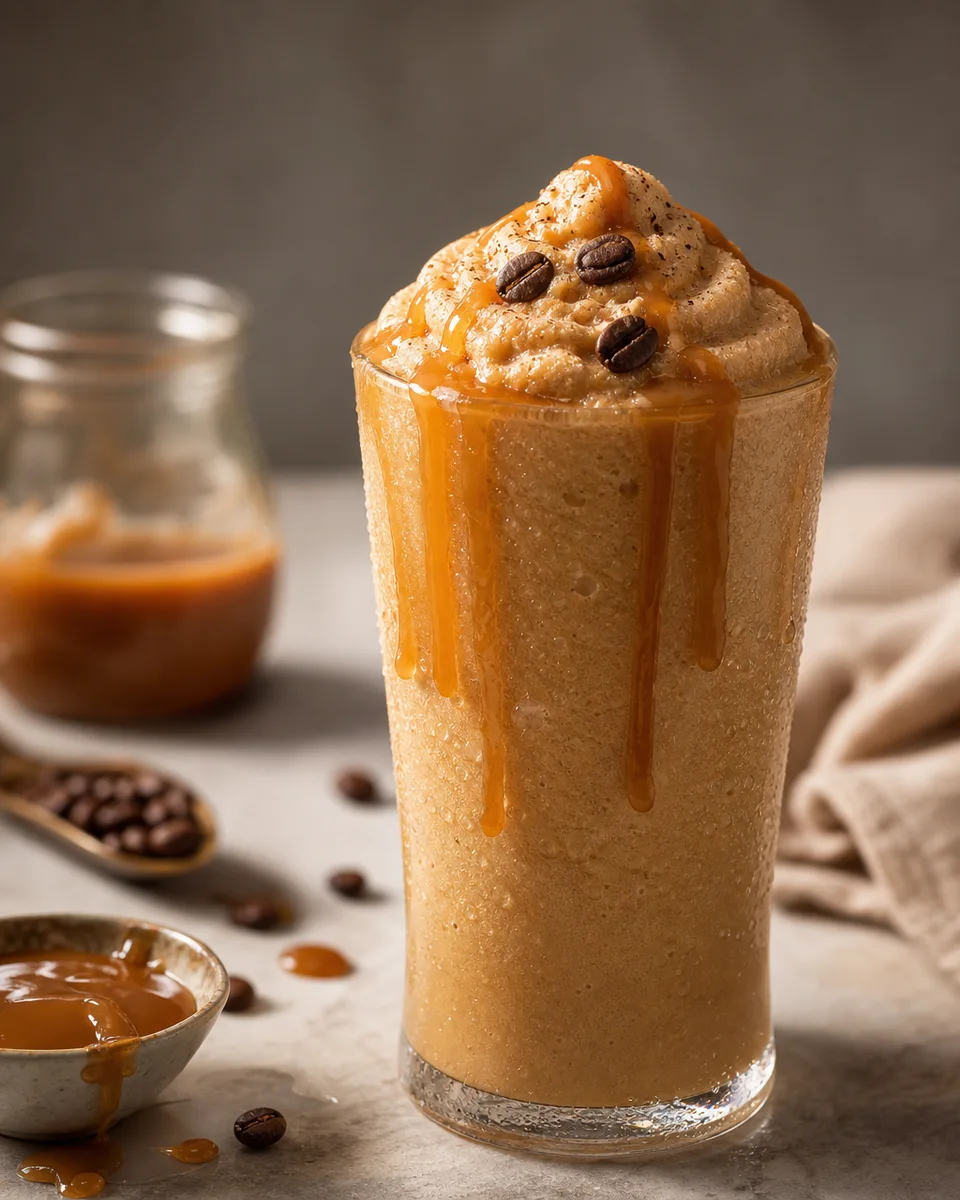
Caramel Espresso Frappe
View - CoffeeVerification status: Tried & tested
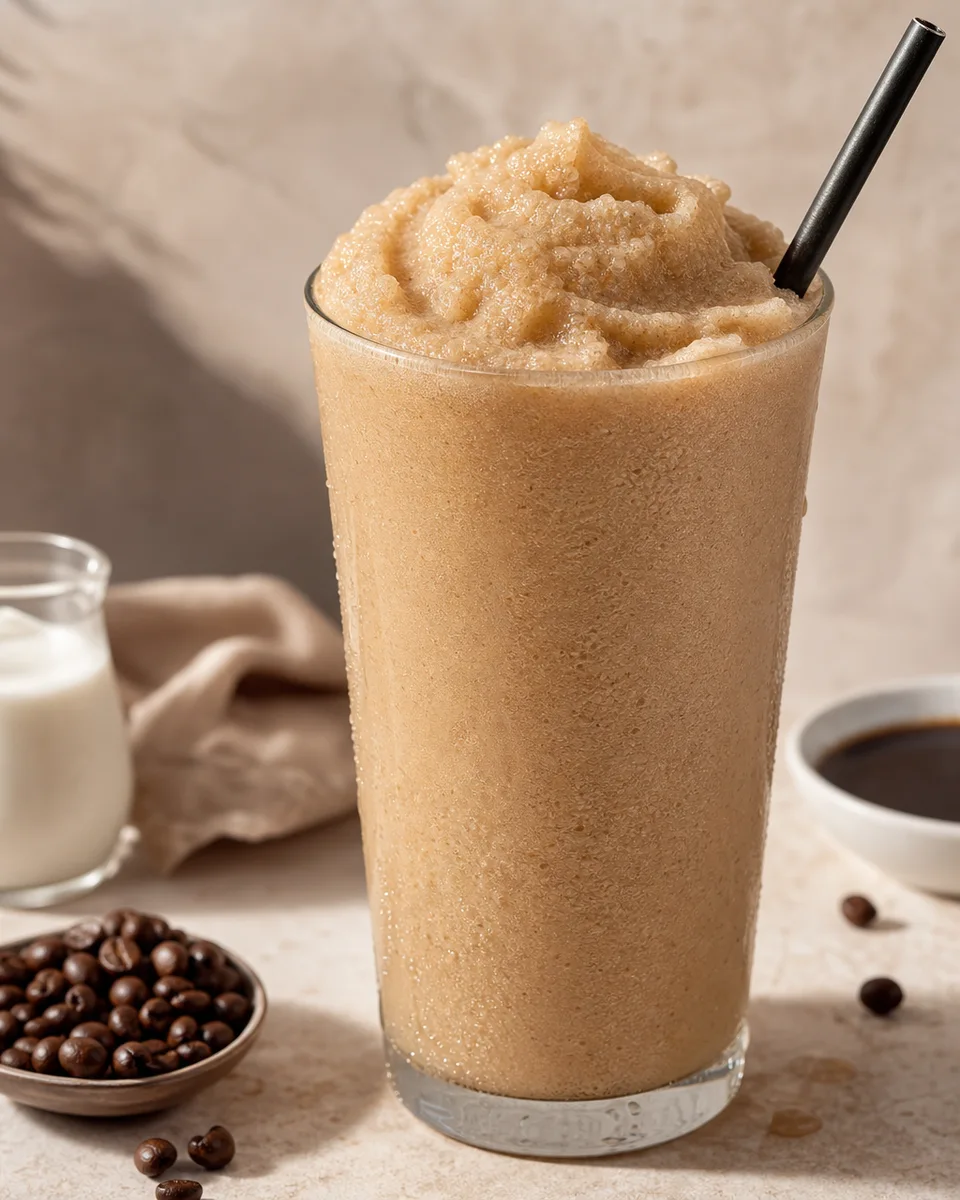
Dalgona Coffee Milk Slush
View - CoffeeVerification status: Tried & tested
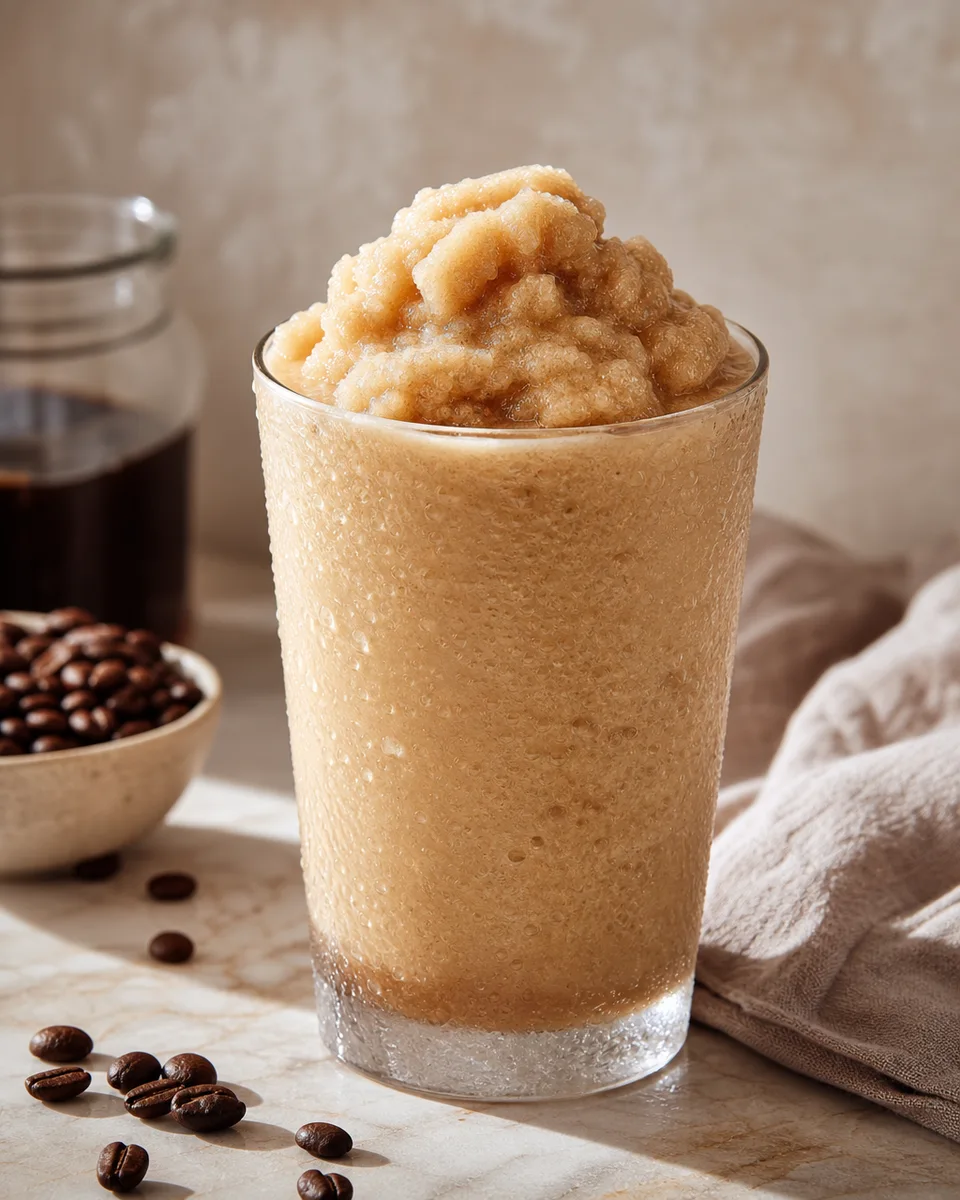
Iced Latte Slush
View