Slushable Blog
Slush Machine Auger Not Turning? (Won’t Churn) Causes + Step-by-Step Fix
If your home slush machine freezes but won’t churn, use this quick checklist to clear jams, fix mix issues, and prevent repeat auger stalls.

Your mix is getting cold… maybe even partially freezing… but the auger/paddle won’t rotate, or it starts and then stops. That usually means the machine is protecting itself from a jam (or the mix is freezing into something the auger can’t move).
TL;DR (Quick Fix)
- Pause the machine and let it rest 10–20 minutes (lid closed) to soften any over-frozen ring.
- Check the mix thickness: if it’s syrupy-thick or ultra-sugary, it can still freeze into a sticky “ice concrete.” If it’s mostly water, it can freeze into a solid block. Both can stall the auger.
- Look for a physical jam: ice chunks, a frozen collar around the bowl, or a stuck seal/spout area.
- Clean + re-seat removable parts (auger, gasket, bowl, lid) and try again.
If it stalls again quickly, jump to Step-by-step fix.
What’s happening (in plain English)
Home slush machines try to keep the mix in a narrow “sweet spot” where it’s cold enough to form tiny ice crystals, but soft enough for the auger to scrape and churn. When the mix gets too frozen, too chunky, or too sticky, the auger motor has to work harder.
Most machines have a stall protection: they’ll stop the motor (or pulse it) so you don’t burn it out.
The main causes
1Over-freezing (ice ring / ice wall)
The bowl can develop a frozen collar on the inside surface. The auger can’t scrape it fast enough, so it binds.
If you’ve ever dealt with a full-on freeze, this is the “early version” of that problem. Related: Why did my slush freeze solid (ice blocks)?
2Mix is out of range (too watery or too concentrated)
- Too watery → forms big hard ice chunks that jam the auger. Related: Why is my slush watery (and how to fix it)?
- Too concentrated / too thick → can freeze into a tacky, high-resistance sludge that stalls the motor.
If you measure sugar by “cups,” it’s easy to drift. A kitchen scale helps: How to measure sugar for slush with a kitchen scale
3Not enough pre-chill (starting too warm)
If you start with room-temp mix, the outside freezes first while the center stays warm. That can create uneven chunks the auger hates.
4Dirty or mis-seated parts increasing friction
A dry gasket, sticky residue, or misaligned bowl can add drag even if the mix is perfect.
5Mechanical issue (coupler, drive gear, worn paddle)
If the motor spins but the auger doesn’t (or it slips), the drive coupler/gear may be worn. This one usually shows up after you’ve ruled out freezing and friction.
Step-by-step fix
0Safety + baseline reset
- Turn the machine off and unplug it before removing parts.
- If your unit has an error light pattern, note it.
- Let the bowl rest 10–20 minutes to soften any frozen collar.
1Confirm what kind of “stall” you have
A. It hums/clicks then stops → likely a jam/over-freeze.
B. It runs but the auger barely moves → likely high friction or a slipping coupler.
C. It won’t run at all (lights flashing, no motor) → you may have a cooling/control issue. Start here: Slush machine not getting cold / flashing lights
2Check for obvious jams (2 minutes)
- Look for ice chunks or a solid frozen sheet on the wall.
- Check the spout area for frozen buildup or stickiness that could be dragging.
- If you see large chunks, let them soften, then break them up gently with a silicone spatula (never metal).
3Remove, clean, and re-seat the parts (10–20 minutes)
- Remove the bowl/auger (as your manual allows).
- Wash off any sticky residue.
- Inspect and re-seat:
- gasket/seal (no twists)
- auger/paddle alignment
- lid fit (some machines won’t run if the lid sensor isn’t engaged)
- Reassemble.
If you haven’t done a proper clean in a while, follow a full clean: How to clean a home slush machine (step-by-step)
4Fix the mix (most common root cause)
If it’s too frozen / jammy:
- Add a small amount of room-temp liquid (a few tablespoons at a time), stir, and let it re-churn.
- Reduce runtime next batch; don’t let it run unattended for hours.
If it’s too watery:
- Expect big ice chunks and stalls.
- Adjust sugar upward (by weight), or use a mix designed for slush.
If it’s too thick/syrupy:
- Dilute slightly.
- Make sure the machine isn’t set to the coldest mode.
Tip: Your goal is “soft serve” movement. If the auger is fighting, you’re outside the workable range.
5Test run (5 minutes)
- Start the churn with the lid fully seated.
- Watch for 2–3 minutes.
- If it stalls immediately again, stop—don’t keep hammering the motor.
6Suspect a mechanical slip
If the mix is in range and the machine is clean/reassembled correctly:
- Look for a worn drive coupler/gear (often a plastic part designed to fail before the motor does).
- Listen for the motor spinning without load.
- Check the auger/paddle for cracks or deformation.
At this point, the right move is usually to order the replacement part (brand-specific) rather than forcing it.
How to prevent it next time
- Start colder: pre-chill your mix in the fridge.
- Don’t run it forever: if your machine doesn’t auto-hold well, stop once it hits the right texture.
- Keep the mix in range: measure sugar by weight when possible.
- Clean + lubricate correctly: keep gaskets clean and properly seated (don’t run with sticky residue).
- Avoid big add-ins: fruit chunks or ice cubes can jam an auger fast.
FAQ
Why does it churn for a minute and then stop?
That’s classic stall protection. The auger meets resistance (over-freeze, chunks, friction), the machine pauses to protect the motor.
Can I just add more liquid to make it move again?
Sometimes, yes—but add small amounts and give it time to re-balance. Too much dilution can push you into watery-slush territory (which can also jam).
Is a grinding noise the same as an auger stall?
Not always. Grinding can be a separate issue (or a sign something is slipping). If that’s your symptom, see: Why is my slush machine making a grinding noise?
Do I need to defrost the whole bowl?
Only if you have a full ice ring or solid block. Often a 10–20 minute rest plus a quick stir is enough.
How do I know if it’s mechanical vs mix-related?
If you can churn water-thin liquid easily but it stalls on normal mix, it’s usually mix/temperature. If it slips or won’t turn even when empty/clean, suspect a coupler/gear issue.
Related reading
Recipes to make next
Slush recipes from the library that fit this guide — every one balanced to freeze in a home machine.
- StrawberryVerification status: Tried & tested
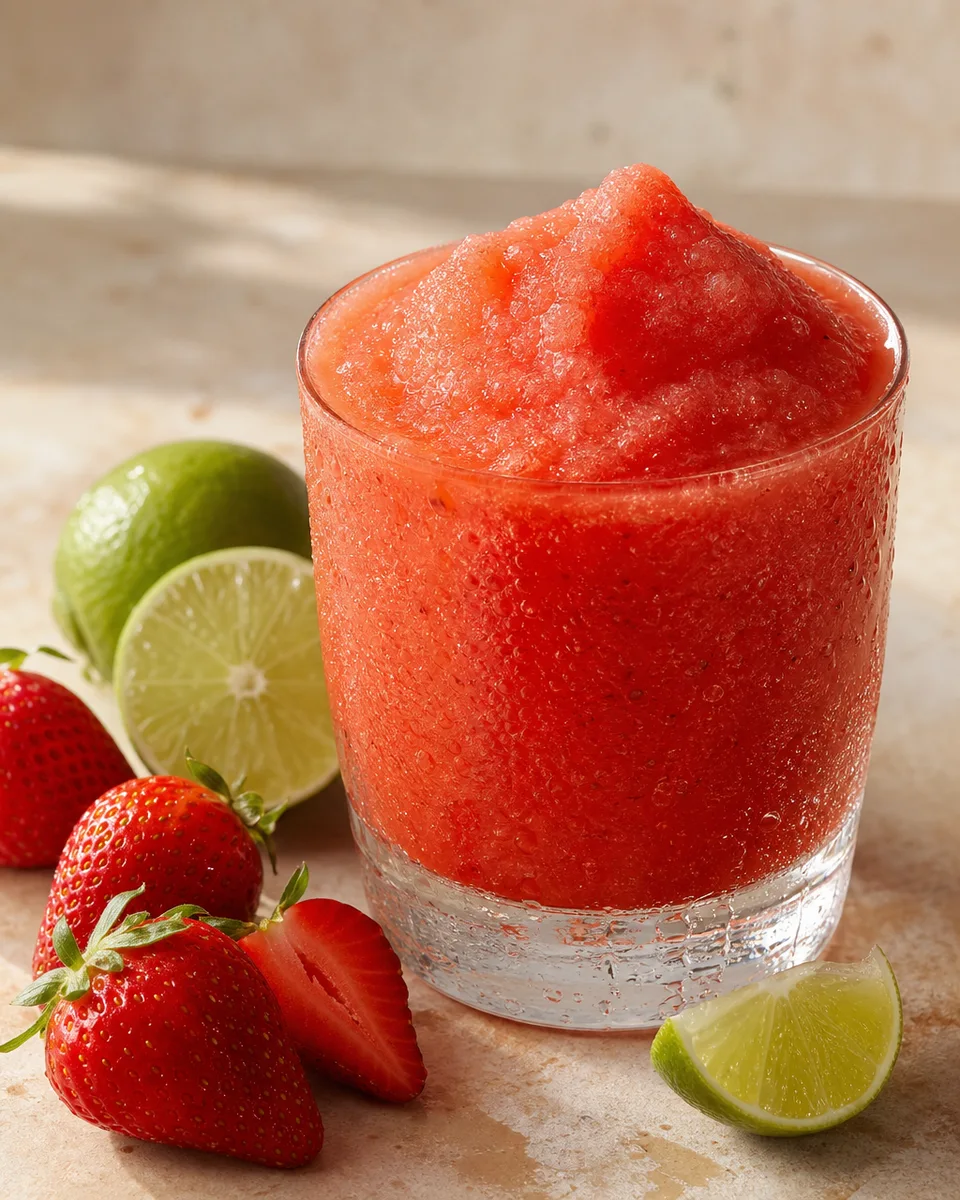
Frozen Strawberry Daiquiri Slush
View - LimeVerification status: Tried & tested

Frozen Margarita Slush
View - PineappleVerification status: Tried & tested

Frozen Piña Colada Slush
View - BourbonVerification status: Tried & tested

Bourbon Walnut Old Fashioned Slush
View - BananaVerification status: Tried & tested

Banana Mama Slush
View - LimeVerification status: Tried & tested
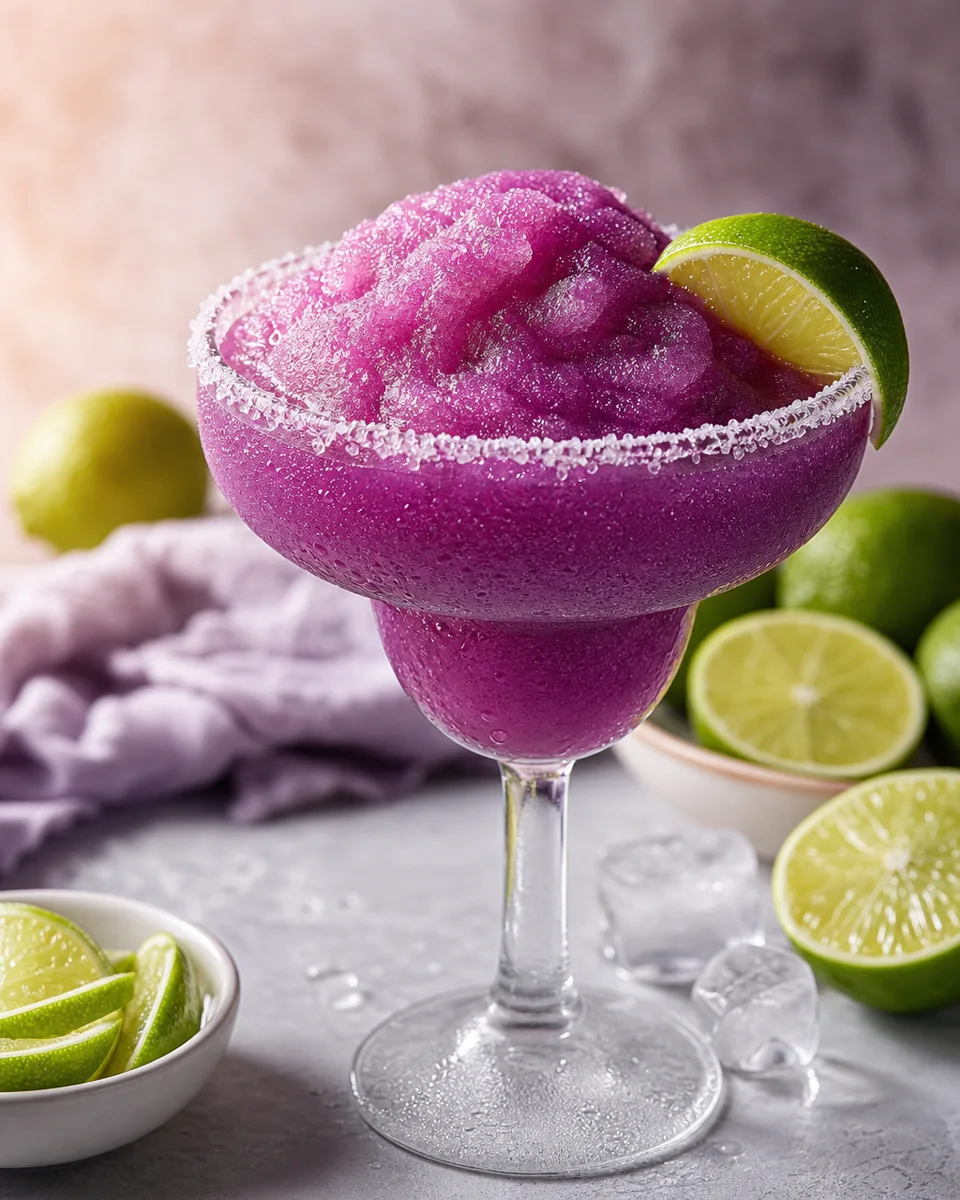
Bomb Pop Margarita Slush
View