Slushable Blog
Slush Machine Thickness Setting: How to Adjust It (Without Freezing Solid)
Learn what the slush machine thickness setting actually controls, how to dial in texture, and what to do if you get watery slush or an ice block.

If you’re staring at the dial/button that says thickness and wondering what it actually does, you’re not alone. The slush machine thickness setting is basically your machine’s way of deciding how aggressively it chills (and sometimes how it cycles) to land on a target texture.
Turn it the wrong way and you can end up with either watery slush that never sets up… or a frozen solid ice block that won’t churn.
TL;DR (Quick Fix)
- Start in the middle thickness setting (not max).
- Give the machine time to stabilize: 20–40 minutes after a change before judging.
- If it’s watery, the usual culprit is the mix (too little sugar / too warm), not “more thickness.”
- If it’s freezing solid, back the thickness down and check your sugar/Brix (your mix may be too low-sugar).
- Make small changes (one step at a time), then wait.
What the thickness setting actually controls (in plain English)
On most home slush machines, “thickness” is shorthand for: how cold the machine drives the bowl/cylinder before it relaxes.
- A higher thickness setting usually means the machine targets a colder surface temperature, which increases ice formation and makes a thicker texture.
- A lower thickness setting usually means it stops chilling sooner, which reduces ice formation and stays looser.
Two important reality checks:
-
The thickness setting can’t fix a mix that’s outside the “slushable” range.
-
Slush texture is a balance between temperature and sugar concentration (often discussed as Brix). Sugar lowers the freezing point (freezing point depression), which is why the right mix can stay scoopable instead of turning into a brick.
Why “max thickness” often backfires
Cranking thickness to max feels logical: “I want thicker slush.” But if your mix is already near the edge of freezing, max thickness can push it into:
- Ice sheets on the walls
- Hard clumps that the auger can’t break up
- A churn that slows down or stalls
That’s when people assume something is broken—when the machine is really just over-freezing the mix.
The main causes of thickness problems
1The mix isn’t slush-friendly (Brix too low)
If there isn’t enough dissolved sugar (or other freezing-point-lowering solids), the machine can only make two states:
- liquid
- ice
Not the “in between” texture you want.
2Warm starting temperature and refill habits
If you pour in room-temp mix, add too much at once, or keep topping up, the machine is constantly recovering. The thickness setting won’t feel consistent because the system never stabilizes.
3Ambient temperature + airflow
A warm kitchen, direct sun, or blocked vents can reduce the machine’s ability to hold a stable texture. You’ll chase the thickness setting when the real issue is heat.
4Dirty bowl/cylinder or a “slippery” film
A thin film from sugar, oils, or incomplete rinsing can change how ice forms on the cold surface. That can look like “it won’t thicken” or “it makes chunks.”
How to adjust the thickness setting (step-by-step)
Use this process any time you change mix, move the machine, or clean it.
-
Start at the middle setting
- If your machine has 1–5, start at 3.
- If it’s a dial, start roughly at the 12 o’clock position.
-
Run a full stabilization cycle (don’t peek too early)
- Wait 20–40 minutes before deciding.
- Early texture can be misleading (especially right after filling).
-
Evaluate the symptom
-
If it’s still too thin / watery:
- First ask: Is the mix cold enough yet?
- Then ask: Is the mix slushable? (see next section)
-
If it’s too thick / starting to freeze solid:
- Turn thickness down one step.
- Let it run another 15–30 minutes.
-
-
Make one change at a time Don’t adjust thickness and change ingredients and add ice and move the machine. You won’t know what fixed it.
-
Once it’s dialed, resist constant tweaking Slush machines like steady-state. Small refills and frequent knob-turning usually make results worse.
If it’s watery: what to do (without just turning thickness up)
Watery slush is often a mix problem, not a knob problem.
Try this:
- Keep the machine running long enough (especially after a refill).
- Chill your mix in the fridge before pouring it in.
- Confirm your sugar level by measuring by weight (most “eyeballed” mixes end up low).
If you want the underlying explanation and a practical way to measure, start here:
If it freezes solid: how to recover
If you’ve already got an ice block situation:
- Turn thickness down and keep the machine on.
- Stop topping up until it softens.
- If your model allows it, use a rest period (some machines cycle cooling) and give it 10–20 minutes to loosen.
- Once it starts moving again, don’t jump straight back to max thickness.
If this keeps happening, your mix is likely outside the slush range (often sweetness/Brix). This deep dive may help:
Troubleshooting: symptom → likely cause → fix
- Watery after an hour → mix too warm or too low sugar → chill the mix; verify sugar/Brix; then adjust thickness slightly.
- Icy walls + liquid center → thickness too high or poor circulation → lower thickness one step; avoid overfilling; give it time.
- Auger slows / stalls → freezing too aggressively or ice clumps → lower thickness; let it soften; confirm mix is slushable.
- Works sometimes, fails on warm days → heat/airflow issue → move away from sun; clear vents; improve room airflow.
FAQ
Does a higher thickness setting make slush colder?
Usually yes. In practice, it makes the machine push toward a colder freezing surface (or longer cooling time), which creates more ice—that’s what feels “thicker.”
Why does thickness feel different with different drinks?
Different liquids freeze differently. Sugar content, alcohol, acids, and syrups all change the freezing point. The same thickness setting can be perfect for one mix and a disaster for another.
Should I adjust thickness every time I refill?
Try not to. Refill in smaller amounts, use pre-chilled mix, and let the machine recover. Constant thickness changes usually create a texture rollercoaster.
My machine has numbers—what number is “best”?
There isn’t a universal “best” number across models. Treat the middle setting as your baseline, then adjust one step at a time based on symptoms.
Related reading
- /blog/slush-machine-not-freezing-stays-liquid
- /blog/why-did-my-slush-freeze-solid-ice-blocks
- /blog/slush-machine-freezing-unevenly
Recipes to make next
Slush recipes from the library that fit this guide — every one balanced to freeze in a home machine.
- StrawberryVerification status: Tried & tested
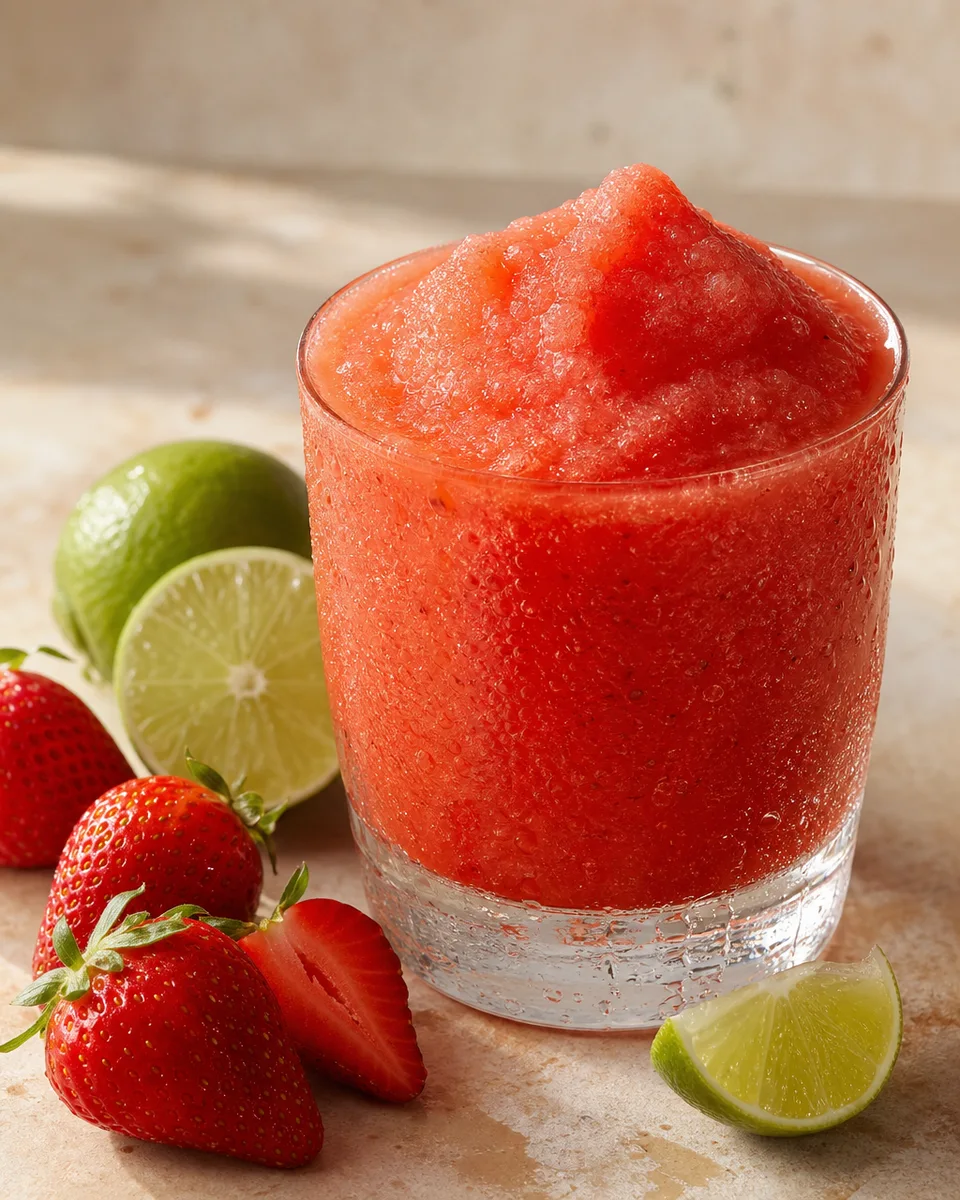
Frozen Strawberry Daiquiri Slush
View - LimeVerification status: Tried & tested
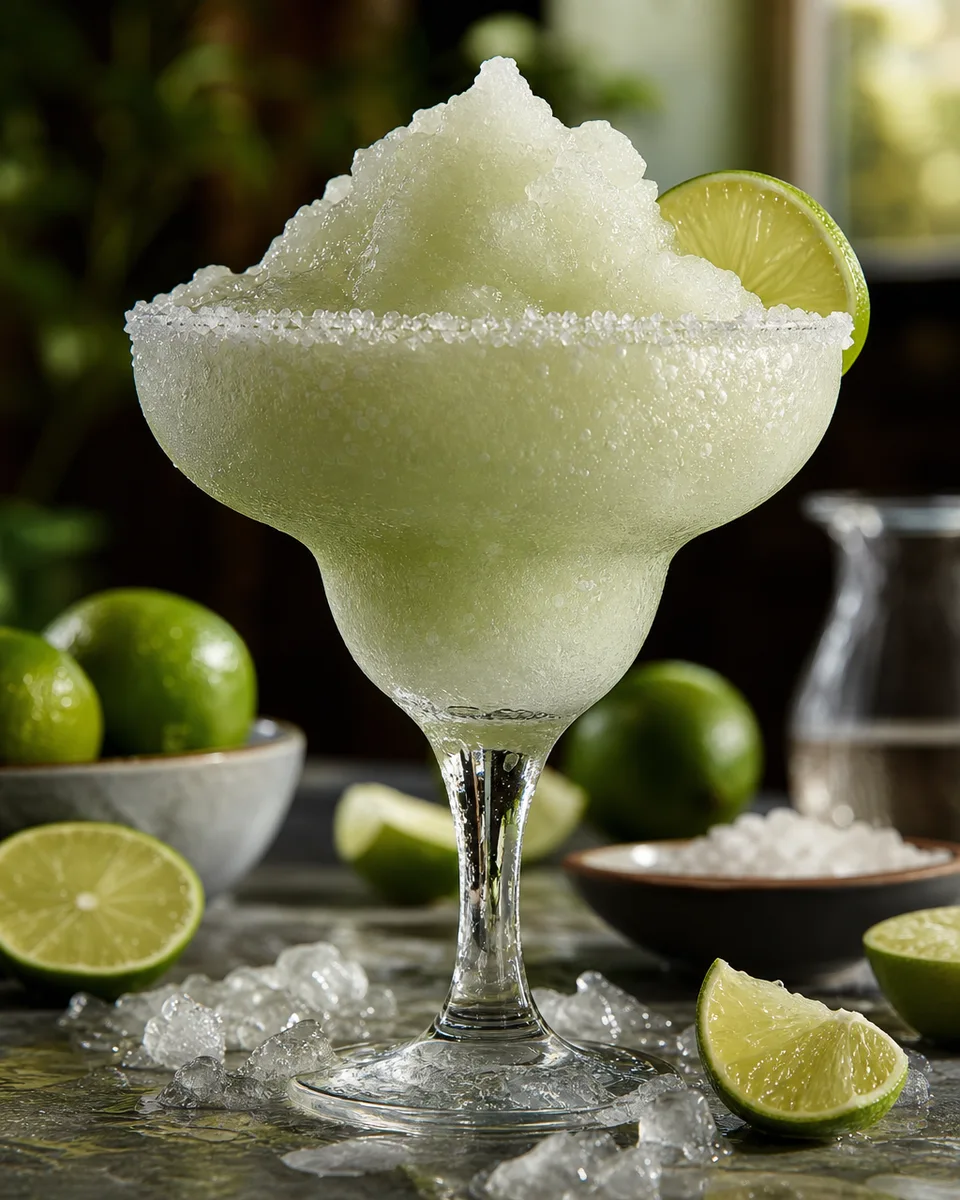
Frozen Margarita Slush
View - PineappleVerification status: Tried & tested

Frozen Piña Colada Slush
View - PineappleVerification status: Tried & tested

Piña Colada Slush
View - PineappleVerification status: Tried & tested
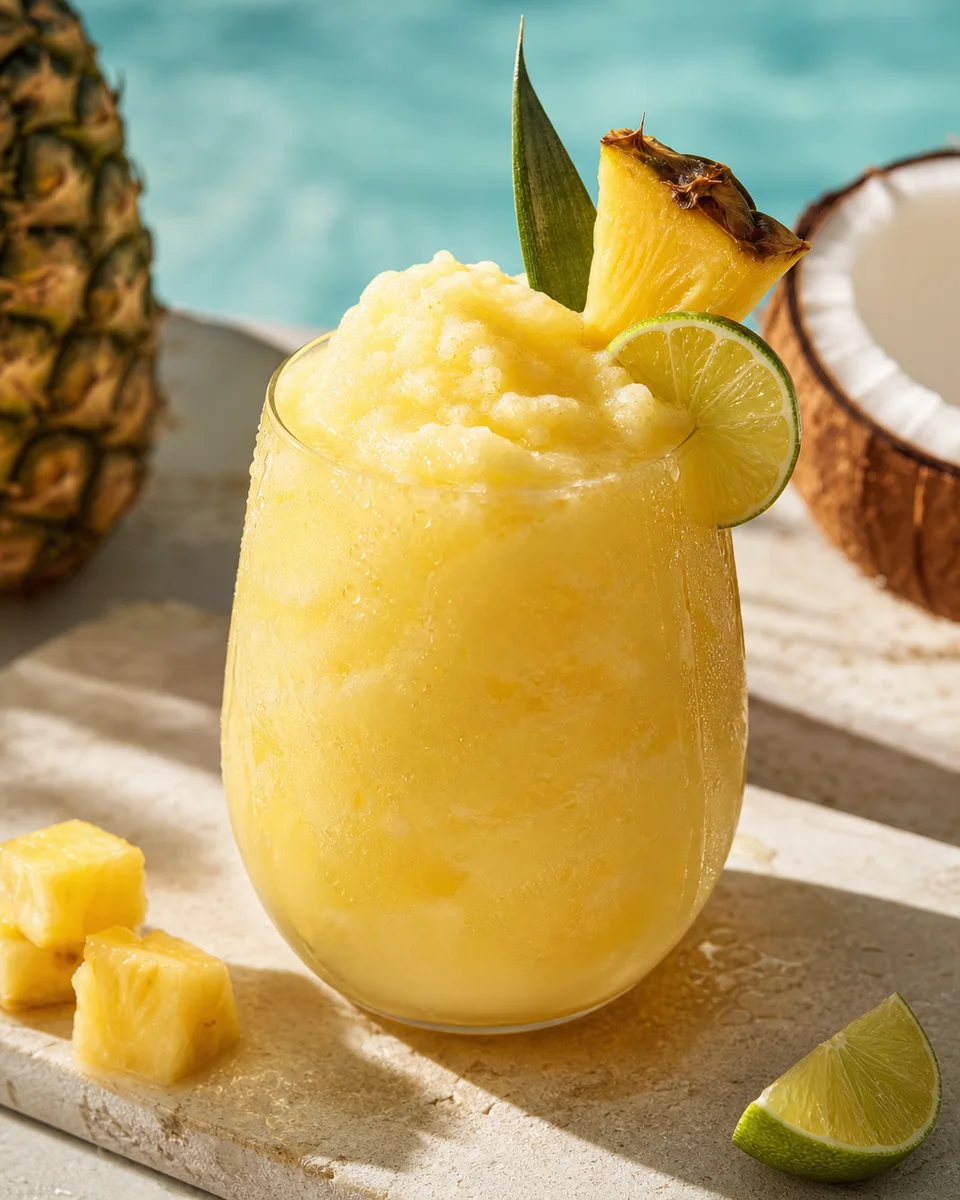
Pineapple Coconut Tequila Slush
View - PeachVerification status: Tried & tested
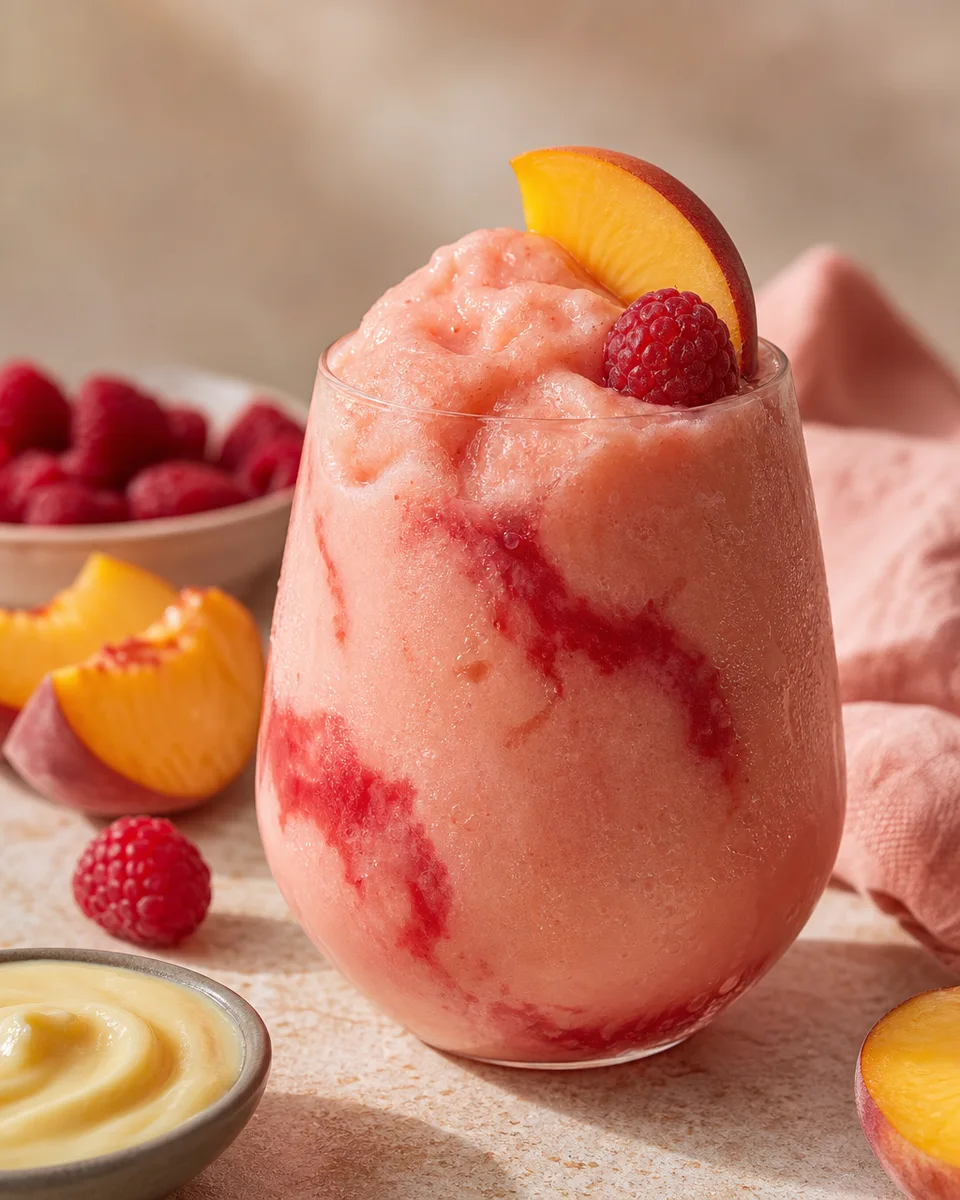
Peach Melba Smoothie Slush
View