Slushable Blog
How to Make 3:1 Simple Syrup When You Need Extra-Rich Syrup
Make concentrated 3:1 simple syrup with three parts sugar to one part water by weight. Learn when to use it, how to avoid crystals, and how to dose it carefully.

3:1 simple syrup is the small, serious bottle in the fridge.
It is not the syrup I would make for a child's lemonade stand or a lazy Saturday iced coffee. For that, make 1:1 simple syrup. If you want a strong all-purpose cocktail syrup, make 2:1 rich simple syrup.
But when you need concentrated sweetness with the least added water, 3:1 simple syrup earns its place. It is three parts sugar to one part water by weight, very dense, very sweet, and useful in tight slush batches where a little extra volume matters.
The Short Answer
For a small bottle of 3:1 simple syrup:
- Weigh 300 g sugar.
- Weigh 100 g water.
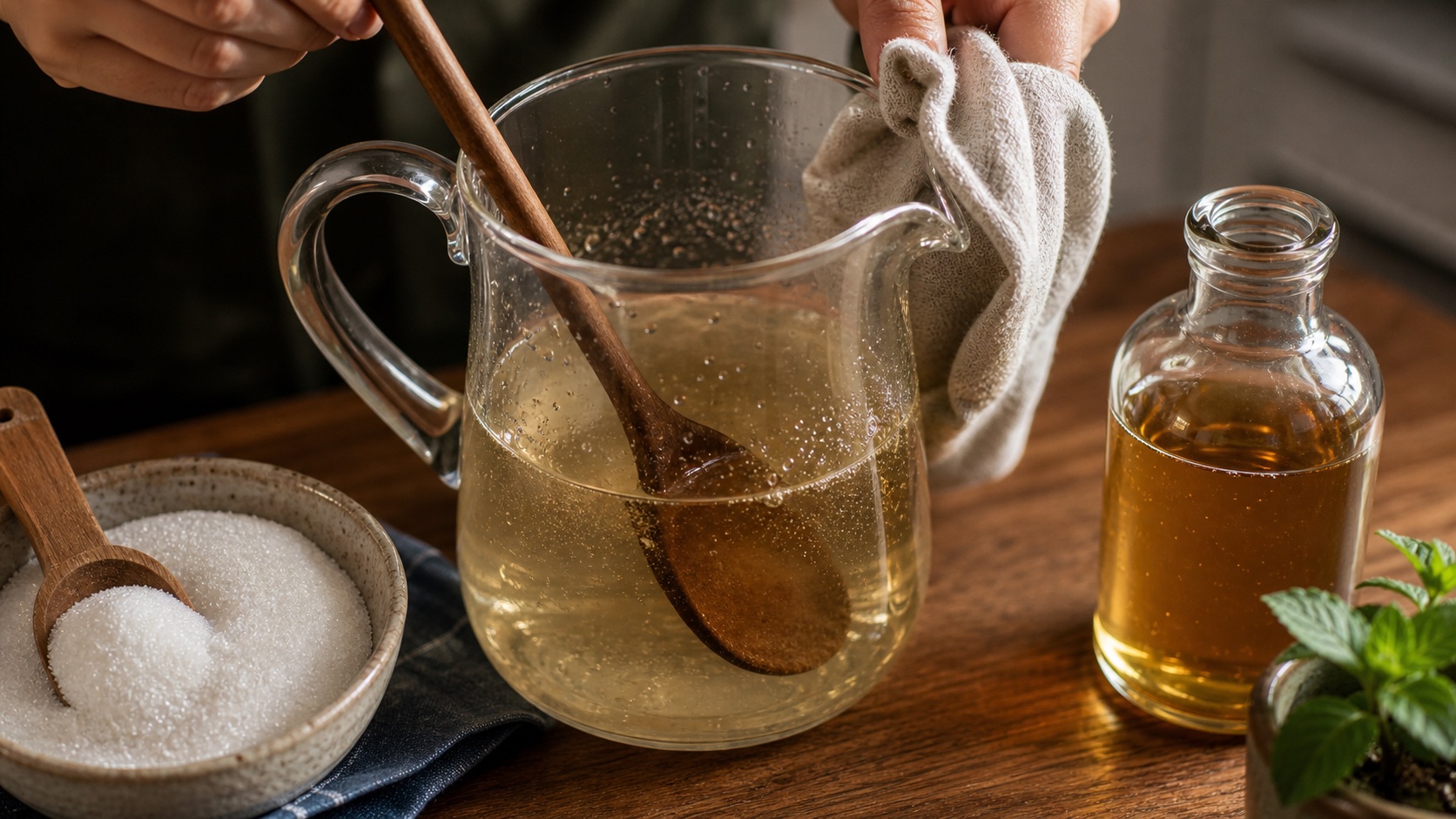
- Warm gently, adding the sugar in stages.
- Stir until completely clear.
- Cool, bottle, label, and refrigerate.
The finished syrup lands around 75% sugar by weight. It is powerful. Dose it in small amounts and do not treat it like standard simple syrup.
When 3:1 syrup makes sense
Use 3:1 syrup when you need a concentrated correction, not when you simply want something sweet around the house.
It helps when:
- a slush batch needs more dissolved sugar but the hopper is nearly full.
- a cocktail needs sweetness without much extra water.
- you are making a syrup bottle for very small, precise pours.
- you want the fridge life of a high-sugar syrup.
It is less helpful when:
- you are casually sweetening tea, coffee, or lemonade.
- you do not want to weigh ingredients.
- your recipe already tastes syrupy.
- you dislike careful conversions.
In everyday home terms: 3:1 syrup is a tool, not a default.
3:1 simple syrup recipe by weight
| Batch size | Sugar | Water | Best use |
|---|---|---|---|
| Tiny bottle | 150 g | 50 g | Testing, cocktails, small slush corrections. |
| Small bottle | 300 g | 100 g | Practical home batch. |
| Prep bottle | 600 g | 200 g | Parties or repeated machine batches. |
Use a scale. With 3:1 syrup, volume measurements get messy quickly because sugar packs differently and the finished syrup is dense.
Method: dissolve it like you mean it
1Warm the water first
Put the water in a small saucepan and warm it over medium-low heat.
2Add sugar in stages
Add about one third of the sugar, stir until mostly dissolved, then repeat. This is slower than dumping everything in, but it helps prevent a hard mound of sugar from sitting on the pan bottom.
3Keep it below a hard boil
A simmer is plenty. You are dissolving sugar, not making caramel. If the pan boils hard, turn the heat down.
4Stir until truly clear
Check the spoon and pan corners for grit. If there is grit, there are seed crystals. Those can encourage crystallization in the bottle later.
5Cool and bottle
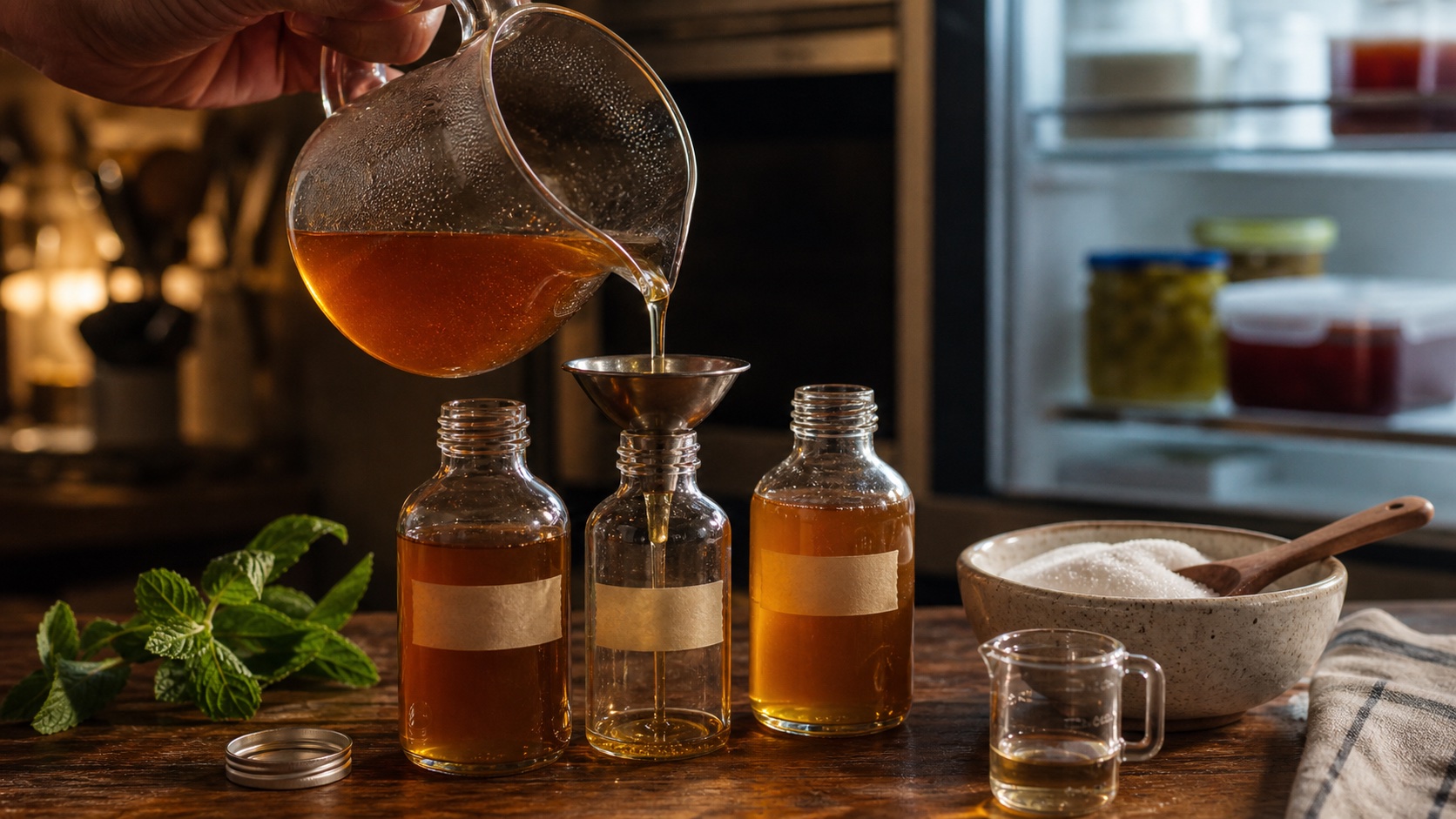
Cool the syrup, then bottle it in a very clean jar. Label it clearly: 3:1.
How to use 3:1 syrup without overshooting
3:1 syrup is easy to overuse. A small pour carries a lot of sugar.
Use this rough conversion when replacing 1:1 syrup:
- If a recipe uses 1 oz 1:1 syrup, start with 1/2 oz 3:1 syrup.
- If a recipe uses 3/4 oz 1:1 syrup, start with 1/3 to 1/2 oz 3:1 syrup.
- If a recipe uses 1 tbsp 1:1 syrup, start with 1 1/2 tsp 3:1 syrup.
Then taste and adjust. For slush, do not judge immediately. Let the syrup distribute and let the machine stabilize.
Using 3:1 syrup in slush
This is where 3:1 syrup is most useful for Slushable readers.
Say a batch tastes good, but the machine is scraping up icy, hard texture because the dissolved sugar is too low. You could add 1:1 syrup, but that adds a lot of water. If the hopper is already close to its fill line, 3:1 syrup gives you a tighter correction.
Add it cold and slowly:
- Start with a very small dose.
- Let the auger mix it through the whole bowl.
- Wait 10 to 15 minutes.
- Use the Sugar to Brix calculator or the simple syrup calculator if you want the numbers.
If the slush turns soft, syrupy, or slow to set, you have gone too far. Add water only if the recipe can afford dilution, or record the result and reduce the syrup next time.
How to avoid crystallization
Crystals are the main annoyance with very concentrated syrup.
To reduce the odds:
- make sure every bit of sugar is dissolved before bottling.
- use a clean jar with no dry sugar on the rim.
- avoid letting the syrup reduce too much while hot.
- refrigerate after cooling.
- do not seed the bottle with a sugar-dusted spoon.
If crystals form, warm the sealed bottle gently in a bowl of hot water and shake until they dissolve. If they keep coming back, add a small splash of hot water, shake, and relabel the syrup as a slightly lighter batch.
Storage
3:1 syrup has a high sugar concentration, so it resists spoilage well when heated, bottled cleanly, and refrigerated. Still, do not treat it as magic.
Keep it cold. Keep it clean. Discard it if it turns cloudy, smells fermented, grows mold, or pressurizes oddly when opened.
FAQ
Is 3:1 syrup the same as rich simple syrup?
It is extra-rich simple syrup. Most people mean 2:1 when they say rich simple syrup, so label 3:1 clearly in your recipes.
Is 3:1 syrup the same as rock candy syrup?
Some people use "rock candy syrup" for very rich syrups, but naming is inconsistent. If precision matters, write the ratio by weight.
Should I use 3:1 syrup in every cocktail?
No. It can make drinks too sweet very quickly. Use it when you want concentrated sweetness with minimal water.
Related reading
Recipes to make next
Slush recipes from the library that fit this guide — every one balanced to freeze in a home machine.
- Blue raspberryVerification status: Tried & tested
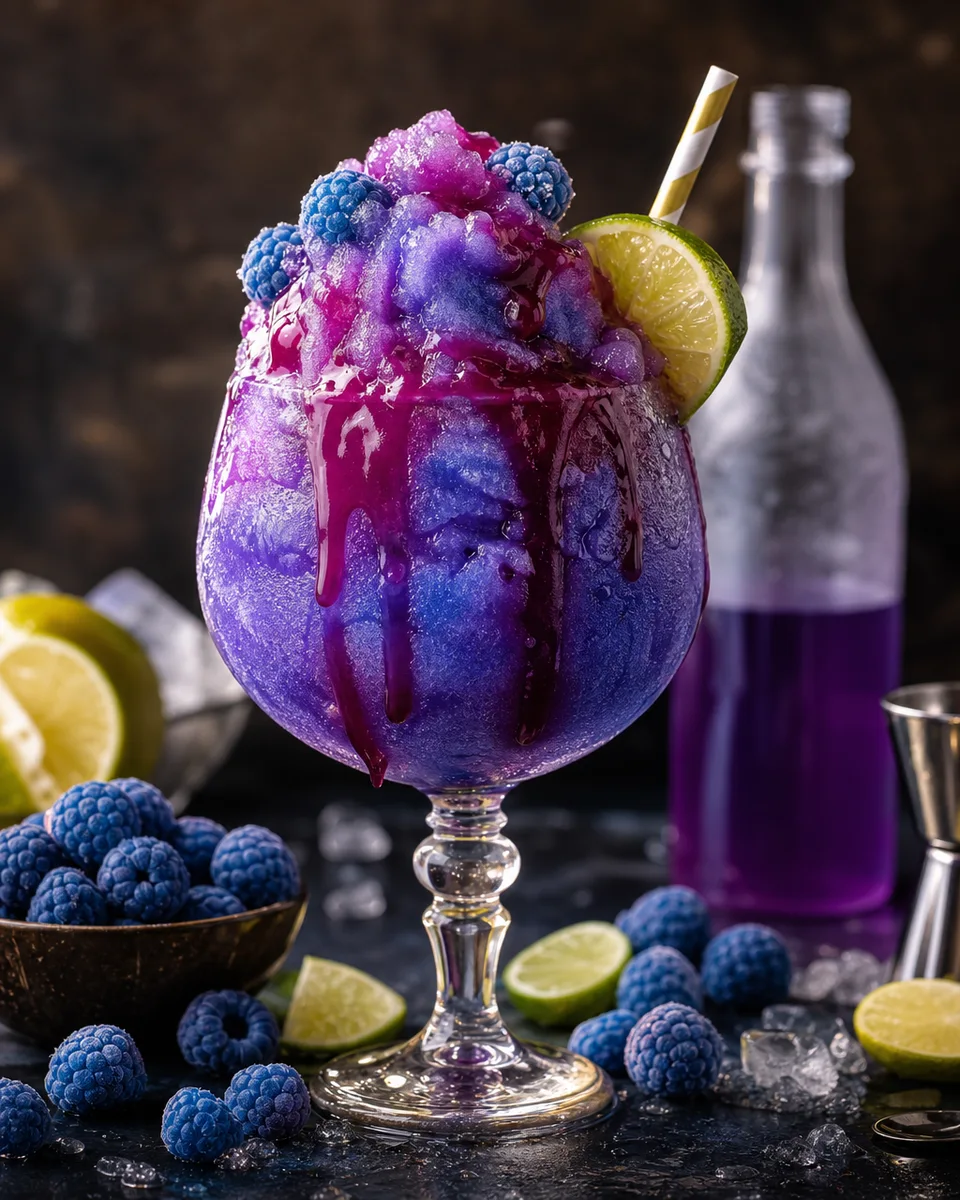
Blue Raspberry Spiked Slush Cocktail Recipe
View - LemonVerification status: Tried & tested
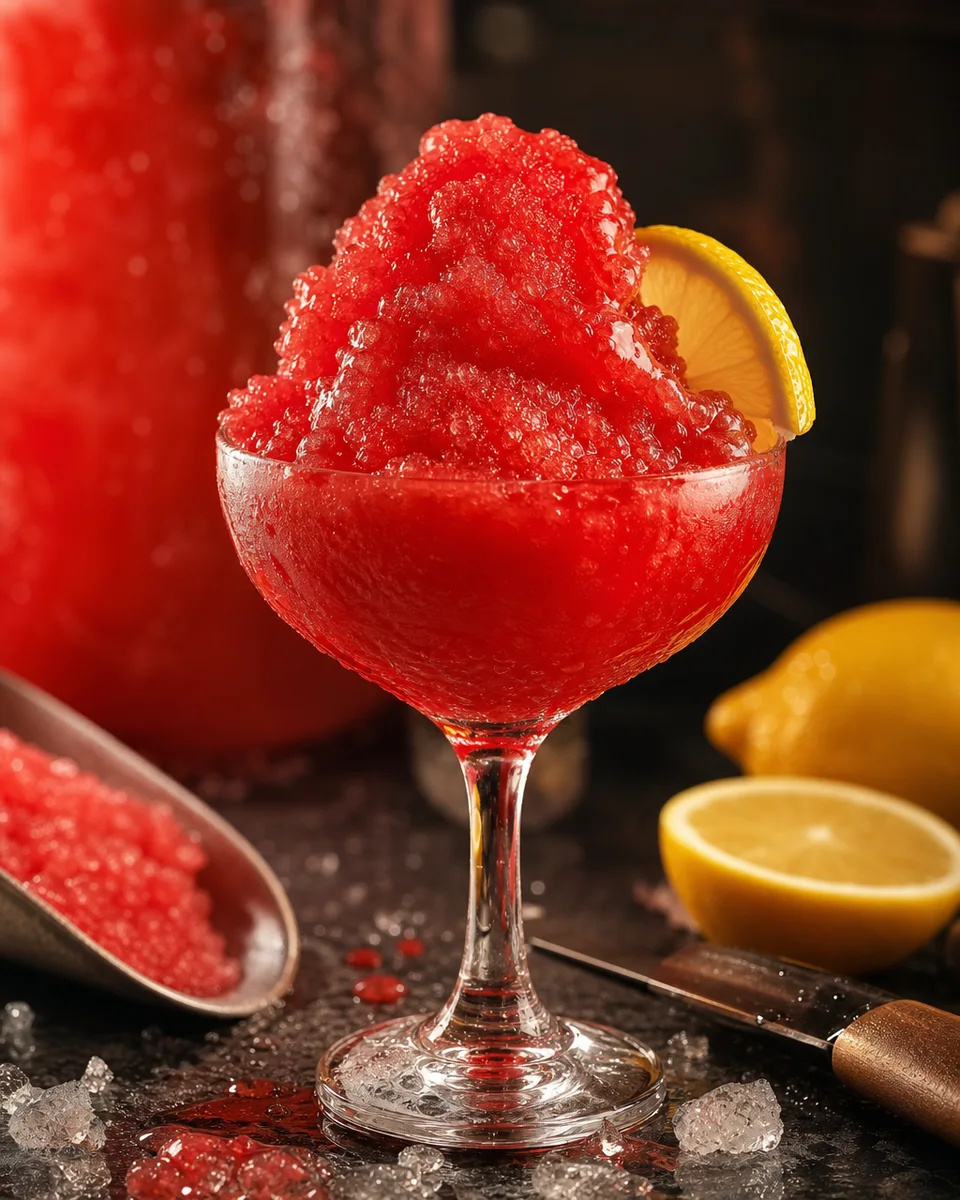
Scofflaw Rye Cocktail
View - ProseccoVerification status: Tried & tested
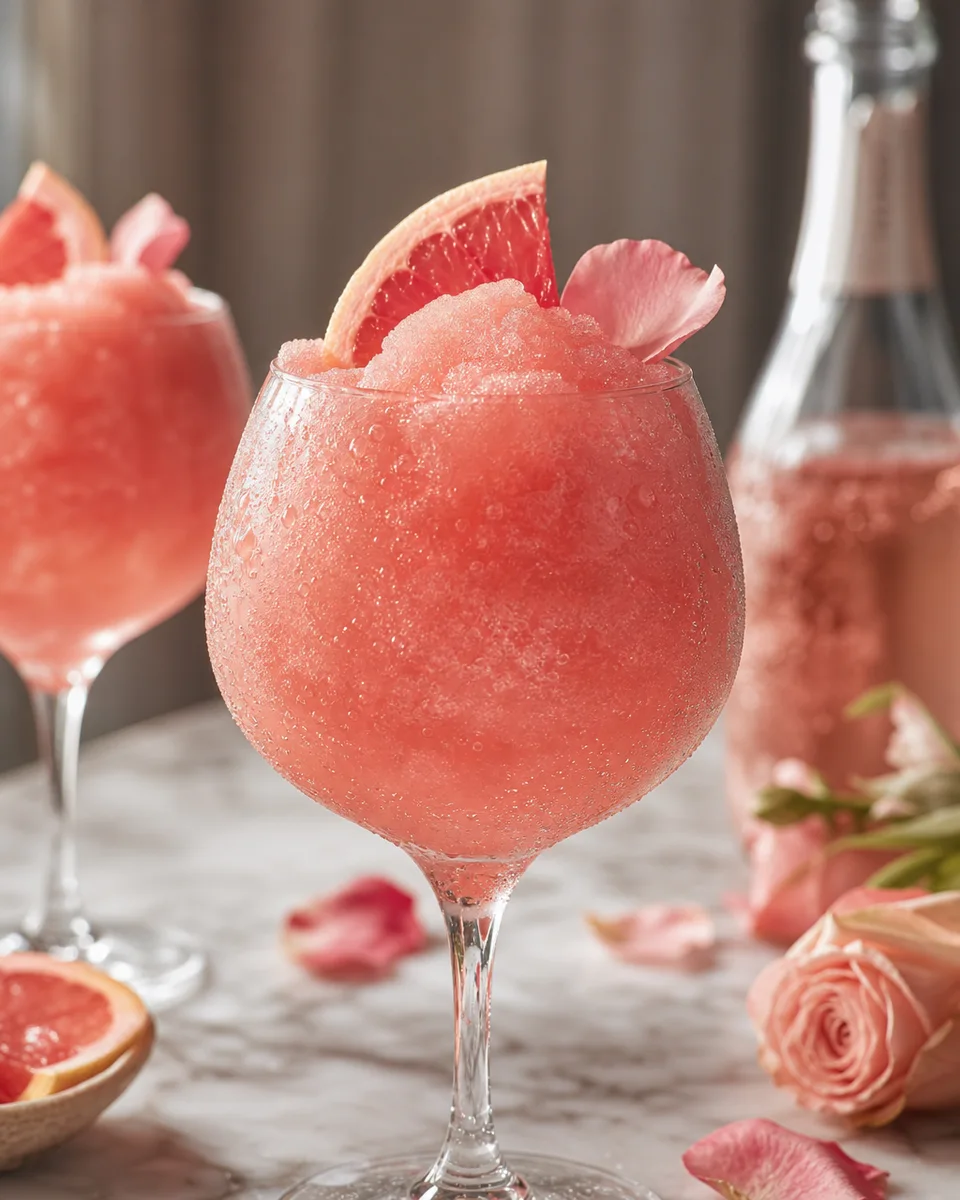
Sarti Rosa Prosecco Spritz Slush
View - ProseccoVerification status: Tried & tested
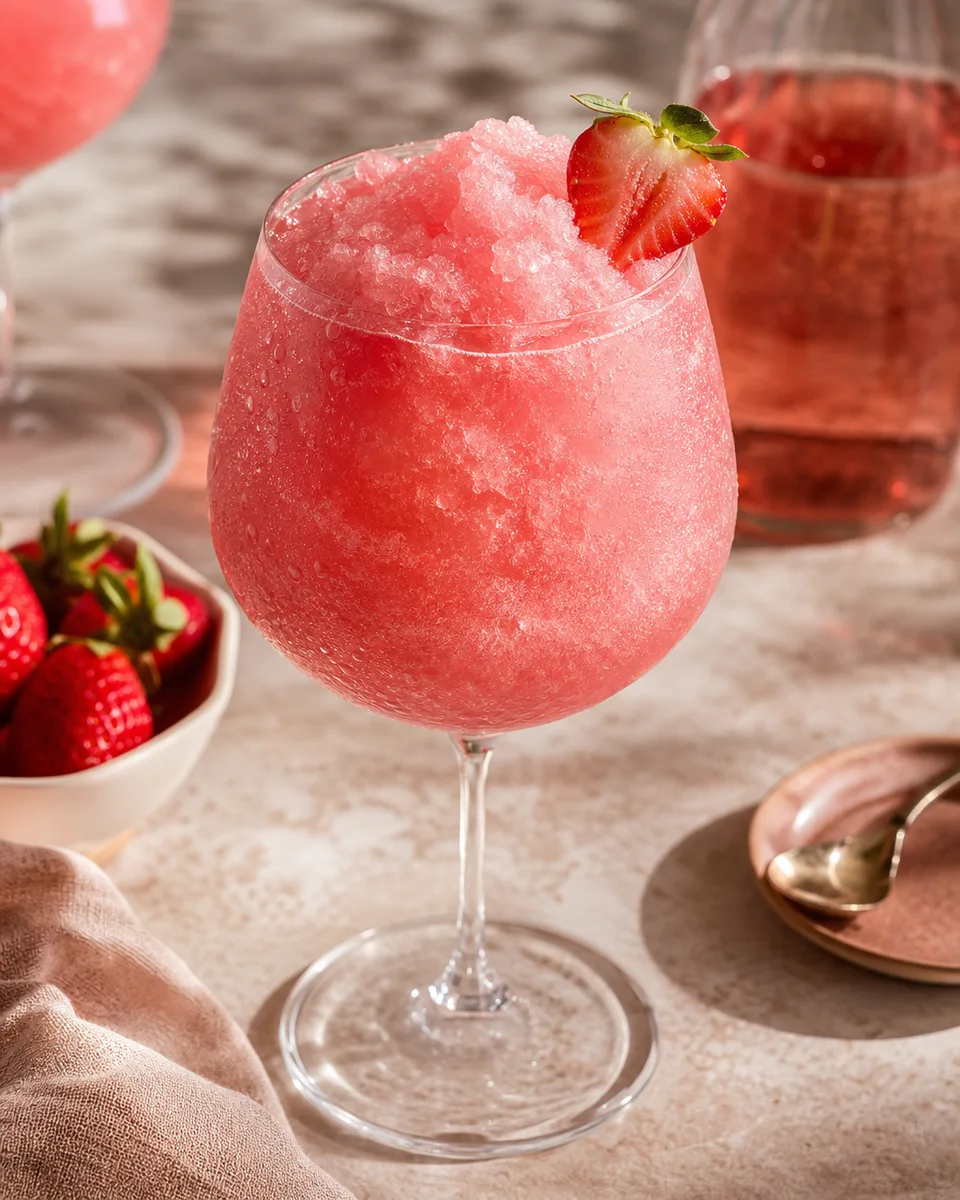
Sarti Spritz Slush
View - PeachVerification status: Tried & tested
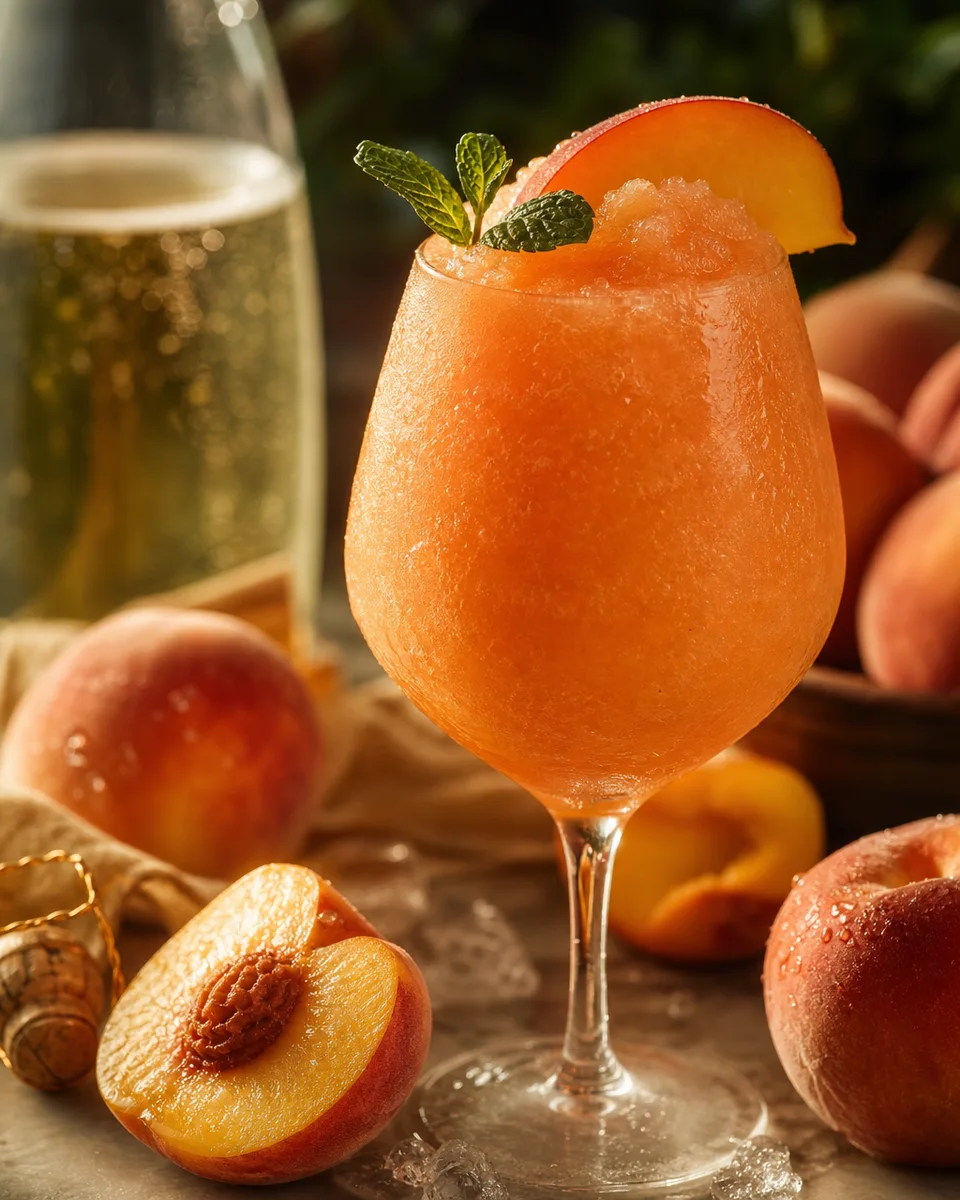
Peach Prosecco Bellini Slush
View - ProseccoVerification status: Tried & tested
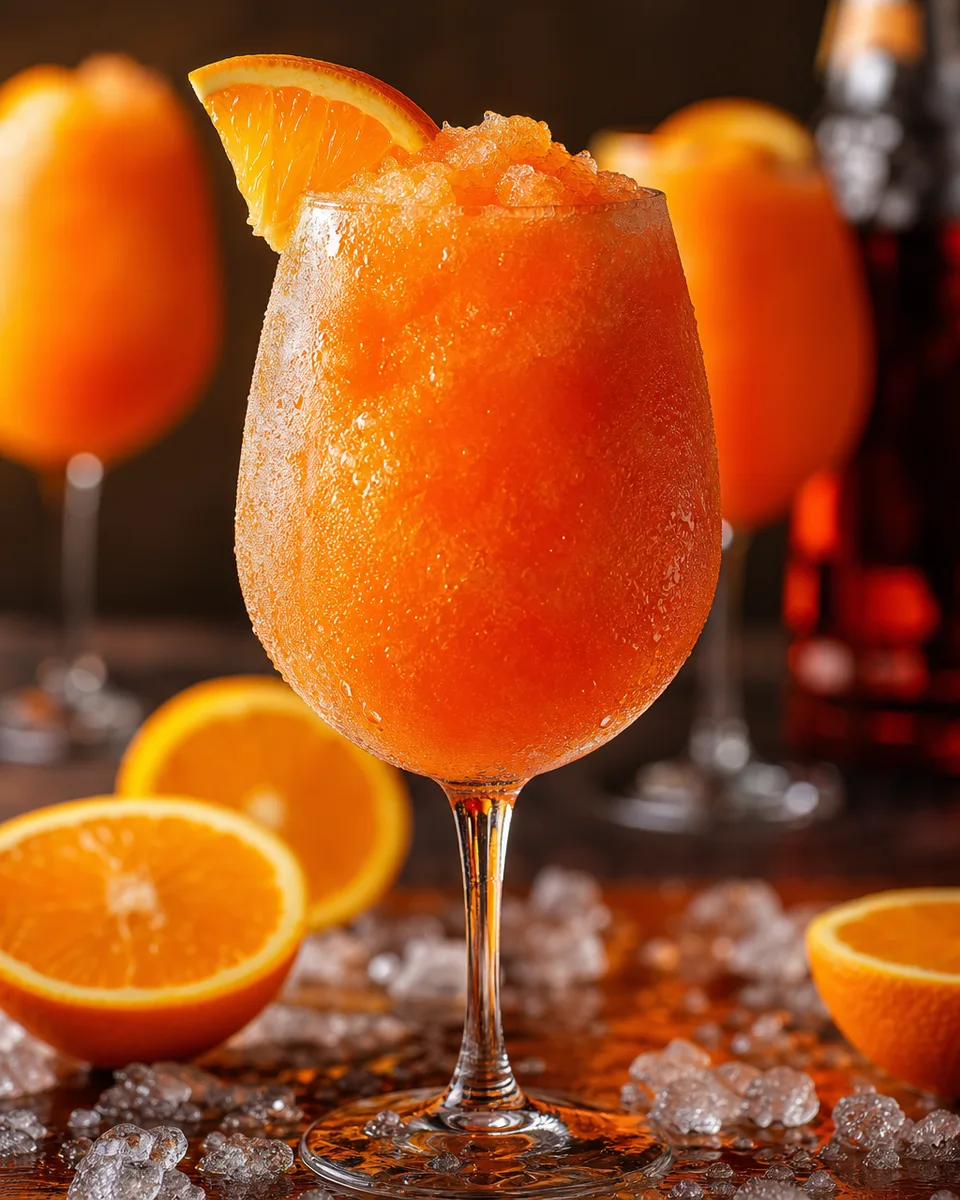
Aperol Spritz
View