Slushable Blog
How to Make 2:1 Rich Simple Syrup for Cocktails and Slush
Make rich 2:1 simple syrup with two parts sugar to one part water by weight. A practical guide for cocktails, slush batches, storage, and clean measuring.

Rich simple syrup is what you make when the drink needs sweetness, body, and a little restraint with water.
Standard 1:1 simple syrup is cozy and easy. 2:1 simple syrup is more concentrated: two parts sugar to one part water by weight. It pours thicker, lasts longer in the fridge, and lets you sweeten a drink or slush batch without adding as much extra volume.
It is the syrup I would keep for margaritas, daiquiris, whiskey sours, strong iced tea, and home slush batches where the hopper is already feeling crowded.
The Short Answer
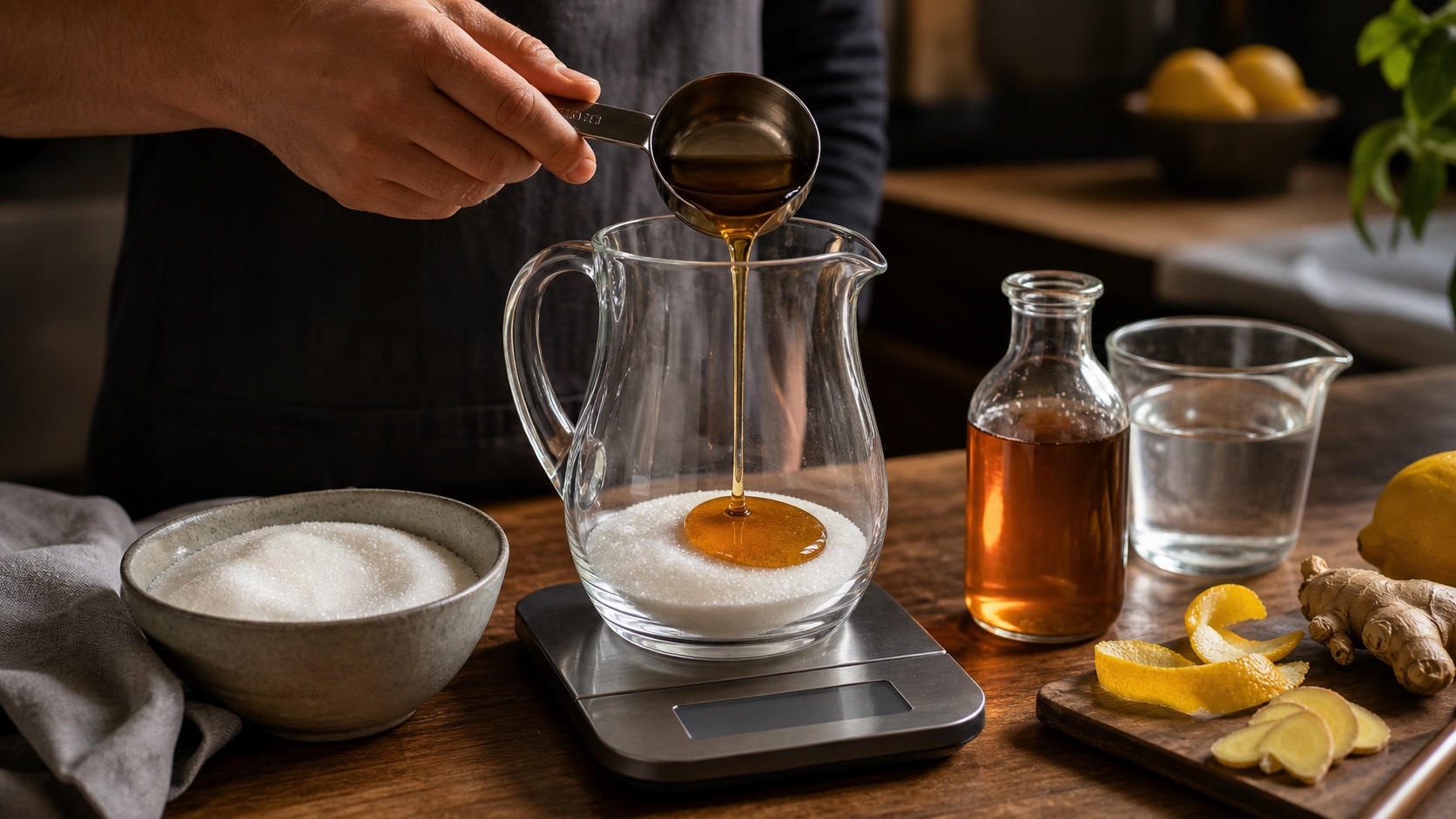
For a jar of 2:1 rich simple syrup:
- Weigh 400 g sugar.
- Weigh 200 g water.
- Heat gently and stir until completely clear.
- Cool, bottle, label, and refrigerate.
The finished syrup lands around 67% sugar by weight. That means each spoonful carries more sugar than 1:1 syrup, so use a lighter hand until you know how it behaves in your drinks.
Why make rich simple syrup?
The reason is control.
Every syrup does two things at once: it adds sugar and it adds water. In lemonade, that water is usually welcome. In a cocktail or a slush mix, it can be the difference between bright and washed-out.
2:1 syrup lets you add more sugar with less water. That is useful when:
- a cocktail tastes sharp but already has enough dilution.
- a slush mix needs more dissolved sugar but not more liquid.
- you want a thicker mouthfeel.
- you want a bottle that lasts longer between batches.
It is still simple syrup. It just gives you a stronger lever.
2:1 simple syrup recipe by weight
| Batch size | Sugar | Water | Approx use |
|---|---|---|---|
| Small jar | 200 g | 100 g | Good for cocktails and test batches. |
| House jar | 400 g | 200 g | A practical home-bartender size. |
| Party prep | 800 g | 400 g | Useful when making pitchers or slush bases. |
Measure by weight when possible. A cup-based recipe can work for casual drinks, but weight makes the syrup repeatable and easier to use in slush math.
Method: slow heat, no grit
1Start with the water
Add the water to a saucepan first, then add the sugar. This gives the sugar somewhere to dissolve before the pan bottom gets hot.
2Heat gently
Use medium-low heat. Rich syrup is thick, so do not rush it. A rolling boil is not the goal.
3Stir until completely clear
Scrape the corners of the pan and check that no sugar is hiding there. If the syrup looks clear but feels gritty on the spoon, keep stirring.
4Cool before bottling
Let steam escape, then bottle once the syrup is cool enough that it will not fog the jar heavily. Refrigerate as soon as it is cool.
How much 2:1 syrup equals 1:1 syrup?
Do not swap ounce for ounce unless you want a sweeter drink.
By volume, 2:1 syrup carries roughly one and a half times as much sugar as 1:1 syrup. A practical home conversion:
- If a recipe uses 1 oz 1:1 syrup, start with 2/3 oz 2:1 syrup.
- If a recipe uses 3/4 oz 1:1 syrup, start with 1/2 oz 2:1 syrup.
- If a recipe uses 1 tbsp 1:1 syrup, start with 2 tsp 2:1 syrup.
Taste after mixing. For slush, give the machine time to respond before adding more.
Using 2:1 syrup in slush
2:1 syrup is especially useful when your batch is under-sugared but you do not want to make it thinner.
If you are correcting a batch:
- Add a small amount of chilled 2:1 syrup.
- Stir or let the auger distribute it fully.
- Wait 10 to 15 minutes.
- Reassess texture before adding more.
Remember: more sugar lowers the freezing point. Too little sugar can make slush hard and icy; too much can keep it soft and syrupy. If you want numbers instead of tasting and guessing, use the simple syrup calculator and then check the finished mix with Sugar to Brix.
Flavor ideas that feel at home
Rich syrup handles cozy infusions beautifully because the higher sugar level carries flavor well.
Try:
- lemon peel for iced tea.
- cinnamon stick for apple cider slush.
- mint for juleps and limeade.
- ginger slices for grapefruit or pineapple drinks.
- a split vanilla bean for coffee slush.
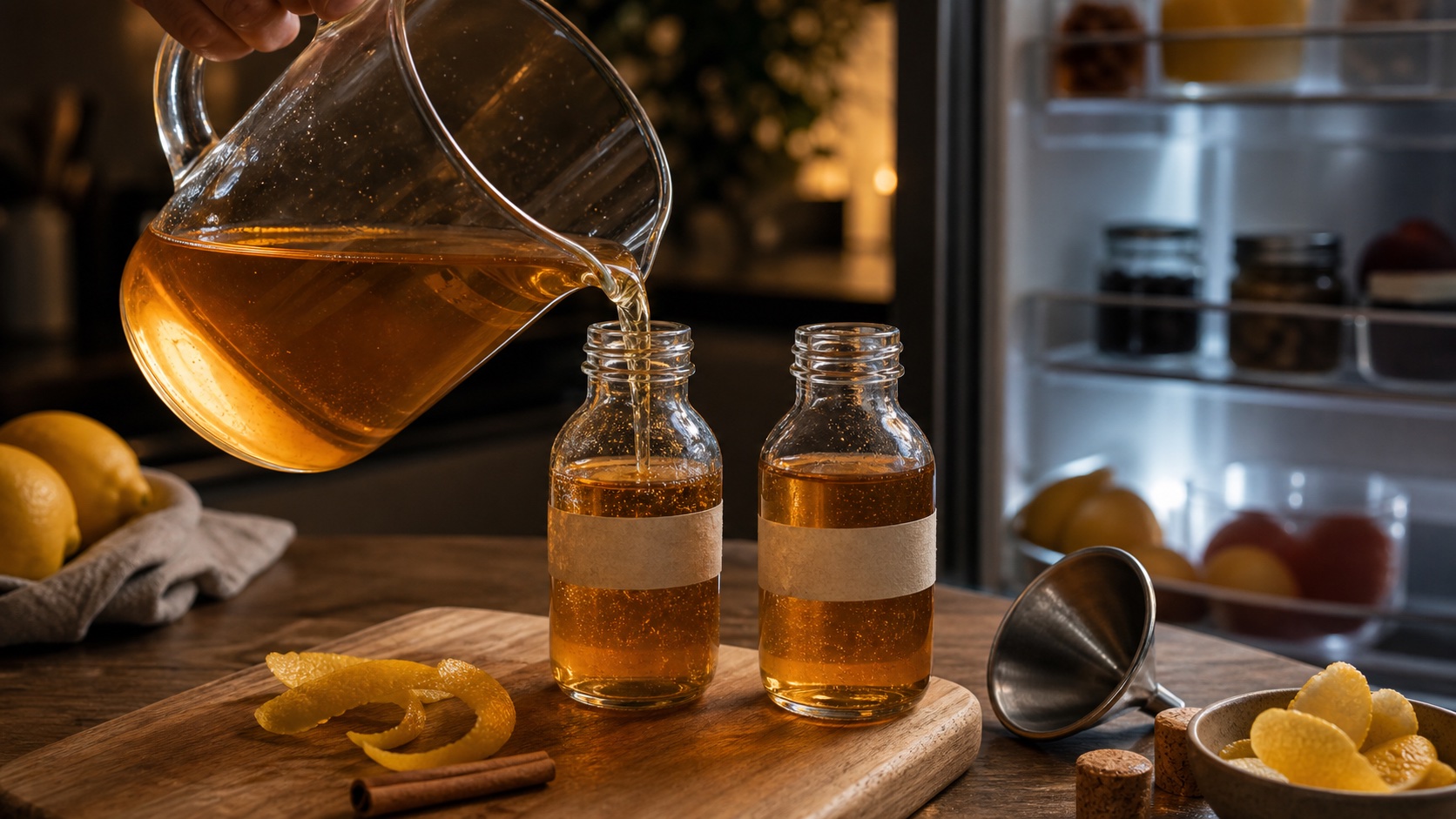
Turn off the heat before adding delicate herbs. Let the syrup steep, then strain into a clean bottle.
Storage
Because 2:1 syrup has more sugar and less water than 1:1 syrup, it resists spoilage longer. A clean, heated 2:1 syrup can keep for months refrigerated.
Use clean bottles, avoid dipping used spoons into the jar, and discard the syrup if it turns cloudy, ferments, smells off, or shows mold.
When to choose 1:1 or 3:1 instead
Choose 1:1 simple syrup when you want the easiest everyday sweetener for iced coffee, tea, lemonade, or casual slush adjustments.
Choose 3:1 simple syrup when the batch is tight on volume and you need a very concentrated sweetener. It is powerful, but it asks for more careful heating and storage.
FAQ
Is 2:1 simple syrup twice as sweet as 1:1?
Not quite by the pour. It has twice as much sugar as water by weight, but the finished syrup is dense. In a drink, treat it as roughly one and a half times as sweet as 1:1 syrup by volume, then adjust to taste.
Can I make 2:1 syrup without heat?
You can, but it takes longer to dissolve and is fussier than 1:1. For rich syrup, gentle heat is the simpler home method.
Why did my rich syrup crystallize?
Usually there was undissolved sugar left in the pan or dry sugar on the bottle rim. Warm the bottle gently, shake until clear, and keep the next batch cleaner around the edges.
Related reading
Recipes to make next
Slush recipes from the library that fit this guide — every one balanced to freeze in a home machine.
- Blue raspberryVerification status: Tried & tested
Blue Raspberry Spiked Slush Cocktail Recipe
View - LemonVerification status: Tried & tested
Scofflaw Rye Cocktail
View - ProseccoVerification status: Tried & tested
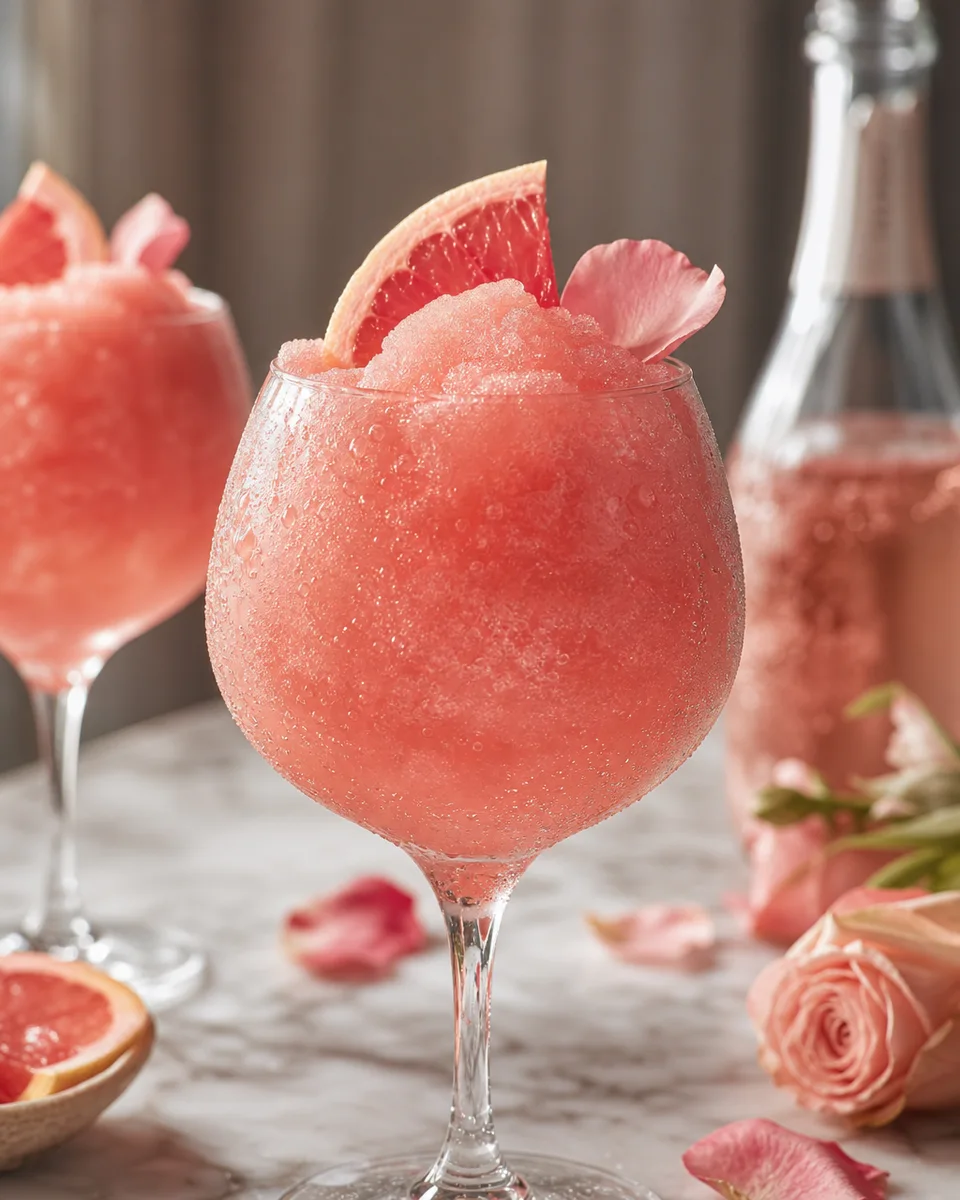
Sarti Rosa Prosecco Spritz Slush
View - ProseccoVerification status: Tried & tested
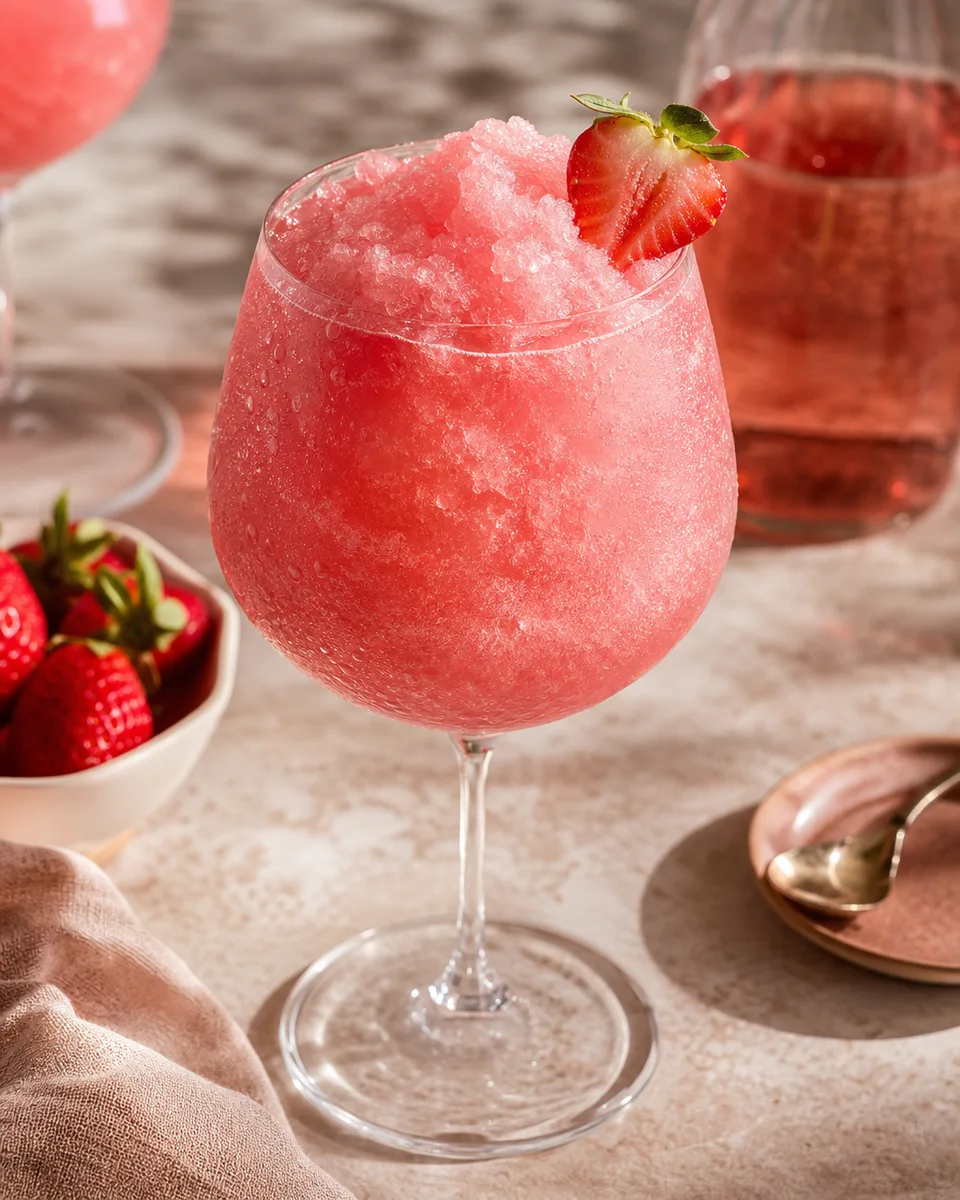
Sarti Spritz Slush
View - GinVerification status: Tried & tested
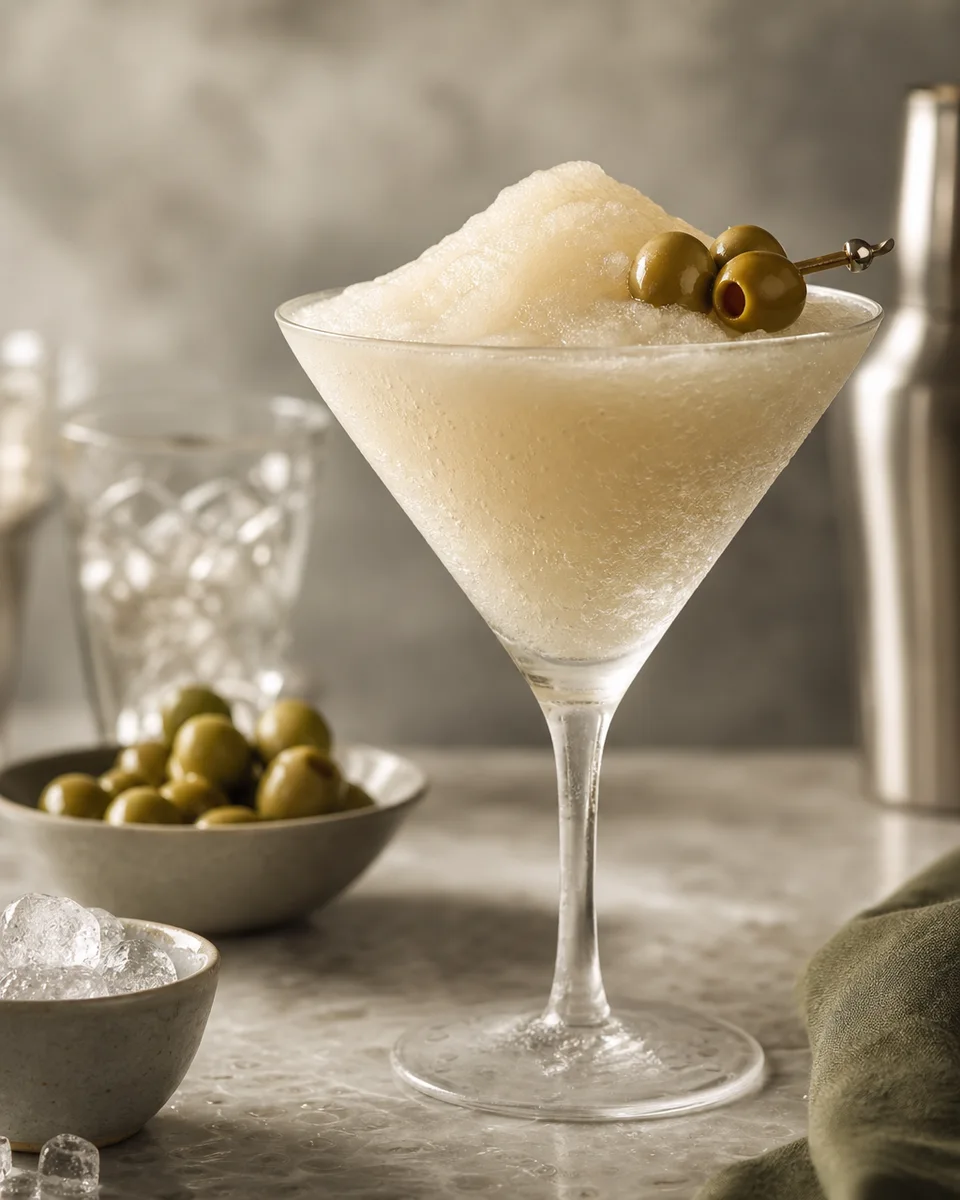
Dry Martini Slush
View - AmarettoVerification status: Tried & tested
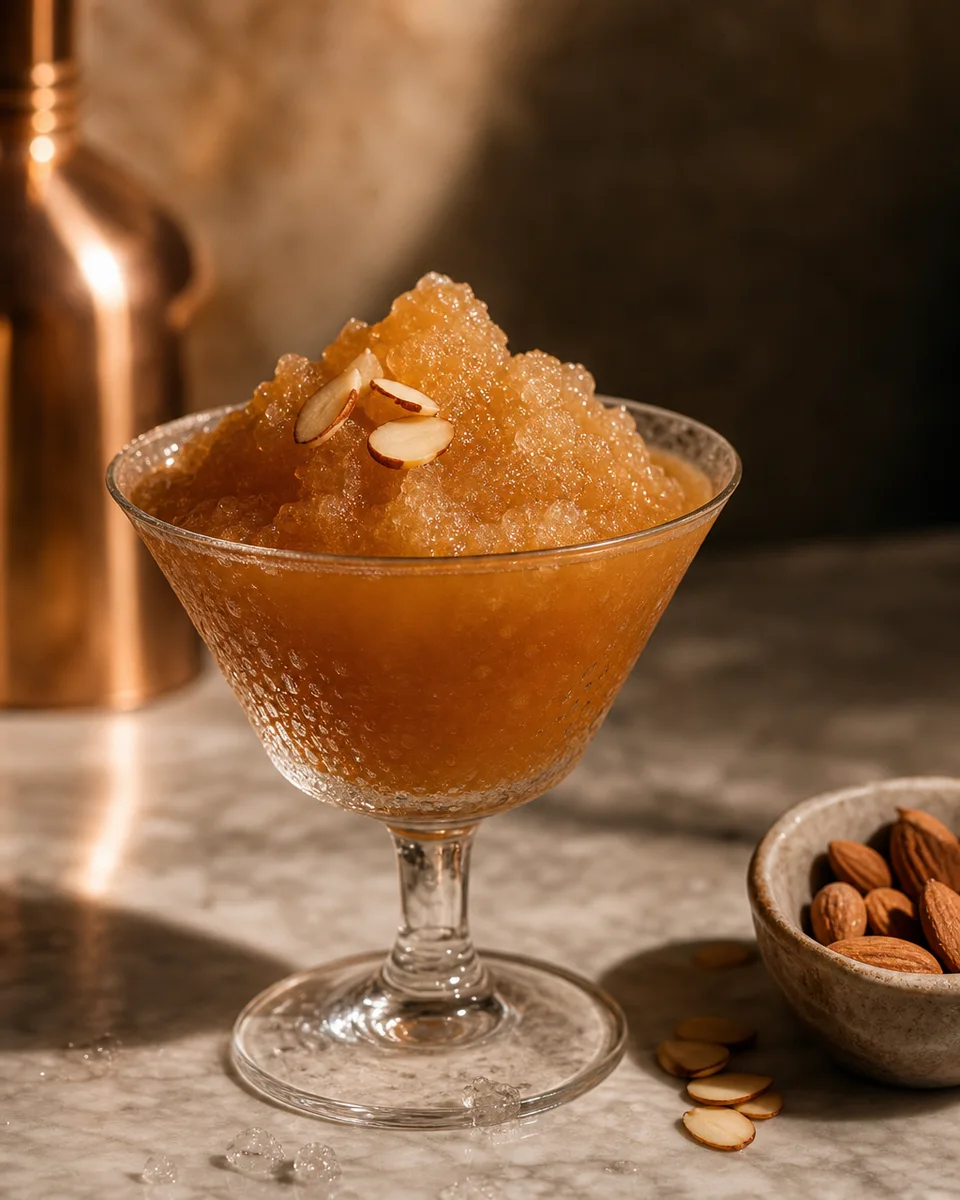
French Connection Slush
View