Slushable Blog
Best slush mix ratio for a home slush machine (by drink type)
Dial in the best slush mix ratio for a home slush machine using simple sugar-by-weight targets for soda, juice, lemonade, coffee, dairy, and alcohol.

If your mix turns watery, freezes into a solid block, or makes weird crunchy ice, the ratio is usually the reason.
This guide gives you the best slush mix ratio for a home slush machine by drink type. It covers soda, juice, lemonade, coffee, dairy, and alcoholic bases using targets you can measure with a kitchen scale.
We’ll talk in sugar-by-weight ranges because “cups” and “scoops” vary wildly, and home machines are picky.
TL;DR (Quick fix)
- Most home slush machines like mixes that land around 12–16° Brix (think: “not too sweet to drink, but sweet enough to stay slushy”).
- If your slush is too watery: you usually need more dissolved sugar (or less dilution), not more ice.
- If your slush is too hard / freezes solid: you usually need more dissolved sugar (raise Brix slightly) or your barrel is running too cold.
- Fast rule without a refractometer: 120–160 g sugar per 1,000 g (1 L) of finished mix.
- Then adjust by drink type below.
Best slush mix ratio for a home slush machine (by drink type)
Below are practical targets for the finished liquid you pour in the machine.
Why “finished”? Because the machine doesn’t care whether the sweetness came from syrup, juice concentrate, or dissolved sugar—it cares about the final freezing behavior.
1Soda + syrup (classic “slushie” style)
Best starting target: 130–160 g sugar per 1,000 g finished mix.
- If you’re using a commercial slush syrup, start with the label ratio, then adjust toward this range.
- Carbonation note: fully carbonated soda foams and can slow freezing. If your machine struggles, let soda go mostly flat before freezing.
If it’s watery: increase syrup slightly or reduce added water.
2Lemonade / limeade / sweet-and-tart mixes
Best starting target: 140–170 g sugar per 1,000 g finished mix
Citrus drinks can taste “less sweet” at the same sugar level because acidity masks sweetness. You often need a little more sugar than you think to keep texture slushy.
If it tastes perfect but freezes hard: keep flavor the same. Add a small amount of glucose or corn syrup rather than piling on sucrose.
3Juice-based mixes (orange, fruit punch, etc.)
Best starting target: 120–150 g sugar per 1,000 g finished mix
- Many juices already contain a lot of sugar. Your job is usually avoiding over-dilution, not adding more.
- If you mix juice with water, weigh it and calculate the final sugar level as best you can.
If it freezes slushy at first, then turns chunky: your sugar is borderline low or your mix has a lot of pulp/solids. Strain heavy pulp.
4“Sports drink” / electrolyte-style bases
Best starting target: 110–140 g sugar per 1,000 g finished mix
These are often formulated to be drinkable (not syrupy), which can be too low for slush texture.
Common fix: blend in a portion of higher-sugar base (like a little simple syrup or slush syrup) rather than adding lots of ice.
5Coffee / tea / cola concentrates (low natural sugar)
Best starting target: 120–160 g sugar per 1,000 g finished mix
- Black coffee/tea has essentially no sugar, so the texture is entirely determined by what you add.
- If you want it less sweet, don’t just cut sugar—use a bit of glycerin or a commercial “slush stabilizer” only if your machine brand allows it.
6Dairy / creamy bases (milk, creamers)
Best starting target: 150–190 g sugar per 1,000 g finished mix
Creamy mixes tend to freeze differently because:
- fat changes how ice crystals feel.
- proteins can thicken.
- some dairy products already contain lactose.
Important: some home slush machines (especially scraper-barrel styles) don’t love heavy dairy. If yours recommends “non-dairy only,” don’t fight it—use a non-dairy base.
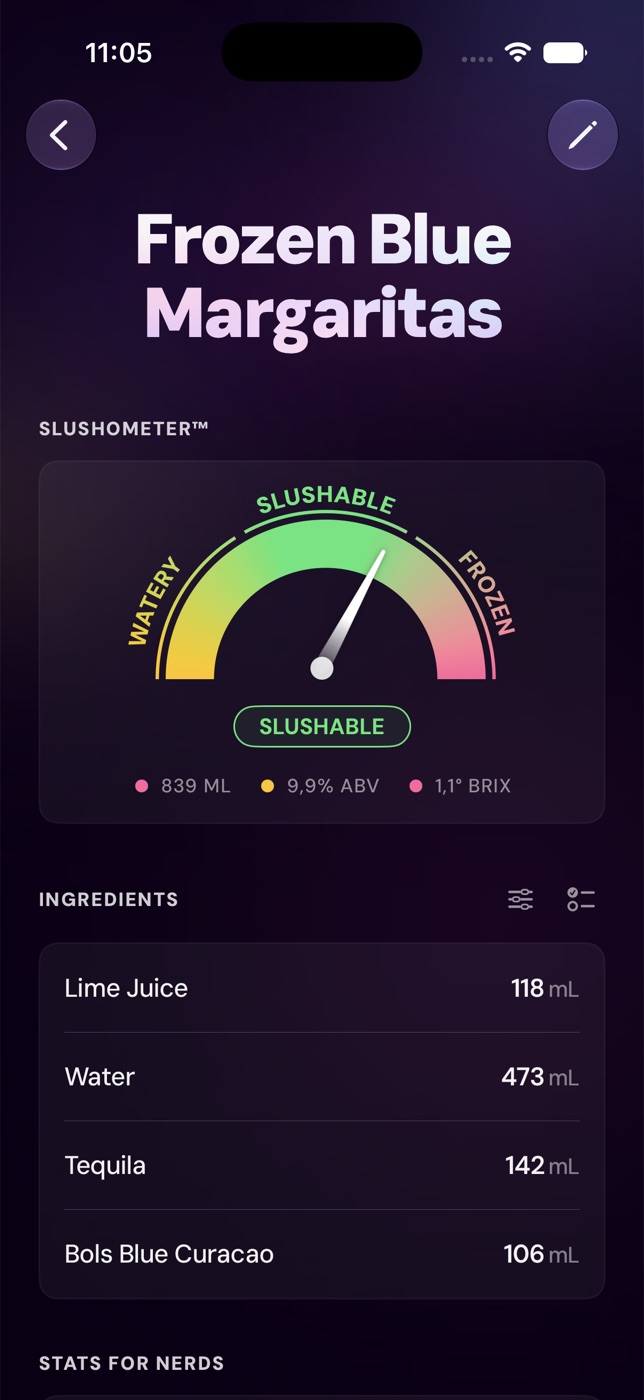
7Alcoholic mixes (adult slush)
Best starting target (starting point): 140–180 g sugar per 1,000 g finished mix
Alcohol acts like antifreeze. The more alcohol you add, the more the machine will struggle to form a stable slush.
Your options are limited:
- use a machine with enough freezing power.
- reduce alcohol.
- compensate with sugar, within reason.
Practical guardrail: keep the mix low ABV in the barrel. If you want a stronger drink, it’s usually better to freeze a low-ABV slush and add spirits when serving.
If you’re not sure what your machine can handle, see: How much alcohol can a slush machine handle?
What’s happening (in plain English)
Slush texture is a balance between:
- ice formation, from your machine’s cooling power.
- freezing point depression, mostly from dissolved sugar and alcohol.
- mix viscosity, or how thick it is.
Too little dissolved “antifreeze” (sugar/alcohol) and you get solid ice. Too much and you get soupy liquid that never sets.
Step-by-step: dial in your ratio with a kitchen scale
You can do this without measuring Brix directly.
- Pick your base (soda, juice, lemonade, coffee, etc.).
- Weigh your finished mix in grams (tare the pitcher on a scale).
- Estimate current sugar as best you can:
- If it’s labeled, use grams of sugar per serving × servings in the batch.
- If it’s syrup + water, use the syrup label.
- Adjust toward the target band for your drink type.
- For a quick correction, add simple syrup (or your slush syrup) in small increments.
- Pre-chill the mix before pouring into the machine.
Related: Should you prechill slush mix?
Troubleshooting: symptoms → likely cause → fix
Symptom: “It stays liquid / watery forever”
Likely causes:
- sugar is too low, which is common with diluted juice, sports drinks, or light lemonade.
- mix is too warm going in.
- machine is overfilled or airflow is restricted.
Fixes:
- Move your mix up within the target range for that drink type.
- Pre-chill and give the machine enough time.
- Don’t exceed the fill line, and keep vents clear.
If you’re not sure how long is normal: How long does a slush machine take to freeze?
Symptom: “It freezes into a solid block”
Likely causes:
- sugar is too low for your machine’s temperature.
- barrel temperature is set too cold.
Fixes:
- Increase sugar modestly, 10–20 g per 1,000 g at a time.
- If your model has settings, raise the slush thickness or temperature setting slightly.
Symptom: “Crunchy ice chunks / snow-cone texture”
Likely causes:
- borderline-low sugar or inconsistent cooling.
- pulp or solids acting as nucleation points.
Fixes:
- Increase sugar slightly.
- Strain heavy pulp.
- Keep the mix consistently cold. Don’t add warm top-ups mid-freeze.
How to prevent ratio problems next time
- Measure by weight once, write it down, and repeat it.
- Avoid “mystery dilution” (melting ice, extra water, or topping up with warm liquid).
- Clean the machine on schedule—sticky film and poor heat transfer can make slush behavior unpredictable.
Related: How to clean a home slush machine (step-by-step)
FAQ
What is “Brix,” and do I need to measure it?
Brix (°Bx) is roughly the percent sugar by weight of a solution. You don’t need to measure it if you use the sugar-per-1,000 g targets above, but a refractometer makes repeatability easier.
Can I just add ice to fix watery slush?
Usually no. Ice changes dilution and can create uneven freezing. Watery slush is most often a dissolved-sugar problem (or the mix is going in too warm).
Why does the same mix behave differently on different days?
Room temperature, starting mix temperature, machine cleanliness, and how long the machine has been running all matter. Ambient heat can be the difference between “perfect” and “soupy.”
Is there a single perfect ratio for every drink?
Not really. Different bases bring different sugars, acids, and solids. That’s why the best approach is a target range by drink type, then small, measured adjustments.
Related reading
Recipes to make next
Slush recipes from the library that fit this guide — every one balanced to freeze in a home machine.
- CoffeeVerification status: Tried & tested
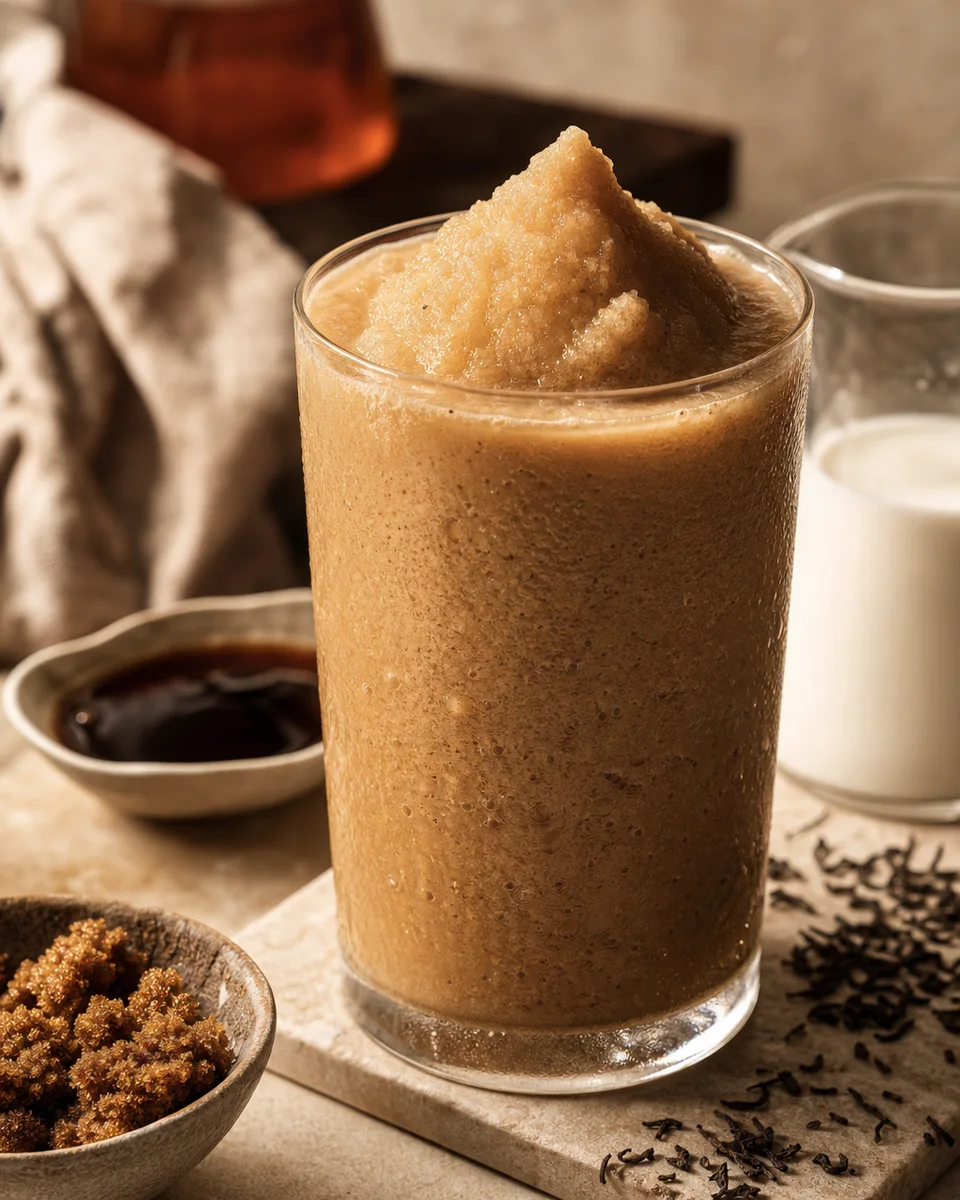
Brown Sugar Milk Tea Slush
View - StrawberryVerification status: Tried & tested
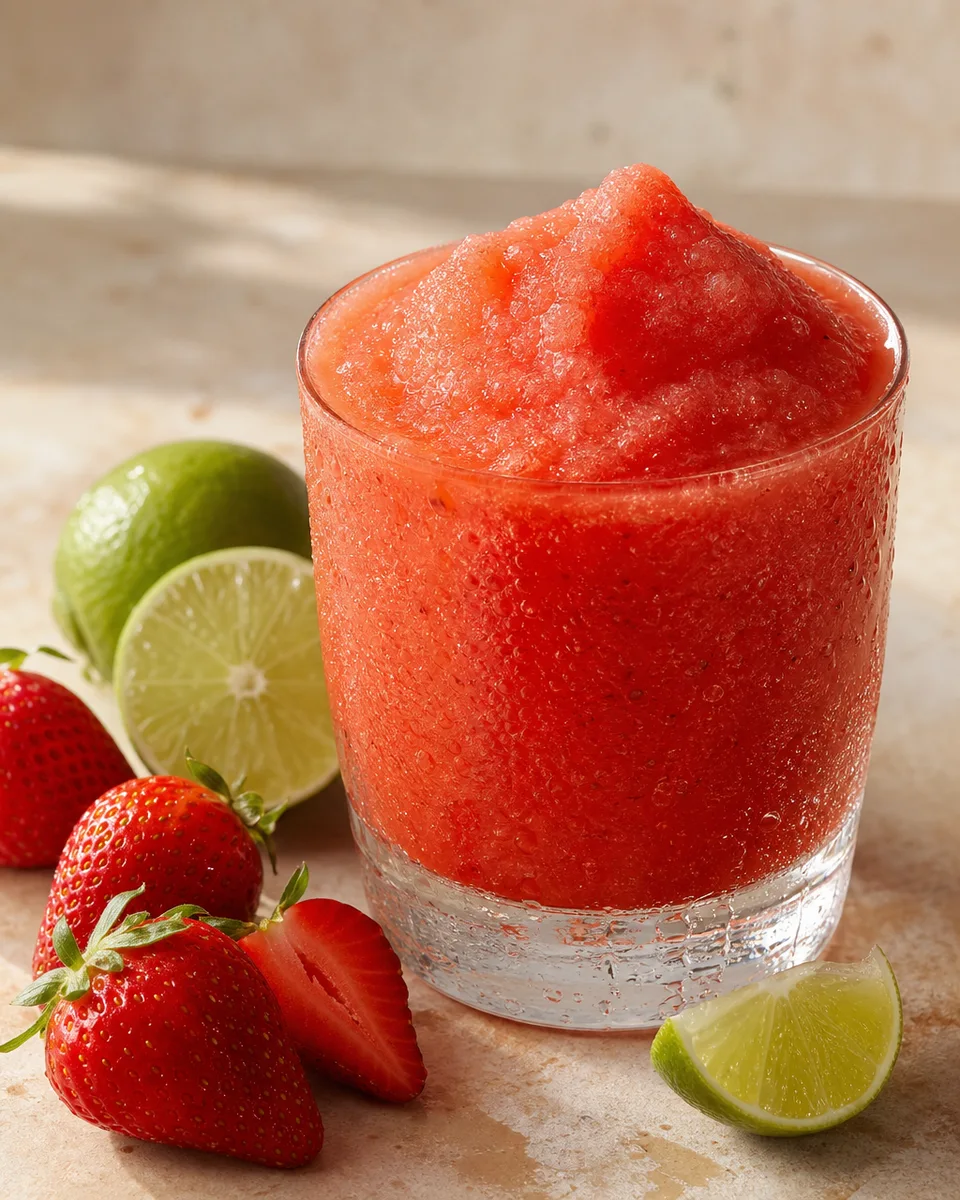
Frozen Strawberry Daiquiri Slush
View - CoffeeVerification status: Tried & tested
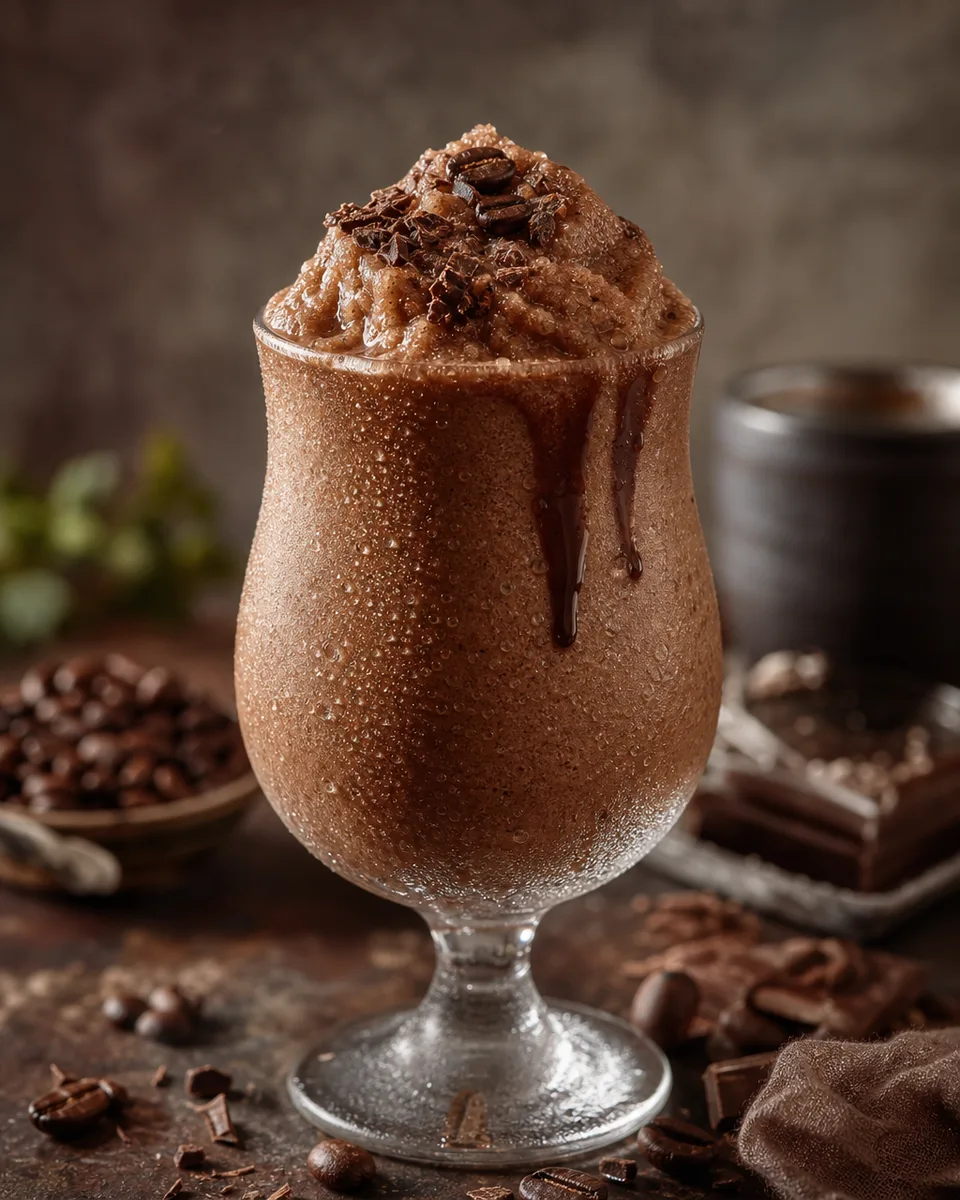
Bicerin Coffee Chocolate Cream Slush
View - CoffeeVerification status: Tried & tested
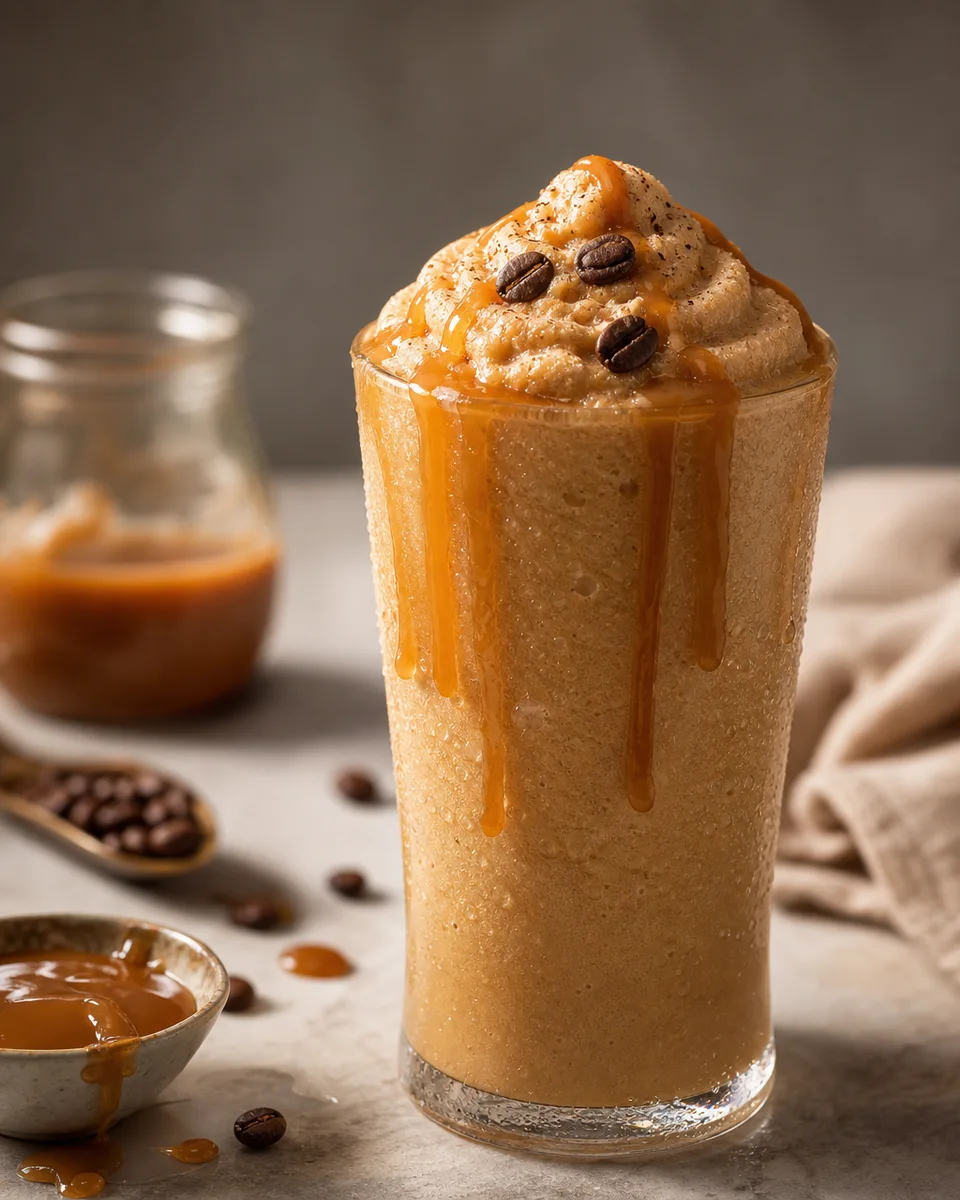
Caramel Espresso Frappe
View - CoffeeVerification status: Tried & tested
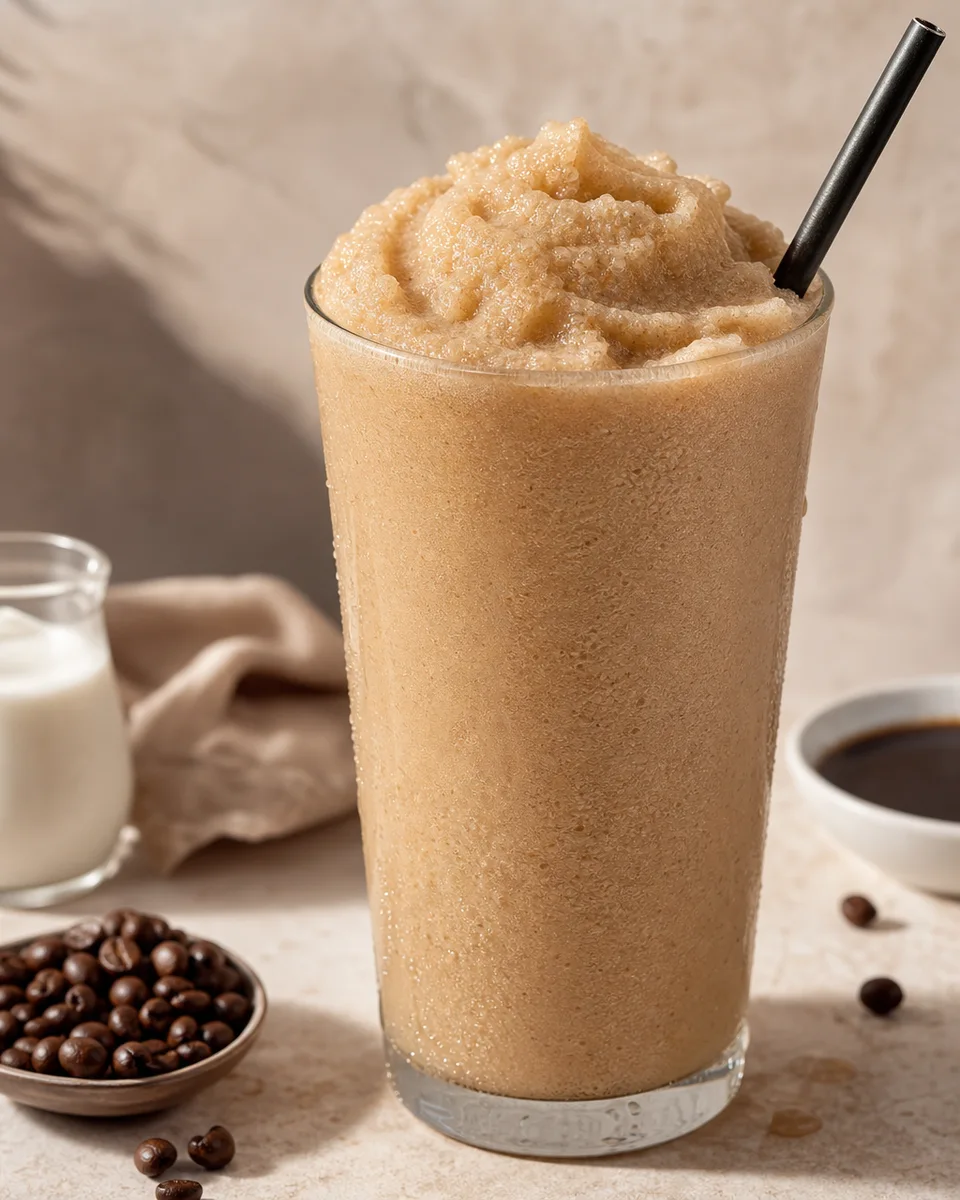
Dalgona Coffee Milk Slush
View - CoffeeVerification status: Tried & tested
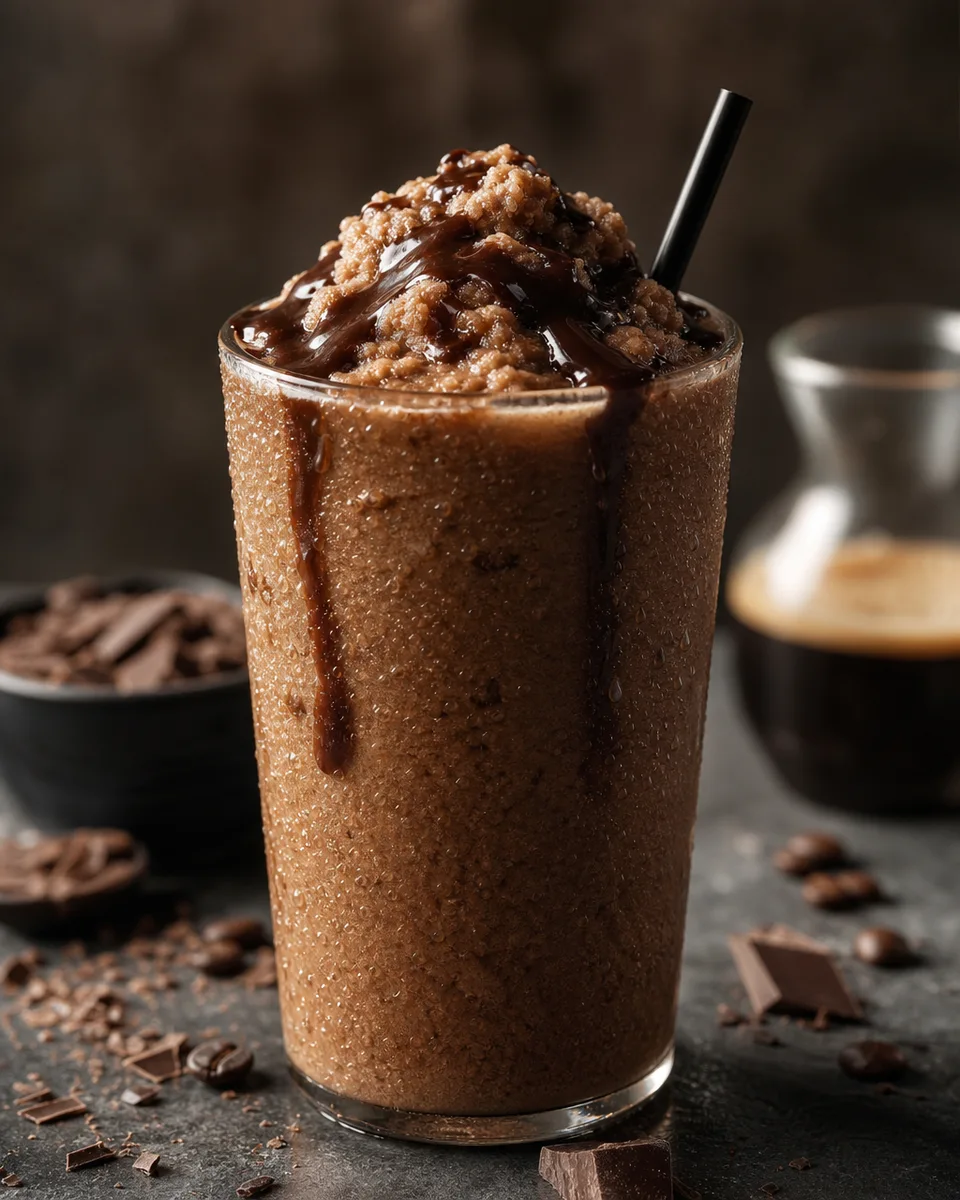
Iced Mocha Slush
View