Slushable Blog
Should you pre-chill slush mix before using a home slush machine?
Wondering if you should pre-chill slush mix before pouring it in? Here’s when it helps, when it doesn’t, and how to fix slow or watery slush.

If you’re asking should I pre-chill slush mix before putting it in my home slush machine, you’re not alone. It feels intuitive: colder liquid should freeze faster.
Pre-chilling can help in some situations, but it’s not a magic fix—and in a few cases it can actually mask the real problem (like the mix’s sugar level being off).
TL;DR (Quick Fix)
If pre-chilling still gives you watery slush, don’t keep waiting—check sugar level (Brix) or mix strength first.
- Yes, pre-chill helps if your room is warm, your machine is packed with warm liquid, or you’re trying to get slush ready faster.
- No, you don’t need to if your mix is dialed in and you’re okay waiting the normal freeze time.
- If pre-chilling still gives you watery slush, don’t keep waiting—check sugar level (Brix) or mix strength first.
Should you pre-chill slush mix before using a home slush machine (and why)?
Most of the time: yes, it helps a bit—especially if you’re starting from room temperature or your kitchen is warm.
But if your goal is to fix a batch that won’t firm up (or keeps going watery), pre-chilling is only a small part of the story. You’ll get better results by pairing it with the right mix strength and the right machine setting.
What’s happening (in plain English)
A slush machine is basically doing two jobs at once:
- Pulling heat out of the liquid (cooling it down), and
- Holding it in the slush zone (cold enough to form ice crystals, but not so cold it becomes a solid block).
Pre-chilling only helps with the first job (cooling down). It doesn’t fix the second job (getting the freezing point right), which is mostly about sugar concentration and the machine’s settings.
Does pre-chilling actually make slush faster?
Usually, yes—just not as dramatically as people hope.
If you pour in room-temperature mix, the machine has to remove that extra heat before it can even start forming slush. Starting with cold mix means it can reach the slush zone sooner.
A practical way to think about it:
- Pre-chill = faster “getting to cold”
- Correct sugar level + settings = actually forming slush
If you’re unsure what “normal” looks like, this guide helps set expectations: How long does a slush machine take to freeze?
When pre-chilling helps the most
1Warm rooms / summer kitchens
If your machine is sitting in a warm room, it has to fight the room air the whole time. Starting with cold mix reduces the initial load.
(You’ll also want to keep the machine out of direct sun and away from oven/air-fryer heat—small changes matter.)
2Big batches poured in at once
Dumping a full tank of warm liquid is like asking the machine to cool an entire pot of soup. If you can, chill the mix first or pour in smaller amounts while the machine is already cold.
3You’re “recovering” after a refill
If you top up the tank with room-temp mix mid-party, you’ll often see the whole batch soften. Pre-chilled top-ups keep texture more stable.
When pre-chilling won’t fix the problem
If it stays watery for hours
If you pre-chilled and you still get watery slush, the most common cause is a mix that’s too “thin” (not enough sugar solids), so the freezing point is too high and the machine can’t hold it in the slush zone.
Use this troubleshooting flow: Why is my slush watery (and how to fix it)?
And if you want the most reliable path, learn the one concept that makes everything easier: Slush Brix for beginners: why it matters
If it’s turning into chunks or an ice “snowplow”
Pre-chilling won’t stop chunking if the mix is overly concentrated or the machine is set too cold. If you’re seeing thick clumps or icy blocks, start here: Slush machine ice chunks: why it happens (and how to fix it)
Step-by-step: how to pre-chill slush mix safely
This is the boring part that saves your machine (and your party).
- Mix first, then chill. If you chill first and then add sugar/syrup, it’s easier to end up inconsistent.
- Chill to “fridge-cold.” You’re aiming for the same temperature as milk or soda from the fridge—not partially frozen.
- Don’t pour in slush or ice. Ice chunks force the auger to deal with hard objects and can jam or overload some machines.
- Pour slowly if your machine is already running. This avoids sudden temperature swings.
If your machine has a thickness/consistency control, don’t forget it exists. Many “it won’t slush” stories are just a mismatch between the setting and the mix: Slush machine thickness setting: how to adjust
How to prevent slow freezing next time (without overthinking it)
- Use the same measuring method every time. A kitchen scale is the easiest way to stay consistent: How to measure sugar for slush with a kitchen scale
- Start with a cold machine. If it’s been off, give it a head start before guests arrive.
- Keep the machine ventilated. Heat has to go somewhere; blocked vents = slow freezing.
- Avoid extreme ambient heat. Even moving it 2 feet away from a sunny window can help.
FAQ
Can I put the mix in the freezer to chill it faster?
You can, but be careful. The goal is cold liquid, not a partially frozen slush block. If it starts to freeze, stir it and pull it out.
Will pre-chilling fix a slush machine that’s not cooling?
No. Pre-chilling reduces the load, but it doesn’t repair a cooling problem (dirty condenser, airflow issues, or a genuine hardware fault). If it never firms up even with a correct mix, pre-chilling won’t save it.
Is it bad to pour very cold liquid into a running machine?
Fridge-cold is fine. The bigger risk is chunks of ice or a partially frozen mixture, which can strain the auger.
If I pre-chill, should I change the thickness setting?
Usually no. Start with your normal setting, then make small adjustments after the machine has had time to stabilize.
Related reading
Recipes to make next
Slush recipes from the library that fit this guide — every one balanced to freeze in a home machine.
- HoneyVerification status: Tried & tested

Chamomile Honey Grappa Slush
View - PineappleVerification status: Tried & tested

Missionary's Downfall Slush
View - PeachVerification status: Tried & tested

Peach Citrus Long Island Slush
View - StrawberryVerification status: Tried & tested
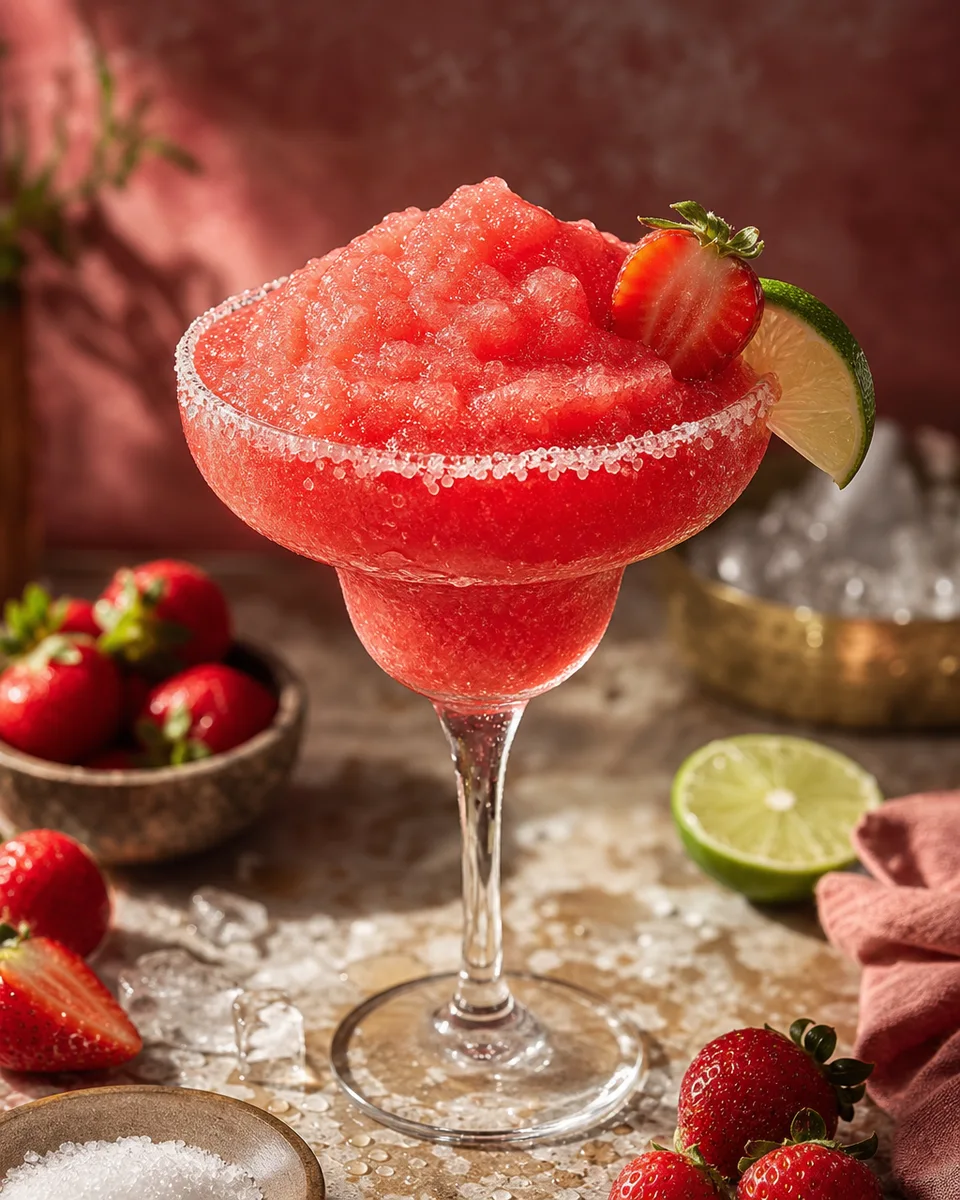
Strawberry Margarita Slush
View - BourbonVerification status: Tried & tested

Bourbon Walnut Old Fashioned Slush
View - ProseccoVerification status: Tried & tested

Sarti Rosa Prosecco Spritz Slush
View