Slushable Blog
Sugar-Free Slushie Recipes: What Replaces Sugar in a Slush Machine
Sugar-free slushie recipes that work in a machine. Why diet drinks freeze icy, how much allulose replaces sugar, and what healthy slushie recipes actually mean.

Yes, you can make one — but not by pouring in a diet drink and hoping. A sugar free slushie only works when something else does the job sugar was doing, and that job is not sweetness. The three sugar free slushie recipes below all fix the same missing piece.
In a slush machine, dissolved sugar lowers the freezing point of water so the batch hovers between liquid and ice. Zero-calorie sweeteners like stevia taste sweet at tiny doses, which means they leave almost nothing dissolved in the mix. The machine then sees plain water, and plain water freezes hard.
That is why the fix is choosing the right replacement, not adding more of the wrong one.
The Short Answer
Diet drinks on their own freeze icy or trip low-sugar alerts. Use a bulk sweetener that dissolves like sugar — allulose is the one SharkNinja's own test kitchen reaches for — or accept a reduced-sugar batch instead of a zero-sugar one. Weigh the sweetener like sugar, then sanity-check the batch in the Sugar to Brix calculator before it runs.
Why sweetness and freezing are different jobs
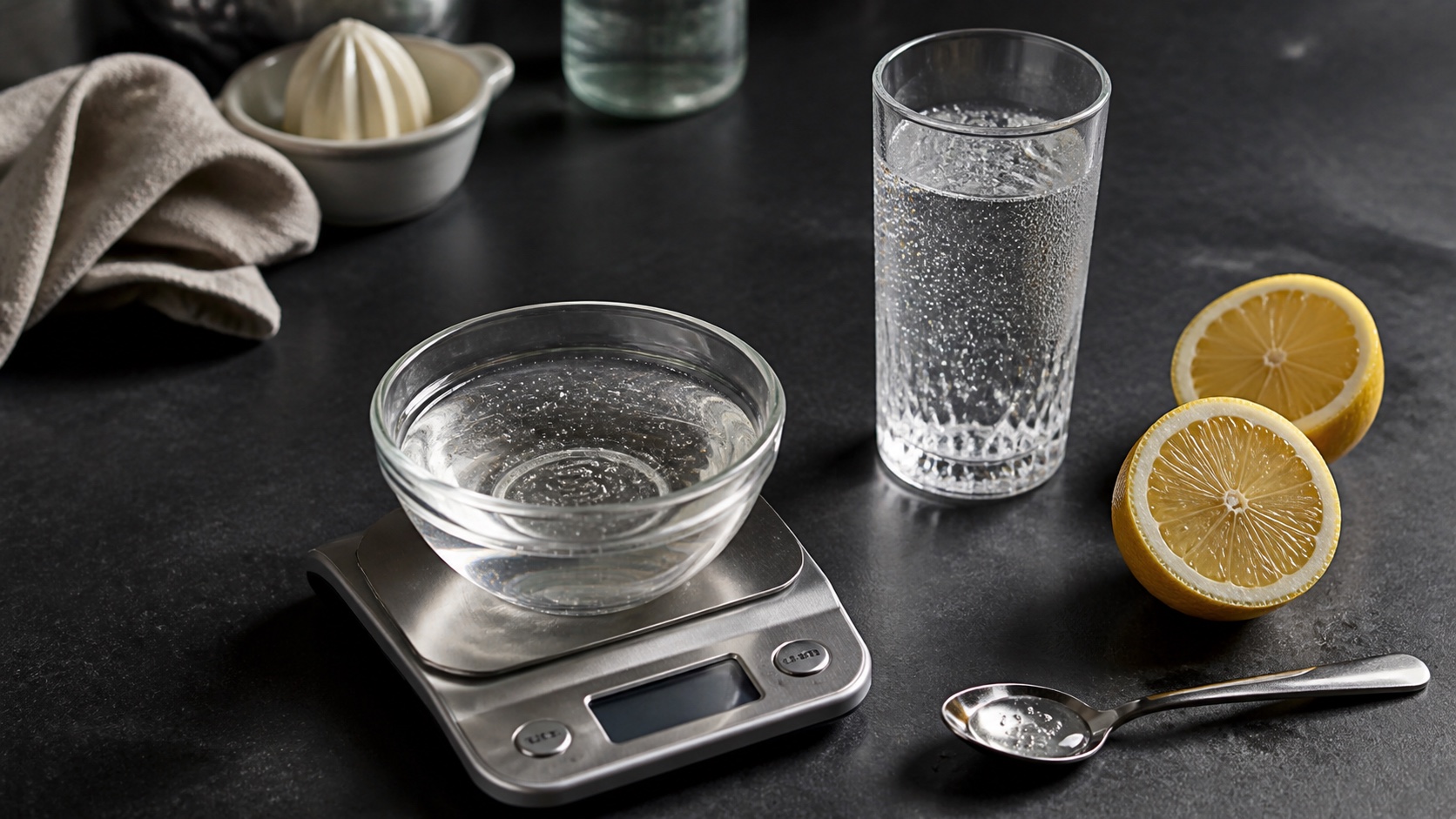
Sugar does two things in a slush mix. It sweetens, and it holds part of the water back from freezing. Those jobs separate the moment you switch sweeteners.
Brix measures dissolved solids, which is the freezing side of the story. A regular soda at roughly 10–11° Brix is close to the slush window. Its diet twin reads near 0° Brix — sweet on the tongue, water in the machine. The Brix basics guide covers why that window is 12–16° Brix for home machines.
Machine makers encode the same physics as rules. SharkNinja's official sugar-requirements guidance for the FS300-series SLUSHi asks for at least 4% sugar in every input, and its low-sugar alert exists precisely for diet-drink batches.
What actually works
Allulose: the closest stand-in
Allulose is a low-calorie sugar that dissolves and depresses the freezing point much like regular sugar, at roughly 70% of its sweetness. It is the option with manufacturer backing: the official Ninja Test Kitchen publishes a Sugar Free Diet Soda Slush recipe. It combines two 12-oz cans of diet soda, 3 tablespoons of liquid allulose, and 2 tablespoons of lemon juice.
Treat allulose grams like sugar grams as your starting point, then adjust to taste. Liquid allulose dissolves fastest in a cold mix.
Erythritol and blends: workable, with caveats
Erythritol also adds dissolved bulk, so it moves the freeze point. It brings two quirks: a cooling sensation on the tongue, and a tendency to recrystallize in cold, concentrated mixes. Treat gritty texture as a sign to lower the dose or switch to allulose. Blends built on erythritol, including many monk fruit products, inherit the same behavior.
Reduced-sugar instead of zero-sugar
The pragmatic middle: cut sugar rather than eliminate it. A batch built at the bottom of the slush window carries roughly a quarter less sugar than a sweet-shop mix, and it freezes without any exotic ingredients. The by-drink-type targets in the mix-ratio guide show where the bottom of each band sits.
Alcohol: the other freezing-point lever
In spiked batches, alcohol also holds water back from freezing. That is why hard seltzers can slush at all despite near-zero sugar — the trade-offs are covered in can White Claw and canned cocktails go in a slush machine? For alcohol-free, sugar-free batches, sweetener bulk has to do all the work.
What does not work
- Stevia or monk fruit drops alone. Intense sweetness, near-zero dissolved bulk, hard-frozen batch.
- Diet soda straight from the bottle. Same problem in can form; expect ice or a low-sugar alert.
- Adding ice to soften it. Melting ice adds water, which moves the batch further from slush.
- More flavor syrup marked zero-sugar. If it carries no bulk sweetener, it changes taste and nothing else.
A safe first sugar-free batch
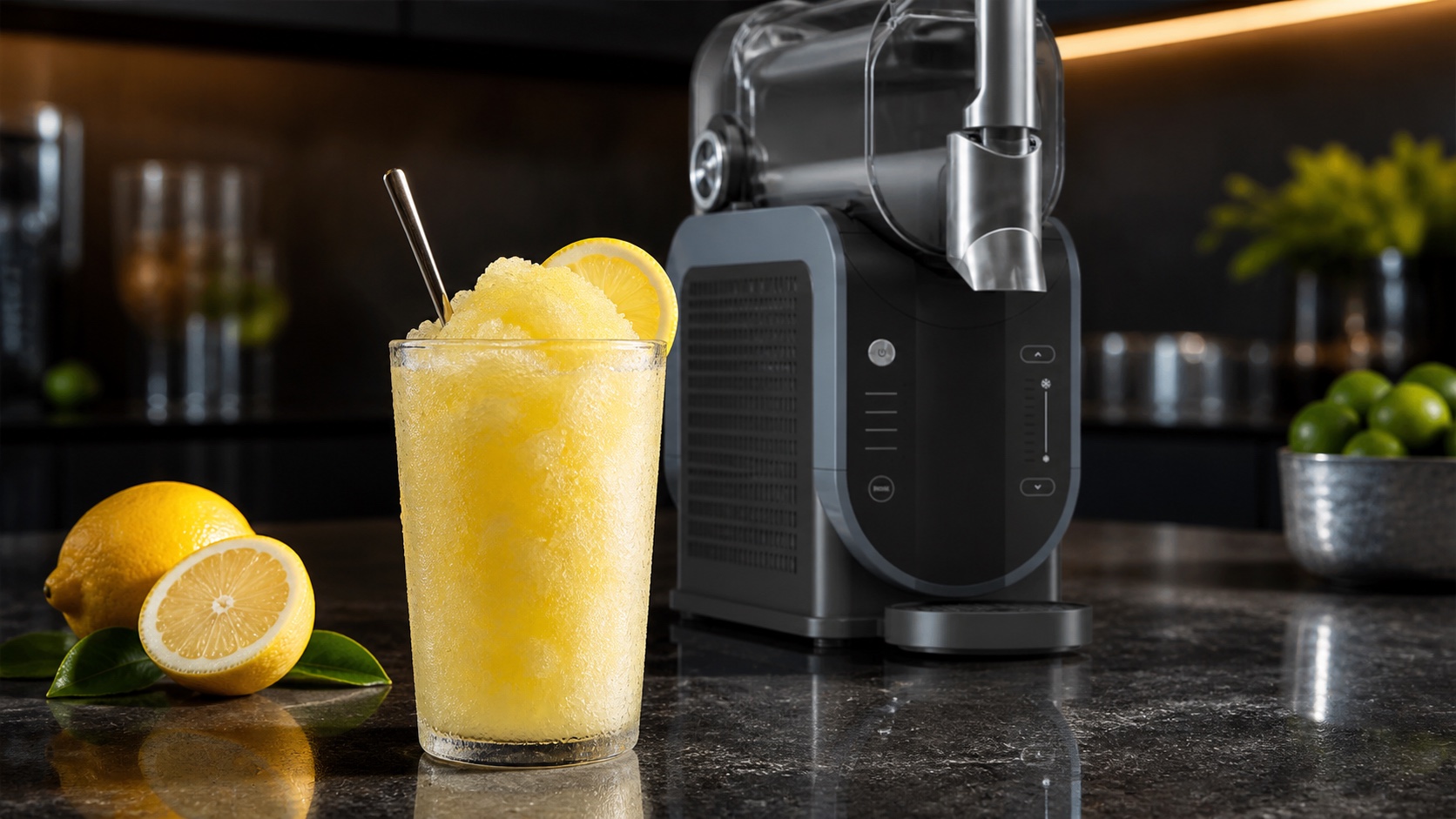
- Start from the official Ninja Test Kitchen ratio: 24 oz diet soda, 3 tbsp liquid allulose, 2 tbsp lemon juice.
- Scale it to your machine with grams, not glugs.
- Pre-chill the mix.
- Run the standard slush program and give it a full cycle.
- If it runs icy, add another measured spoon of allulose, dissolved, and note the change for next time.
One honest caveat: sweetener blends vary by brand, and machines publish rules for sugar, not for every substitute. Treat any new sweetener as an experiment with a small batch first, and check your model's own guidance.
Sugar-free slushie recipes that work in a machine
These three build on the safe first batch above. All of them follow the rule this post already gives: weigh allulose gram-for-gram against the sugar target, then adjust for taste. That is a heavier hand than the spoon measures in the official test-kitchen recipe, because these are full home batches sized to the Brix band rather than two cans.
The gram figures come from the Slushable calculator's Brix-to-sugar conversion. It puts 13° Brix at 136.8 g of dissolved sugar per litre, and 14° Brix at 148.0 g per litre. Multiply by your batch size and subtract whatever the juice already contributes.
Allulose is about 70% as sweet as sugar. These batches are built for texture first, so taste before you serve and add more if the drink reads flat.
Diet citrus soda slush
- 1.5 L diet lemon-lime soda, left open until flat.
- 60 ml fresh lemon juice.
- 240 g liquid allulose, weighed.
- Cold water to a 1.8 L finished batch.
That lands near 13° Brix. Expect fine crystals and a clean, spoonable texture, close to a regular soda slush. It is the diet-soda-plus-allulose-plus-citrus shape of the official test-kitchen recipe, weighed to a full 1.8 L batch.
Sugar-free lemonade slush
- 250 ml fresh lemon juice.
- 245 g liquid allulose, weighed.
- Cold water to a 1.8 L finished batch.
That lands near 14° Brix, the sweeter end of the working band. Expect a softer, wetter slush than the soda version, because there is nothing but citrus and sweetener holding the water back. Serve it fresh rather than holding it for hours.
Diet cola slush
- 1.2 L diet cola, left open until flat.
- 40 ml fresh lime juice.
- 190 g liquid allulose, weighed.
- Cold water to a 1.4 L finished batch.
That lands near 13° Brix in a 1.4 L batch, just under the 48 oz per-vessel fill of a Ninja SLUSHi Twist. Expect fine crystals and a dark, dense pour. Cola foams hard, so de-fizz it fully or the batch climbs past the fill line while the auger turns.
Healthy slushie recipes: lower sugar, not zero sugar
"Healthy slushie recipes" and "zero sugar" are not the same request. Most people asking for the first one want less added sugar, not a batch with no dissolved solids at all.
That distinction matters in a machine. A no-added-sugar batch built on real fruit still carries fruit sugar, so it still freezes. A zero-sugar batch built on diet drinks carries nothing, so it freezes into ice unless a bulk sweetener steps in.
The easiest healthy route is fruit. Purée, strain, and let the fruit supply most of the Brix, then top up with a little syrup or allulose to reach the band.
Start from the machine-ready mocktails in non-alcoholic slush recipes or the kid-friendly builds on family slush recipes. Then check the finished batch in the Sugar to Brix calculator.
FAQ
Will diet soda work in a Ninja SLUSHi on its own?
Expect a low-sugar alert or hard, icy texture. The FS300-series guidance asks for at least 4% sugar; diet soda has effectively none. Add liquid allulose per the official recipe pattern above.
How much allulose replaces sugar in a slush mix?
Start gram-for-gram against the sugar target for your drink type, then adjust for taste, since allulose is about 70% as sweet. The mix-ratio guide lists the gram targets per 1,000 g of mix.
Is a sugar-free slushie keto-friendly?
Allulose and erythritol are common in keto recipes because they carry few usable calories. Ingredient counts are diet questions beyond a texture guide — what we can confirm is the freezing behavior.
Are healthy slushie recipes the same as sugar-free ones?
No. A healthy slushie usually means no added sugar, built on fruit that still carries its own. A sugar-free slushie means no sugar at all, which is why it needs a bulk sweetener to freeze. Fruit-based mocktails at non-alcoholic slush recipes are the easier starting point.
Can I mix real sugar and a substitute?
Yes, and it is often the easiest path: half the sugar, topped up with allulose, keeps texture predictable while cutting calories. Weigh both and count both toward the batch total.
Related reading
Recipes to make next
Slush recipes from the library that fit this guide — every one balanced to freeze in a home machine.
- CoffeeVerification status: Tried & tested
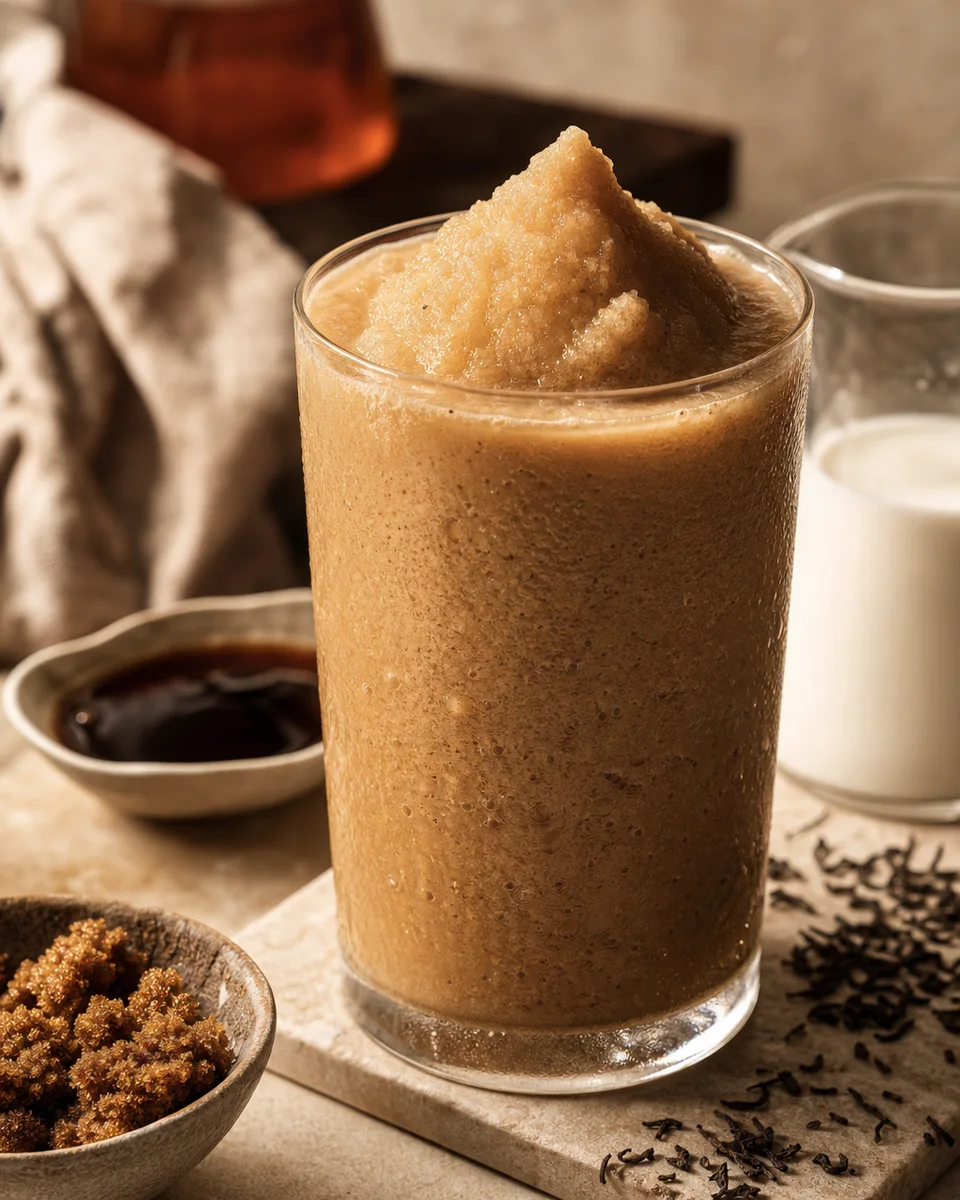
Brown Sugar Milk Tea Slush
View - LimeVerification status: Tried & tested
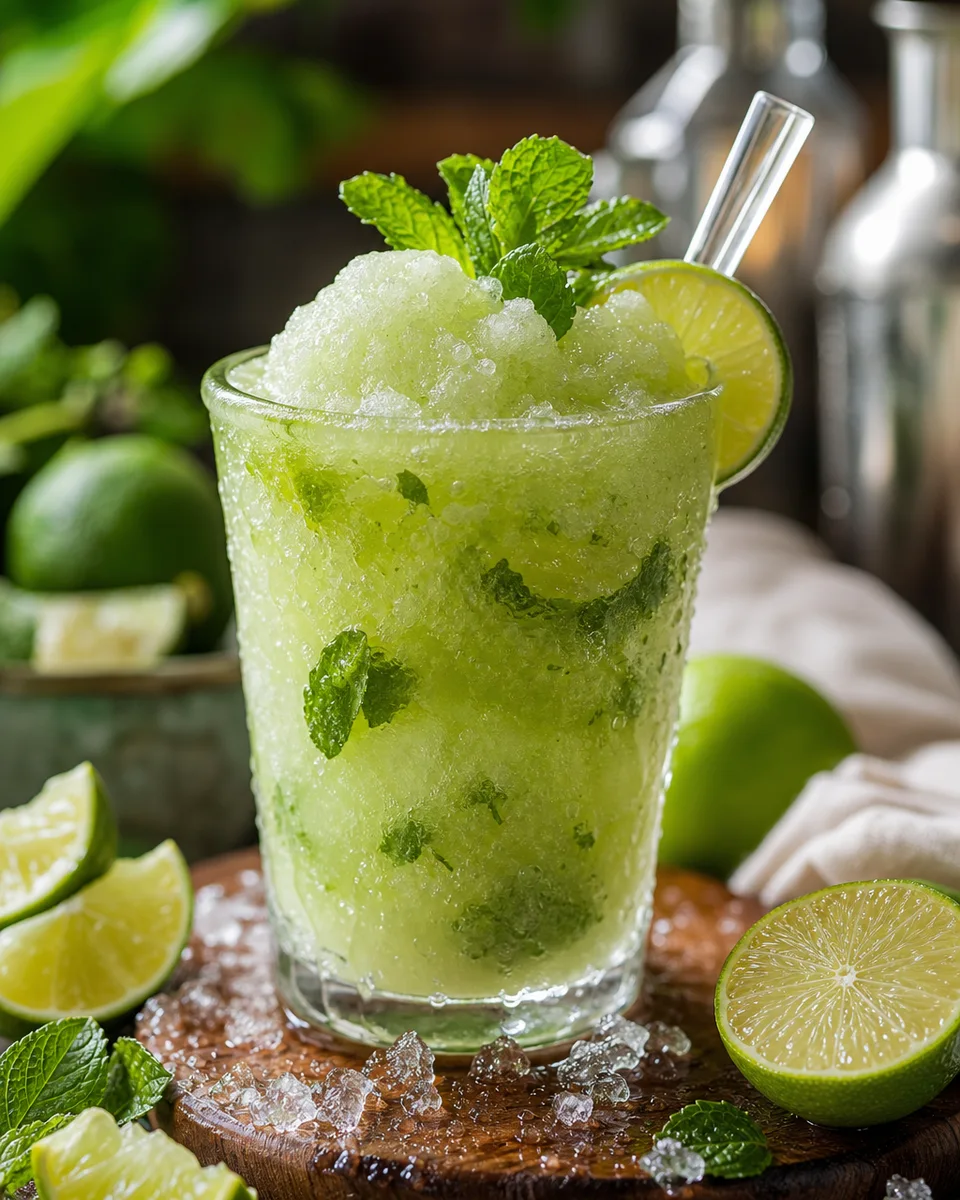
Classic Mojito Slush
View - GrapefruitVerification status: Tried & tested
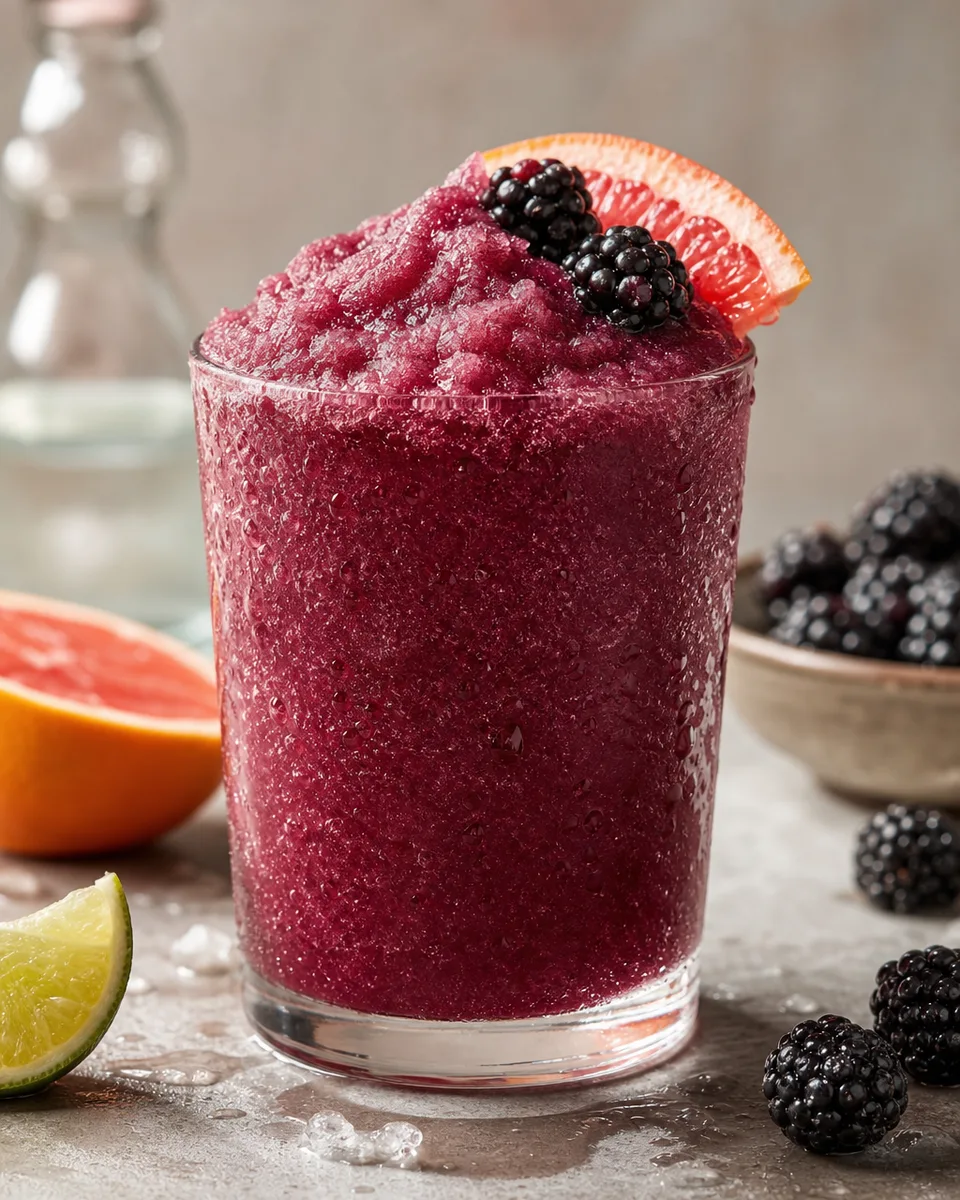
Blackberry Paloma Slush
View - MangoVerification status: Tried & tested
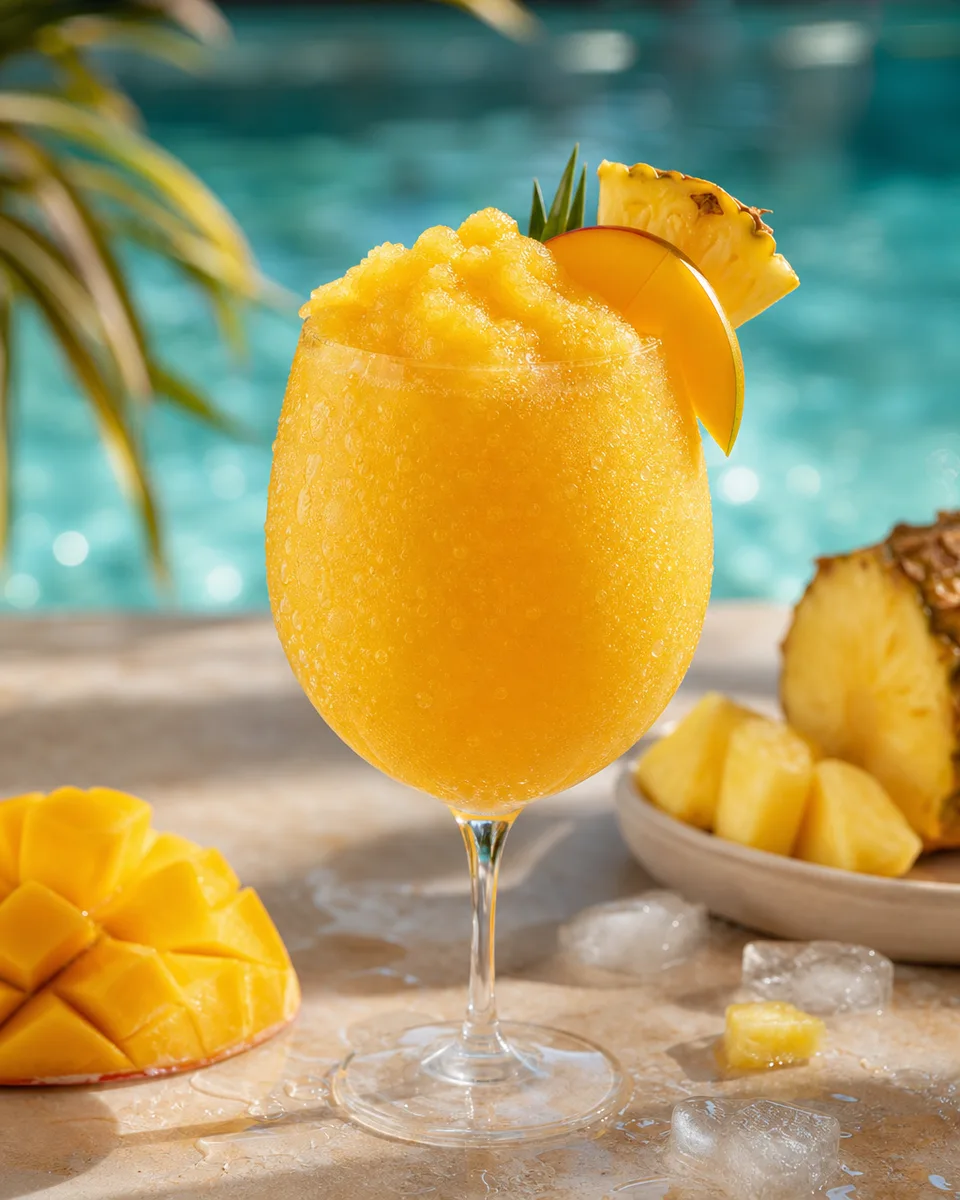
Pineapple Mango Prosecco Spritz Slush
View - CoffeeVerification status: Tried & tested
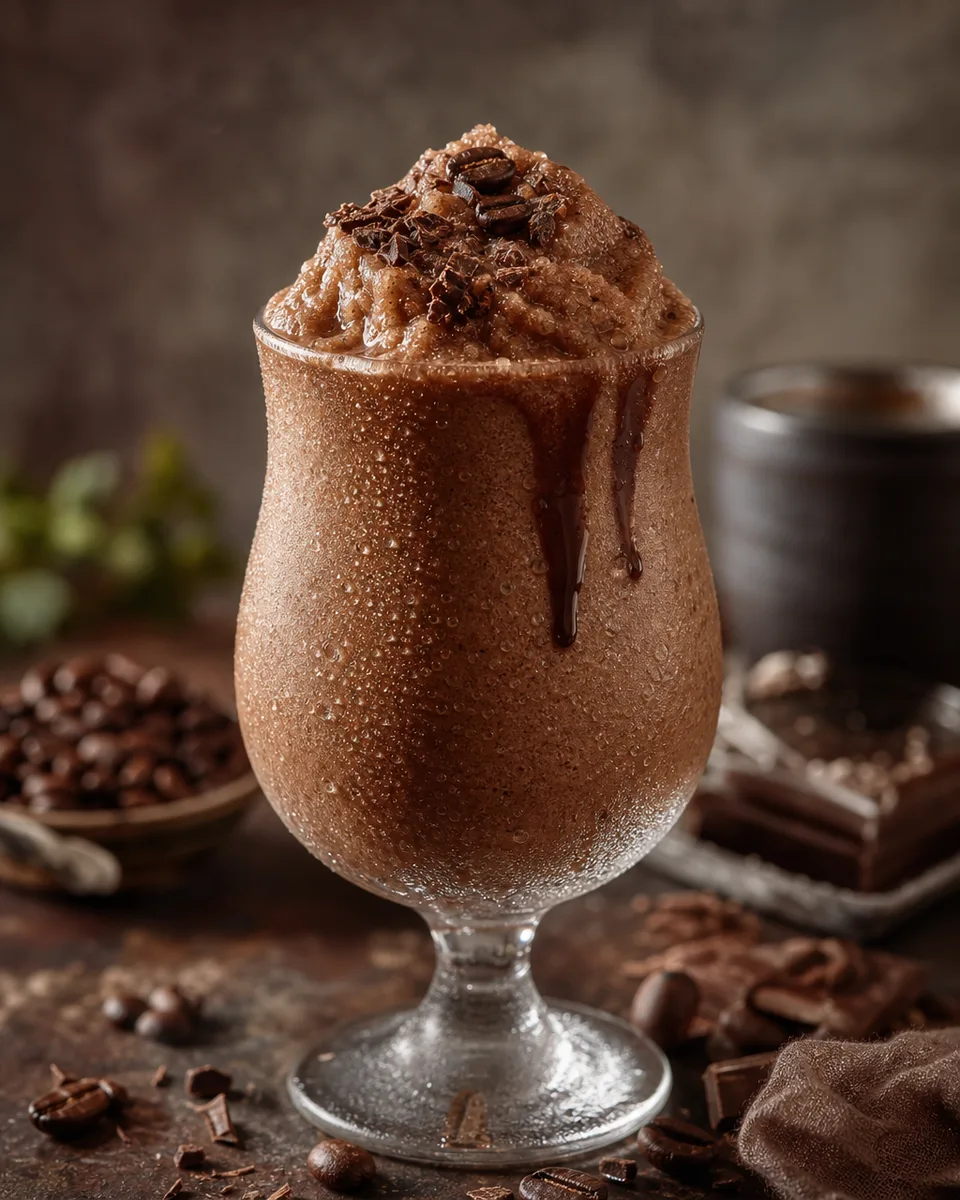
Bicerin Coffee Chocolate Cream Slush
View - CoffeeVerification status: Tried & tested
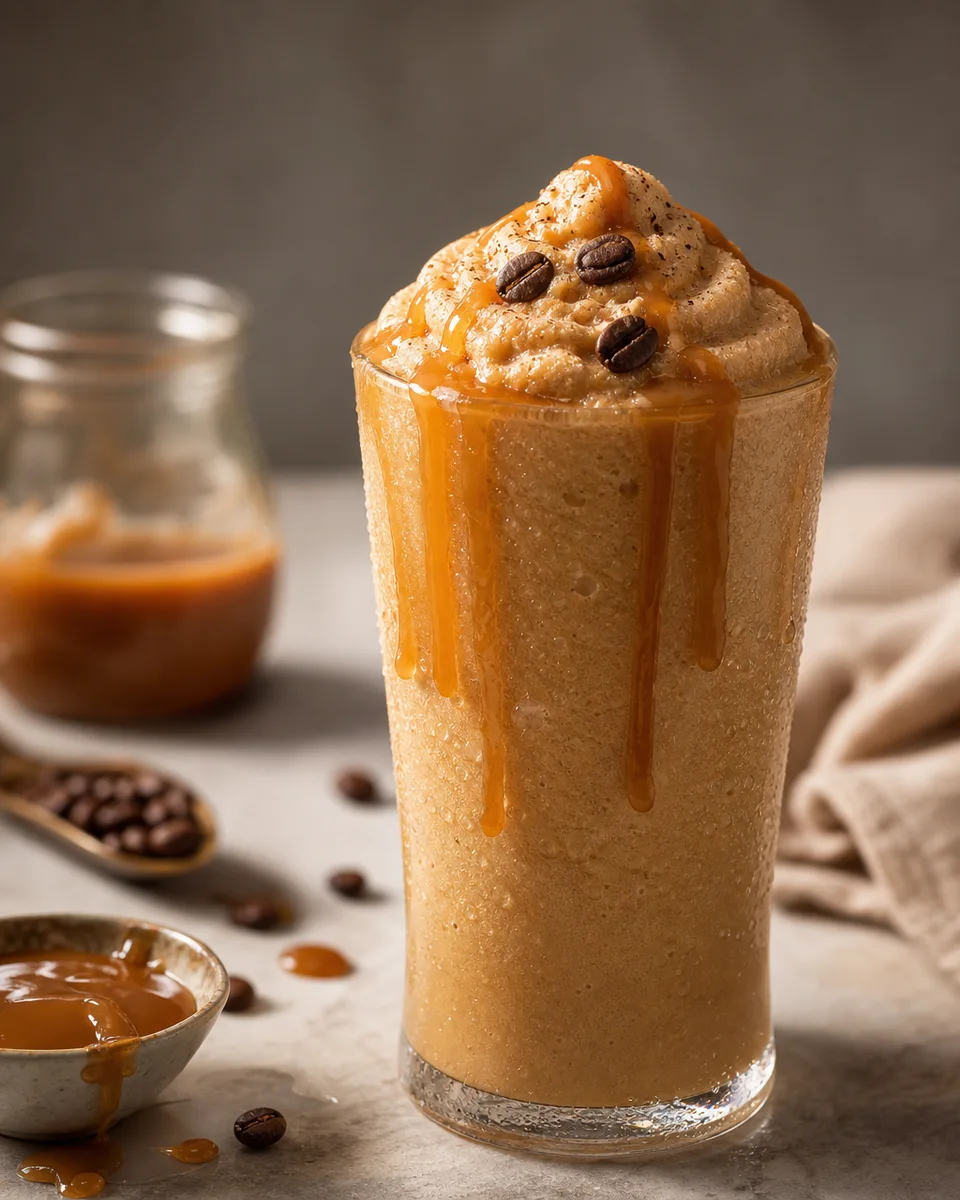
Caramel Espresso Frappe
View