Slushable Blog
Best Brix Range for Home Slush (and How to Hit It Reliably)
Aim for the right Brix and your slush texture gets easy. Here’s the best home slush Brix range, plus simple scale steps to hit it every time.

If you’re trying to figure out the best Brix range for home slush, here’s the punchline.
Most “my slush is watery” or “my slush froze into a brick” problems aren’t the machine being moody. They’re your mix being outside the slush zone.
Brix gives you a repeatable target, so you can stop guessing and start getting consistent, scoopable slush.
Table of contents
- TL;DR (Quick Fix)
- What Brix range is best for home slush?
- How to hit that Brix range reliably (two easy methods)
- Troubleshooting: symptoms → causes → fixes
- How to prevent “mystery batches” next time
- FAQ
- Related reading
TL;DR (Quick Fix)
- For most non-alcohol home slush mixes, aim for 13–15°Bx.
- If your machine is struggling (watery or freezing solid), check two things first:
- Is the mix cold going in?
- Is your mix actually in-range (Brix / sugar concentration)?
- You can hit a target Brix without a refractometer using a kitchen scale:
- Sugar to add (g) = (target Brix ÷ (100 − target Brix)) × liquid weight (g)
- Alcohol changes the rules. If you’re making boozy slush, expect a narrower “works” window and more trial-and-note.
What Brix range is best for home slush?
The reliable starting target: 13–15°Bx
For classic slush (no alcohol), the most reliable “home machine friendly” target is:
- 13–15°Bx (degrees Brix)
That range is widely used in slush equipment guidance.
In practice, it tends to:
- freeze into small crystals, not big ice chunks.
- stay soft enough to circulate.
- avoid locking up into an ice block.
The “it can still work” range: about 11–18°Bx
Real life is messy: juices vary, sodas vary, sweeteners behave differently, and home machines have different cooling power.
So think of it like this:
- Below ~13°Bx: much more likely to be watery, then suddenly turn into hard ice as the machine overcools parts of the mix.
- Above ~15°Bx: much more likely to be too soft/syrupy (or take forever to thicken).
Some mixes can run lower or higher and still work.
But 13–15°Bx is the best place to start if your goal is reliable slush.
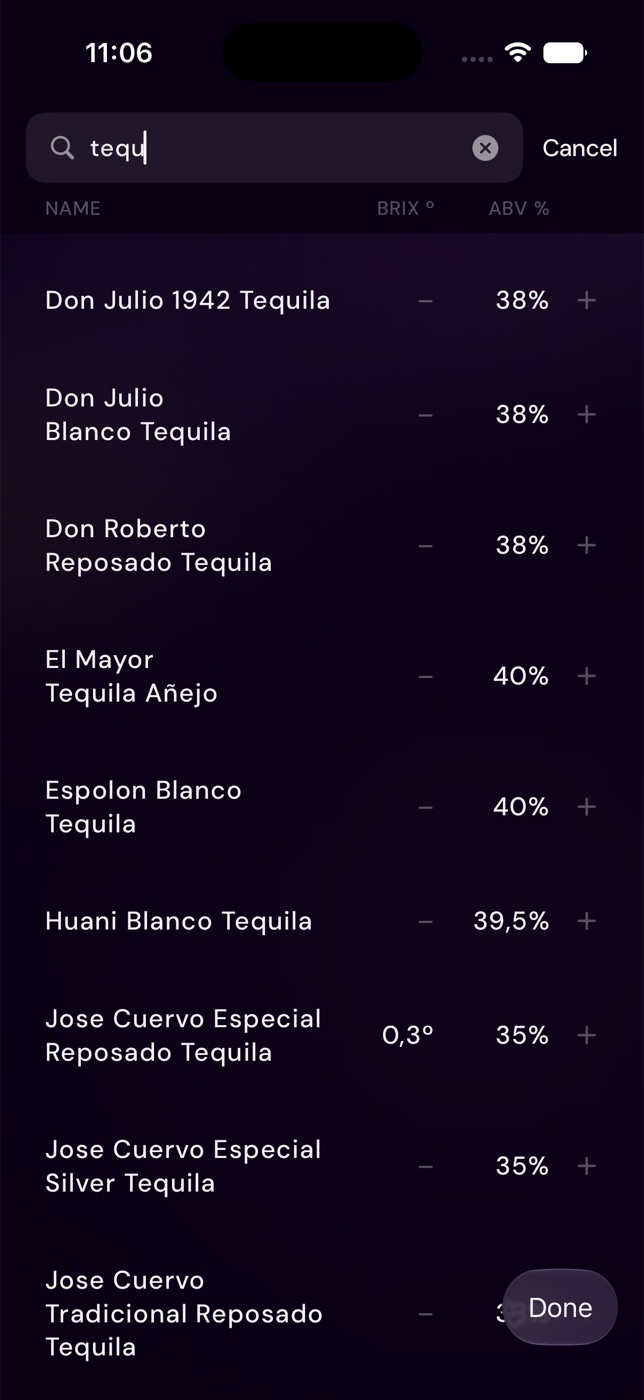
What about alcohol?
Alcohol lowers the freezing point. That means alcoholic mixes are more likely to:
- stay liquid or watery even when the machine is cold.
- need either less alcohol, more sugar, or both.
There isn’t one universal “perfect boozy Brix,” because the ABV matters. If you want a good starting point:
- keep your non-alcohol base in the 13–15°Bx zone
- then make alcohol changes deliberately and take notes.
If you’re troubleshooting a cocktail batch right now, start here: How much alcohol can a slush machine handle?
How to hit that Brix range reliably (two easy methods)
Method A (fastest): use a refractometer
If you already have a cheap handheld refractometer:
- Mix your batch completely (no sugar sitting on the bottom).
- Take a reading.
- Adjust toward 13–15°Bx.
This is the quickest path to consistency because you’re measuring the thing that matters.
Method B (no tools): hit “Brix-ish” with a kitchen scale
Brix is “grams of sucrose per 100g of solution.” For home slush, you can treat it as: sugar concentration by weight.
If you have liquid and you want to add sugar to reach a target Brix:
Sugar to add (g) = (target Brix ÷ (100 − target Brix)) × liquid weight (g).
Quick reference (starting from plain water)
- Target 13°Bx → add 149 g sugar per 1000 g water.
- Target 14°Bx → add 163 g sugar per 1000 g water.
- Target 15°Bx → add 176 g sugar per 1000 g water.
(These numbers assume you’re starting from water. If your base already has sugar—juice or soda—you’ll need less added sugar.)
The repeatable workflow
- Weigh your base liquid in grams.
- Choose a target (start at 14°Bx if you just want a default).
- Calculate sugar to add using the formula above.
- Dissolve completely (undissolved sugar doesn’t help texture).
- Chill the mix before it goes into the machine.
If you want the longer version of this workflow: How to measure sugar for slush (with a kitchen scale)
Troubleshooting: symptoms → causes → fixes
Use this like a quick diagnostic list.
Symptom: “It’s staying liquid / watery forever”
Common causes:
- Brix is too low because there is not enough dissolved sugar.
- mix went in warm.
- too much alcohol.
- room is hot or airflow is poor.
Fixes:
- Get the base mix into the 13–15°Bx zone.
- Pre-chill the mix (it matters more than people think): Should you prechill slush mix?
- If alcohol is involved, reduce it or restructure the mix (see: How much alcohol can a slush machine handle?)
- If your room is hot, expect slower freezing: Ambient temperature and slush machine performance.
If you’re already close to the right Brix and it’s still watery: Why is my slush watery? (and how to fix it)
Symptom: “It froze solid / I got an ice block”
This surprises people, but a common cause is still:
- Brix is too low.
Low-sugar mixes can freeze hard, stick to cold surfaces, and stop circulating. Once circulation stops, the machine tends to make the problem worse.
Fixes:
- Confirm your mix is in-range (aim 13–15°Bx).
- Don’t overfill.
- Let the machine recover before making more changes.
More detail here: Why did my slush freeze solid? (ice blocks fix)
Symptom: “It’s thick, but too icy / snowy”
Common causes:
- Brix is a little low for your machine or conditions.
- mix isn’t fully dissolved, or the bowl has uneven zones.
- temperature setting is too aggressive.
Fixes:
- Nudge Brix upward slightly (small changes, then wait).
- Make sure everything is fully dissolved.
- Check your machine’s thickness setting: Slush machine thickness setting: how to adjust
More detail: Why is my slush too icy? (snowy texture)
Symptom: “It’s too soft / syrupy and never quite slushes”
Common causes:
- Brix is too high.
- too much alcohol.
Fixes:
- Reduce sugar next batch.
- Reduce alcohol or keep it as a small “top-up” after dispensing.
How to prevent “mystery batches” next time
- Pick a default target (I like 14°Bx for non-alcohol).
- Use one measurement method consistently (refractometer or scale math).
- Keep a tiny log:
- base liquid.
- added sugar in grams.
- alcohol, if any.
- room temp, roughly.
- result.
Two batches with notes will teach you more than ten batches with vibes.
FAQ
Is Brix the same thing as “sweetness”?
No. It is a measurement of dissolved sugar by weight. Taste is influenced by acids, flavors, and sweeteners that don’t behave like sugar in a freezer.
Do I have to buy a refractometer?
No. A refractometer makes things faster, but the scale method gets you consistency.
Can I fix Brix mid-run by dumping dry sugar into the bowl?
Not reliably. Dry sugar can clump and create uneven zones. If you need to adjust mid-run, dissolve sugar in warm water first, then add the syrup.
What if I’m using juice or soda (not water)?
They already contain sugar, so you’re not starting from zero. If you want precision, measure with a refractometer. If you want “good enough,” do the scale method and adjust gradually based on results.
Related reading
Recipes to make next
Slush recipes from the library that fit this guide — every one balanced to freeze in a home machine.
- PeachVerification status: Tried & tested
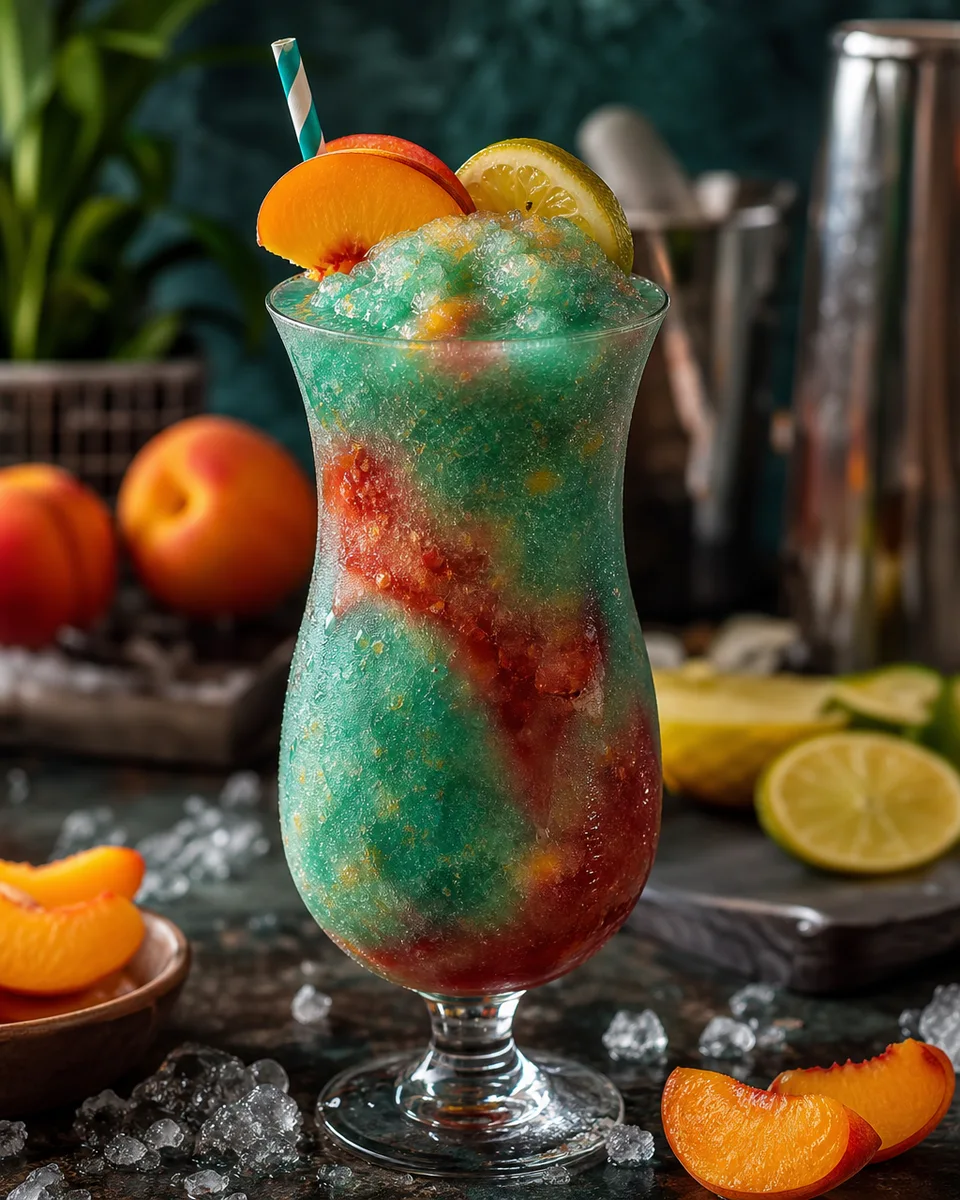
Peach Citrus Long Island Slush
View - StrawberryVerification status: Tried & tested
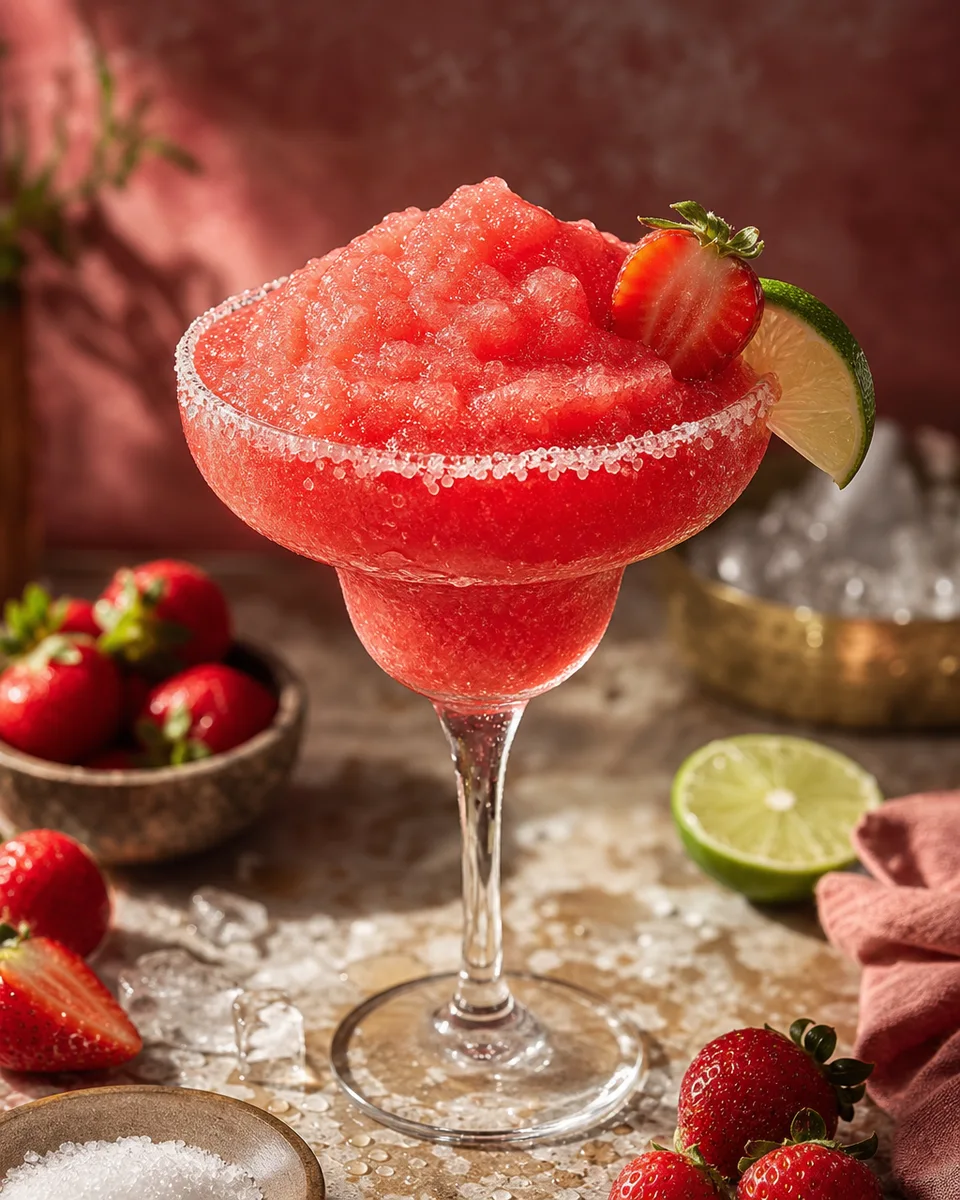
Strawberry Margarita Slush
View - ProseccoVerification status: Tried & tested
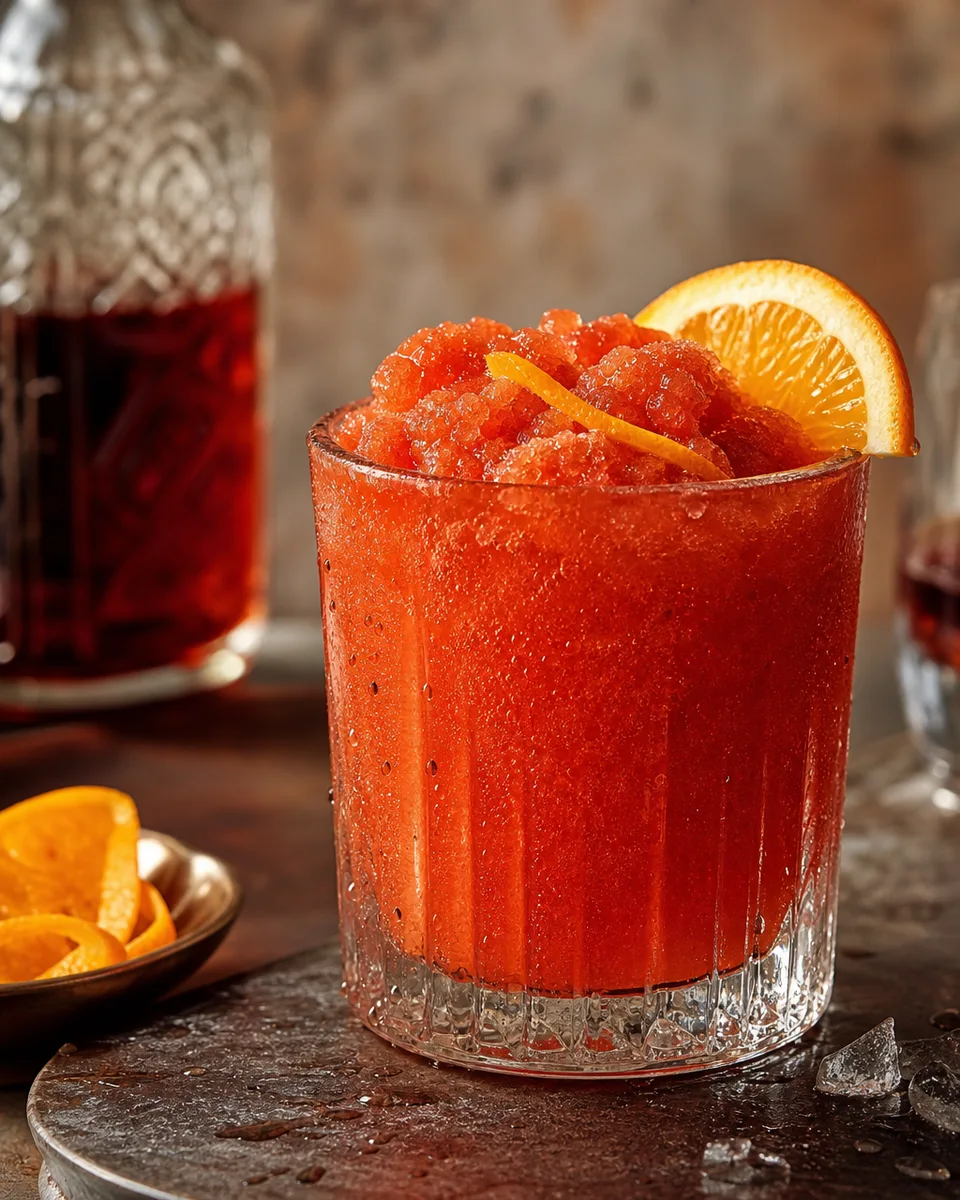
Americano Slush
View - HoneyVerification status: Tried & tested
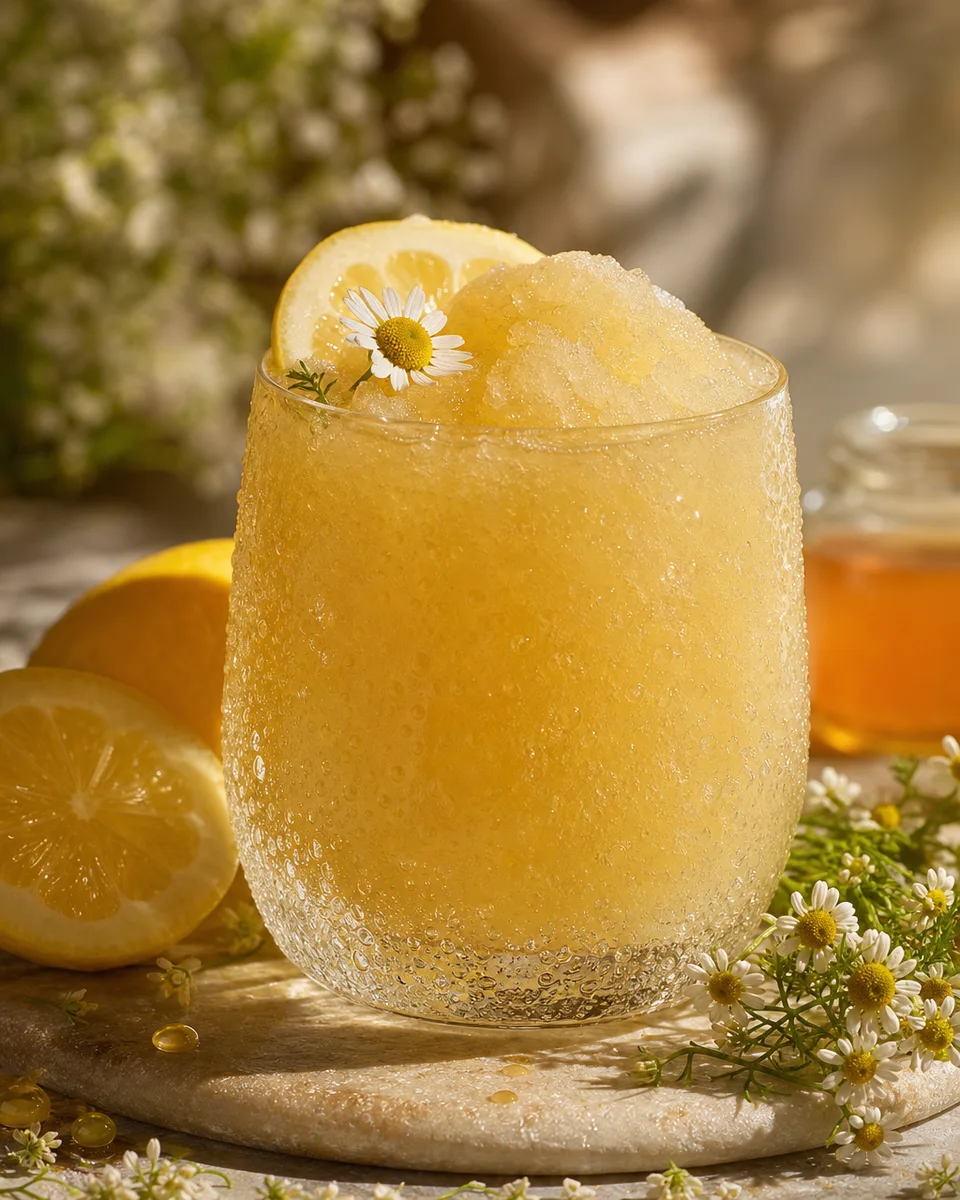
Chamomile Honey Grappa Slush
View - GinVerification status: Tried & tested
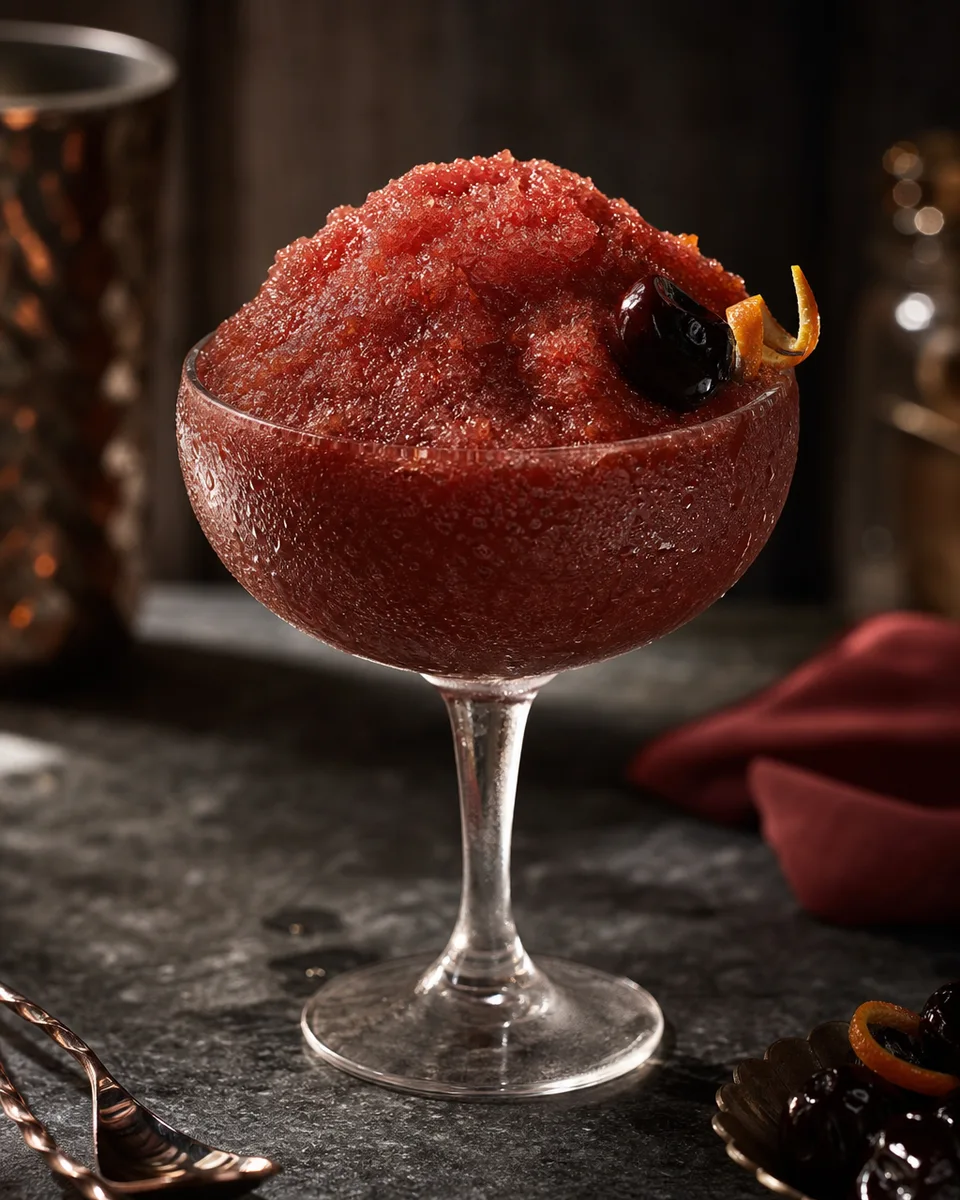
Hanky Panky Slush
View - OrangeVerification status: Tried & tested
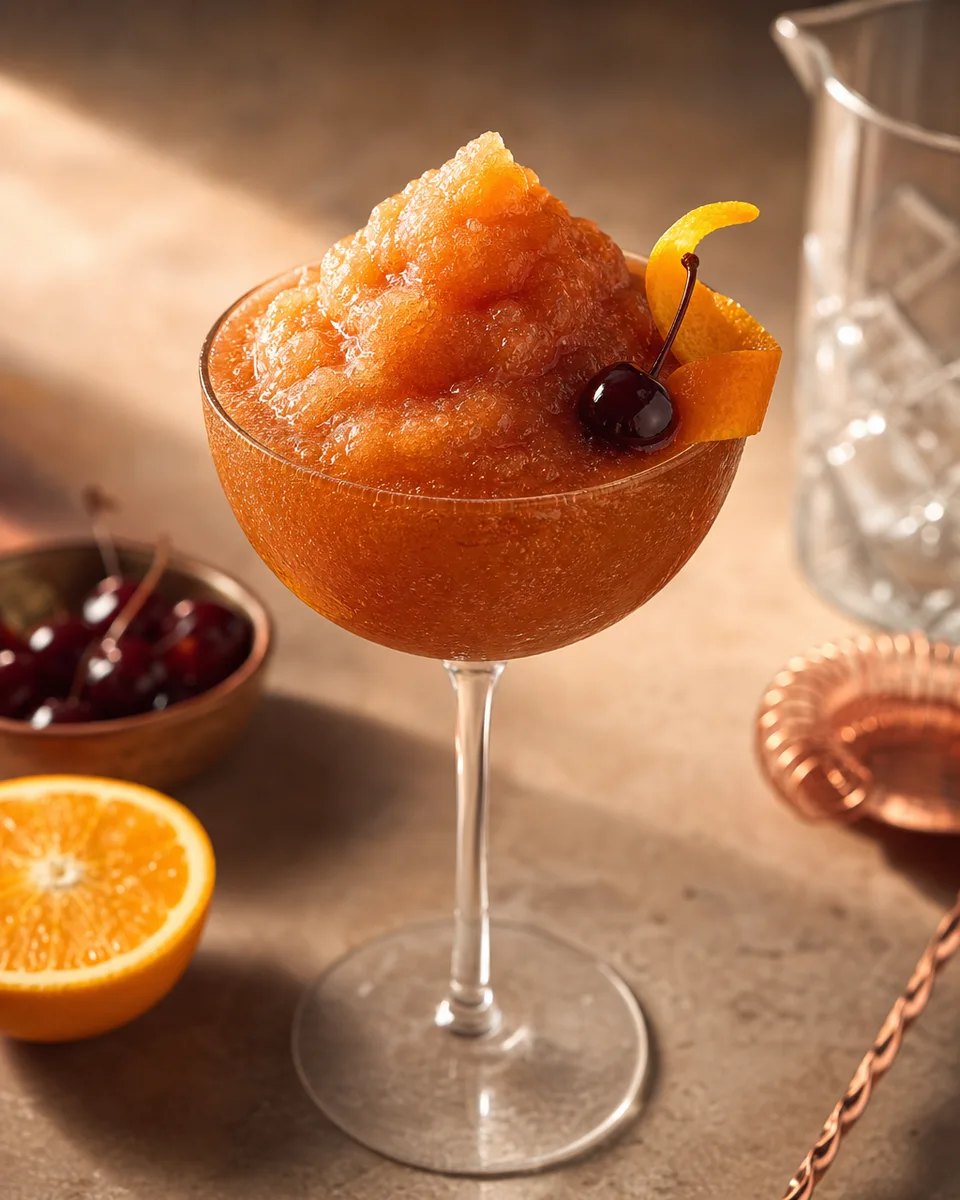
Martinez Slush
View