Slushable Blog
Wine Slushie Recipes: Can You Put Wine in a Slush Machine? (Frosé, Ratios, ABV)
Wine slushie recipes that actually freeze: frosé, red and berry, white peach sangria, and sparkling spritz, each with the Brix and hopper ABV the machine needs.
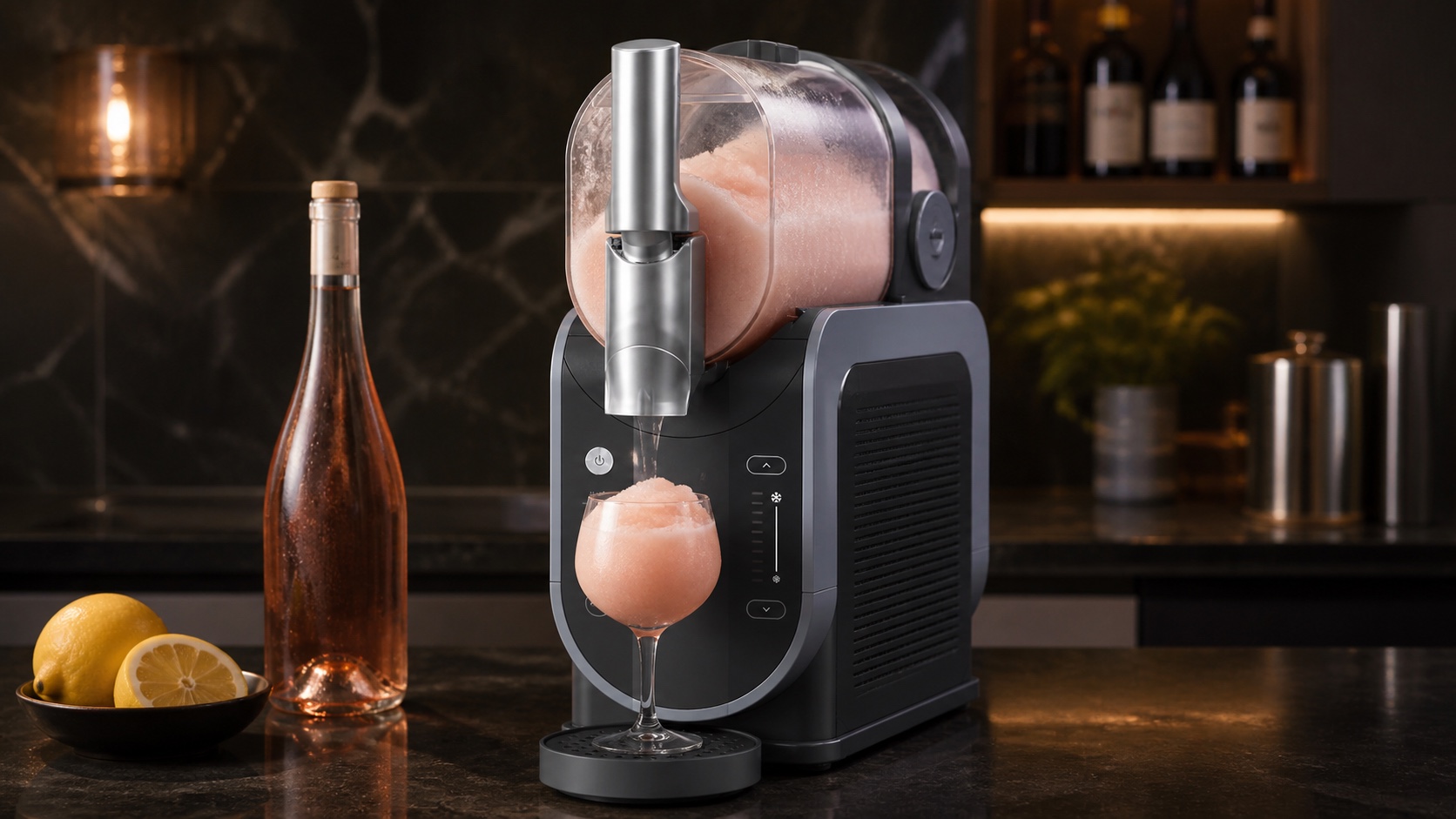
Yes, wine can go in a slush machine. Poured straight from the bottle, though, it almost never freezes into slush.
A wine slushie fails for two measurable reasons. Dry wine carries almost no sugar, so there is nothing to build soft crystals around. And at a typical 11–14% ABV, straight wine sits near or above what many home machines accept as an input.
Frosé bars solved this years ago: dilute the wine, add real sugar, then freeze. Below are four wine slushie recipes built on that math, each checked against the Slushable calculator.
The Short Answer
Do not pour straight wine into the hopper. Build a batch instead: one 750 ml bottle, a measured pour of syrup, and enough water or juice. Land the full mix at roughly 13–15° Brix and under about 5–6% ABV. Four calculator-checked recipes are below. Check your own bottle in the Slush Ratio Calculator before the machine runs.
Why straight wine will not slush
Slush texture needs dissolved sugar in the 12–16° Brix range. A dry rosé typically holds only a few grams of residual sugar per liter, which reads as roughly 2° Brix. That is water-side behavior: the batch freezes icy and hard instead of soft.
Alcohol pushes the other direction. At 11–14% ABV, wine lowers the freezing point so far that many machines cannot reach slush texture at all.
The machine limits are published. For the Ninja SLUSHi FS301, the official SharkNinja FAQ puts premade spiked inputs between 2.8% and 16% alcohol, with at least 4% sugar. The official product pages for the SLUSHi XL, Max, and Twist list support for cocktails up to 20% alcohol. Straight wine can scrape past the ABV gate on paper, but it still fails the sugar floor.
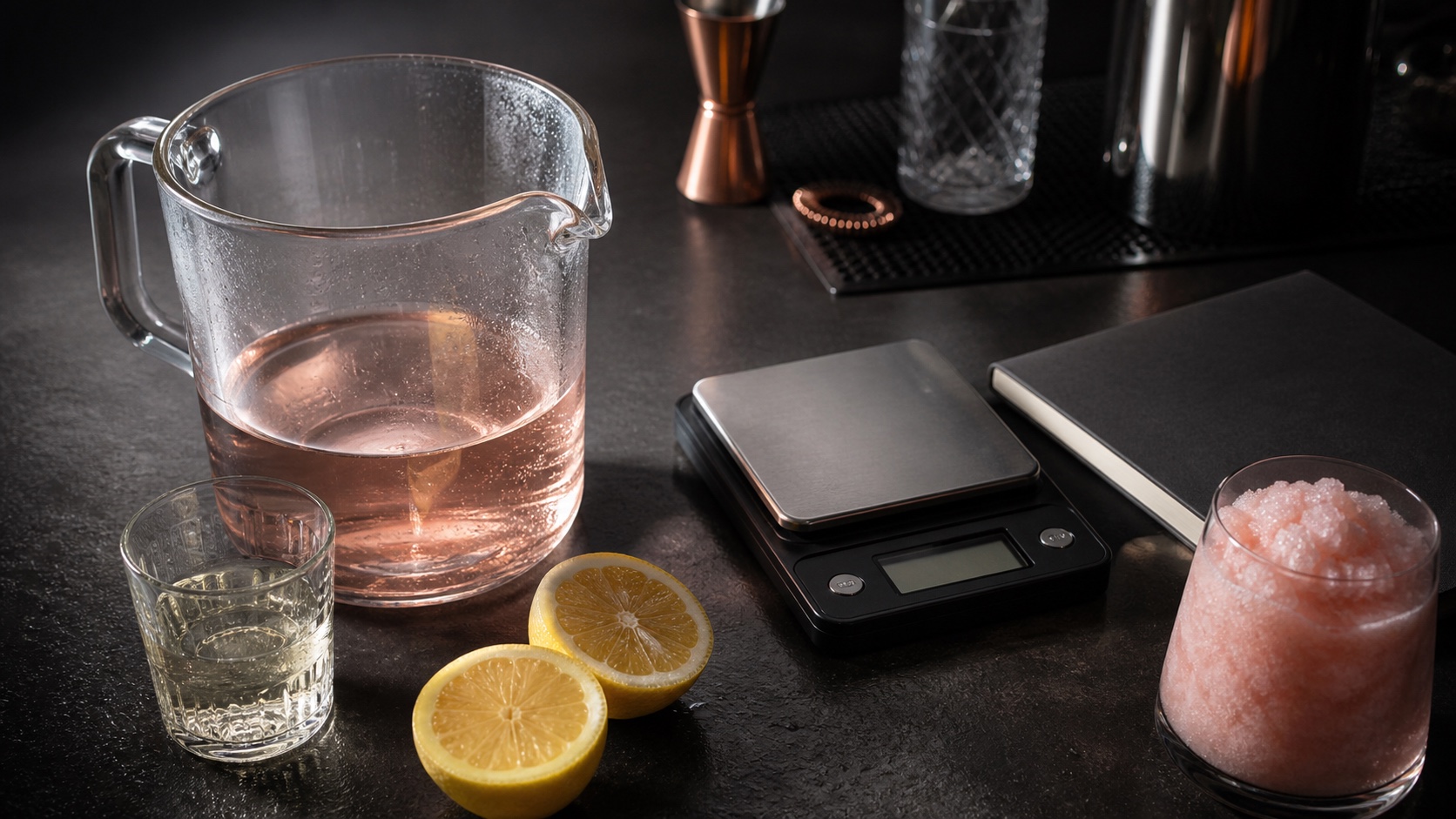
Wine slushie recipes that actually freeze
Every recipe below is one 750 ml bottle built out to a 1.85 L batch. That size fits the Ninja SLUSHi FS301's 64 oz max liquid fill. It also splits across the two 48 oz vessels of a Twist, and scales to the XL and Max fills listed in Ninja SLUSHi models compared.
The Brix and hopper ABV figures come from the same calculator that powers the site's tools. Each run assumes a dry bottle near 2° Brix, 1:1 simple syrup at 50° Brix, and lemon juice at 8° Brix. Fruit juice is taken at 12° Brix, inside the 11–13° Brix band we publish for juice. Your bottle will differ. Re-check it before you pour.
How to make a wine slushie
- Read the bottle. Note the volume and the label ABV.
- Add sugar as syrup, not as grains, so it dissolves in a cold mix.
- Dilute with water or juice until the batch sits under about 5–6% ABV.
- Pre-chill the finished mix, then run the spiked program.
Rosé frosé
- 750 ml rosé at 12% ABV.
- 400 ml 1:1 simple syrup.
- 100 ml fresh lemon juice.
- 600 ml cold water.
That 1.85 L batch lands at 13.8° Brix and 4.9% ABV — inside the slush zone. Each 9 oz pour carries about one third of a glass of wine.
Machine note: it stays under the FS301's 64 oz max liquid fill and inside the 2.8–16% spiked input range.
Swap the water for strawberry purée and white grape juice if you want more fruit. Then re-check, because juice moves both sugar and dilution. The Slush Ratio Calculator recalculates the full batch in seconds, and our Ninja SLUSHi recipes page has curated frozen cocktails that already balance.
Red wine and berry
- 750 ml fruit-forward dry red at 13% ABV.
- 350 ml 1:1 simple syrup.
- 300 ml strained cranberry or mixed-berry juice.
- 450 ml cold water.
The finished 1.85 L batch reads 13.8° Brix and 5.3% ABV. It is the strongest of the four, so it is the one most likely to churn slowly.
Machine note: strain the berry juice. Pulp and seeds catch on the auger. If the batch stays liquid, replace 100 ml of the wine with water and run it again.
White wine peach sangria
- 750 ml dry white at 12% ABV.
- 350 ml strained peach nectar.
- 350 ml 1:1 simple syrup.
- 50 ml fresh lemon juice.
- 350 ml cold water.
This one lands at 14.3° Brix and 4.9% ABV — the sweetest of the four. Sweet also means a lower freeze point, so give it extra time in a warm kitchen.
Machine note: peach nectar carries pulp, so strain it before it meets the hopper. Split across a Twist's two vessels it fills each one about two thirds.
Sparkling wine spritz
- 750 ml Prosecco at 11% ABV, left open until mostly flat.
- 350 ml 1:1 simple syrup.
- 300 ml pink grapefruit juice.
- 50 ml fresh lemon juice.
- 400 ml cold water.
The batch reads 14.0° Brix and 4.5% ABV, the gentlest of the four in the hopper. It also has the highest freeze point of the four, so it reaches slush first.
Machine note: let the bubbles go before the mix goes in. Carbonation foams while the auger turns and pushes the fill line up. Scaled 1.5×, this batch is about 94 oz, which still fits the XL's 96 oz max fill.
More bottle-based drinks live in the wine slush recipe collection, and the bubbly ones sit in Prosecco slush recipes.
Sweet, sparkling, and fortified wines
Not every bottle behaves like dry rosé.
- Sweet wines such as Moscato bring real sugar of their own. They need less added syrup, but the ABV math is unchanged. Measure, do not guess.
- Sparkling wine foams while it churns, the same way soda does. Let Prosecco go mostly flat before it joins the batch, and treat any bubbly top-up as a serving-time pour.
- Fortified wines at 15–20% ABV push the batch strength up fast. Use smaller amounts and re-check the finished ABV.
How to keep a wine slush from going wrong
- Start from the label ABV and the bottle size.
- Add sugar as syrup, so it dissolves instantly in a cold mix.
- Dilute toward your target ABV, then re-check Brix.
- Pre-chill the finished mix before it meets the machine.
- Taste at serving time. If you want it stronger, float spirit on top of the glass instead of raising the hopper ABV.
If the batch is churning but staying liquid, alcohol is the usual suspect. Read how much alcohol can a home slush machine handle? for the recovery steps.
FAQ
Can I make frosé in a Ninja SLUSHi?
Yes, on the spiked program. Balance the batch first. The worked example above lands a 12% rosé at 4.9% ABV and 13.8° Brix, inside the official input range for the FS301.
Does red wine work?
The math is the same as rosé. Reds carry tannins that some people find harsher when frozen, so start with a fruit-forward red and a fruitier mixer.
Why is my wine slush watery after an hour?
The batch ABV is probably too high for your machine's setpoint. Lower it with juice or water, then rebuild sweetness with syrup. The calculator makes this a two-minute fix instead of a guessing game.
What are the easiest wine slushie recipes for a first batch?
Start with the rosé frosé above. One bottle, syrup, lemon, water, and no fruit to strain. Once that batch behaves, move to the red and berry or the peach sangria. Browse wine slush recipes for more bottle-based builds.
Can I use a boxed wine or a wine cooler?
Yes, as an ingredient. Wine coolers behave like the canned drinks covered in can White Claw and canned cocktails go in a slush machine? — check their sugar and ABV, then balance the whole batch.
Related reading
Recipes to make next
Slush recipes from the library that fit this guide — every one balanced to freeze in a home machine.
- ProseccoVerification status: Tried & tested
Sarti Rosa Prosecco Spritz Slush
View - ProseccoVerification status: Tried & tested
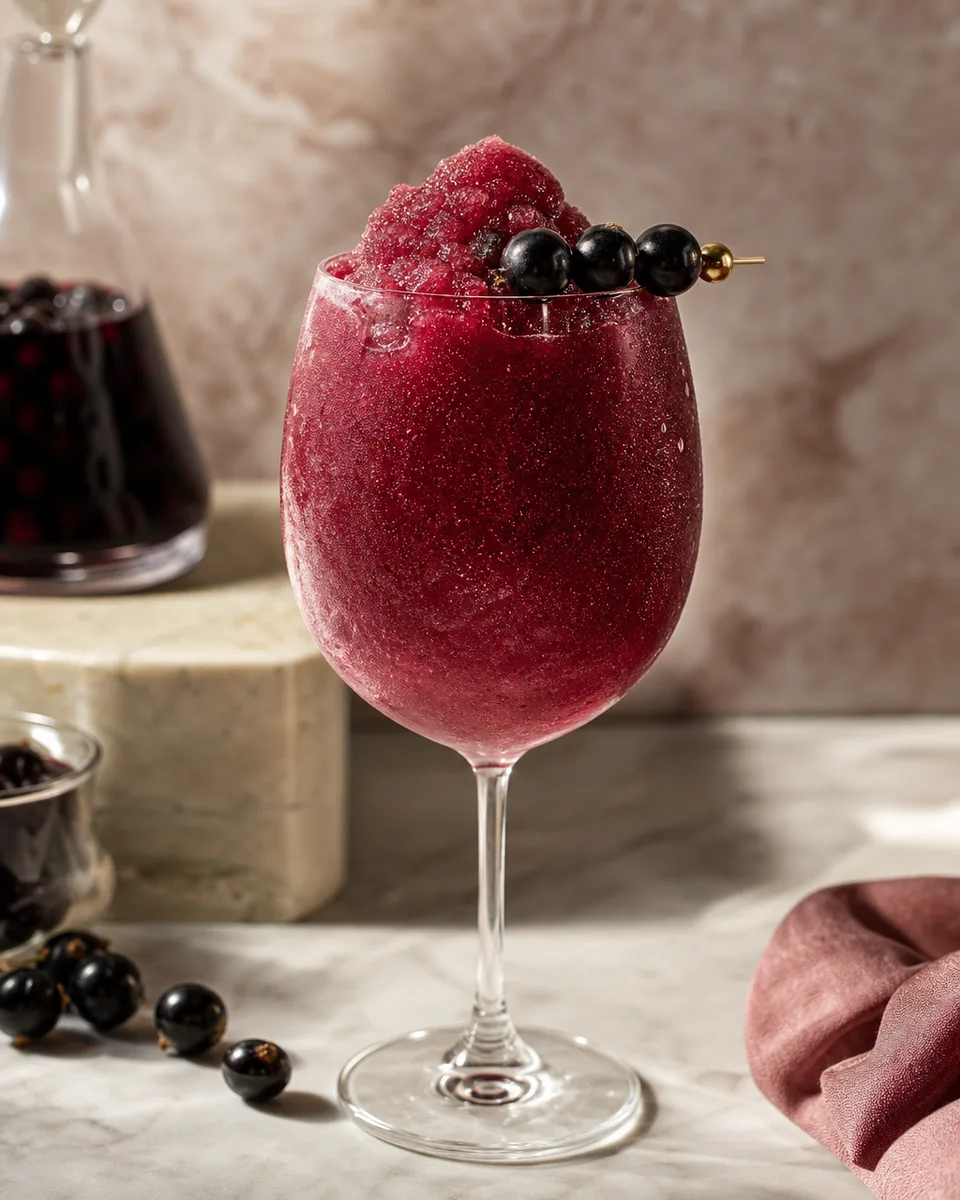
Kir Slush
View - MangoVerification status: Tried & tested
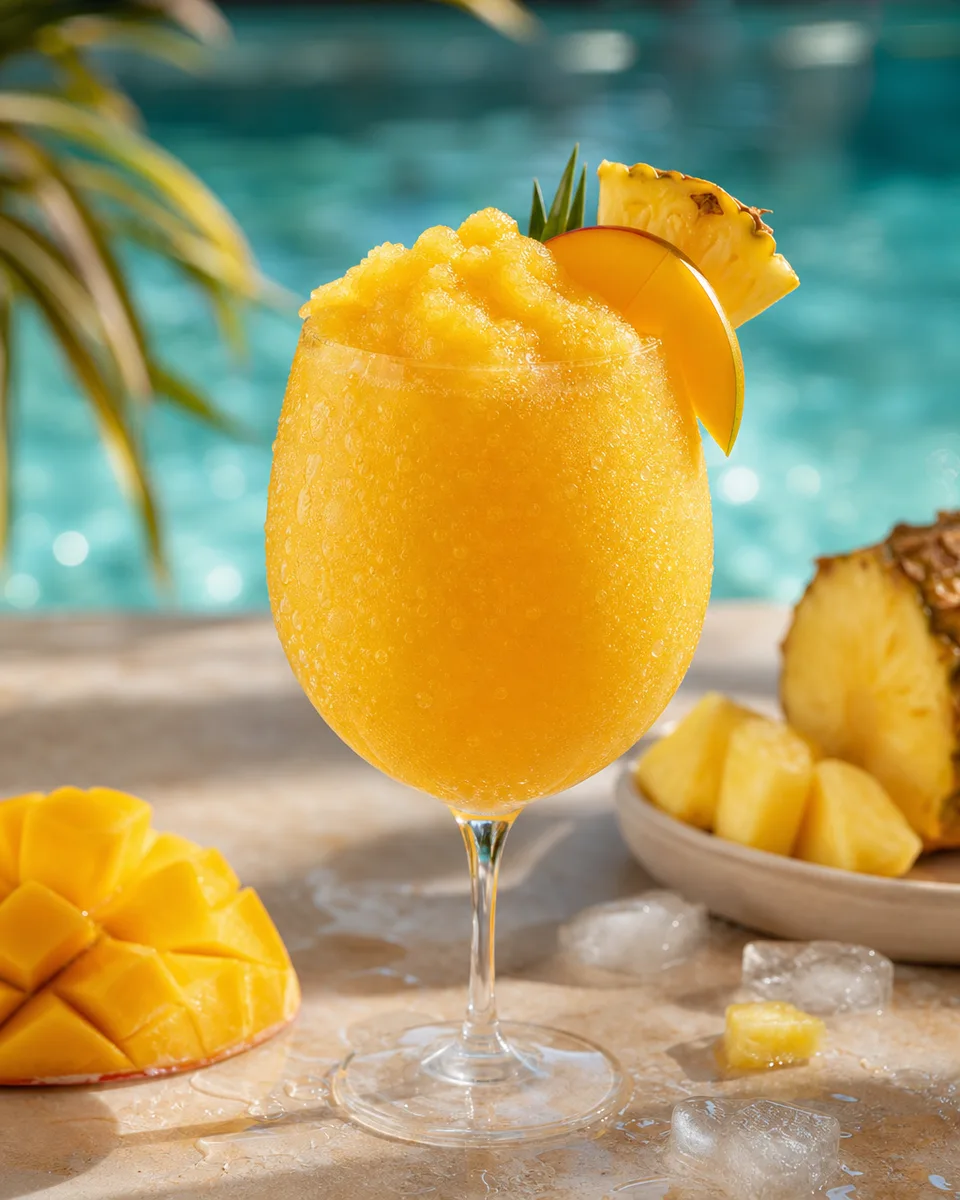
Pineapple Mango Prosecco Spritz Slush
View - LemonVerification status: Tried & tested
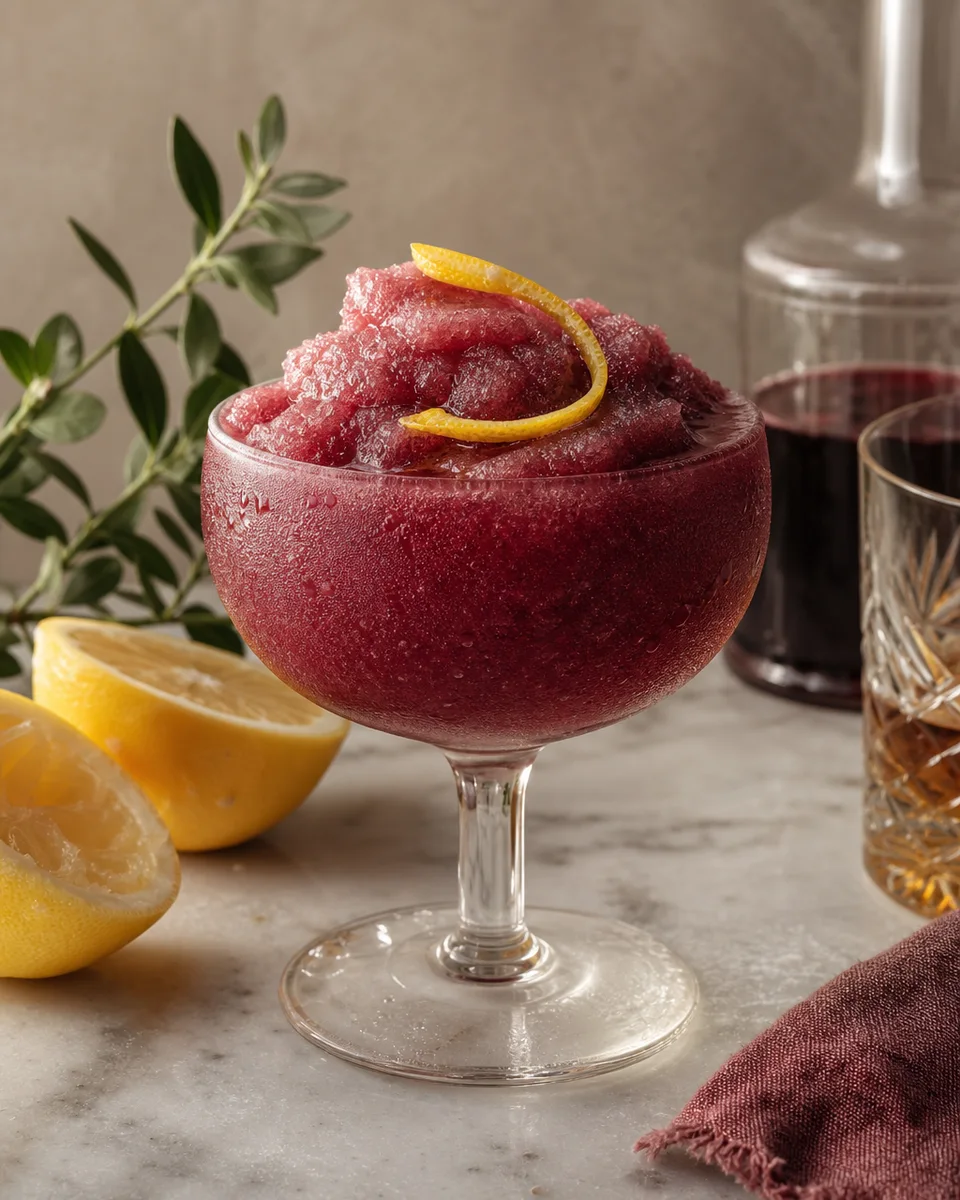
New York Sour Slush
View - ProseccoVerification status: Tried & tested
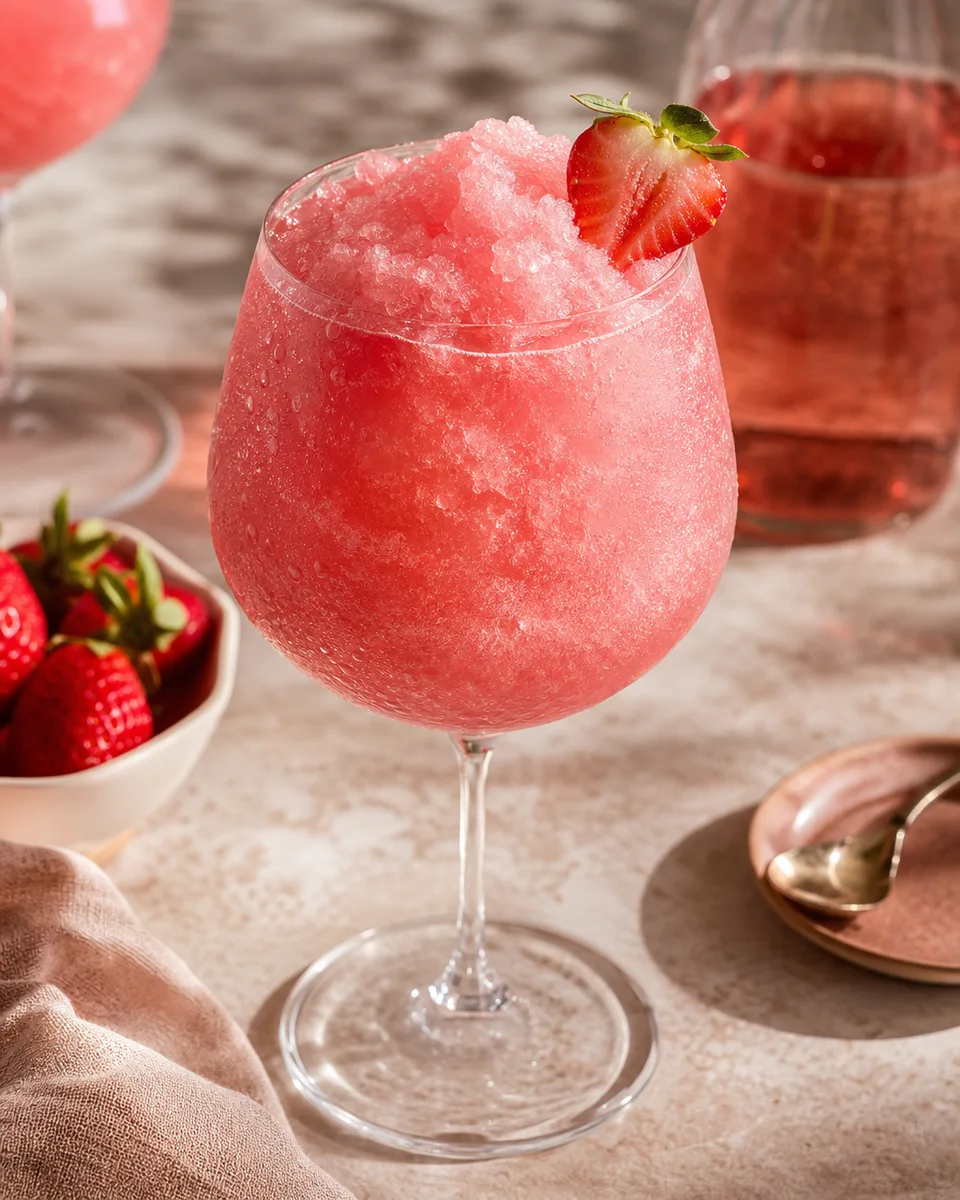
Sarti Spritz Slush
View - OrangeVerification status: Tried & tested
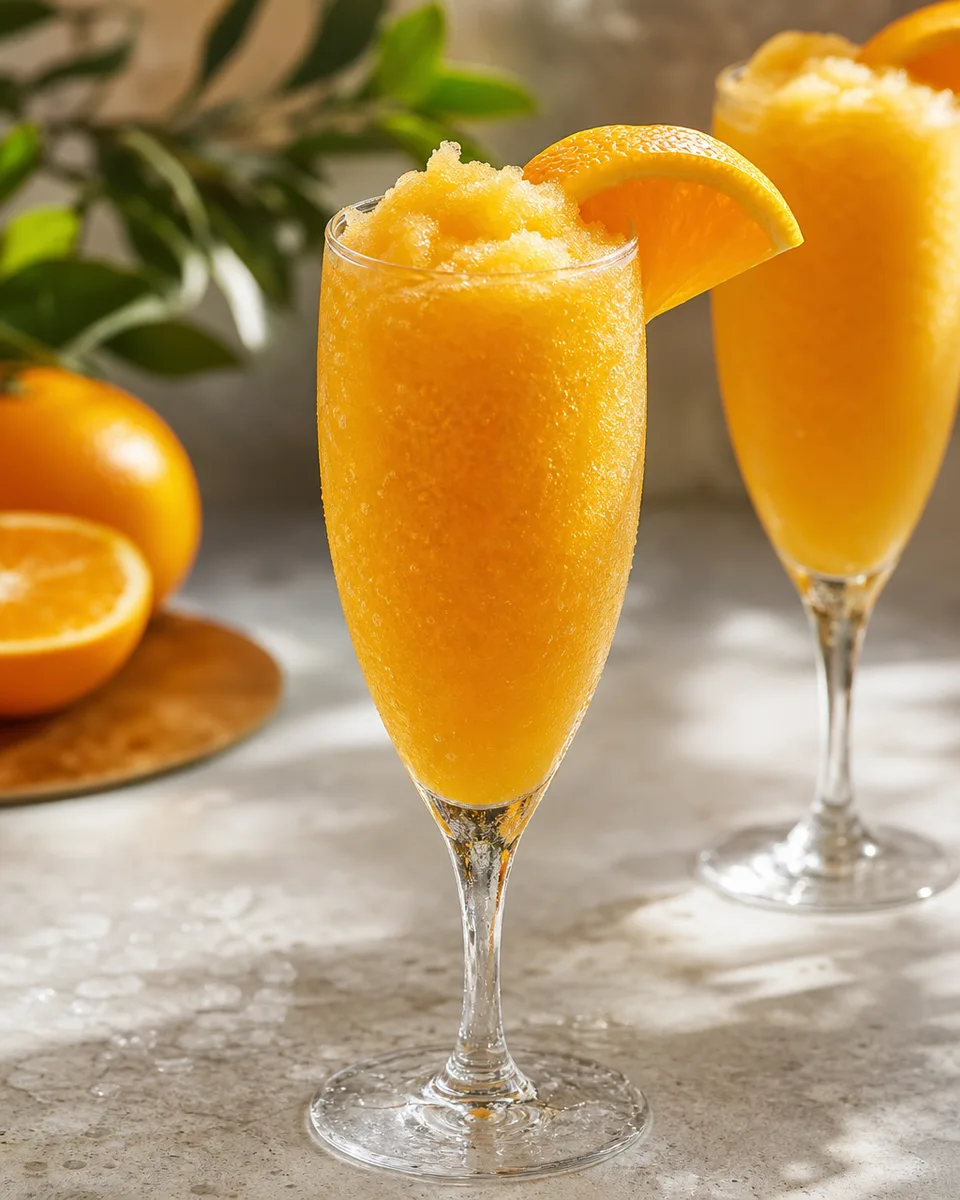
Mimosa Slush
View