Slushable Blog
How to Make a Slushie: Machine, Blender, and Freezer Methods
How to make a slushie in a home slush machine, a blender, or the freezer, with exact sugar targets so every batch lands slushy instead of icy or watery.

How to make a slushie comes down to two choices: the mix and the tool. A home slush machine, a blender, a shallow freezer pan, or a zip bag and ice will each get you there. Three of those cover how to make a slushie without a machine, using gear you already own.
The part people skip is the mix itself. Slush texture comes from dissolved sugar, not from the hardware. Get the sugar level right and every method below produces spoonable slush. Get it wrong and you make flavored ice or a cold drink.
TL;DR (Quick Fix)
- Aim the finished drink at roughly 12–16° Brix, which is about 120–160 g of sugar per 1,000 g of mix.
- Machine method: mix to the window, chill it, pour to the fill line, and wait 30–90 minutes.
- Blender method: freeze the drink into cubes, then blend. Do not blend plain ice into a normal-strength drink.
- Freezer-scrape method: pour the mix into a shallow pan and scrape with a fork every 30–45 minutes.
- Bag method: seal the mix in a small zip bag, bury it in ice and salt, and shake for 10–15 minutes.
- Check the numbers first with the Slush Ratio Calculator.
How to make a slushie: the ratio decides everything
A slush machine holds a mix at its freezing edge while an auger keeps crystals small. Without the machine, you have to create the same balance by hand.
Sugar lowers the freezing point of water. At around 12–16° Brix, part of the mix freezes and part stays liquid. That half-frozen state is slush. Below that range the batch locks into hard ice. Far above it, the batch stays syrupy and wet.
So before picking a method, check the drink. Soda sits near 10–11° Brix. Many juices land near 11–13° Brix. Plain iced coffee and diet drinks sit near zero. Use the Sugar to Brix calculator to read a label, then adjust with 1:1 simple syrup until the full batch lands in range.
Method 1: How to make a slushie in a home slush machine
A countertop machine is the least hands-on route, and the only one that holds texture for a whole party. It also has the strictest rules about what you pour in.
- Mix the drink to the same 12–16° Brix window. Read soda and juice labels with the Sugar to Brix calculator.
- Chill the batch in the fridge first. Warm mix is heat the machine has to pull out before anything freezes.
- Pour to the fill line and no further. An overfilled hopper freezes slowly and can spill.
- Let it run. Most home batches land in 30–90 minutes, as covered in how long does a slush machine take to freeze?
If the machine is new, work through slush machine setup before the batch rather than during it. Ninja SLUSHi owners can pressure-test a planned batch in the Ninja SLUSHi calculator. The curated recipe catalog is already balanced for home machines if you would rather not do the math.
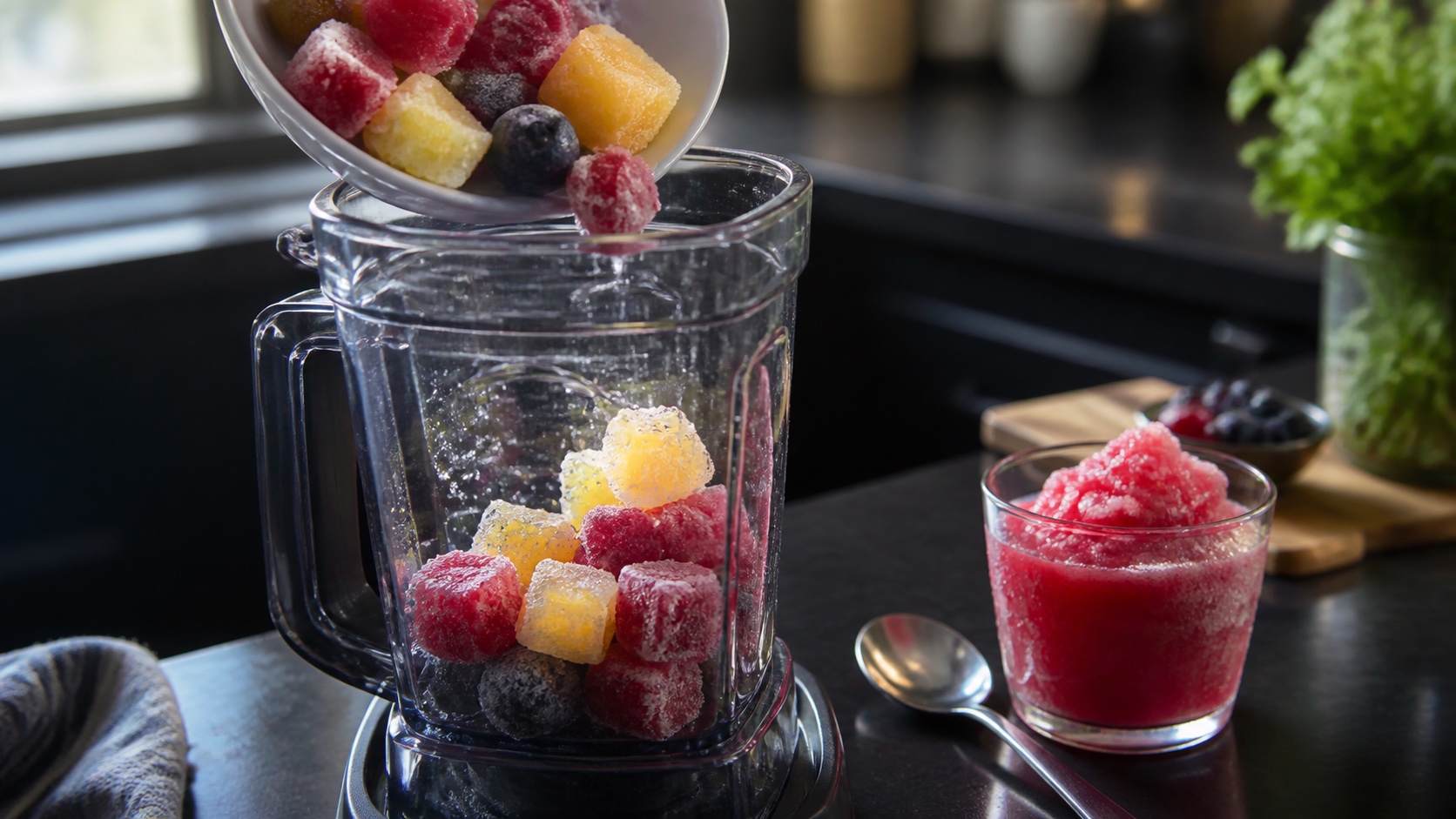
Method 2: How to make a slushie with a blender
The blender is the fastest route, and the most common place batches go wrong.
If you blend regular ice into a regular drink, the ice melts and waters everything down. The result tastes thin and separates in minutes.
Do this instead:
- Mix your drink to the target range, around 12–16° Brix.
- Pour it into an ice cube tray and freeze the cubes solid.
- Blend the frozen drink cubes with a small splash of the same drink.
- Pulse until the blades catch, then blend to a snow-like texture.
- Serve immediately.
Because the cubes are the drink, nothing gets diluted as they melt. If the blender stalls, add another small splash of liquid and pulse again.
Method 3: The freezer-scrape slushie
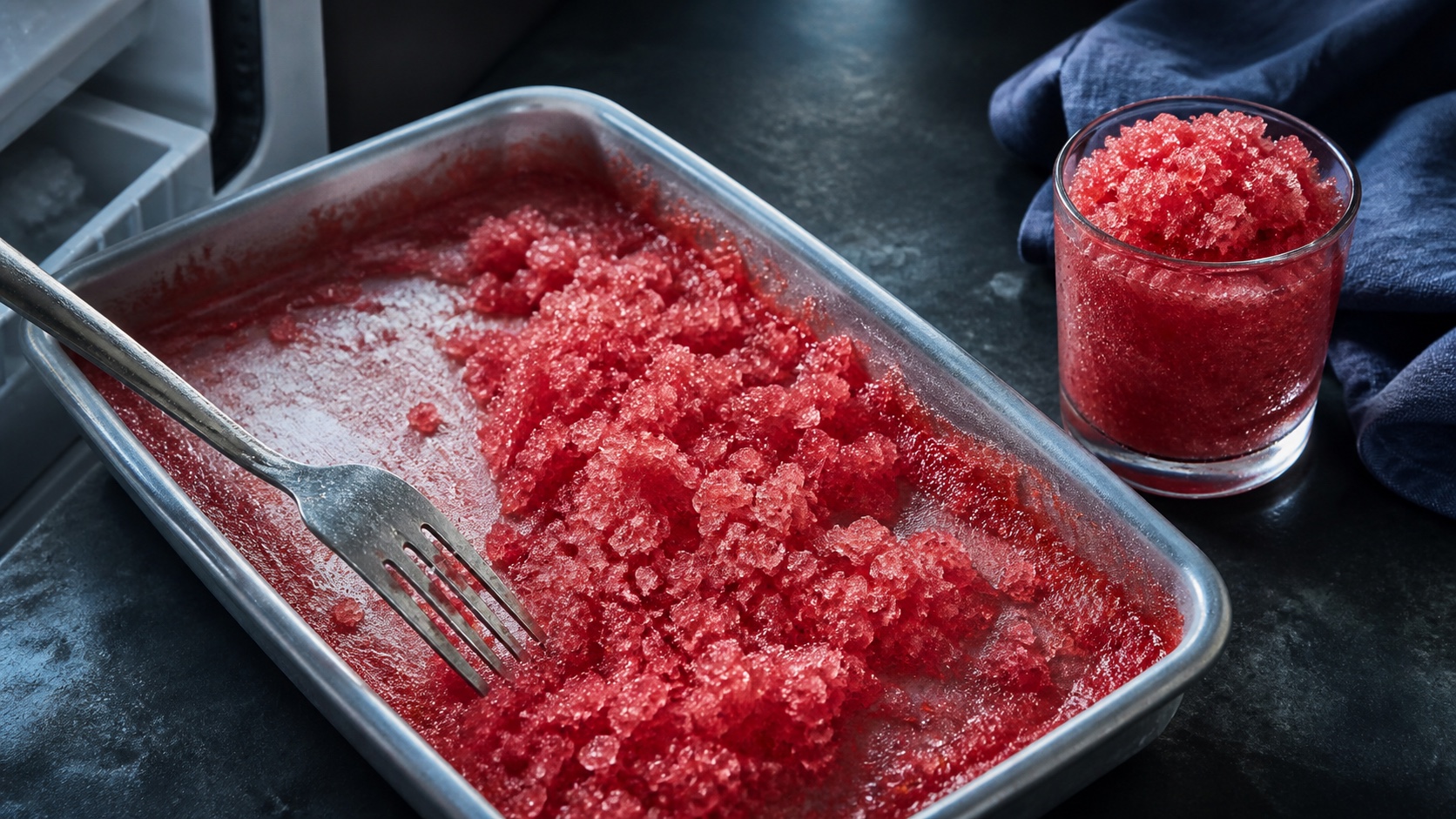
This is the granita approach. It needs no equipment at all, only patience.
- Mix the drink to the same 12–16° Brix window.
- Pour it into a shallow metal or glass pan, about 2–3 cm deep.
- Freeze for 30–45 minutes, until ice forms at the edges.
- Scrape the frozen parts toward the center with a fork.
- Repeat the scrape every 30–45 minutes, usually 3–4 rounds total.
The fork does the auger's job. It breaks growing crystals before they fuse into a slab. A shallow pan matters more than an exact clock time, because thin layers freeze evenly.
Method 4: The zip-bag slushie
This is the fast science-fair version, and it genuinely works for single servings.
- Fill a small zip bag with about 250 ml of mix and seal it well.
- Place it inside a larger bag half-filled with ice.
- Add 3–4 tablespoons of coarse salt to the ice.
- Seal the big bag and shake or massage it for 10–15 minutes.
Salt drops the ice bath below 0 °C, cold enough to freeze the sweetened mix. Wear a towel or gloves, because the outer bag gets painfully cold. Double-bag the drink so salt water cannot leak in.
How to make a slushie without a machine: the trade-offs
Methods 2 through 4 each make one batch that starts melting at serving time. That is the real difference. A countertop machine holds the texture for hours and handles bigger volumes.
If you make slush most weekends, compare models in which slushie machine should you buy for home? The mix math stays identical either way, which is why dialing in ratios now pays off later.
For alcohol, the stakes go up. Alcohol lowers the freezing point further, so a freezer-only boozy slush needs tighter numbers. Check any spiked batch in the Slush Ratio Calculator before you freeze it.
FAQ
Can I make a Kool-Aid slushie without a machine?
Yes. Prepare it sweeter than the drinking ratio so the batch reaches roughly 120–160 g of sugar per 1,000 g, then use the blender-cube or freezer-scrape method. Standard drinking-strength Kool-Aid is usually too dilute to hold slush texture.
Why did my freezer slushie turn into a solid block?
Either the sugar was below the slush range or it froze too long between scrapes. Raise the mix toward 14–16° Brix and scrape on schedule. The full diagnosis lives in best slush mix ratio by drink type.
Can I use diet soda or a zero-sugar drink?
Not on its own. Without dissolved sugar the mix behaves like water and freezes hard. See can you make a sugar-free slushie? for sweeteners that do sugar's freezing job.
How long does a no-machine slushie last?
Minutes, not hours. Serve straight from the pan, blender, or bag. If it melts, refreeze and scrape again rather than adding ice.
Related reading
Recipes to make next
Slush recipes from the library that fit this guide — every one balanced to freeze in a home machine.
- CoffeeVerification status: Tried & tested
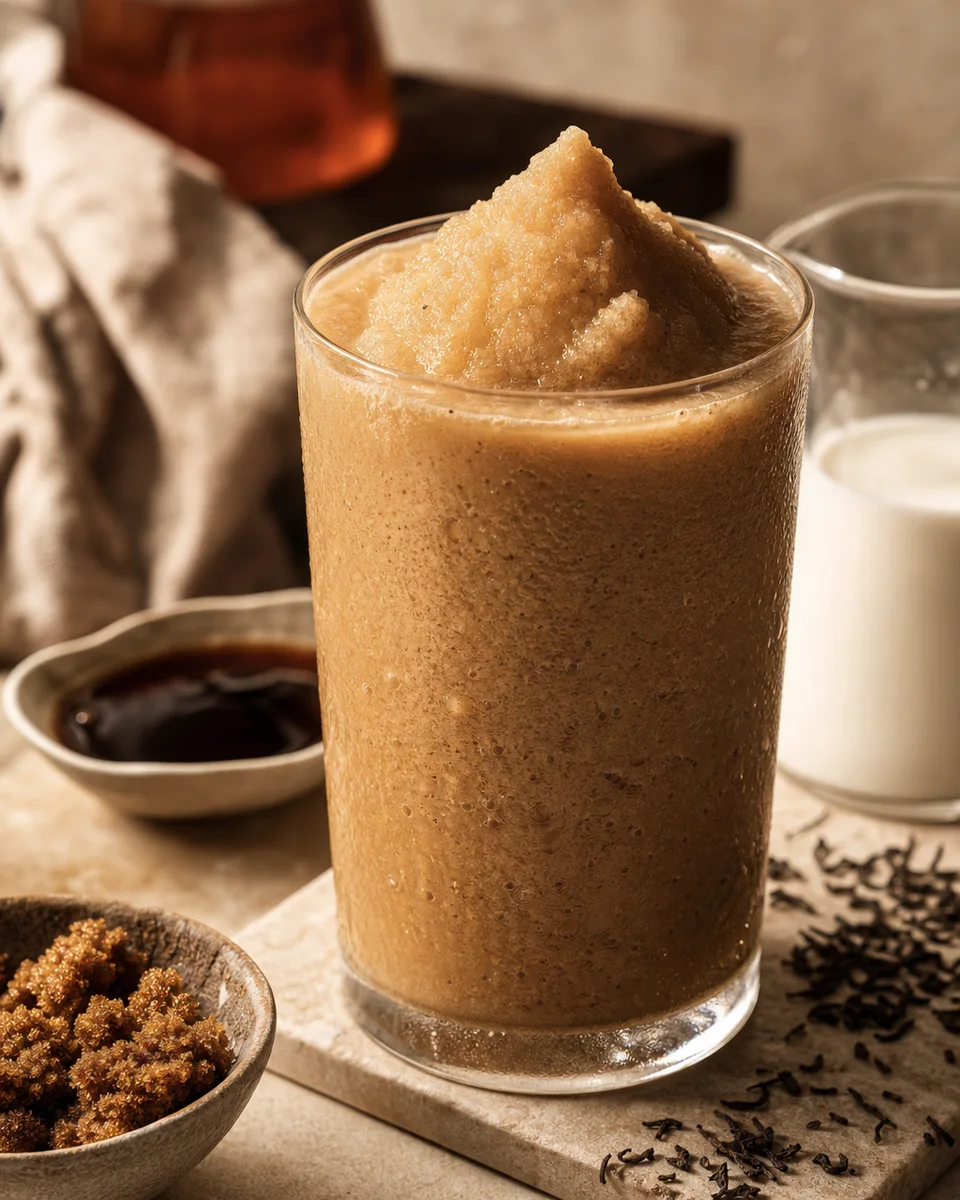
Brown Sugar Milk Tea Slush
View - CoffeeVerification status: Tried & tested
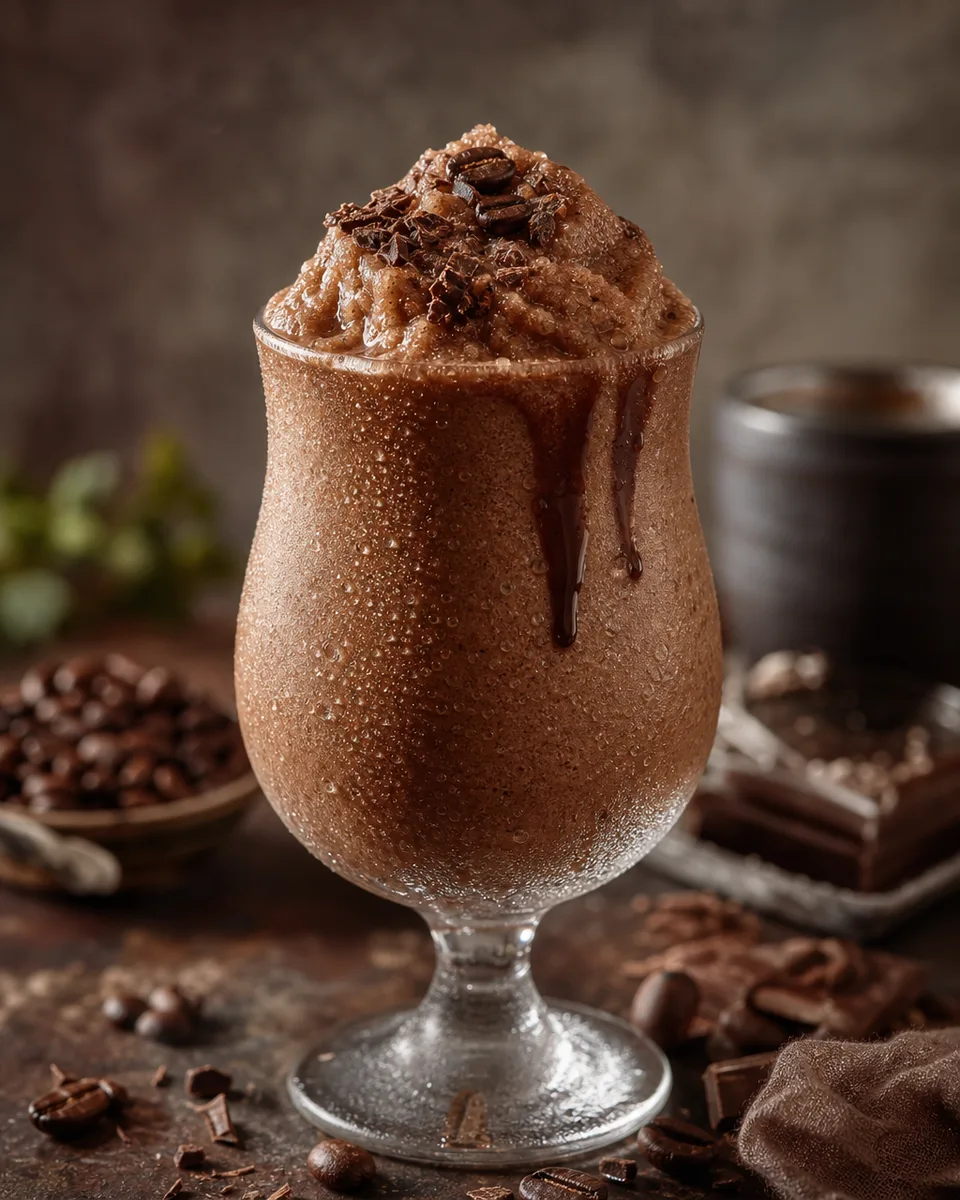
Bicerin Coffee Chocolate Cream Slush
View - CoffeeVerification status: Tried & tested
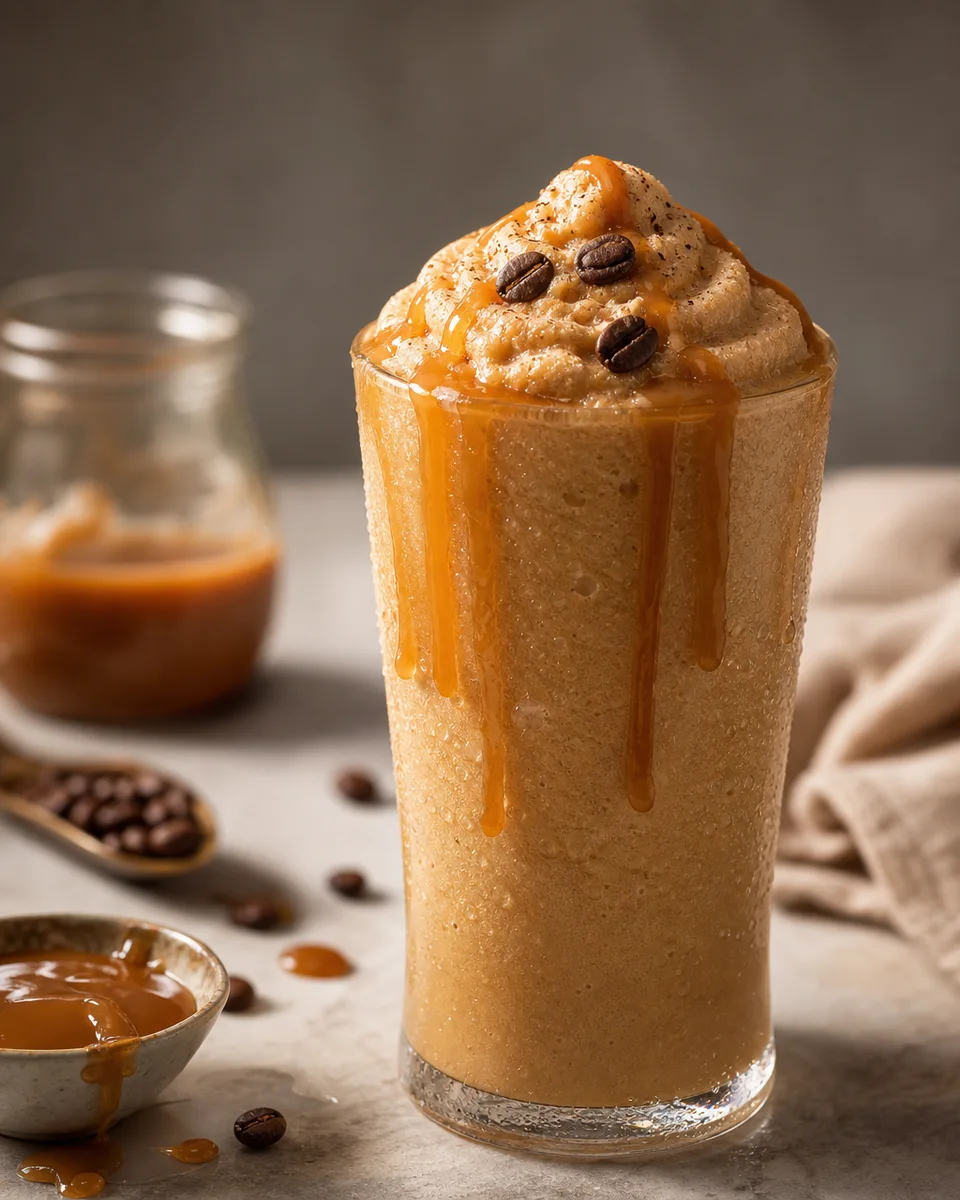
Caramel Espresso Frappe
View - CoffeeVerification status: Tried & tested
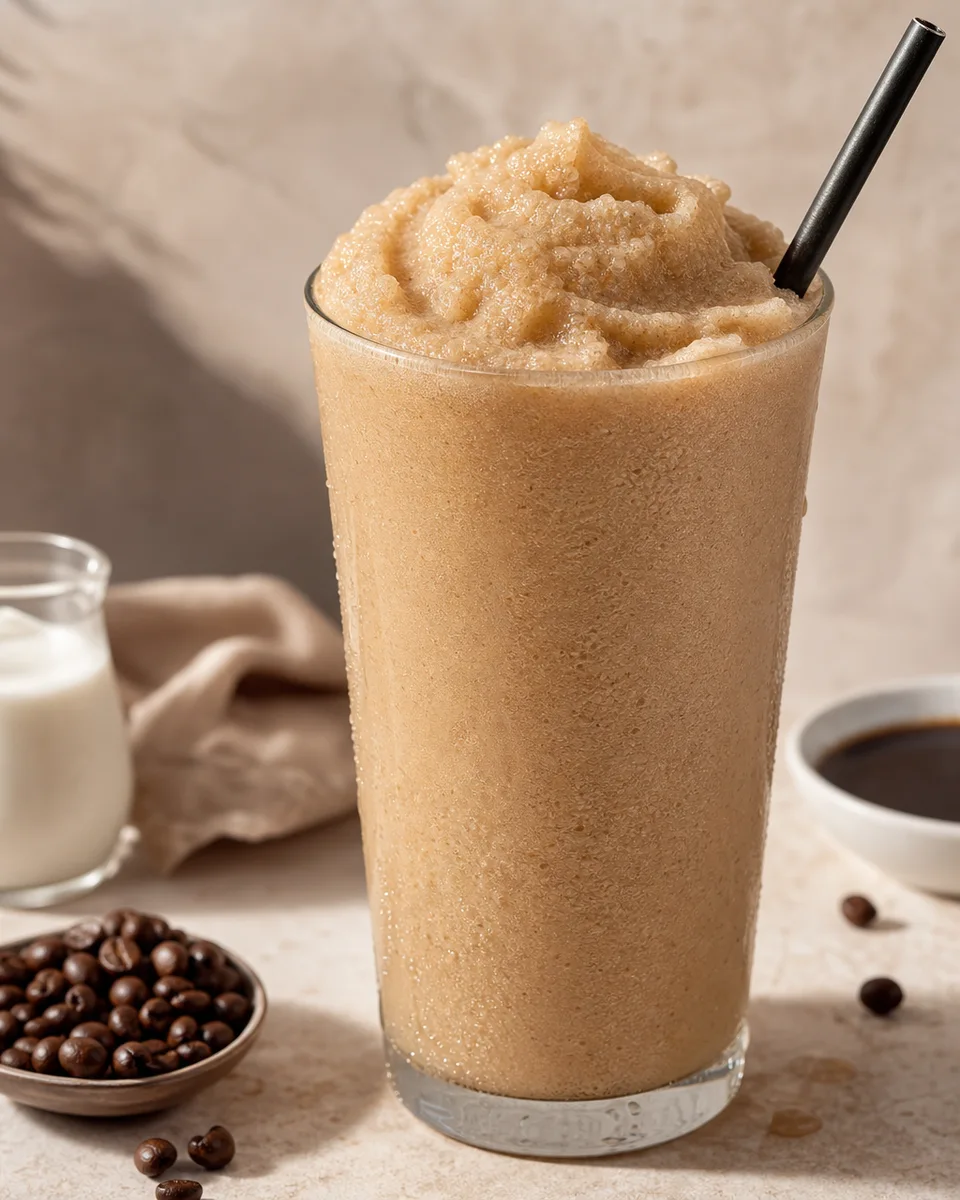
Dalgona Coffee Milk Slush
View - CoffeeVerification status: Tried & tested
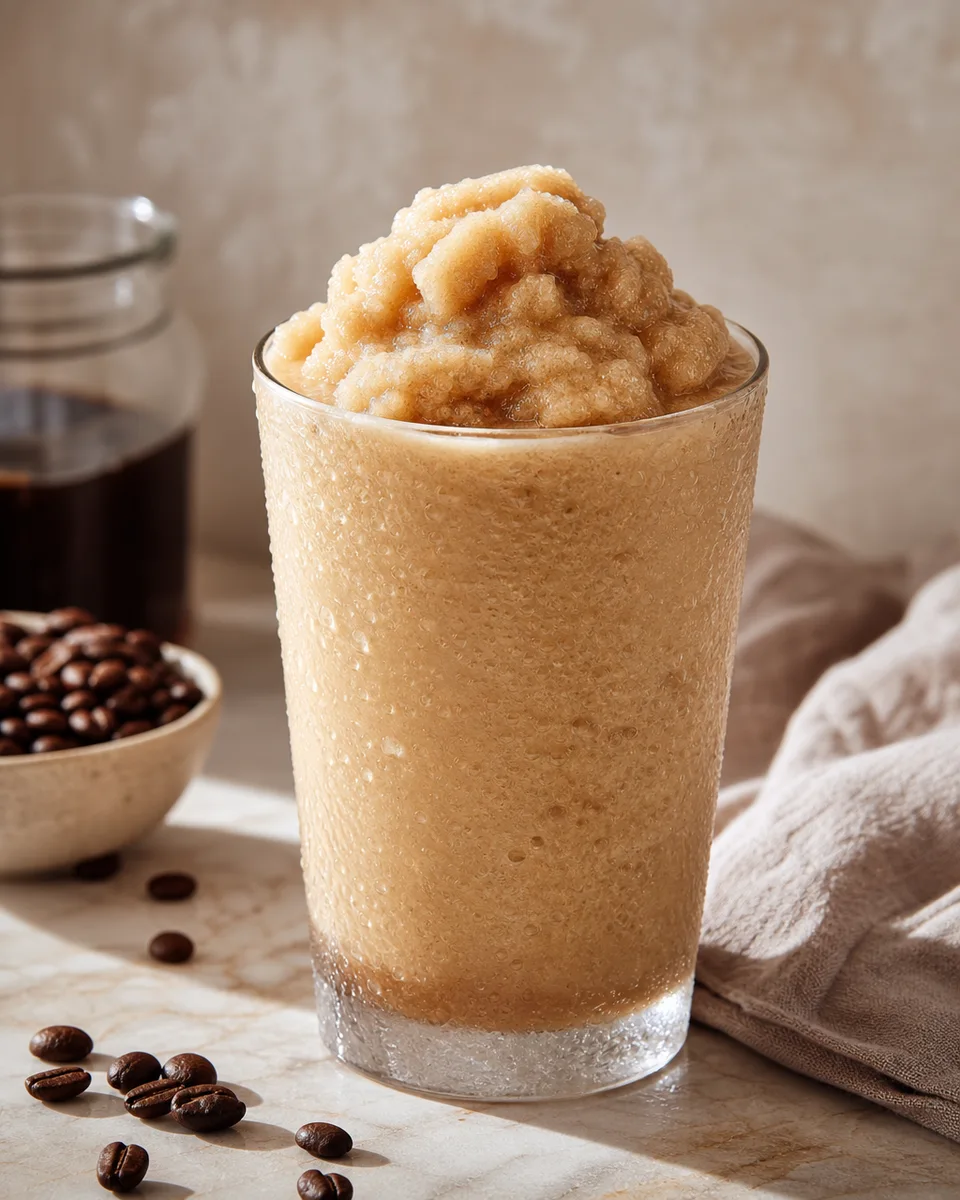
Iced Latte Slush
View - CoffeeVerification status: Tried & tested
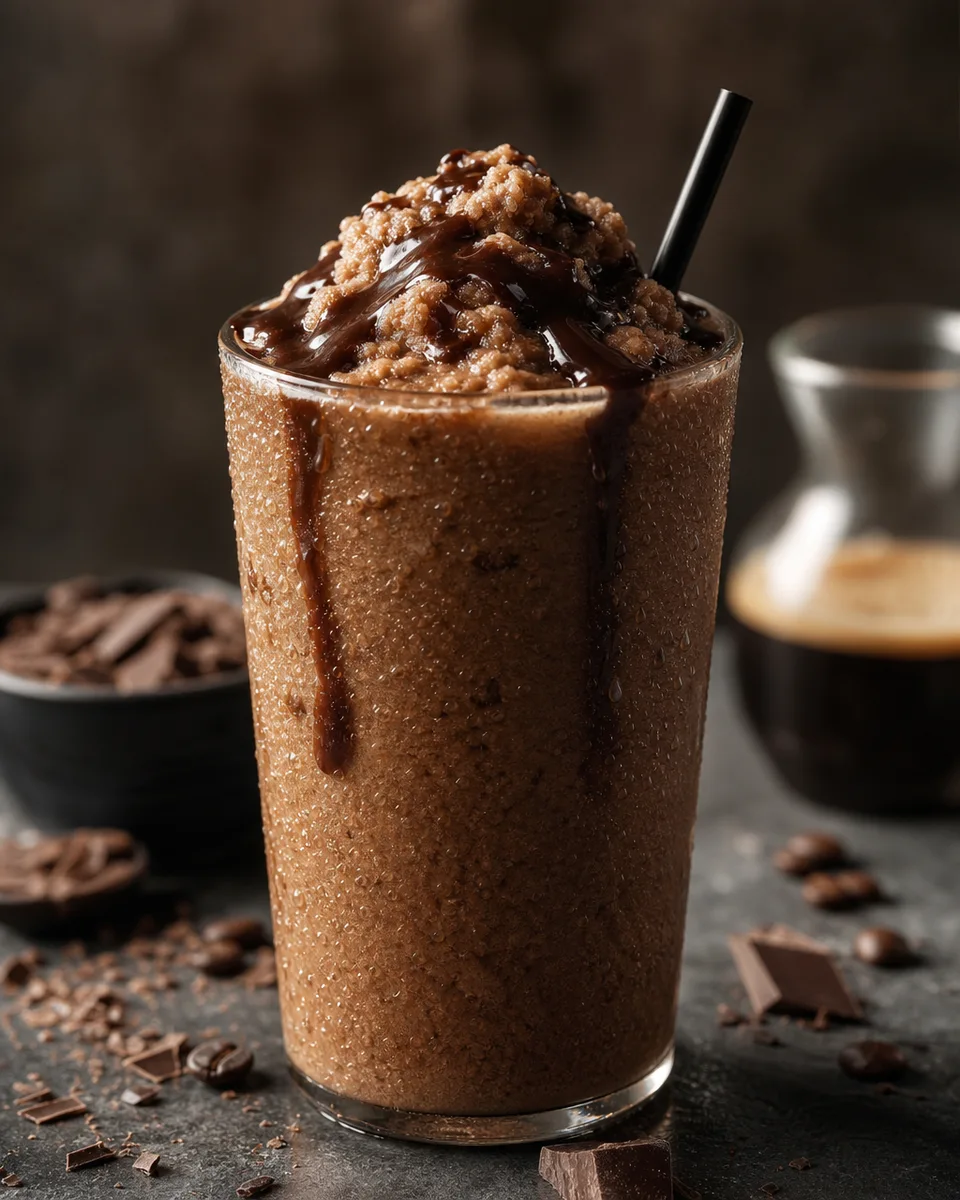
Iced Mocha Slush
View