Slushable Blog
Best Storage Method for Your Slush Machine Off-Season (No Smells, No Mold)
Store a home slush machine off-season by deep cleaning, drying fully, protecting seals, and keeping moisture from turning into smells.

The “mystery odor” that shows up next season is almost never mysterious. It’s usually a thin sugar film + trapped moisture inside places you don’t see (spout path, gasket grooves, under the lid, around the auger).
If you do two things—clean like you mean it and dry it all the way—your machine can sit for months and still start fresh.
TL;DR (the best method)
- Empty and rinse immediately after the last batch.
- Deep clean (spout path + gasket grooves + lid seams).
- Optional sanitize, then rinse (only if your manual allows).
- Dry completely (including hidden grooves).
- Store “vented”: don’t trap humidity in a sealed barrel.
- Protect seals (clean, dry, not twisted, not under weird compression).
If your machine already smells bad, fix that first: Why Does My Slush Machine Smell Bad? (Sour, Musty, Plastic) Fix + Prevention
Why smells and mold happen (in plain English)
- Sugar is food. Even a “clean-looking” machine can have a sticky film that feeds microbes.
- Moisture is the accelerator. A closed, damp barrel is basically a mini-humidity chamber.
- The worst spots are the tight spots. Spouts/valves, gasket channels, and any threaded or snap-fit parts hold residue.
Off-season storage is really just: remove food + remove water + don’t re-trap water.
What you’ll need
- Mild dish soap.
- Soft brush or sponge. A small bottle brush helps.
- Clean towels or paper towels.
- Optional: food-safe sanitizer approved by your manufacturer.
- Optional: a little food-grade silicone lubricant, only if your manual calls for it.
Avoid “strong” shortcuts unless the manufacturer explicitly says they’re safe. Many plastics and seals don’t love harsh chemicals.
Step-by-step: off-season storage (no smells, no mold)
1Run a quick rinse cycle (right after your last batch)
- Drain/dispense everything.
- Add warm (not boiling) water.
- Mix/churn for a minute to loosen syrup film.
- Drain.
This prevents residue from drying into varnish.
2Disassemble the parts that touch liquid
At minimum, remove and clean:
- lid and any inserts.
- auger/mixing assembly, if removable.
- drip tray.
- spout or valve parts and any O-rings.
If you’re not sure what comes apart safely, use your manual. Don’t force plastic clips.
3Deep clean the “odor traps”
Wash with warm soapy water, then brush/wipe these areas carefully:
- Spout path / valve seat. This is the #1 stink source.
- Gasket grooves. This is the channel the seal sits in.
- Lid seams and vent holes.
- Under the auger and around any shaft openings.
If you want the thorough version, follow how to clean a home slush machine.
4Optional: sanitize (only if approved), then rinse
Sanitizing is helpful if:
- the machine smelled sour recently.
- it sat with mix in it overnight.
- you’re storing it for a long time in a warm climate.
Important:
- Follow your machine’s manual for sanitizer type and dilution.
- Rinse afterward unless your sanitizer is specifically no-rinse and manufacturer-approved.
If you’re dealing with mineral buildup too, do a descale before storage: How to descale a home slush machine.
5Dry completely (this is where most people fail)
Drying “until it looks dry” isn’t enough. Dry the hidden spots:
- towel-dry all parts.
- use a corner of a towel to dry gasket channels.
- let everything air-dry for a few hours, or overnight, on a rack.
If your environment is humid, aim for longer air-drying time.
6Protect seals so they don’t deform
- Inspect gaskets/O-rings for nicks, flattening, or stickiness.
- Store removable seals flat (not stretched around a sharp bend).
- Don’t store the machine with seals clamped under extreme tension.
If your machine uses a lubricant on specific seals, use a tiny amount of food-grade silicone only where the manual specifies.
7Store it “vented” (don’t seal in humidity)
Best practice for most home machines:
- store the barrel/container empty and dry.
- leave the lid slightly ajar, or store the lid off, so residual moisture can escape.
- store small parts in a breathable bag or container once fully dry.
Avoid wrapping the whole machine in an airtight plastic bag unless you’re 100% sure it’s bone-dry.
8Choose the right storage spot
- Cool, dry, indoor location is ideal.
- Avoid garages/sheds if they swing hot/cold or get humid.
- Keep it away from dust, grease, and pests.
Also: don’t put heavy boxes on top of the machine—misaligned lids and stressed housings can cause leaks later.
Off-season storage checklist (copy/paste)
- Dispense or drain the last batch.
- Run a quick rinse cycle.
- Disassemble the spout, valve, and gaskets.
- Wash and brush the spout path and gasket grooves.
- Optionally sanitize, then rinse.
- Towel-dry and air-dry all parts, including grooves.
- Store seals flat and unstressed.
- Store the machine vented, with the lid ajar or off.
- Store it in a cool, dry place.
First start next season (5-minute re-commission)
- Reassemble (confirm gaskets are seated cleanly).
- Run a quick water cycle.
- If it’s been months, make your first batch a simple, non-dairy mix.
If you want a full startup routine, use the home slush machine first-run checklist.
Common mistakes (and what to do instead)
Mistake: “I’ll just rinse it and close the lid.”
Do this instead: deep clean the valve/spout + dry the gasket channels, then store vented.
Mistake: storing with parts still damp
Do this instead: air-dry longer, especially in humid climates.
Mistake: using harsh cleaners on plastics/seals
Do this instead: mild soap + manufacturer-approved sanitizer. When in doubt, gentle wins.
FAQ
Should I store my slush machine assembled or disassembled?
Either is fine as long as everything is clean and fully dry. If assembled, avoid long-term compression or twisting of seals.
Can I store it in the garage?
Not ideal. Garages often mean humidity swings and heat—both increase odor and mold risk. Indoor storage is safer.
How do I keep the spout from getting sticky after storage?
The spout gets sticky from dried sugar film. Deep clean the valve/spout parts and fully dry them.
If you’re already seeing slow dispensing, use the sticky spout fix.
What if I open it next season and it still smells?
Run a deep clean and sanitize if approved.
Then follow slush machine smells bad.
Related reading
Recipes to make next
Slush recipes from the library that fit this guide — every one balanced to freeze in a home machine.
- StrawberryVerification status: Tried & tested
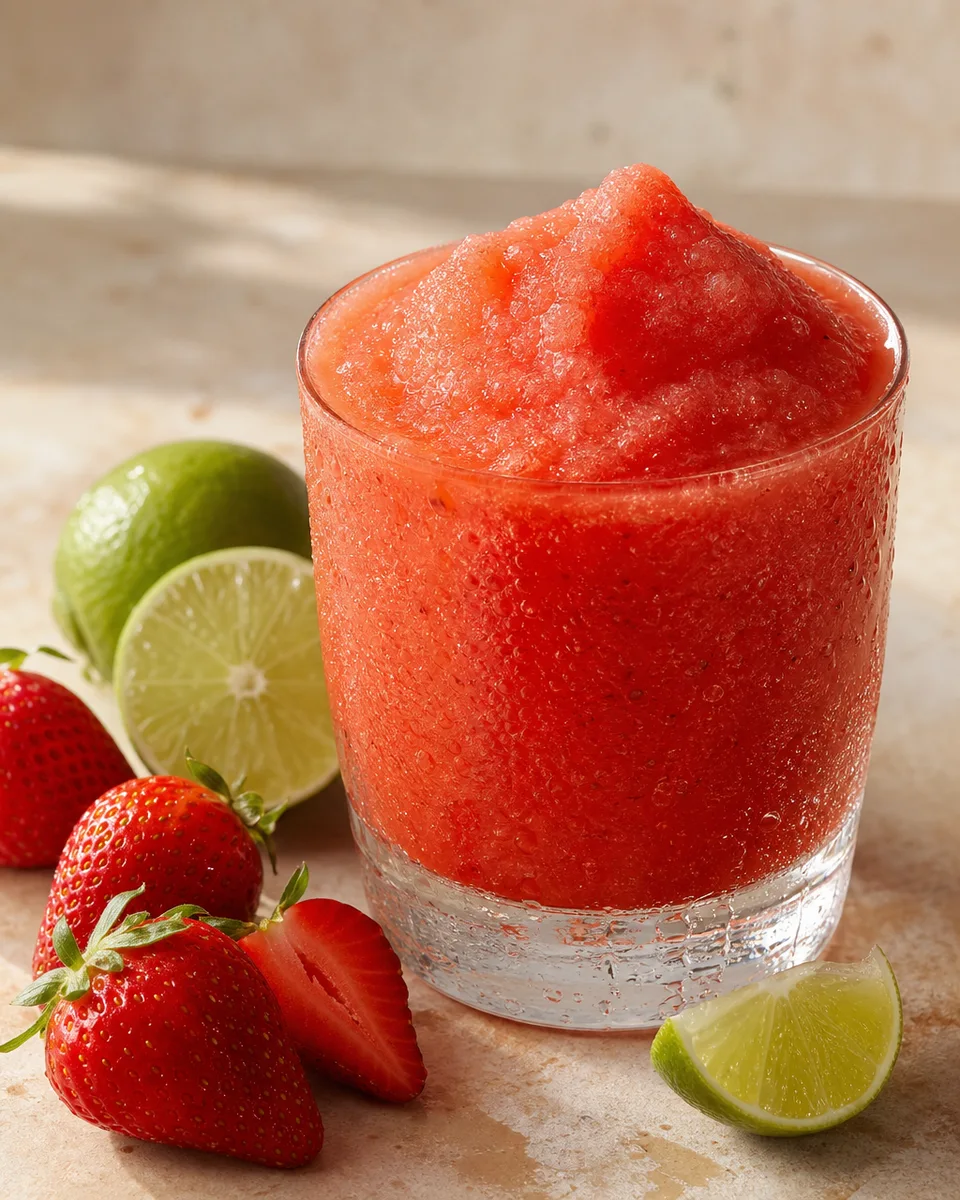
Frozen Strawberry Daiquiri Slush
View - LimeVerification status: Tried & tested

Frozen Margarita Slush
View - PineappleVerification status: Tried & tested

Frozen Piña Colada Slush
View - BourbonVerification status: Tried & tested

Bourbon Walnut Old Fashioned Slush
View - BananaVerification status: Tried & tested

Banana Mama Slush
View - LimeVerification status: Tried & tested

Bomb Pop Margarita Slush
View