Slushable Blog
How to Descale a Home Slush Machine (Hard Water Buildup, Step‑by‑Step)
Hard water can leave mineral scale that hurts freezing and cleaning. Use this safe descaling routine for home slush machines.

If your home slush machine used to freeze great but now feels slower, you may not have a sugar problem.
If you also see a chalky white film that never quite rinses away, you might have a hard water problem.
Minerals (mostly calcium and magnesium) can build up as scale anywhere water evaporates or warms and cools repeatedly. That scale can:
- make parts feel gritty or stiff.
- trap sugar film so it’s harder to clean.
- reduce heat transfer so freezing performance drops.
This guide is a brand-agnostic, safe approach.
If your machine is flashing error codes or not cooling at all, start with: Not getting cold / flashing lights.
Table of contents
- TL;DR (Quick Fix)
- What’s happening (in plain English)
- How to tell if it’s scale (symptoms checklist)
- Step-by-step fix (descale safely)
- How to prevent it next time
- FAQ
TL;DR (Quick Fix)
- If you see chalky white buildup or a “crunchy/gritty” feel, do a citric-acid descale (or the manufacturer’s descaler).
- Rinse extremely well afterward (several full cycles).
- Then re-check your mix basics: Brix for beginners and watery slush fix.
What’s happening (in plain English)
Hard water contains dissolved minerals. On their own they’re harmless—but when water sits, warms, cools, or evaporates, those minerals can leave behind a thin crust.
In a slush machine, that crust can hide in seams, around seals, and anywhere the mix splashes and dries. The frustrating part is that scale and sugar film team up: minerals make surfaces rougher, and rough surfaces hold onto sugar film.
Descaling is different from normal cleaning:
- Cleaning removes sugar film, oils, and residue. Start here: How to clean a home slush machine (step-by-step).
- Descaling dissolves mineral buildup so the machine can rinse clean again.
How to tell if it’s scale (symptoms checklist)
Scale is likely if you notice one or more of these:
- A chalky white haze on plastic or metal parts after drying.
- A “crunchy” or gritty feel when you wipe the bowl walls.
- A ring at the fill line that returns quickly.
- Your machine freezes, but takes longer than it used to.
- You clean normally, but it still looks cloudy or feels rough.
Scale is not the only cause of weak freezing. If the slush is watery but everything looks clean and smooth, it may be a mix issue (sugar/alcohol). Use: Why is my slush watery? and How much alcohol can a slush machine handle?.
Step-by-step fix (descale safely)
Before you start (2 important safety rules)
-
Never mix acids with bleach. If you’ve used a bleach-based sanitizer recently, rinse thoroughly before descaling.
-
Check your manual for “do not use” notes. Some manufacturers don’t like vinegar, for example.
If you’re unsure, citric acid is usually the gentlest effective choice (and it rinses clean).
1Empty and do a warm rinse
- Drain/dispense what’s left.
- Run a warm water rinse through the circulation path until it runs clear.
This removes loose sugar so the descaler can focus on minerals.
2Disassemble the easy parts and inspect
Remove what’s designed to come off.
That usually means the lid, seals, gaskets, and spout pieces. Look for:
- white crust in gasket grooves.
- gritty spout parts.
- mineral rings on the bowl.
If your main symptom is slow dispensing or a sticky valve, you may also want: Slow dispense / sticky spout fix.
3Mix a descaling solution
Pick ONE option:
- Manufacturer descaler: follow their ratio.
- Citric acid solution (common DIY): dissolve citric acid powder in warm water until it’s clearly “lemony” but not syrupy. (Think: stronger than lemonade, weaker than straight lemon juice.)
Avoid abrasives (scouring pads) because they can scratch plastic and make future buildup worse.
4Soak removable parts
- Put seals/spout parts into the solution.
- Let them soak until the chalky feel is gone.
If the buildup is heavy, use a soft brush to help it along.
5Run a descale cycle through the machine
- Fill the bowl with the descaling solution.
- Let it circulate (or sit, if your machine doesn’t circulate in “clean mode”).
- Drain/dispense the solution.
You’re aiming for contact time, not aggression. Two shorter rounds are often better than one “nuke it” round.
6Rinse, rinse, rinse (seriously)
Rinse is the difference between “fixed” and “why does my slush taste weird?”
- Do multiple full-bowl rinses with clean water.
- Run water through the spout path.
- Smell-test: you shouldn’t detect acidity.
7Clean normally, then dry completely
After descaling, do a normal wash to remove any loosened film:
Then dry thoroughly. Moisture left in grooves is where problems restart.
8Make a test batch and verify freezing behavior
When you’re ready, mix a small test batch and confirm:
- it chills down normally.
- it begins to thicken on schedule.
- it doesn’t immediately turn watery again.
If you still see weak freezing with a clean, smooth bowl, the issue is usually mix composition (too low sugar, too much alcohol, or too warm of a room). See:
How to prevent it next time
- Use filtered water when you can (especially if your tap water leaves spots on dishes).
- Rinse after every use so minerals + sugar don’t harden together.
- Do a light descale on a schedule:
- hard water areas: monthly-ish
- moderate: every few months
- soft water: as needed
- Don’t store the machine damp. For long storage, follow: Off-season storage checklist.
Related reading
- How to clean a home slush machine (step-by-step)
- Why is my slush watery? (and how to fix it)
- Not getting cold / flashing lights
- Off-season storage checklist
FAQ
Is vinegar safe for descaling a slush machine?
Sometimes, but not always. Some manufacturers warn against vinegar (smell retention, seal compatibility, or corrosion concerns). If you don’t know, citric acid is usually a safer bet.
How do I know when I’ve rinsed enough?
When the water runs clear and there’s no acidic smell/taste left. If you can smell it, you’ll taste it.
Will descaling fix watery slush?
It can, if scale is reducing freezing performance. But watery slush is more commonly a mix composition issue. Start here: Why is my slush watery?.
How often should I descale?
It depends on your water hardness and how often you run the machine. If you see a mineral ring returning quickly or cleaning feels “gritty,” it’s time.
My machine freezes solid—does scale cause that?
Scale usually makes things less efficient, not more. Solid freezing is more often a mix that’s too low in sugar (low Brix), a temperature setting issue, or running too long. See: Why did my slush freeze solid? (ice blocks).
Recipes to make next
Slush recipes from the library that fit this guide — every one balanced to freeze in a home machine.
- BourbonVerification status: Tried & tested

Bourbon Walnut Old Fashioned Slush
View - ProseccoVerification status: Tried & tested
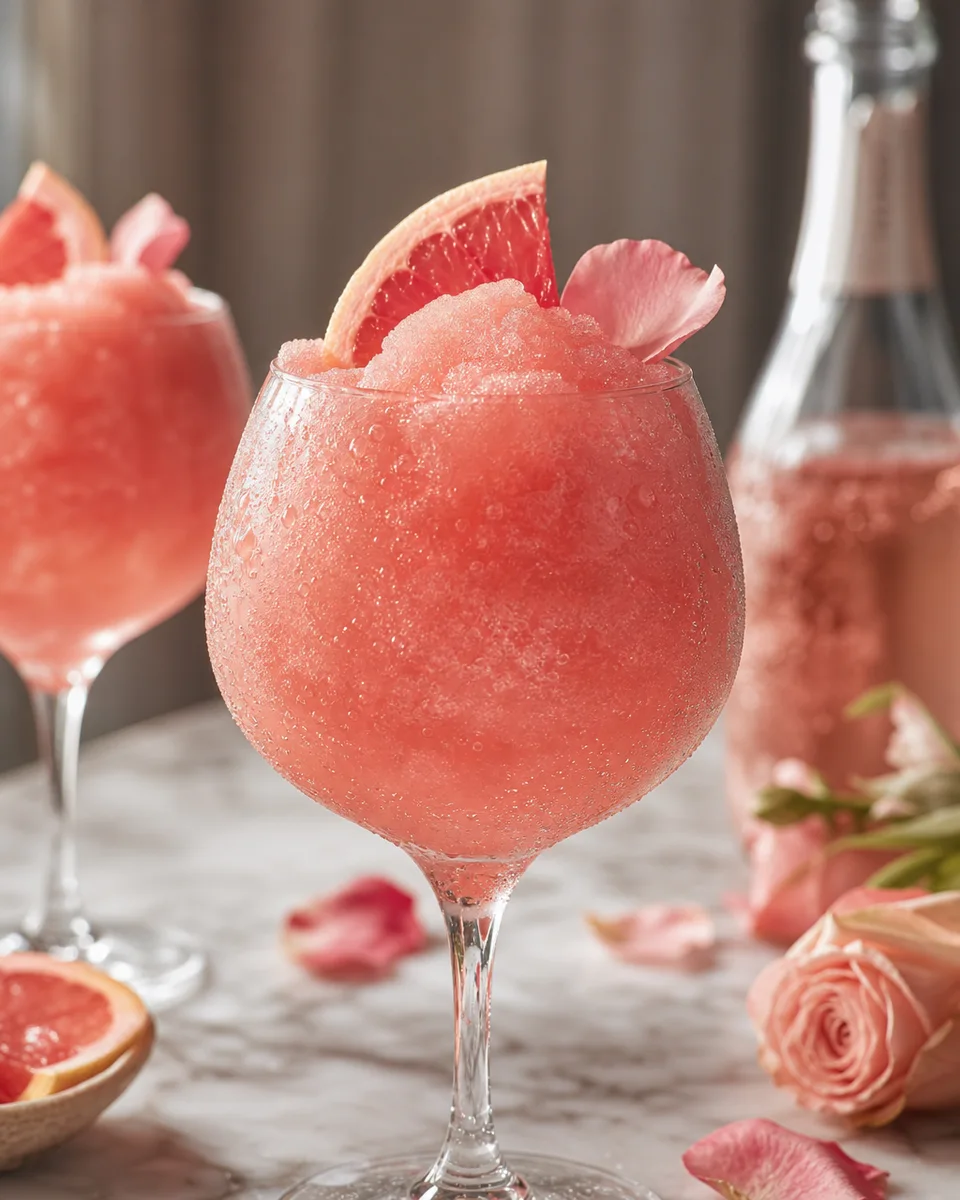
Sarti Rosa Prosecco Spritz Slush
View - ProseccoVerification status: Tried & tested
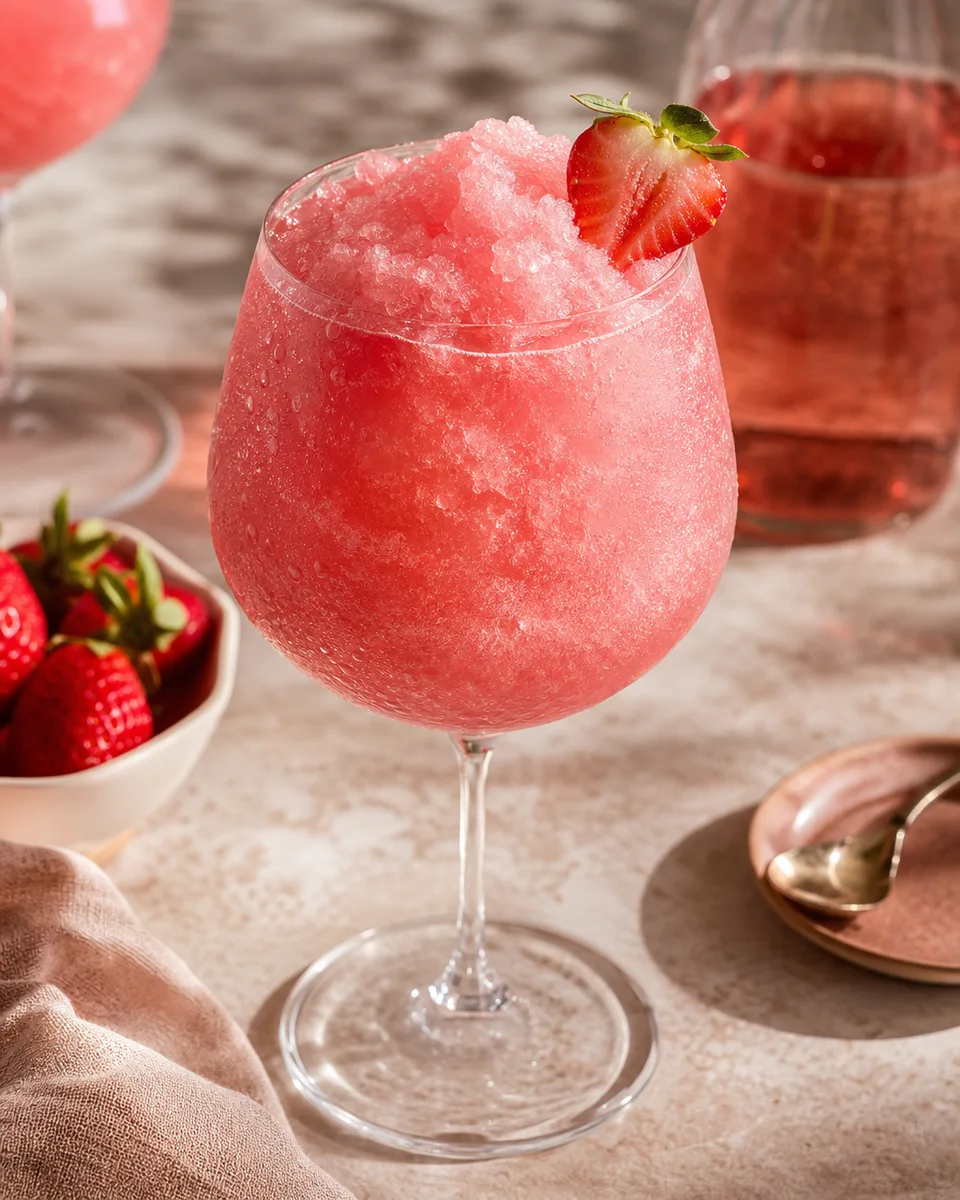
Sarti Spritz Slush
View - PineappleVerification status: Tried & tested

Piña Colada Slush
View - PineappleVerification status: Tried & tested

Piña Colada Slush
View - BananaVerification status: Tried & tested
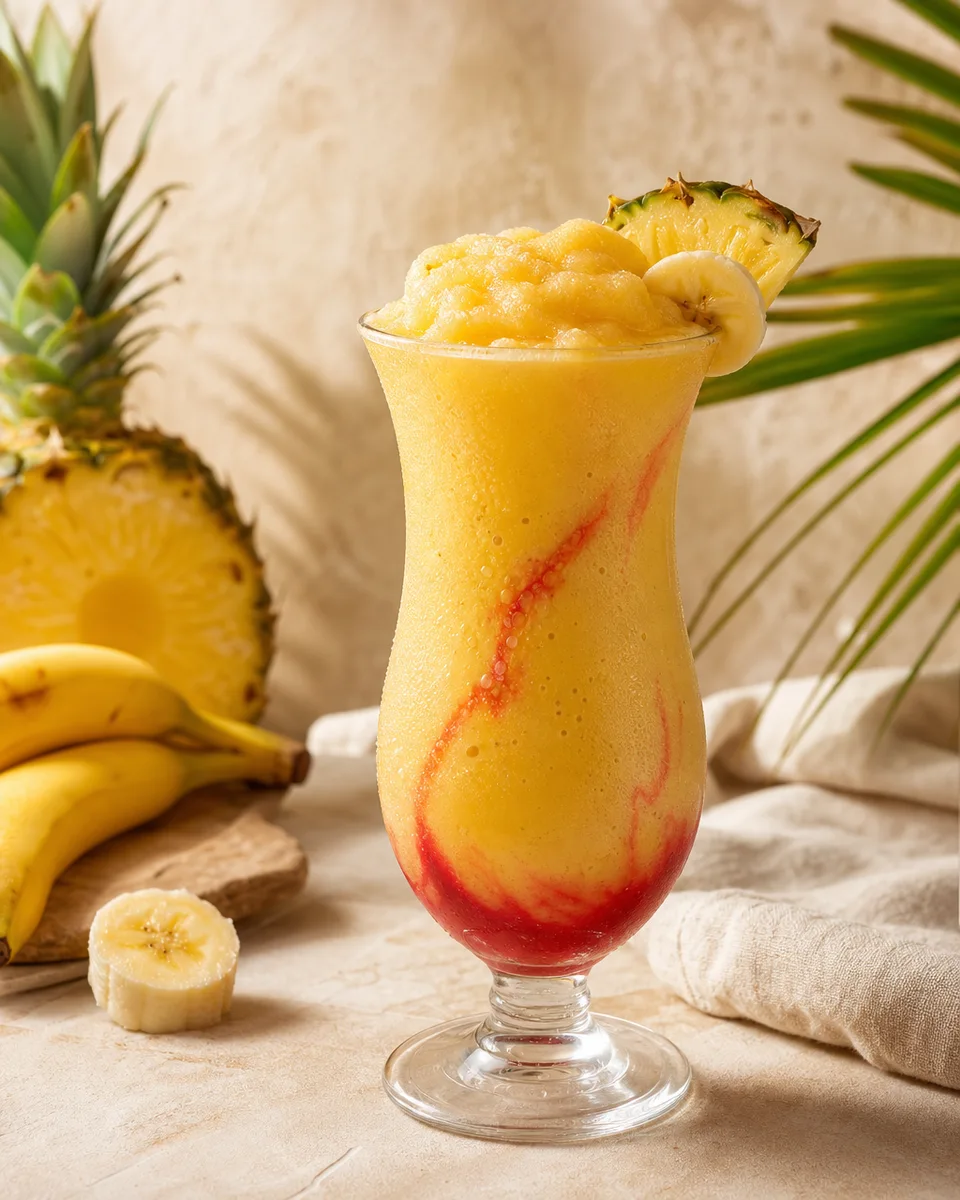
Banana Mama Slush
View