Slushable Blog
Best way to prevent ice chunks in a home slush machine
Stop crunchy ice bits in your home slush machine with the right sugar level (Brix), colder starting mix, correct fill level, and steady chilling.

If you’re searching for the best way to prevent ice chunks in a home slush machine, it usually comes down to one thing: the mix is freezing too hard in some spots, so you get big crystals instead of smooth, tiny ones.
The good news is you can prevent “crunchy bits” with a few repeatable habits: start colder, keep the sugar level in the right range, avoid overfilling, and make sure the machine is actually circulating the mix.
TL;DR (Quick Fix)
- Pre-chill your mix (fridge-cold) before you pour it in.
- Confirm your sugar level (Brix) is high enough for slush (too little sugar = bigger ice crystals).
- Don’t overfill; stay below the max fill line so the auger/paddle can circulate.
- Nudge the temp/firmness setting warmer if your machine has a control.
- Clean the freezing surfaces (film and scale make freezing uneven and chunky).
Best way to prevent ice chunks in a home slush machine (the “why”)
Smooth slush happens when the machine creates lots of tiny ice crystals while constantly scraping/mixing them back into the liquid.
Ice chunks happen when one of these breaks:
- The mix freezes too solid (often because it’s too low in sugar or the machine is set too cold).
- The machine freezes unevenly (dirty film, mineral scale, or warm-room cycling).
- The mix isn’t being agitated well (overfilled barrel, thickened slush jamming circulation, or a mechanical issue).
The main causes (and how they show up)
1Sugar level is too low (Brix too low)
What you’ll notice: slush looks mostly fine but has hard “ice pebbles,” or it starts smooth and gets chunkier as it runs.
Why it happens: sugar lowers the freezing point. If the Brix is too low, the machine can only “make slush” for a short window before parts of the barrel freeze into larger crystals.
What to do:
- If you’re mixing from concentrate, measure by weight and/or use a Brix tool so you’re not eyeballing.
- If you’re using a ready-to-use product, verify it’s meant for slush machines (some juices/sodas are simply too low in dissolved solids).
(If you want a practical way to measure without fancy lab gear, see: How to measure sugar for slush with a kitchen scale.)
2Mix starts too warm
What you’ll notice: it takes forever to slush, then suddenly forms chunks or an icy layer that breaks off.
Why it happens: a warm start forces the machine to work harder and longer, which can lead to uneven freezing—especially on the coldest surfaces.
What to do:
- Refrigerate the mix first (think: fridge-cold, not room temp).
- Avoid pouring in a mix that just came from a warm pantry or sunlit counter.
More on this: Should you prechill slush mix?
3Machine is set too cold / too firm
What you’ll notice: the texture gets very thick, then turns into crunchy chunks or a semi-frozen “snowball” that the paddle struggles to move.
Why it happens: the colder the setting, the more aggressively the machine freezes. Many home machines can over-freeze certain mixes.
What to do:
- Turn the firmness/temperature one notch warmer and give it 20–30 minutes to stabilize.
- If your unit has multiple modes, use the manufacturer’s slush/frozen drink mode rather than “ice cream” or “hard freeze.”
4Overfilling (or low circulation)
What you’ll notice: chunks near the sides/freezing cylinder; the center looks looser; the machine sounds strained.
Why it happens: if the barrel is overfilled, the auger/paddle can’t circulate the mix properly. Poor mixing allows large crystals to form and clump.
What to do:
- Drain a little and keep the level below the max line.
- If you routinely run parties, consider smaller top-ups instead of big refills.
5Dirty film or mineral scale causes “cold spots”
What you’ll notice: chunks return fast even when your mix is consistent; freezing seems patchy; you see haze or buildup.
Why it happens: sticky film and hard-water scale change heat transfer. The machine can freeze unevenly, creating larger crystals that break loose.
What to do:
- Do a thorough cleaning routine.
- If you have hard water, descale on a schedule.
Helpful guides:
Step-by-step fix (when you already have ice chunks)
- Pause the freeze cycle (or switch to a less aggressive mode).
- Let the mix loosen slightly for 10–20 minutes so circulation improves.
- Stir / mix (if your machine allows it safely) to break up existing chunks.
- Check fill level and drain to below the max line.
- Adjust the setting warmer by one step.
- If chunks keep returning, verify Brix / sugar level and correct it.
- If the machine has been running for days, clean the barrel/freezing surfaces (film buildup is sneaky).
How to prevent it next time (simple habits that work)
- Start cold: pre-chill your mix.
- Be consistent with concentration: measure (don’t eyeball), especially when scaling up for parties.
- Don’t chase “extra thick”: the coldest setting isn’t always the best texture.
- Run a cleaning rhythm: a little maintenance prevents uneven freezing.
- Mind the room: hot kitchens and direct sunlight make temperature swings worse (see: Ambient temperature and slush machine performance).
Troubleshooting mini decision tree
- Chunks appear quickly (within the first freeze):
- start was too warm, or setting is too cold.
- Chunks show up after it ran fine for a while:
- mix concentration drifted (top-ups with water/ice), or the barrel is getting dirty.
- Chunks mostly hug the walls/sides:
- overfill or low circulation; also check for scale/film.
FAQ
Is it normal to have some ice crystals?
Yes. Slush is ice crystals suspended in liquid. The goal is tiny, uniform crystals—not hard chunks you can chew.
Will adding ice fix the problem?
Usually it makes it worse. Ice lowers the concentration and can push your mix into “over-freeze” territory, which creates more chunking.
Does alcohol help prevent ice chunks?
A small amount can soften freezing (alcohol lowers freezing point), but it’s easy to overdo and end up with slush that never sets. If you’re making boozy batches, learn the limits first: How much alcohol can a slush machine handle?
My machine used to be smooth and now it’s always chunky—what changed?
Most often: buildup on the freezing surfaces, a setting change, or mix concentration drift over time (especially if people “top up” casually during a party).
Related reading
Recipes to make next
Slush recipes from the library that fit this guide — every one balanced to freeze in a home machine.
- StrawberryVerification status: Tried & tested
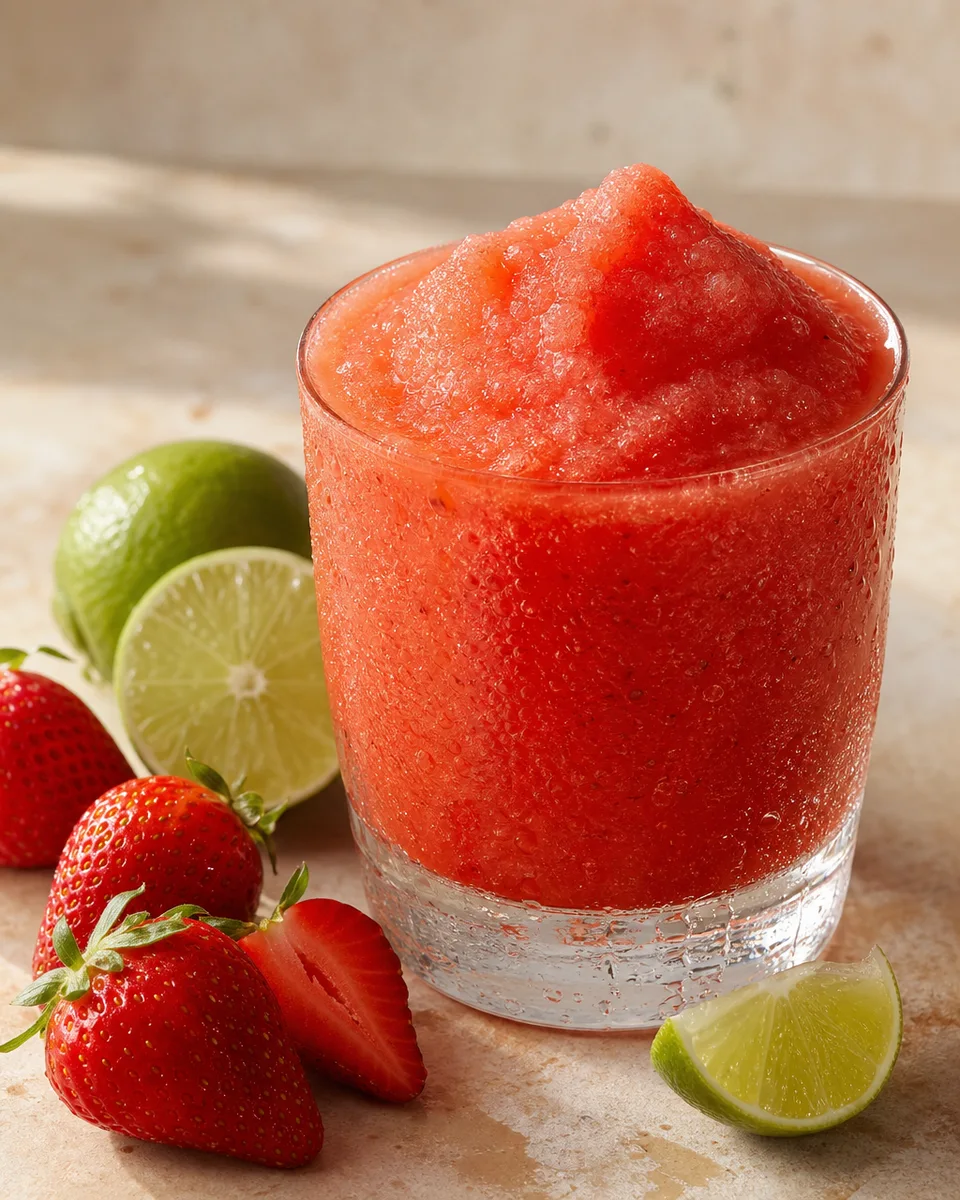
Frozen Strawberry Daiquiri Slush
View - Blue raspberryVerification status: Tried & tested
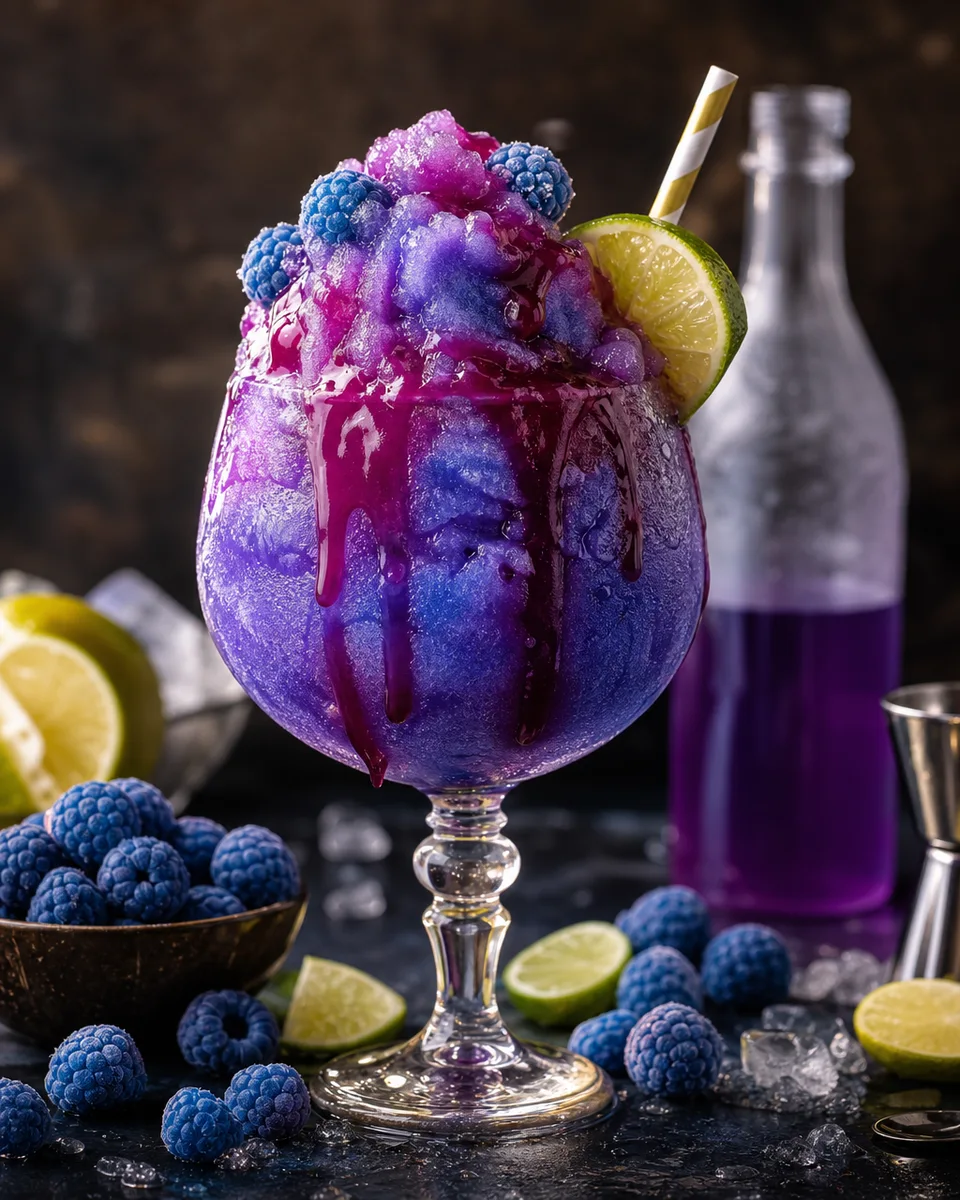
Blue Raspberry Spiked Slush Cocktail Recipe
View - LimeVerification status: Tried & tested
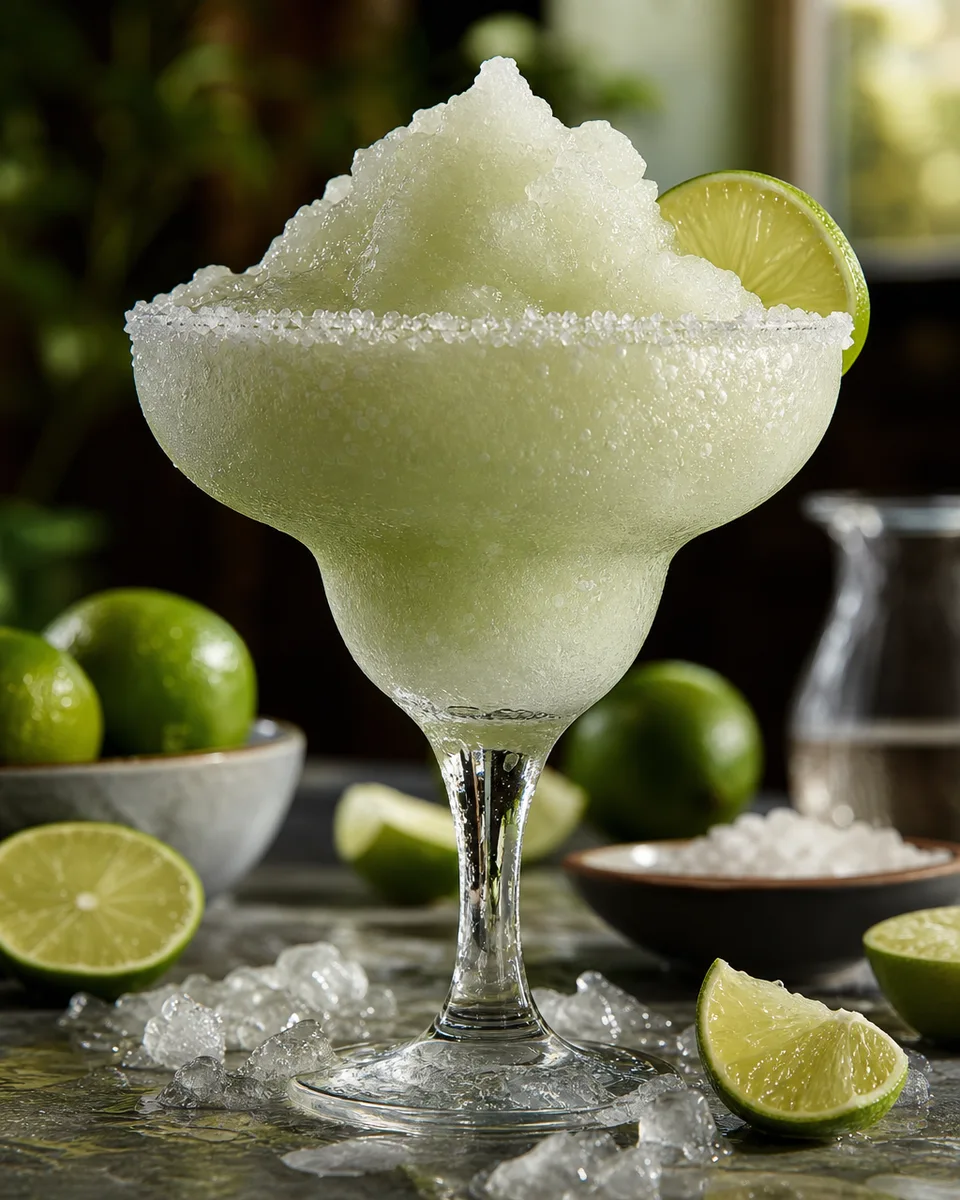
Frozen Margarita Slush
View - PineappleVerification status: Tried & tested

Frozen Piña Colada Slush
View - BourbonVerification status: Tried & tested

Bourbon Walnut Old Fashioned Slush
View - BananaVerification status: Tried & tested
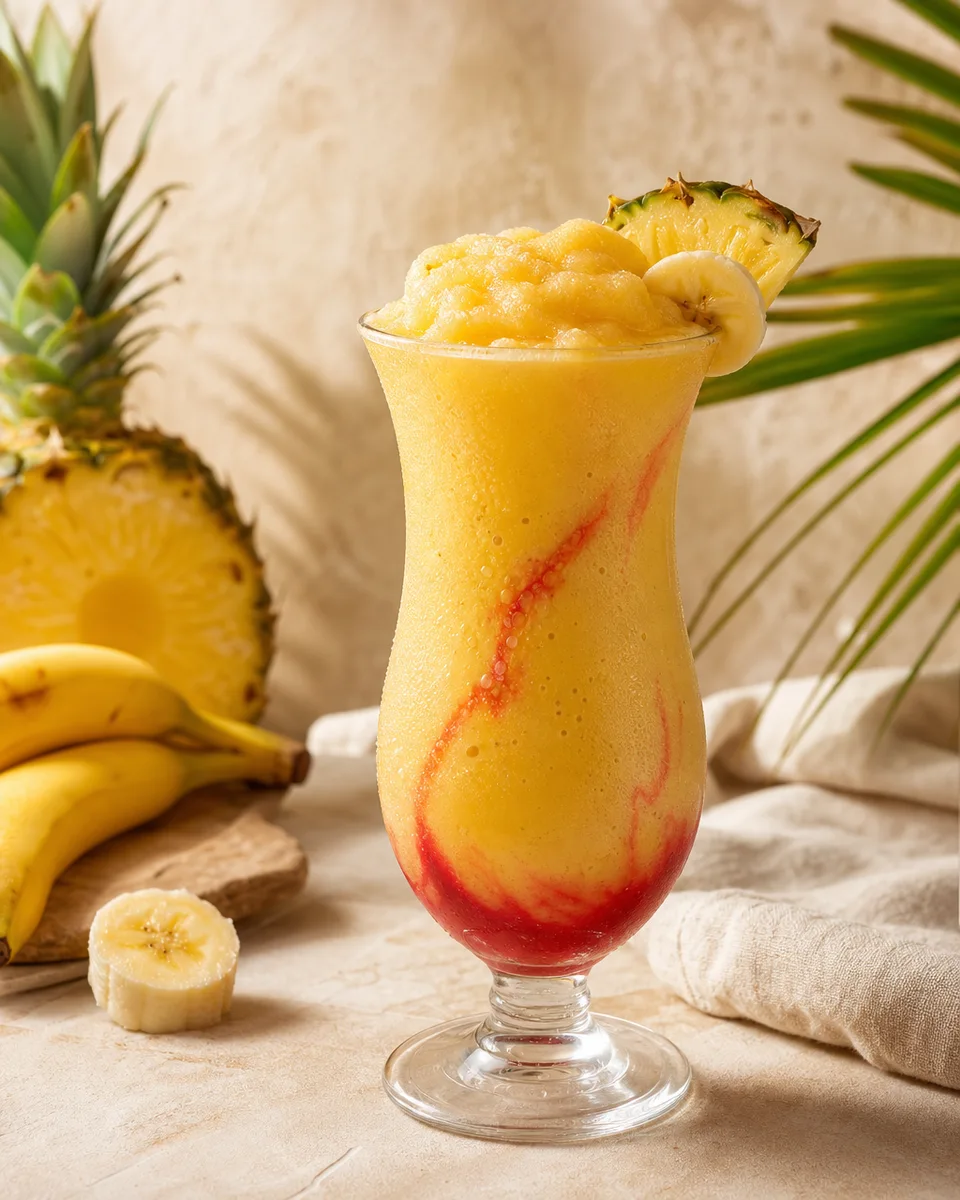
Banana Mama Slush
View