Slushable Blog
Slush Machine Overflowing? (Foam, Expansion, Spills) Causes + Step-by-Step Fix
If your home slush machine is foaming up and overflowing, this guide shows the fastest fixes, why it happens, and how to prevent messy spills next time.

An overflowing home slush machine is equal parts gross and confusing: you poured in a normal amount of liquid… and then it suddenly turned into a rising foam monster.
Most overflows come down to one of three things: overfilling, too much air/foam, or a mix that’s freezing in a way that pushes volume upward.
TL;DR (Quick Fix)
If your slush machine is actively overflowing right now:
- Stop the freeze/chill cycle (or switch to standby) to stop agitation from building foam.
- Remove the lid and skim foam with a spoon if needed.
- Drain/dispense 1–2 cups so the level is clearly below the MAX line.
- If you recently cleaned it: drain, quick-rinse, and refill with fresh mix (detergent residue is a common culprit).
- Avoid carbonated liquids and thick/foamy additives until it’s stable.
Then use the steps below to fix the root cause.
What’s happening (in plain English)
A slush machine churns while cooling. That churning is great for texture—but it also:
- whips air into the liquid (like a mixer)
- creates foam if the liquid contains surfactants (soap residue), proteins, or carbonation
- can make partially-frozen mix “climb” the walls and pile up
Add a little overfill, and the bowl has no headspace. Foam rises, hits the lid, and then… hello countertop.
The main causes
1It’s simply overfilled
Most bowls need empty space at the top so the mix can expand and churn without climbing out.
Signs: it starts overflowing early, even with “normal” non-foamy mixes.
2Soap/detergent residue after cleaning
Even a small amount of leftover dish soap can act like a foaming agent when the machine agitates.
Signs: lots of bubbles/foam, “suds-y” look, weird taste/smell, overflow happens shortly after a cleaning.
If you want a complete cleaning baseline, see: How to clean a home slush machine (step-by-step)
3Carbonation (soda, sparkling lemonade, energy drinks)
Carbonated liquids release CO₂ when agitated and when they warm slightly near the churner—making foam fast.
Signs: foam appears almost immediately, hissing/fizzing, mix level rises quickly.
4High-protein or “foamy” ingredients
Some mixes foam more: dairy-heavy bases, certain flavorings, and anything with emulsifiers that trap air.
Signs: stable, “creamy” foam that doesn’t pop quickly.
5The mix is out of spec (Brix too low or too high)
When the sugar level is off, freezing behavior gets weird:
- Too low sugar (low Brix): freezes too hard on the walls, then gets scraped up in chunks that can mound and push volume upward.
- Too high sugar (high Brix): stays thin longer, churns longer, and can hold bubbles/foam.
If you’re not sure where you are, start here: Slush Brix for beginners (why it matters) and How to measure sugar for slush with a kitchen scale
Step-by-step fix (start here)
1Get the level under control
- Dispense or drain until the mix is clearly below the MAX fill line.
- If your machine doesn’t have a clear line, leave at least 2–3 cm (about 1 inch) of headspace.
Why: headspace is your foam buffer.
2Rule out detergent residue (fast test)
If you cleaned the machine in the last 1–3 days:
- Drain the bowl completely.
- Rinse with warm water (no soap) and drain again.
- Refill with a small test batch (enough to cover the minimum level).
- Run for 5–10 minutes.
If the foam problem vanishes, it was residue.
Pro tip: soap clings to plastic. A “looks rinsed” bowl can still foam.
3Remove carbonation (if applicable)
If your mix started as a carbonated drink:
- Drain it.
- Degas your liquid before it goes in (stir gently in a pitcher and let it sit 20–30 minutes).
- Better: use a non-carbonated base and add fizz later in the cup.
4Check for “foam-friendly” mix ingredients
If you’re using a creamy base or something that foams:
- Run a smaller batch (more headspace).
- Chill the liquid in the fridge first (less agitation time = less foam).
- Avoid adding powders directly into the bowl; pre-dissolve in a separate container.
5Fix texture problems that cause mounding/overflow
If your machine is freezing unevenly or building icy walls that get scraped into piles, you’ll often see overflow-like behavior even without lots of foam.
- If you see watery center + icy walls, read: Slush machine freezing unevenly (watery center, icy walls)
- If you’re getting chunks or blocks, read: Why did my slush freeze solid? (ice blocks) and Slush machine ice chunks: why it happens + fix
6If it’s foamy and separating
Foam that won’t settle can also show up with mixes that separate into layers.
See: Slush separating (foam or layers): what it means
How to prevent it next time
- Fill to 80–90% of the MAX line, not right at the line.
- After cleaning, do a final rinse and (if your manual allows) a quick water-only churn for 1–2 minutes, then drain.
- Avoid carbonation in the bowl. Add fizzy elements after dispensing.
- Pre-chill your mix (fridge-cold goes faster, churns less, foams less).
- Keep your mix in a reasonable range (sugar matters). Start with: Slush Brix for beginners
- If you’re setting up for the first time, follow: Home slush machine first-run checklist
FAQ
Can an overflowing slush machine damage the machine?
Usually the mess is the main problem, but spills can seep into vents or electronics depending on the design. Clean up quickly, and don’t let liquid sit around the base.
Why does it only overflow when it starts to freeze?
As freezing starts, the texture thickens and the auger can trap more air, turning small bubbles into big foam. If the bowl is near-max fill, there’s nowhere for that volume to go.
Is it safe to run the machine with the lid off?
For a short troubleshooting window, often yes—but splatter risk goes up. Use the lid once the foam is under control and the fill level is correct.
What if it overflows even when I’m below the fill line?
That usually points to residue/foam (soap or carbonation) or a mix that’s separating. Follow Steps 2–6 above and keep the test batch small.
Do I need an anti-foam product?
Most people don’t. Fixing fill level, removing detergent residue, and avoiding carbonation solves the majority of cases.
Related reading
Recipes to make next
Slush recipes from the library that fit this guide — every one balanced to freeze in a home machine.
- BourbonVerification status: Tried & tested

Bourbon Walnut Old Fashioned Slush
View - BananaVerification status: Tried & tested
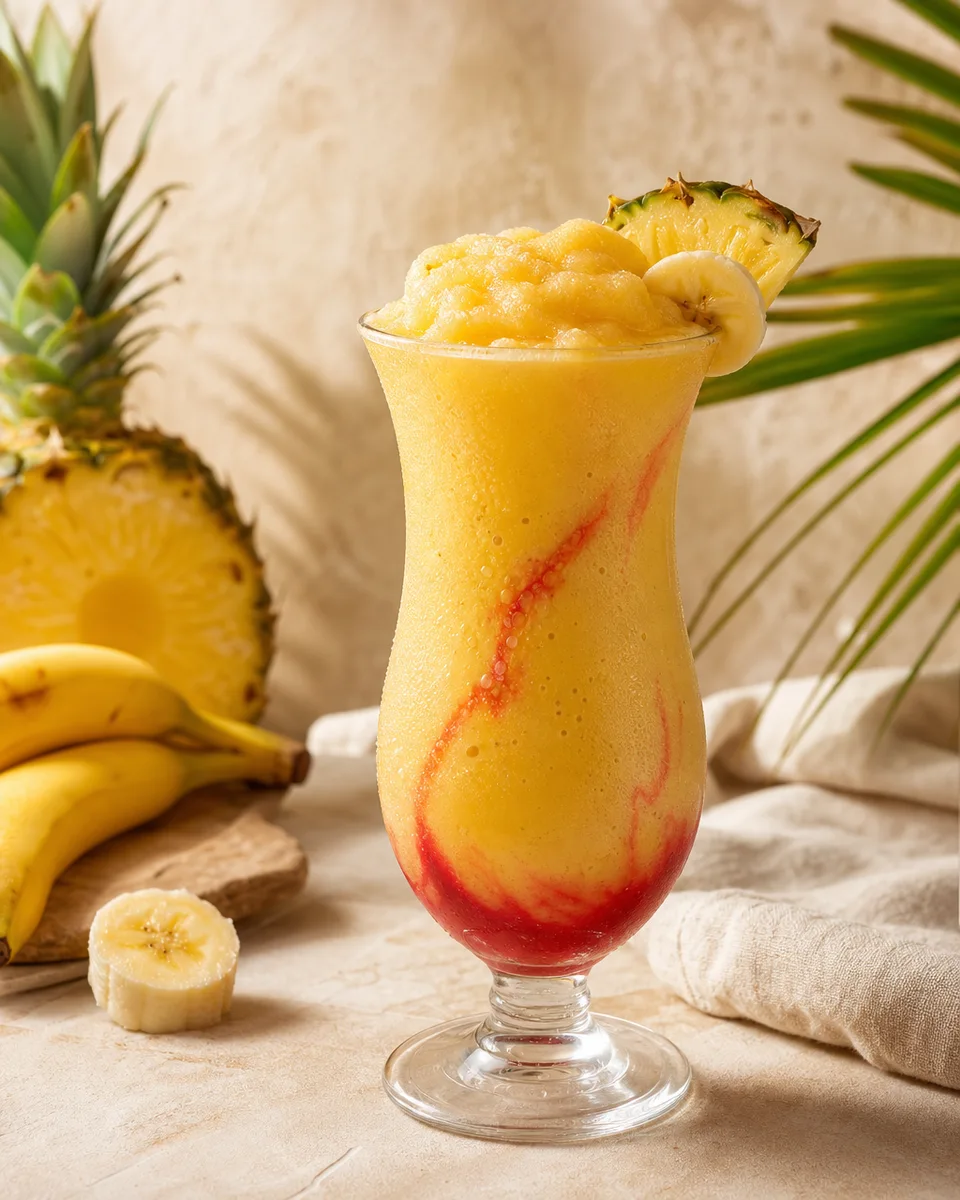
Banana Mama Slush
View - LimeVerification status: Tried & tested
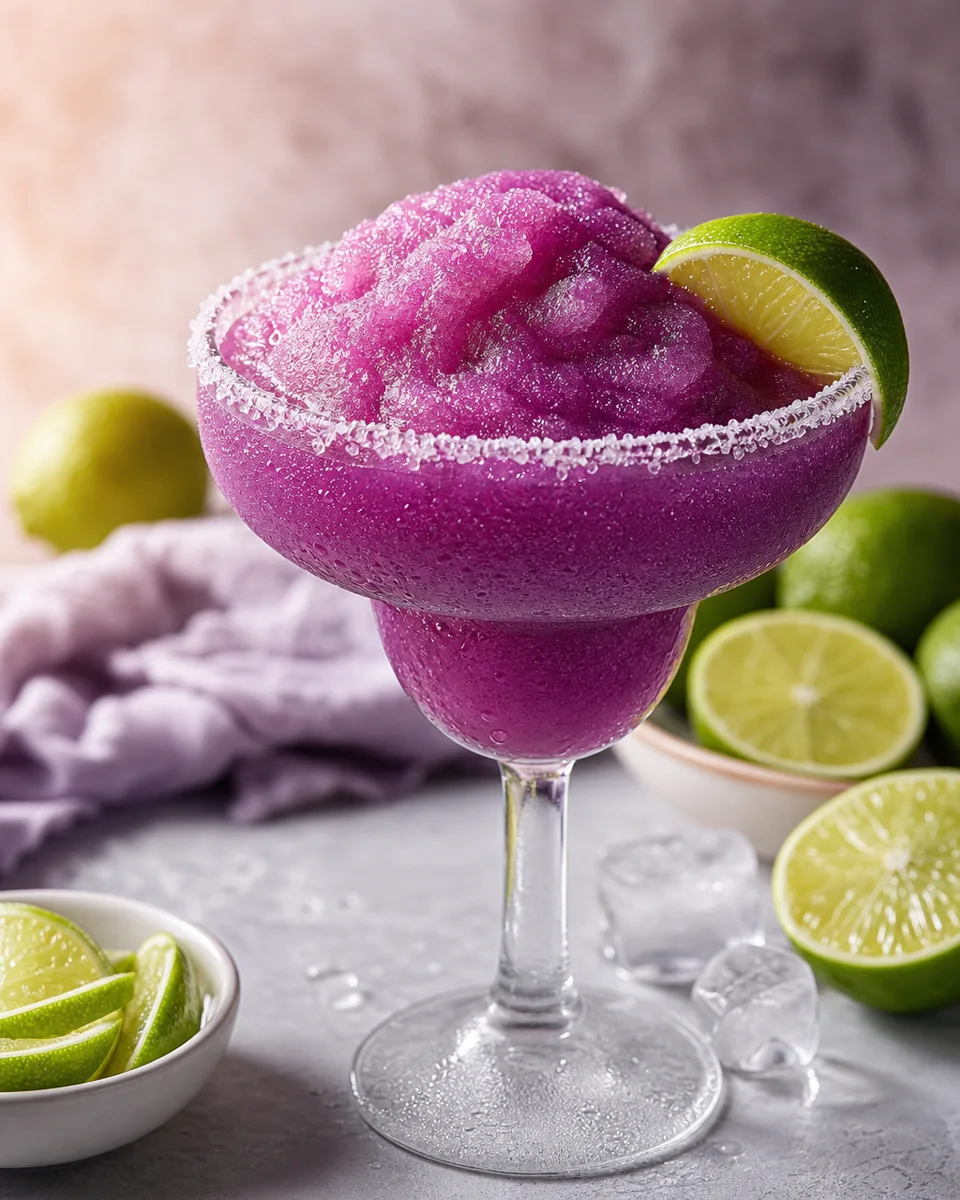
Bomb Pop Margarita Slush
View - GingerVerification status: Tried & tested
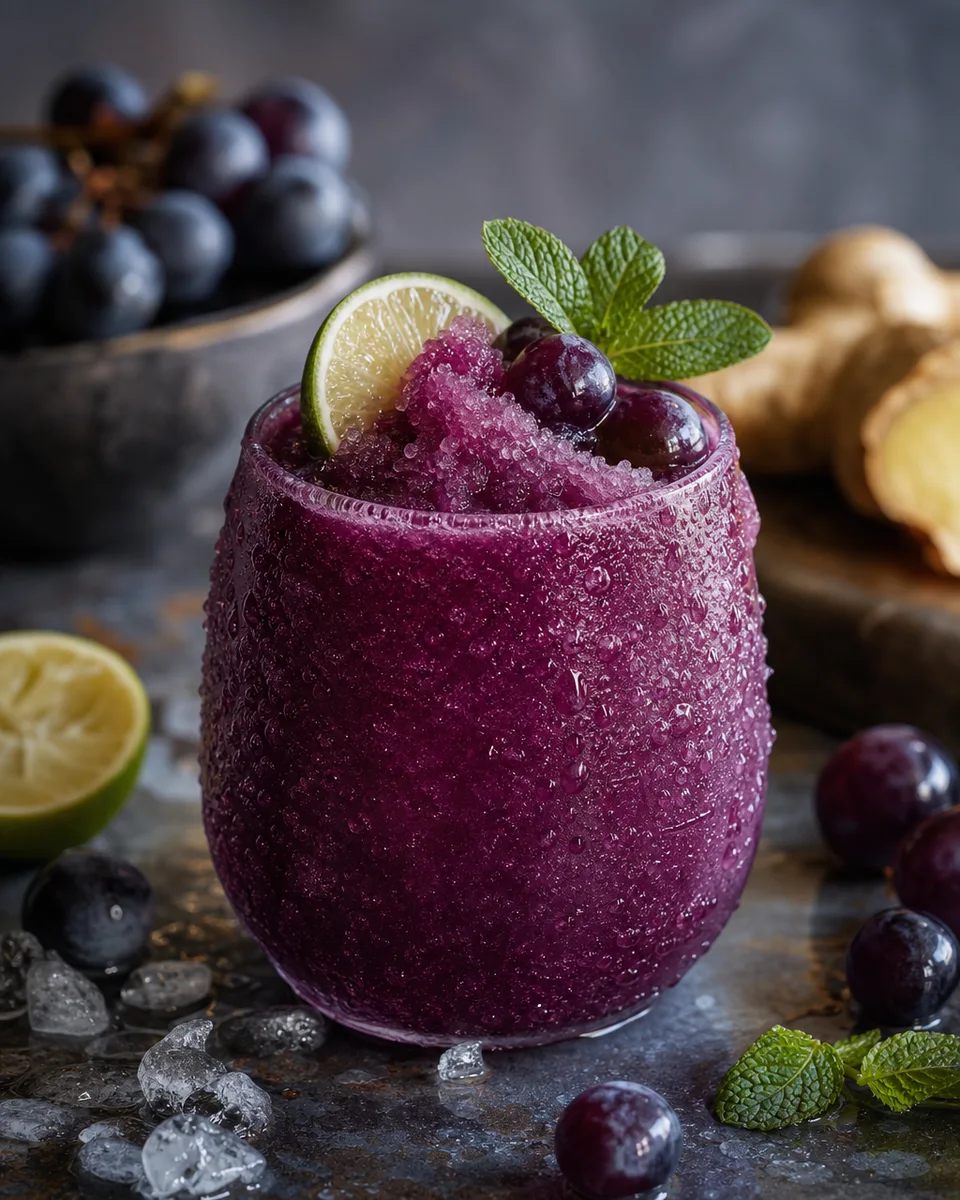
Grape Vodka Ginger Ale Slush
View - LimeVerification status: Tried & tested
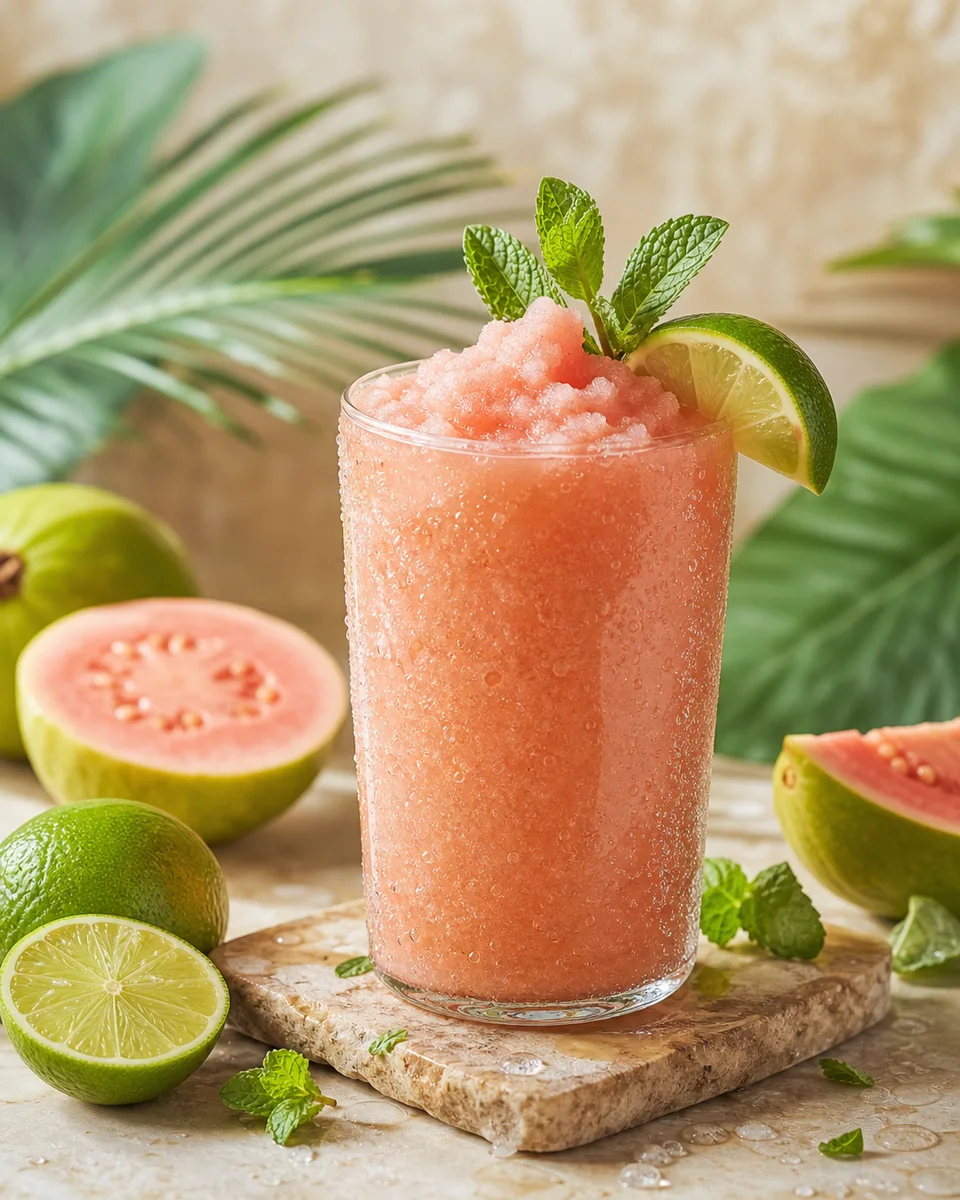
Guava Mojito Slush
View - BerryVerification status: Tried & tested
Triple Berry Coconut Sparkler
View