Slushable Blog
Slush Machine Not Freezing? 7 Checks Before You Call It Broken
If your slush machine is not freezing, check the mix, starting temperature, fill level, airflow, mode, and dasher before blaming the hardware.

If your slush machine is not freezing, first decide whether the bowl is cold. A cold bowl with a liquid drink points to the complete mix; a bowl that never gets cold points to mode, airflow, room heat, fill level, or hardware. Start with a refrigerator-cold, well-mixed batch, check its sugar/soluble-solids and alcohol balance, and follow the manufacturer’s limits before assuming the appliance has failed.
TL;DR (Quick Fix)
Run these checks in order:
-
Separate “not cold” from “still liquid.” If the bowl never gets cold, check mode, airflow, room heat, and hardware. If it is cold but the drink stays liquid, check the complete mix.
-
Use a fridge-cold starting mix. Ninja’s current frozen-cocktail guide specifically tells owners to chill ingredients before adding them and gives model-specific timing for spiked drinks.
-
Check the full batch, not one ingredient. Sugar/soluble solids and alcohol both change freezing behavior; use the Slushable ratio calculator instead of adding a guessed spoonful of sugar.
-
Stay within the machine’s fill and airflow limits. A warm, crowded counter or overfilled chamber adds heat and can make a good recipe look broken.
-
Clean and reseat the moving parts. A film of syrup or a crooked dasher can stop the mix from circulating and scraping normally.
The short version: a machine can be working correctly and still refuse to freeze a drink. Warm input, a dilute or alcoholic mix, overfilling, or the wrong model range can each be enough to delay the result.
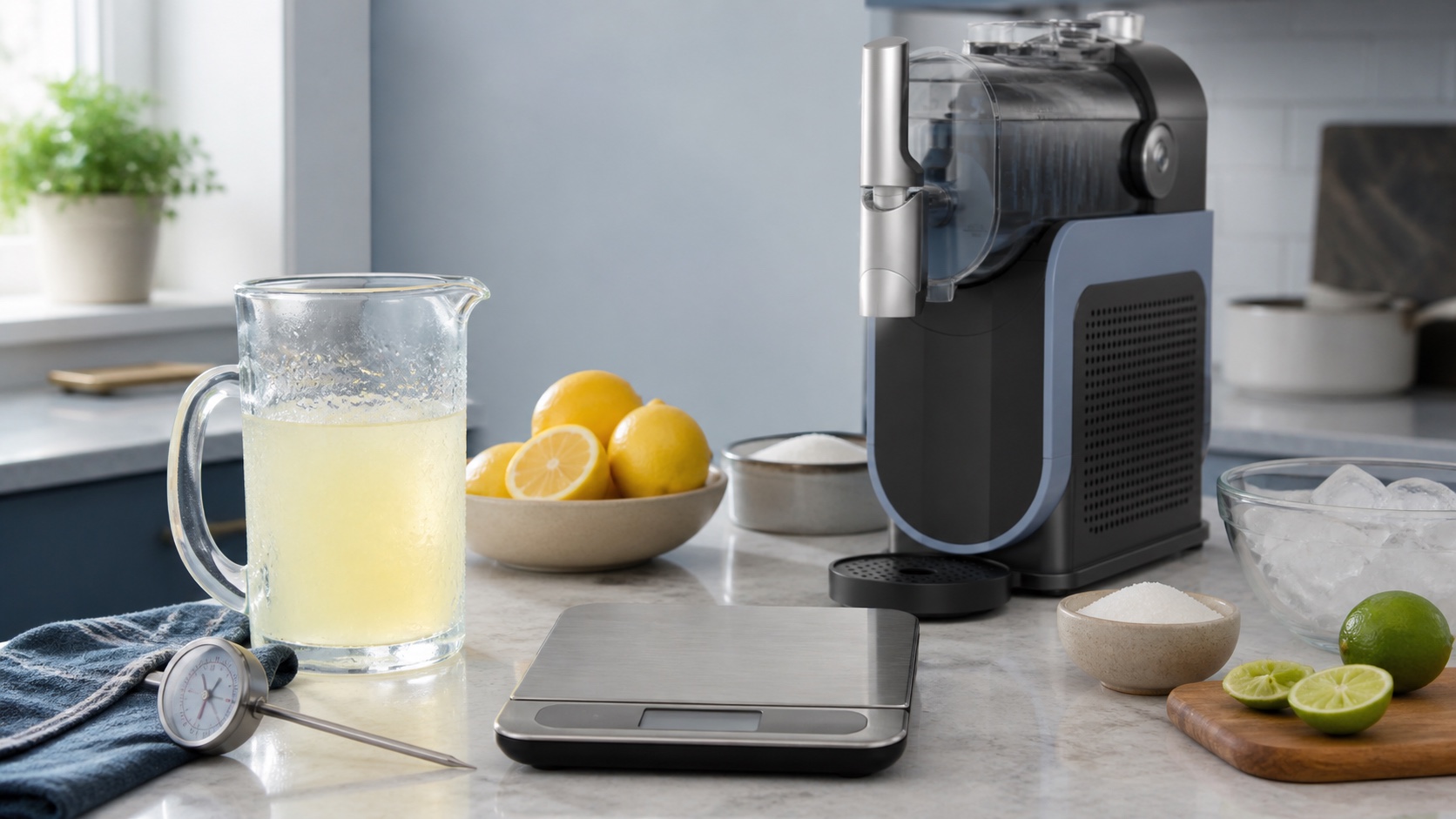
The three-way diagnosis
The bowl never gets cold
Stop changing the recipe for a moment. Confirm that the machine is in its frozen/slush mode, has the clearance required by its owner guide, and is not sitting in direct sun or against a blocked vent. If the same machine does not cool a known-good batch in a suitable room, use the manufacturer’s support path instead of opening the base.
The bowl is cold but the drink is still liquid
This points first to the mix. Look for warm input, too little sugar or other soluble solids, too much alcohol, or a large batch. A recipe that was never balanced as one complete liquid is another possibility. Use the Sugar to Brix calculator for a label estimate, then check the complete drink in the Slushable ratio calculator.
The batch is chunky, ringed, or scraping
Pause and inspect assembly, ice buildup, and mix balance. Large hard pieces can stop a scraper from moving smoothly. Do not keep forcing the drive against a frozen obstruction; use the machine’s cleaning and service instructions.
How to make a drink recipe actually freeze in a home slush machine
The reliable workflow is to balance the drink before it enters the machine:
-
Write down the complete recipe. Include the sugar source, juice, soda, syrup, water, spirit, batch volume, and the machine model. Alcohol cannot be treated as if it were water.
-
Estimate the finished Brix. Brix is a useful soluble-solids scale, but it is not a promise that every acidic, fruity, or alcoholic drink will freeze the same way. ATAGO’s Brix reference describes the standard sucrose basis; University of Minnesota Extension explains why Brix is commonly used as a soluble-solids reading.
-
Check the practical slush window. Slushable uses roughly 12.5–15° Brix as a working guide for a finished, alcohol-free or moderate-alcohol home batch. The complete mix and the machine model still matter, so use the calculator rather than treating the range as a guarantee.
-
Account for alcohol. Alcohol lowers the freezing point. A published Slushable recipe currently shows a checked batch at 1.89L, 14.61° Brix, and 6.4% ABV in the Frozen Strawberry Daiquiri Slush. Use that as measured recipe proof, not as a universal maximum.
-
Chill and stir the complete batch. Ninja’s guide says to chill the liquid before filling and gives a start-ahead workflow for its spiked preset. Other machines have different instructions, so follow your model’s guide.
-
Fill only to the approved line. More liquid means more heat to remove and less headroom for circulation. Do not add ice directly to the chamber to “speed it up”; that dilutes the mix and can create hard pieces.
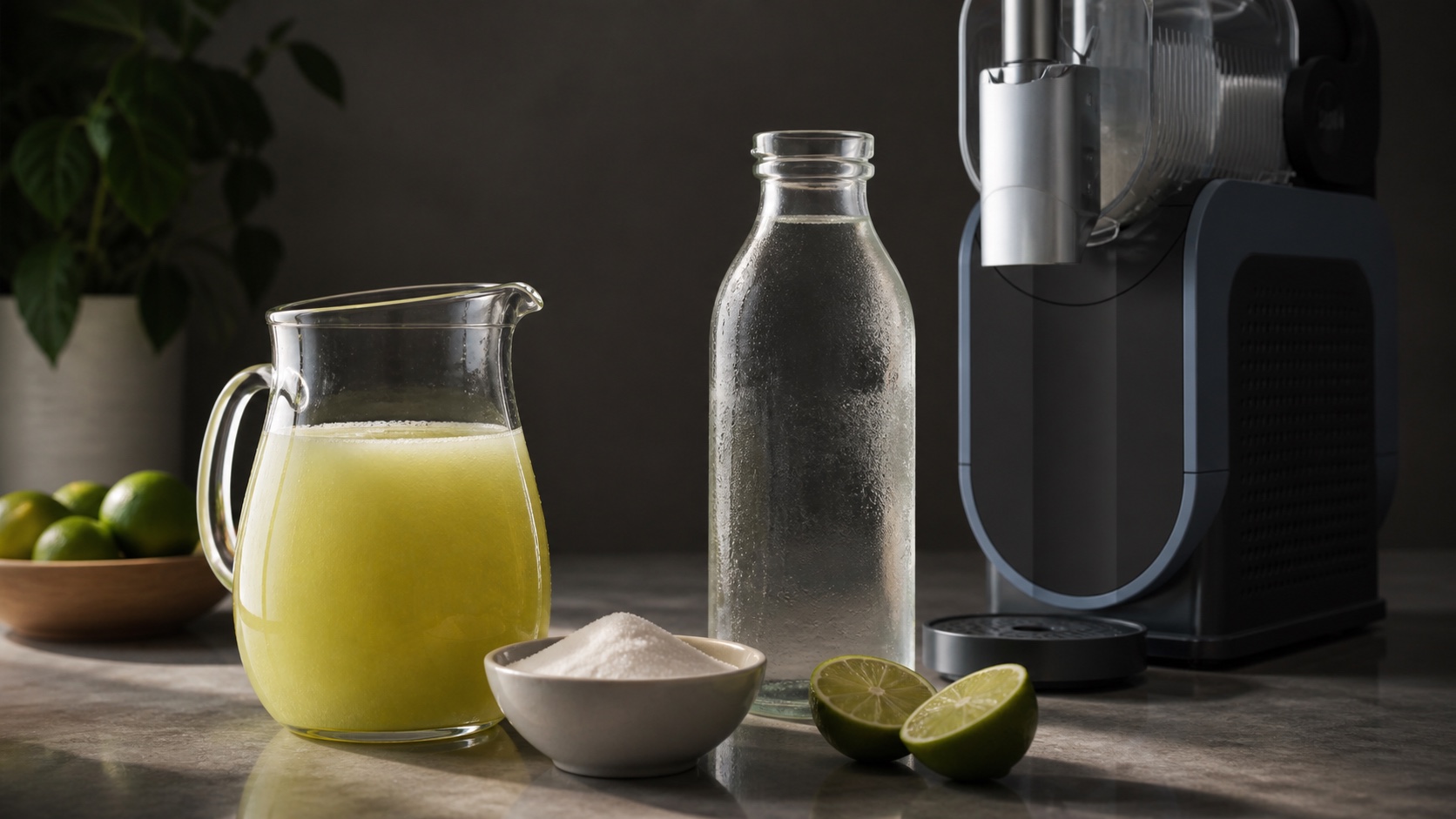
Seven checks when your slush machine is taking too long to freeze
1Starting temperature
Refrigerator-cold mix gives the machine less heat to remove. If the recipe is already in the chamber, do not pour ice into it; chill the next batch externally and compare the result.
2Sugar and soluble solids
Too little sugar can leave a watery batch that freezes hard or unevenly. Too much can keep the drink syrupy. Use the Sugar to Brix calculator for a label estimate, then recalculate the whole recipe after dilution.
3Alcohol
A spirit-forward drink may remain liquid even when a zero-proof version freezes. Use the Ninja SLUSHi calculator for that product family or the general slush ratio calculator; do not solve an alcohol problem by adding sugar blindly.
4Fill level and room heat
Stay below the machine’s maximum fill mark and leave the vents clear. A warm kitchen, direct sunlight, or a tight cabinet can slow heat rejection. Use the manufacturer’s model guide for exact clearance and temperature limits.
5Mode and settings
Confirm that the selected program is intended to freeze or slush rather than only chill or mix. If your machine has a thickness setting, make one small change at a time and wait for the batch to respond.
6Cleaning and assembly
Sugar, fruit pulp, fat, or sanitizer film can change contact and circulation. Stop the machine, unplug it, wash approved removable parts, rinse them well, and reseat the dasher or auger straight. Use the home slush machine cleaning guide for the full routine.
7Actual hardware failure
Hardware becomes more likely when the bowl never gets cold across a balanced, chilled batch. It is also more likely when the machine stalls, smells hot, leaks into the base, or repeatedly trips a protection state. Stop using it and contact the manufacturer; elapsed time alone cannot diagnose a compressor or drive failure.
A practical restart sequence
- Stop the machine if the dasher is hitting a hard obstruction.
- Check the fill line, mode, room temperature, and vent clearance.
- If the bowl is cold, calculate the complete mix before changing sugar or alcohol.
- If the bowl is not cold, test setup and support rather than changing chemistry.
- Clean and reseat removable parts only after the machine is stopped and unplugged.
- Restart with one controlled change and record the batch volume, Brix estimate, ABV, and start temperature.
For a drink-to-recipe workflow, use Recipe Generator so the ingredient list and machine target are handled together. This page is the canonical answer for both “slush machine taking too long to freeze” and “slush machine won't freeze” searches. Use the cold-bowl split above before changing the recipe.
FAQ
Why is my slush machine not freezing but the bowl is cold?
Check the complete mix first: sugar/soluble solids, alcohol, water, batch volume, and starting temperature. Use the Slushable ratio calculator instead of changing one ingredient by guesswork.
How long should a home slush machine take to freeze?
There is no honest universal number. Machine design, batch size, starting temperature, room heat, airflow, mode, and chemistry all change the result. Use your model’s guide and compare controlled batches rather than treating a fixed minute count as a diagnosis.
Can I add ice to make it freeze faster?
Do not add ice directly to the machine unless the owner guide explicitly allows it. Ice dilutes the liquid and can introduce hard pieces. Chill the next complete batch before filling instead.
When should I stop troubleshooting?
Stop when the unit never cools a known-good batch, stalls, smells hot, leaks into the base, or shows a repeated fault. Use the manufacturer’s support route; do not open the electrical base.
Related reading
Recipes to make next
Slush recipes from the library that fit this guide — every one balanced to freeze in a home machine.
- ColaVerification status: Tried & tested

Long Island Iced Tea Slush
View - PeachVerification status: Tried & tested

Peach Citrus Long Island Slush
View - BananaVerification status: Tried & tested
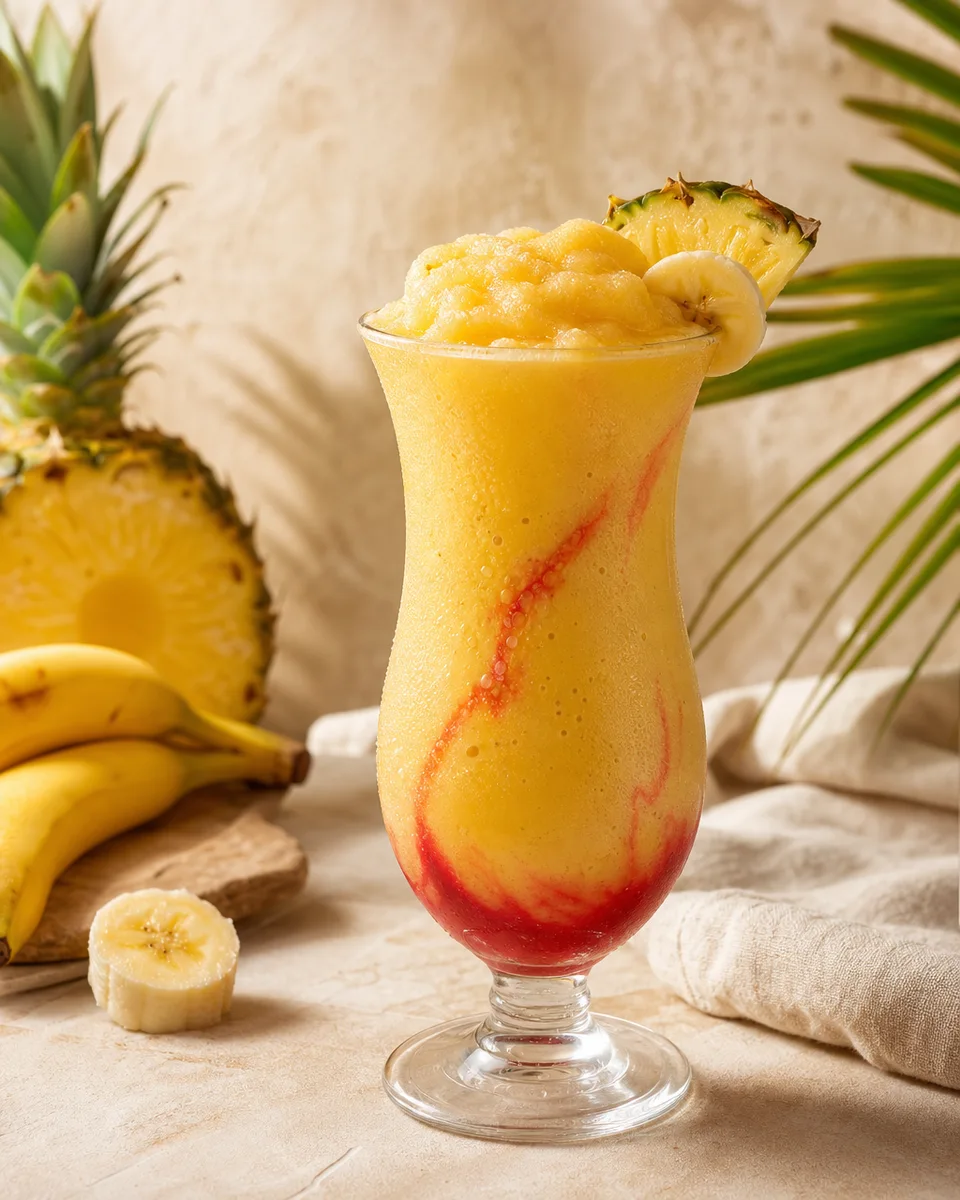
Banana Mama Slush
View - LimeVerification status: Tried & tested
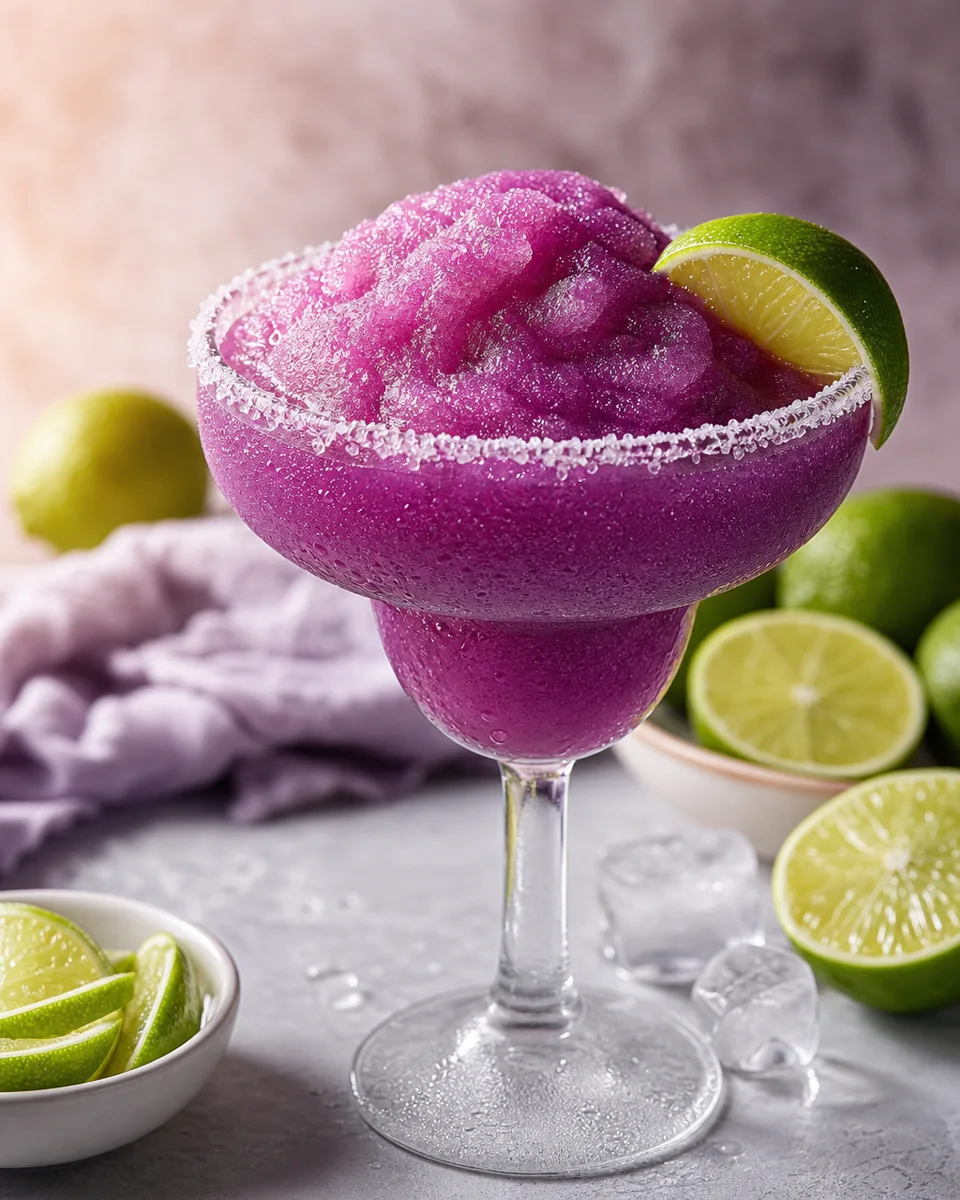
Bomb Pop Margarita Slush
View - PineappleVerification status: Tried & tested
Tropical Rum Punch Slush
View - OrangeVerification status: Tried & tested

Orange Grenadine Mocktail Slush
View