Slushable Blog
Best Descaling Method for Slush Machines (Hard Water): Safe Step-by-Step
Hard water scale can slow freezing and make bowls look cloudy. Here’s the safest, most effective way to descale a home slush machine—step by step.

If you’re searching for the best descaling method for slush machines in a hard water area, here’s the short version: use the manufacturer’s descaler if they sell one—and if they don’t, a food‑grade citric acid solution is usually the safest, most reliable DIY option.
Why this matters: hard water leaves mineral scale (chalky white crust) that can make your bowl look cloudy, make parts feel gritty, and in some machines reduce freezing performance over time.
TL;DR (Quick Fix)
Best overall: manufacturer descaler (follow their ratio + time).
Best DIY for most home machines: citric acid + warm water, short soaks, then multiple full rinses.
Avoid: bleach + acid (dangerous), abrasive scrubbers (scratches), and “random household descalers” that aren’t clearly food-safe or manufacturer-approved.
If you’re not sure whether you need descaling or just normal cleaning, start with: How to clean a home slush machine (step-by-step).
What’s happening (in plain English)
Hard water contains dissolved minerals (mostly calcium and magnesium). When water warms, evaporates, or repeatedly dries on surfaces, those minerals can form a thin crust called scale.
In a slush machine, scale tends to show up:
- along the fill line (a ring that keeps coming back)
- around seals/gasket grooves
- inside the spout/dispense valve
- on surfaces that look clean but feel slightly gritty
Scale also makes it easier for sugar film to cling. So even if you “cleaned,” it can still look cloudy or feel rough.
The best descaling method (and why)
Option A (best if available): Manufacturer descaler
If your brand sells a descaling product or specifies an approved one, this is the safest pick because it’s designed around:
- the plastics in the bowl
- seals/gaskets
- any metal components in the flow path
- the machine’s “clean” / circulation behavior
Option B (best DIY for most people): Food-grade citric acid
Citric acid is common in food and cleaning because it:
- dissolves mineral scale effectively
- has less “lingering smell” than vinegar in many machines
- rinses clean when you do enough rinse cycles
Good default strength:
- Light scale: ~1–2% solution (about 10–20 g per liter of warm water)
- Heavy scale: ~3–5% solution (about 30–50 g per liter)
If your manual gives a maximum strength/time, follow that.
Why not vinegar?
Vinegar can work, but it’s not always the best choice because:
- some manufacturers specifically warn against it
- the smell can linger in plastic/seals
- people tend to “freehand it” and overdo contact time
If you want more general guidance (plus symptoms and prevention), also see: How to descale a home slush machine (hard water buildup, step-by-step).
Step-by-step: Safe descale routine (hard water)
Before you start (do these two safety checks)
-
Never mix acids with bleach. If you’ve recently sanitized with a bleach-based product, do a thorough water rinse first.
-
Read the manual’s “do not use” list. Some machines have specific warnings for certain cleaners.
1Empty the machine and do a warm rinse
- Drain/dispense what’s in the bowl.
- Fill with warm water and circulate (or stir) briefly.
- Drain/dispense again.
This removes loose sugar so the acid can focus on minerals.
2Remove and pre-soak the easy parts
Remove what’s designed to come off (usually lid, seals/gaskets, drip tray, and spout pieces).
- Put these parts in a container of your citric-acid solution.
- Let them soak 10–20 minutes.
- Use a soft brush (not a scouring pad) for gasket grooves.
3Run a short “contact” descale in the bowl
- Fill the bowl with the citric-acid solution (warm, not hot).
- Let it sit or circulate for 10–15 minutes.
If your buildup is heavy, do two short rounds instead of one long soak. Longer isn’t always better—especially around seals.
4Drain/dispense and inspect
Drain the solution and quickly check:
- Is the chalky feel gone?
- Did the fill-line ring fade?
- Do gaskets/spout parts feel smoother?
If you still feel grit, repeat Step 3 once.
5Rinse like you mean it (this is the “taste” step)
Do multiple full rinses with clean water:
- Fill → circulate briefly → drain/dispense.
- Repeat at least 3 times (more if you used a stronger mix).
- Smell-test: you shouldn’t detect acidity.
If the water still smells acidic, keep rinsing.
6Do a normal wash, then dry completely
After descaling, do a normal wash to remove loosened residue:
Then dry thoroughly (especially gasket grooves). Leaving moisture behind is how scale comes back fast.
7Test freezing performance
Make a small test batch and confirm the machine behaves normally.
If freezing is still weak, the issue is often mix composition (sugar/alcohol) or room temperature rather than scale. Start here:
Troubleshooting: Symptoms → likely cause → fix
- Cloudy bowl that returns after drying → mineral scale → repeat a short citric-acid descale + improve drying.
- Gritty feel in gasket grooves → scale trapped in seams → remove gasket and brush gently while soaking.
- Slow or sticky dispensing → scale/sugar film in valve path → soak spout pieces; then rinse through the spout repeatedly. (Also see: Slow dispense / sticky spout fix.)
- Slush is watery but machine looks clean and smooth → usually mix (low sugar / too much alcohol) → see Why is my slush watery?.
How to prevent hard water scale next time
- Use filtered water for any “water-only” steps (rinses, pre-dilution), especially if your tap water spots glassware.
- Rinse after every use so sugar doesn’t glue minerals in place.
- Dry completely (rings and seams are the usual repeat offenders).
- Descale on a schedule:
- very hard water / frequent use: about monthly
- moderate: every 2–3 months
- soft water: as needed
For long breaks, follow: How to store your slush machine off-season.
FAQ
What’s the safest descaler for a home slush machine?
The safest option is the manufacturer’s recommended descaler. If you don’t have one, food-grade citric acid is typically the gentlest effective DIY choice.
How strong should a citric-acid solution be?
A common range is 1–2% for light scale and 3–5% for heavier scale. If you’re unsure, start weaker and repeat a short cycle rather than going strong and soaking for a long time.
How do I know I rinsed enough?
When the water runs clear and you can’t smell or taste acidity. If you can smell it, you’ll probably taste it.
Can descaling fix slow freezing?
Sometimes. Scale can reduce heat transfer and make cleaning less effective. But slow freezing can also be caused by warm room temperature or mix composition. If you’re still waiting forever, check: How long does a slush machine take to freeze?.
Should I scrub scale off with something rough?
No. Abrasive pads can scratch the bowl, which makes future scale and sugar film stick faster. Use a soft brush + acid solution + patience.
Related reading
Recipes to make next
Slush recipes from the library that fit this guide — every one balanced to freeze in a home machine.
- PeachVerification status: Tried & tested
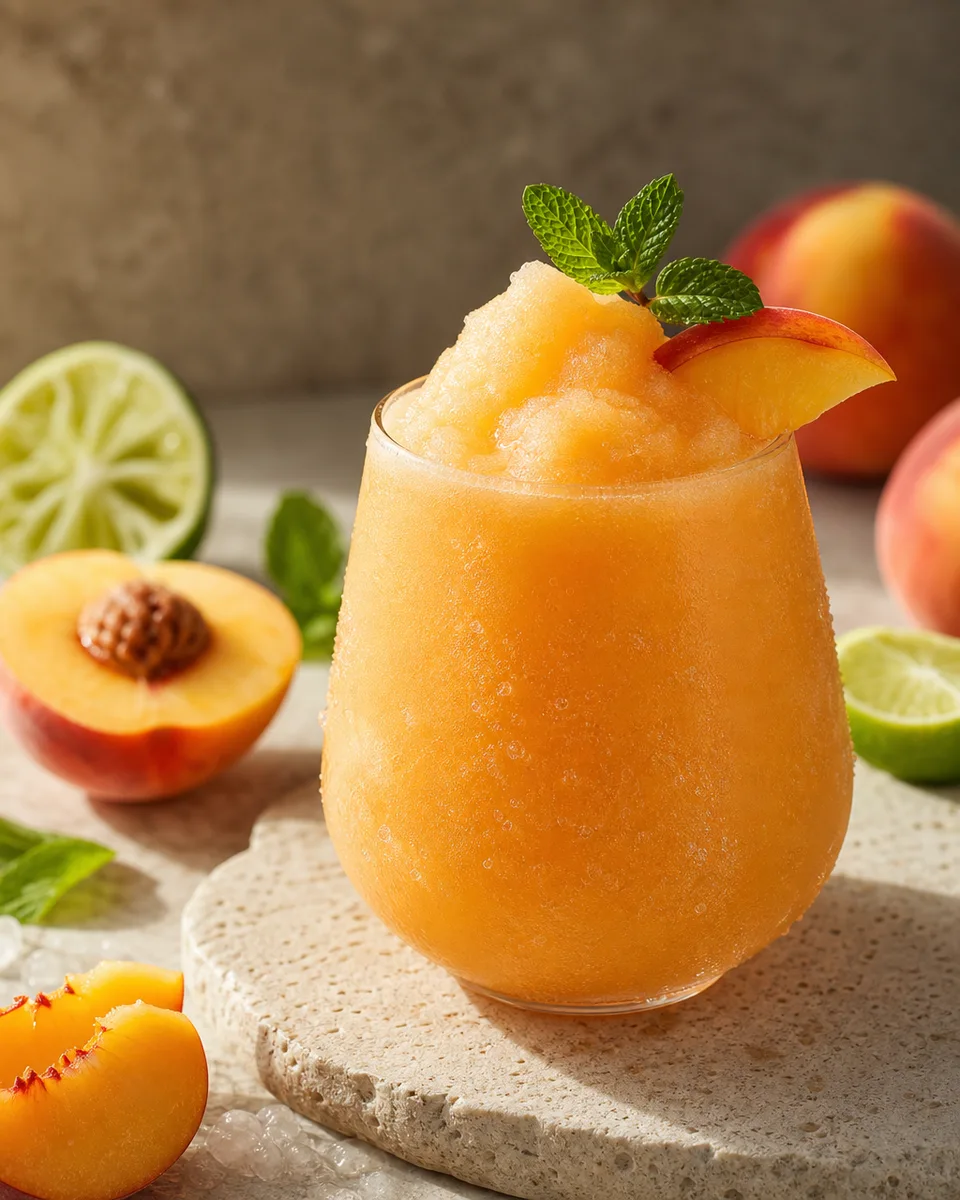
Citrus Peach Cooler Slush
View - BourbonVerification status: Tried & tested

Bourbon Walnut Old Fashioned Slush
View - ProseccoVerification status: Tried & tested

Sarti Rosa Prosecco Spritz Slush
View - ProseccoVerification status: Tried & tested
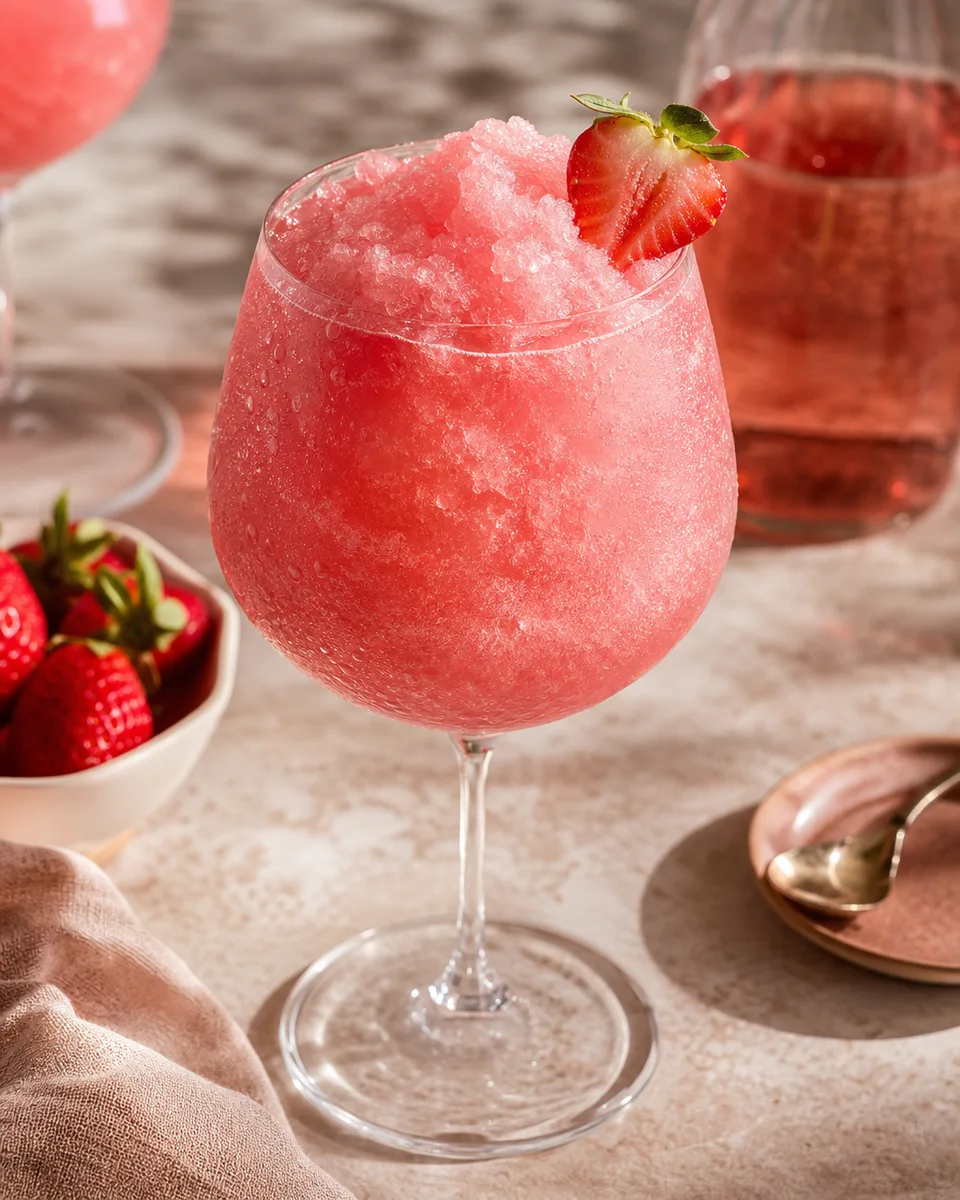
Sarti Spritz Slush
View - PineappleVerification status: Tried & tested
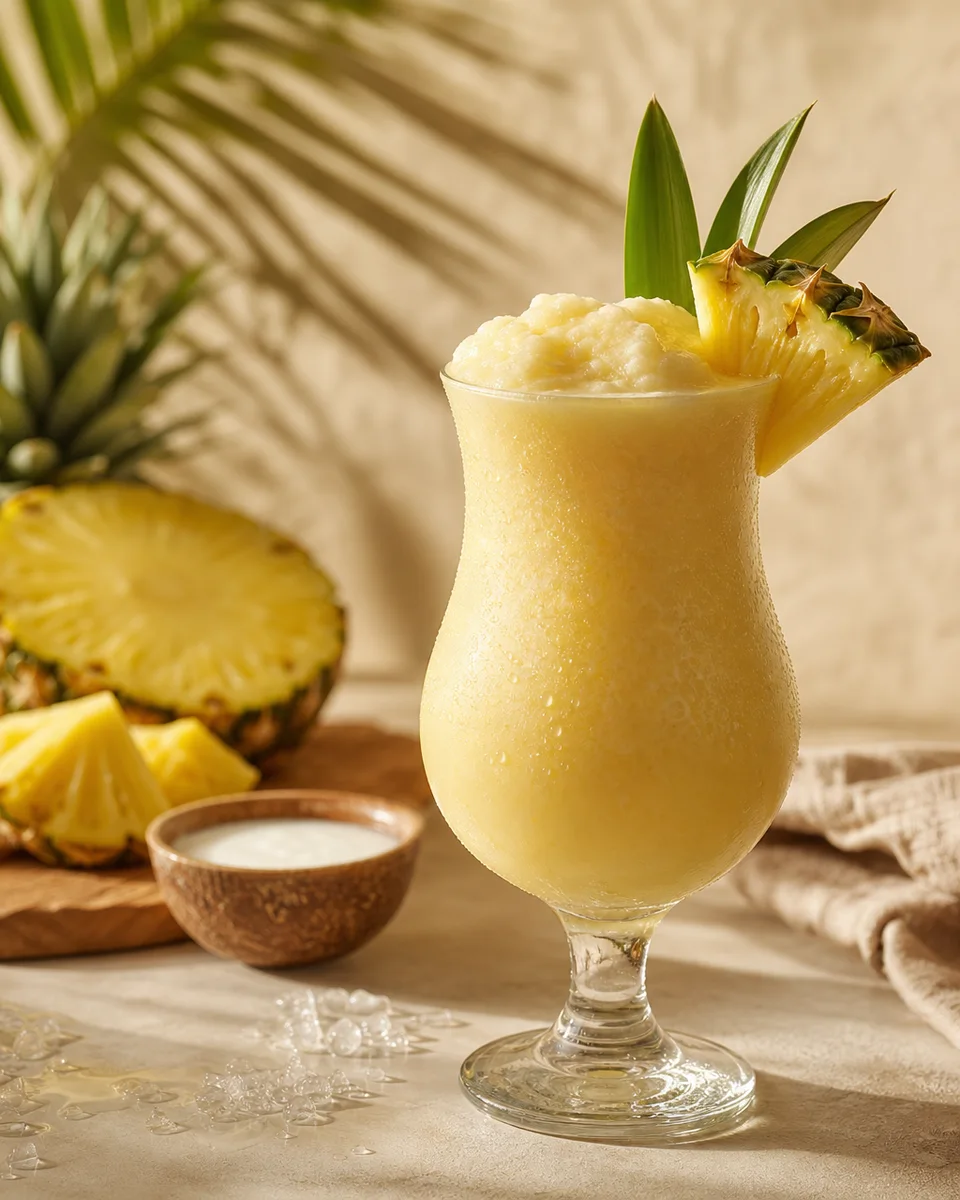
Piña Colada Slush
View - PineappleVerification status: Tried & tested

Piña Colada Slush
View