Slushable Blog
How to Measure Brix Without a Refractometer (for Home Slush Mixes)
You don’t need a refractometer to hit the right slush Brix. Here are simple, repeatable ways to estimate and adjust sugar concentration at home.

If you’re Googling how to measure Brix without a refractometer, you’re probably in the middle of a classic home slush problem:
- the mix stays watery forever, or
- it suddenly turns into hard ice blocks.
In both cases, the machine is often fine — the mix is just outside the “slush zone.”
The good news: you can get very close to a useful Brix target using basic kitchen tools.
TL;DR (Quick Fix)
- For most non-alcohol mixes, aim around 13–15°Bx.
- The easiest no-refractometer method is a kitchen scale (sugar-by-weight).
- If you’re using a bottled drink (soda/juice), the nutrition label can give you a quick estimate.
- Don’t forget the “boring” fix that matters a lot: prechill the mix before you pour it in.
What Brix means (in plain English)
Brix is basically sugar concentration by weight.
- 14°Bx means ~14g of sugar per 100g of total solution.
Why slush machines care:
- Too low → mix freezes like plain water: hard, icy, circulation problems.
- Too high → mix stays syrupy/soft and may never “set.”
If you want the beginner-friendly version of the concept: Slush Brix for beginners (why it matters)
Method 1 (best): estimate Brix with a kitchen scale
This is the most repeatable “no refractometer” approach because it’s based on weights, not guesswork.
Step-by-step: build a slush-friendly mix by weight
- Put a mixing pitcher/bowl on a scale and tare to zero.
- Add your base liquid and note the weight in grams.
- Pick a target Brix (start with 14°Bx).
- Add sugar until you hit the target.
If you’re starting with plain water and adding sugar, this gets you very close:
- Target 13°Bx → add 149 g sugar per 1000 g water
- Target 14°Bx → add 163 g sugar per 1000 g water
- Target 15°Bx → add 176 g sugar per 1000 g water
Then:
- Stir until fully dissolved.
- Chill the mix.
- Pour into the machine.
If you want the deeper version (including how to handle bases that already contain sugar): How to measure sugar for slush (with a kitchen scale)
Common mistake: “I added sugar, but it still freezes weird”
Two sneaky causes:
- Undissolved sugar sitting at the bottom (the top stays low-Brix, so it freezes first).
- The mix went in warm, so the machine spends ages removing heat before it can start forming slush.
Method 2 (fast): estimate Brix from a nutrition label
If you’re using a store-bought drink (soda, lemonade, juice blend), you can often estimate “Brix-ish” from the label.
Here’s the quick mental model:
- Labels usually show “Sugars” in grams per serving.
- If the serving is listed in grams or milliliters, you can compute a rough percentage.
Example calculation
Let’s say the label says:
- Sugars: 24g
- Serving size: 240 mL (assume ~240g for a water-like drink)
Estimated sugar-by-weight ≈ 24 ÷ 240 = 10% → about 10°Bx.
That’s often too low for reliable slush.
If you’re consistently getting watery results with a bottled drink, this is why.
What to do with that estimate
- If your label-estimate is ~10°Bx, nudge it up toward 13–15°Bx by adding sugar (or using a more concentrated base).
- If your label-estimate is already ~14°Bx, focus on other factors (prechill, airflow, settings, overfilling).
Troubleshooting: symptoms → causes → fixes
Symptom: “It won’t freeze / it’s watery forever”
Common causes:
- Brix is too low
- mix is going in warm
- too much alcohol (if applicable)
Fixes:
- Use the kitchen-scale method to get near 13–15°Bx.
- Prechill the mix: Should you prechill slush mix?
- If you want a fast tactical rescue: Best way to fix watery slush fast (without starting over)
Symptom: “It froze into hard ice blocks”
This is counterintuitive, but a very common cause is still:
- Brix is too low
When the mix behaves like water, it can freeze hard on cold surfaces, stop circulation, and then the machine makes the freeze-up worse.
Fixes:
- Confirm the mix is in the 13–15°Bx neighborhood.
- Let the machine recover, then restart with a properly dissolved batch.
- More detail: Why did my slush freeze solid? (ice blocks fix)
Symptom: “It’s soft and syrupy, not slush”
Common causes:
- Brix is too high
- too much alcohol
Fix:
- Dilute slightly (small changes, then wait).
- Next batch, target 13–15°Bx instead of “as sweet as it tastes good.”
How to prevent this next time (simple habit)
Pick one method and make it your default:
- If you want consistency: use the scale method.
- If you’re using bottled drinks: do the label estimate once, then write it down.
Once you stop guessing the sugar concentration, most “mystery slush machine problems” stop being mysterious.
FAQ
Do I need a refractometer to make good slush?
No. A refractometer is convenient, but you can get reliable results with a kitchen scale and a consistent target.
What Brix should I aim for?
For most non-alcohol mixes, 13–15°Bx is the most reliable starting range.
More context here: Best Brix range for home slush (and how to hit it reliably)
Why does my slush freeze solid if there’s not enough sugar?
Because low-sugar liquid freezes more like water — hard and quickly — which can stop circulation and create ice blocks.
Related reading
Recipes to make next
Slush recipes from the library that fit this guide — every one balanced to freeze in a home machine.
- CoffeeVerification status: Tried & tested
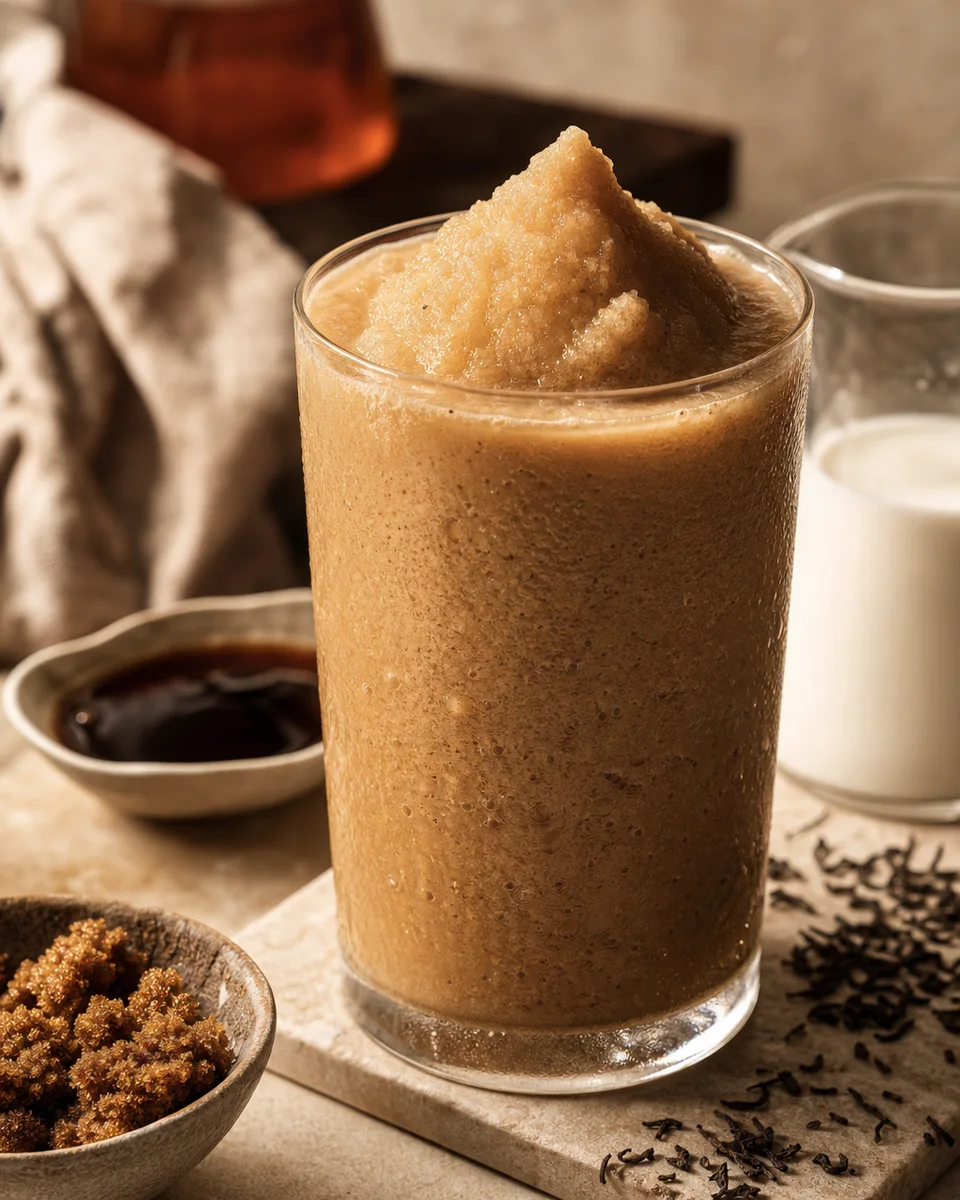
Brown Sugar Milk Tea Slush
View - CoffeeVerification status: Tried & tested
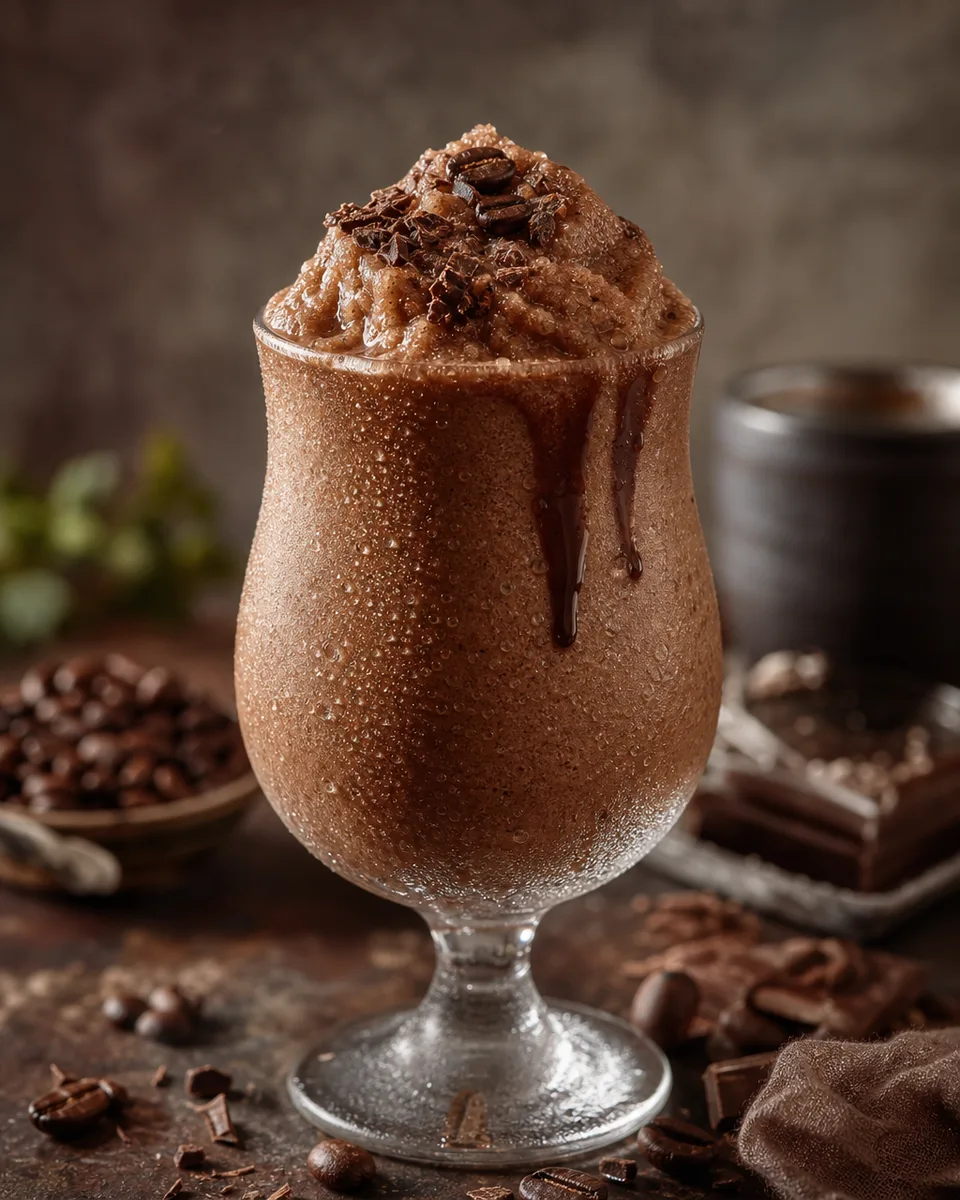
Bicerin Coffee Chocolate Cream Slush
View - CoffeeVerification status: Tried & tested
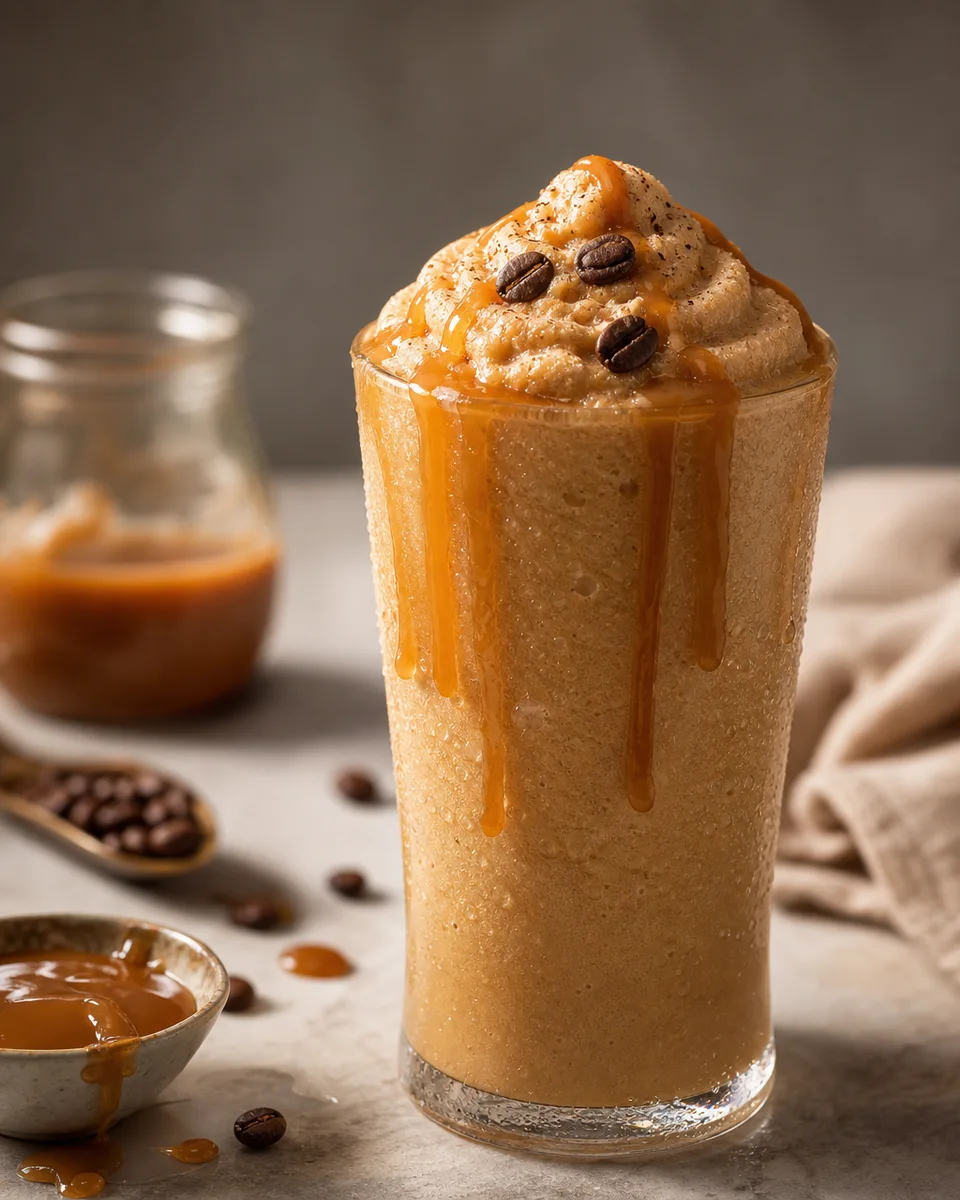
Caramel Espresso Frappe
View - HoneyVerification status: Tried & tested
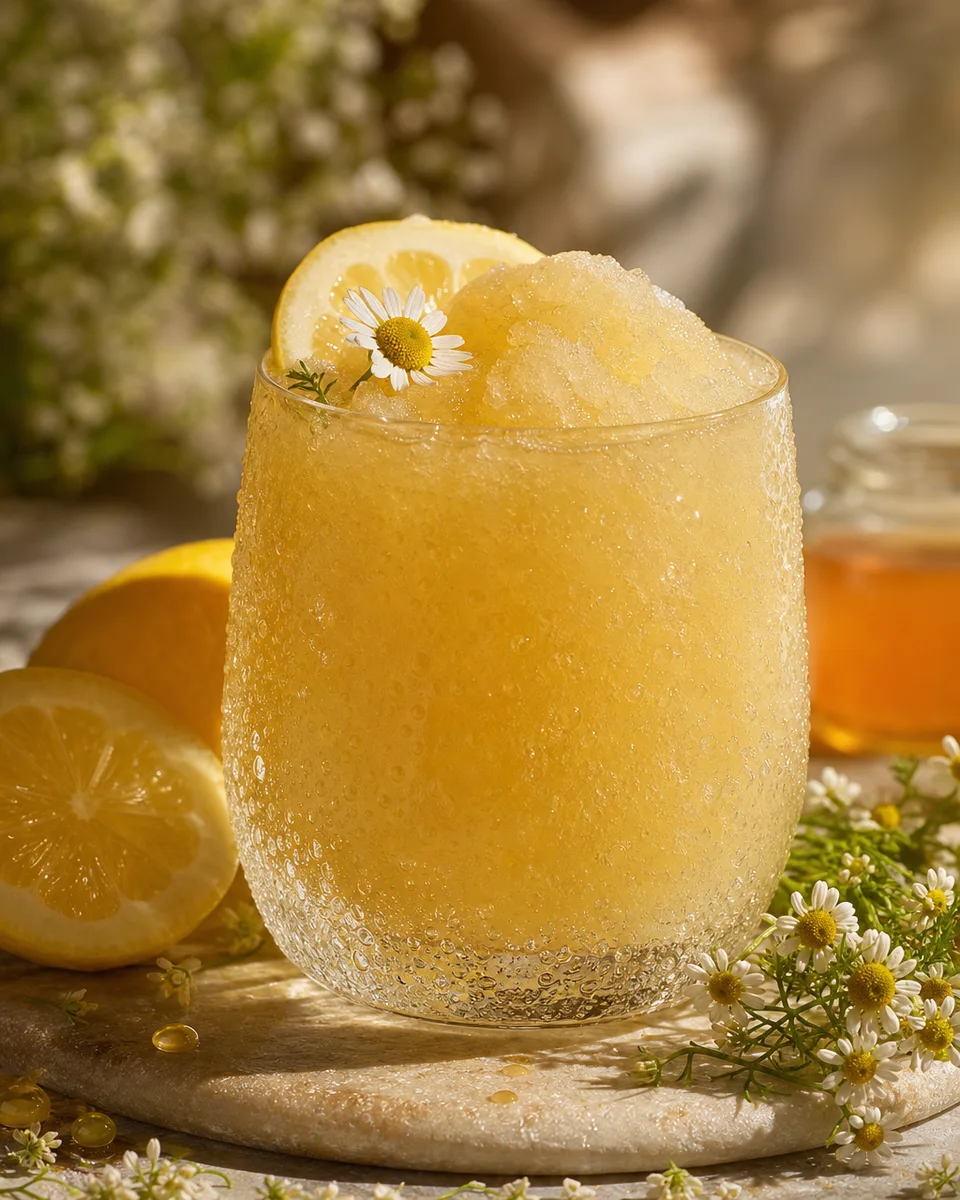
Chamomile Honey Grappa Slush
View - CoffeeVerification status: Tried & tested
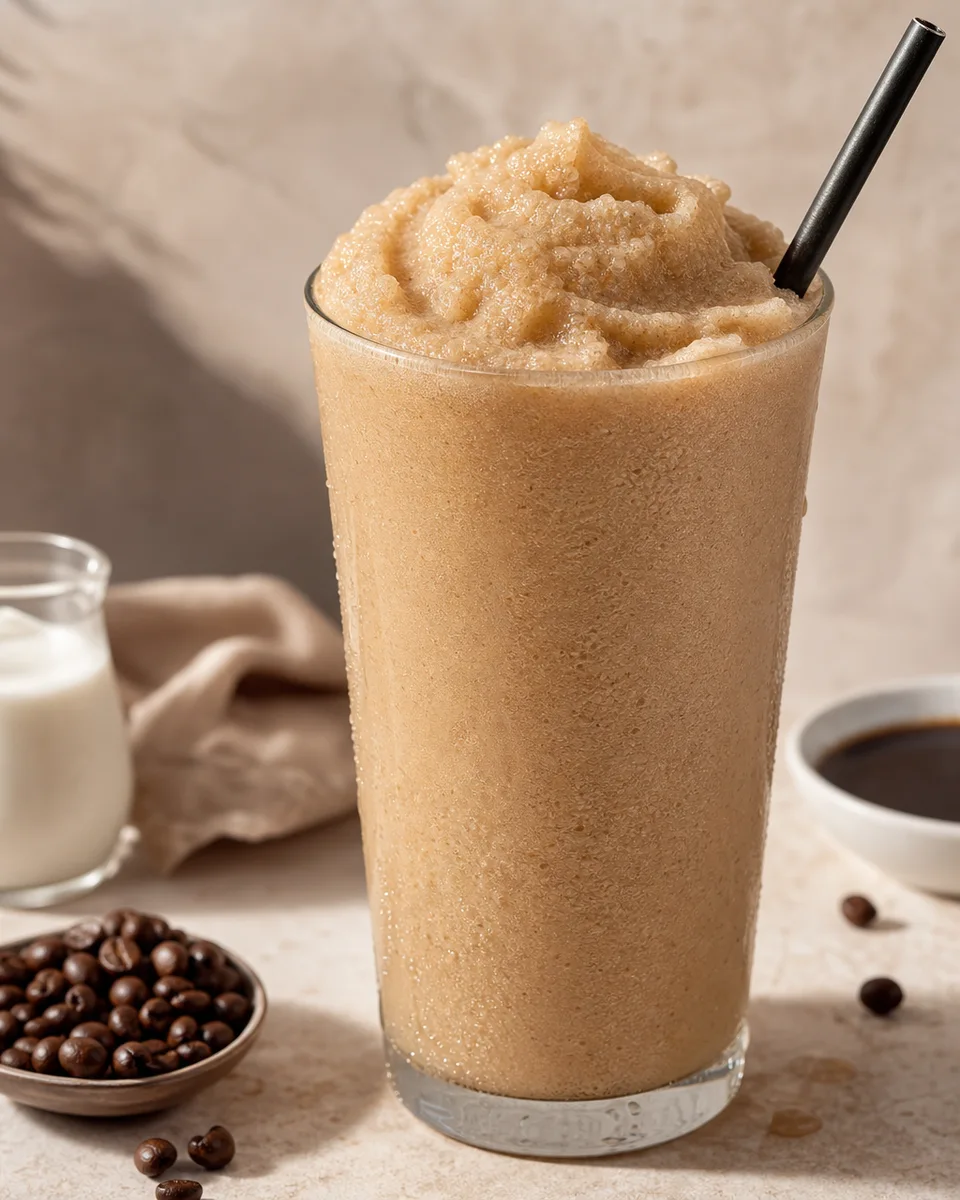
Dalgona Coffee Milk Slush
View - CoffeeVerification status: Tried & tested
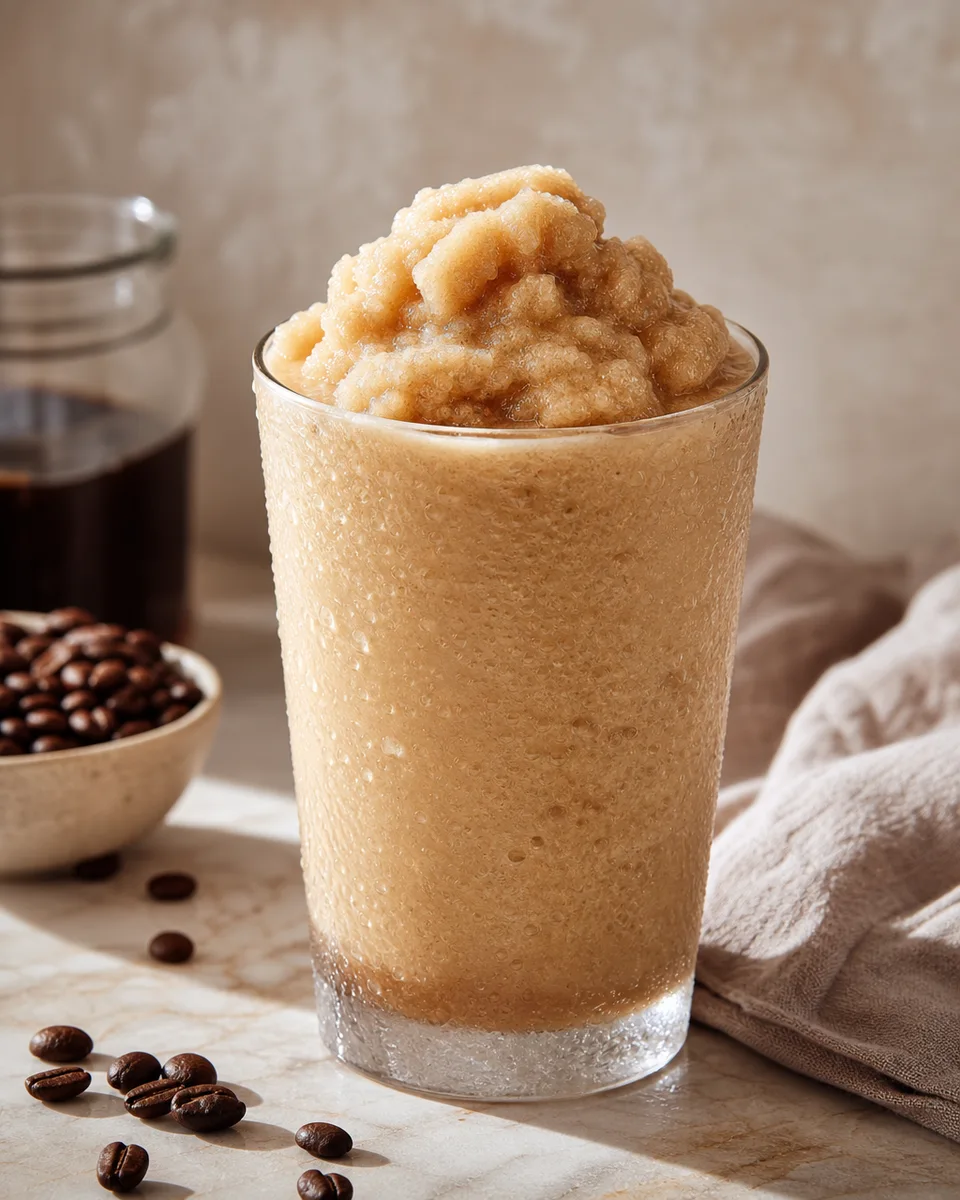
Iced Latte Slush
View