Slushable Blog
Slush Machine Not Freezing (Stays Liquid)? Causes + Step-by-Step Fix
If your home slush machine stays liquid, this guide covers the most common causes—mix is too “thin,” machine settings, airflow, and how to fix it fast.

If your slush machine is not freezing and the mix just stays liquid, you’re usually dealing with one of three things.
The mix won’t freeze at your machine’s target temperature, the machine can’t pull heat out fast enough, or it’s not actually in the right mode.
The good news: most “not freezing” problems are fixable in one session, without replacing anything.
TL;DR (Quick Fix)
- Confirm you’re in FREEZE/SLUSH mode, not just MIX/CHILL.
- Check the mix. A batch that stays fully liquid is often too high-sugar, high-Brix, or too alcoholic for your machine’s setpoint.
- Start cold. Pre-chill the mix and don’t overfill.
- Give the machine air. Clean the vents, move it away from walls, and avoid hot rooms.
- If it still won’t freeze after a full cycle, reset/defrost. Retry with a mix in the machine’s slush range, usually by diluting rather than sweetening.
What’s happening (in plain English)
A home slush machine is basically a tiny freezer that’s trying to remove heat from your drink while an auger keeps it moving.
If the machine can’t remove heat fast enough, the mix will sit there looking unchanged. Warm rooms, blocked airflow, and overfilled barrels all create that problem.
The same thing can happen when the liquid needs to get colder than the machine can realistically reach before it starts forming slush.
The main causes
1The mix won’t freeze at your machine’s setpoint (too high sugar/Brix or too much alcohol)
This is the most common reason a batch stays fully liquid.
If the mix has too much dissolved sugar (high Brix), the freezing point drops.
Too much alcohol can do the same thing. Either way, a countertop machine can churn forever and still never build slush.
Common culprits:
- using full-strength syrup without enough water.
- adding extra sugar “to help it freeze,” which does the opposite.
- boozy mixes that are above the machine’s alcohol tolerance.
If you want the practical version, start with Brix basics.
Rule of thumb: if it stays fully liquid after a full cycle, you usually need to dilute (add water/ice) rather than sweeten.
2Wrong mode / settings
Many machines have a mode that spins the auger but doesn’t run the compressor aggressively (sometimes labeled MIX, CHILL, COOL, or a “standby” state).
Symptoms:
- auger turns, but the mix never gets colder.
- no “freezing” indicator light appears.
- you don’t hear the compressor cycling.
Fix: switch to the correct SLUSH/FREEZE setting and restart the cycle.
3Starting too warm, overfilling, or a too-hot room
Even a good machine struggles if it’s fighting basic physics:
- you poured in room-temp liquid.
- you filled past the max line.
- the machine is in direct sun or near an oven.
- the room is warm and humid.
Your machine has a limited cooling capacity. If you overload it, it may look like it’s “not freezing” when it’s just losing the heat-removal race.
More on room heat: Does Room Temperature Matter? How Ambient Heat Affects Slush Machines
4Airflow problems (blocked vents, dusty condenser)
Home units dump heat out the back or sides. If the vents are blocked, the machine can’t get rid of heat—so it can’t freeze your drink.
Common culprits:
- pushed tight against a wall.
- stuffed into a cabinet nook.
- dusty lint on the intake grille.
Fix: give it space and clean the vents (details below).
5Dirty machine (insulation film, sugar residue, scale)
A barrel that looks “mostly clean” can still have a film that hurts heat transfer.
Also: mineral scale from hard water can reduce efficiency over time.
Related:
6Mechanical/maintenance issues (less common)
If everything else checks out, you could have:
- a failing compressor.
- a sensor or thermostat issue.
- an auger that’s slipping, mixing but not scraping properly.
Before assuming the worst, use the checklist below to rule out the easy stuff.
Step-by-step fix
1Confirm the basics (mode + time)
- Set the machine to SLUSH/FREEZE mode.
- Let it run a full cycle (check your manual, but think 30–90 minutes depending on mix and volume).
- Listen for the compressor cycling.
If you’re unsure whether the auger is working correctly, use slush machine auger not turning as a sanity check.
2Fix the mix first (the fastest win)
If the mix is mostly water + flavor, it may never slush.
Practical options (pick one):
- Use a slush mix that’s designed for machines (often labeled for frozen drink machines).
- Measure sweetness by weight (more reliable than “it tastes sweet”).
This guide shows how to do that without special gear: How to measure sugar for slush with a kitchen scale.
After adjusting, start with a fresh batch (don’t keep “tweaking” the same warm liquid endlessly).
3Start colder and reduce the load
- Pre-chill the mix (fridge cold is enough).
- Fill to the recommended line, not the brim.
- Close the lid fully.
Then restart the cycle.
4Give the machine airflow
- Pull the machine 4–8 inches (10–20 cm) away from walls.
- Clear anything blocking side/back vents.
- Vacuum dust from grilles (gentle brush attachment is best).
If you notice puddles or condensation while troubleshooting, that’s usually normal in humid rooms.
It can still hint that the machine is working extra hard: Slush machine condensation.
5Reset / defrost if you’ve been running attempts back-to-back
If you’ve been trying for hours, the machine may be heat-soaked.
- Power down.
- Let it rest/defrost for 15–30 minutes.
- Start again with a properly sweetened, chilled mix.
6Use symptoms → causes → fixes
Symptom: Mix is cold but still fully liquid after a full cycle.
- Likely cause: mix too thin or low sugar.
- Fix: adjust the mix by Brix or sugar weight, then restart with chilled liquid.
Symptom: Barrel feels barely cool, and you don’t hear the compressor.
- Likely cause: wrong mode, setting, or a power issue.
- Fix: confirm mode and check the outlet or GFCI.
- If it trips, see slush machine won’t turn on.
Symptom: Freezes only around the walls, while the center stays liquid.
- Likely cause: uneven freezing from airflow, volume, or scrape action.
- Fix: reduce fill, improve airflow, and verify auger action.
- More detail: Slush machine freezing unevenly.
Symptom: It’s foamy and keeps expanding, so it looks like it “won’t freeze.”
- Likely cause: aeration or foaming changes the churn and heat transfer.
- Fix: reduce fill, let foam settle, and avoid shaking carbonated bases.
- More detail: Slush machine overflowing.
How to prevent it next time
- Use a mix that’s meant to slush (sweetness matters more than people think).
- Start with cold liquid and don’t overfill.
- Keep the machine where it can breathe (and avoid direct sun).
- Clean regularly; descale if you have hard water.
FAQ
How long should it take for a home slush machine to freeze?
Many machines take 30–90 minutes depending on volume, starting temperature, and the mix. If it’s still fully liquid after a full cycle, suspect the mix or airflow first.
Can I run diet soda or “zero sugar” drinks in a slush machine?
Usually not successfully. Without dissolved sugar (or another freezing-point depressant), the drink may not form slush at the temperatures your machine reaches.
Why does it freeze on the sides but stay liquid in the middle?
That’s a common uneven-freezing pattern. It can be caused by overfilling, poor airflow/heat dumping, or scrape/churn issues.
Does alcohol prevent slush from freezing?
Yes—alcohol is a strong antifreeze for slush machines. Even small amounts can slow freezing or prevent it entirely.
If you’re experimenting, read how much alcohol a slush machine can handle first.
Related reading
Recipes to make next
Slush recipes from the library that fit this guide — every one balanced to freeze in a home machine.
- StrawberryVerification status: Tried & tested
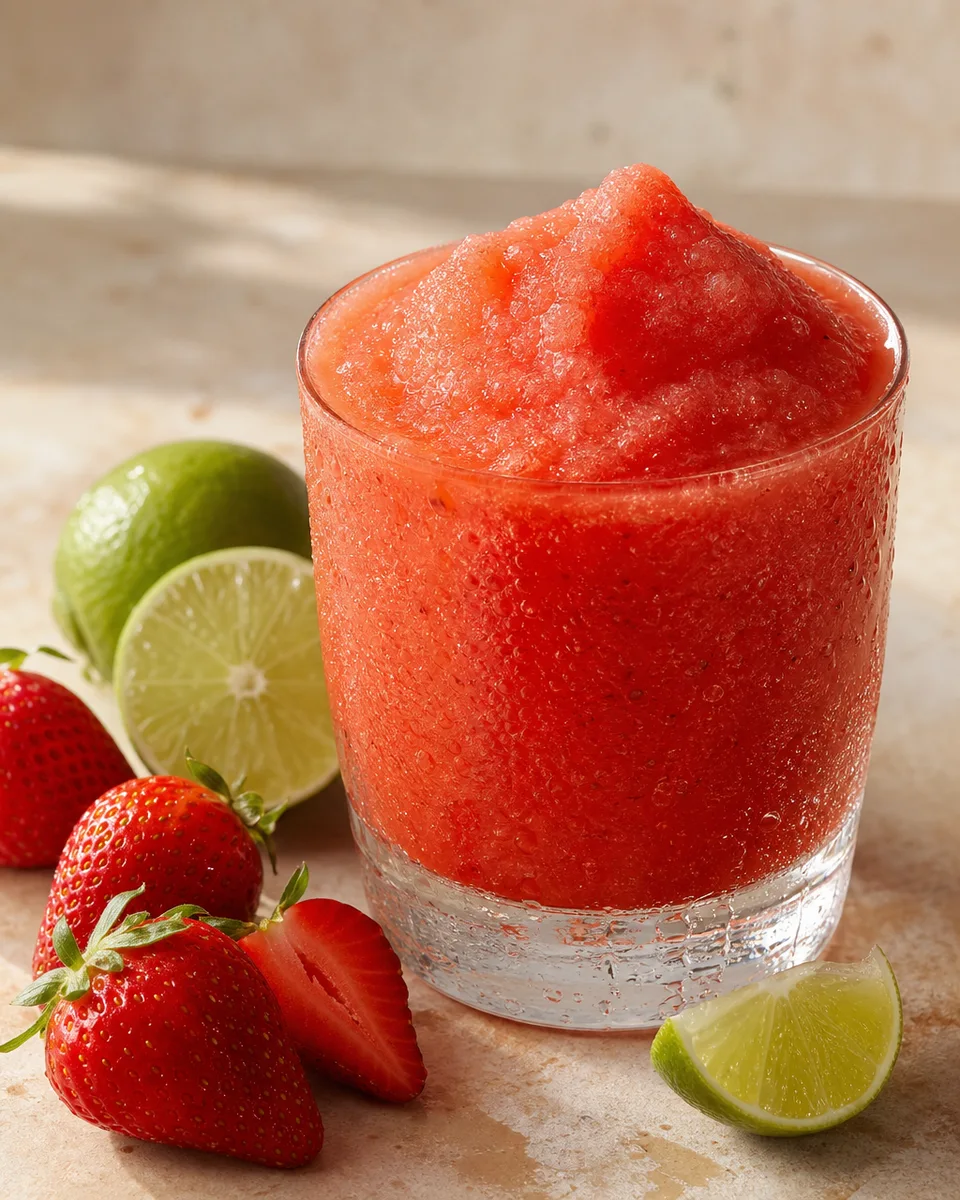
Frozen Strawberry Daiquiri Slush
View - LimeVerification status: Tried & tested
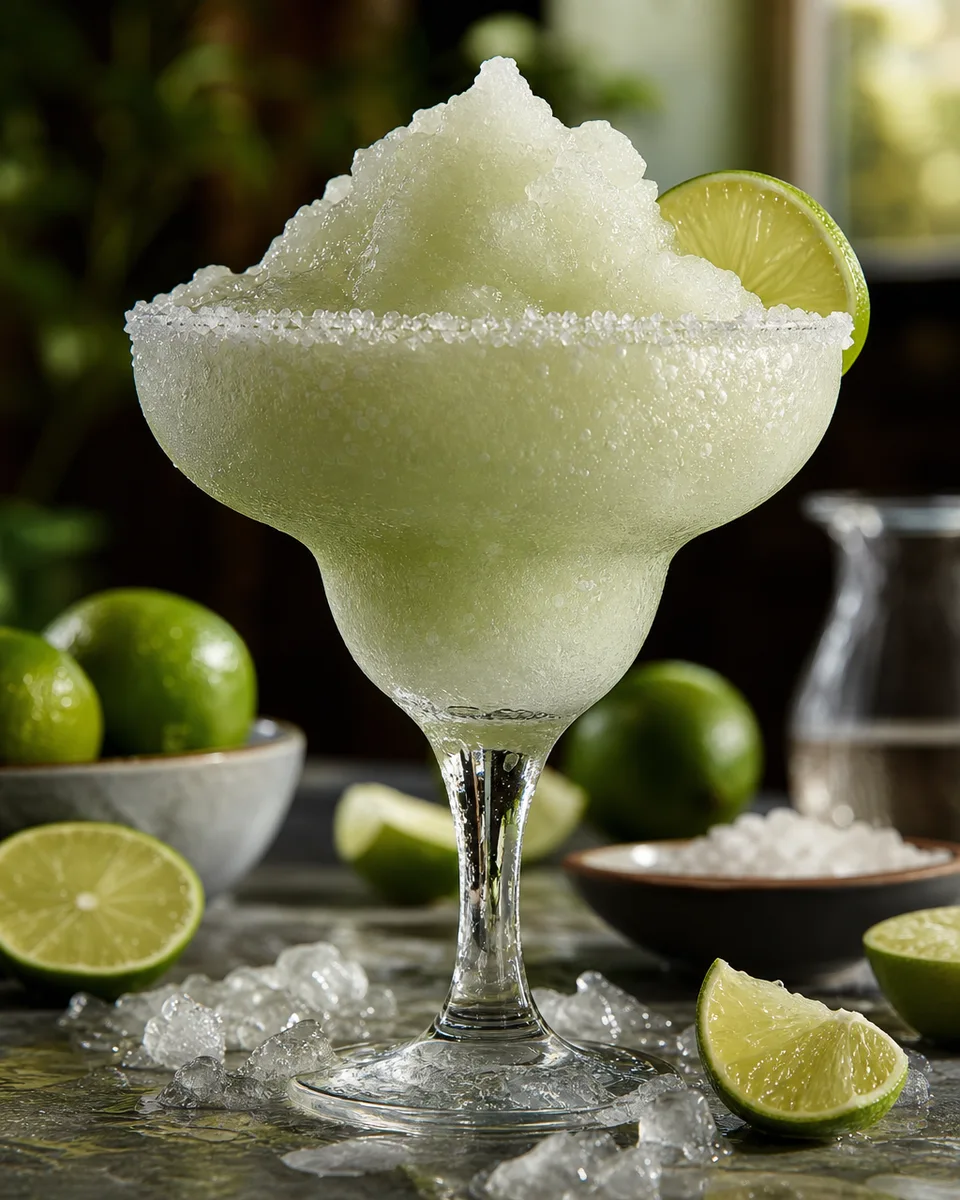
Frozen Margarita Slush
View - PineappleVerification status: Tried & tested

Frozen Piña Colada Slush
View - BourbonVerification status: Tried & tested

Bourbon Walnut Old Fashioned Slush
View - BananaVerification status: Tried & tested
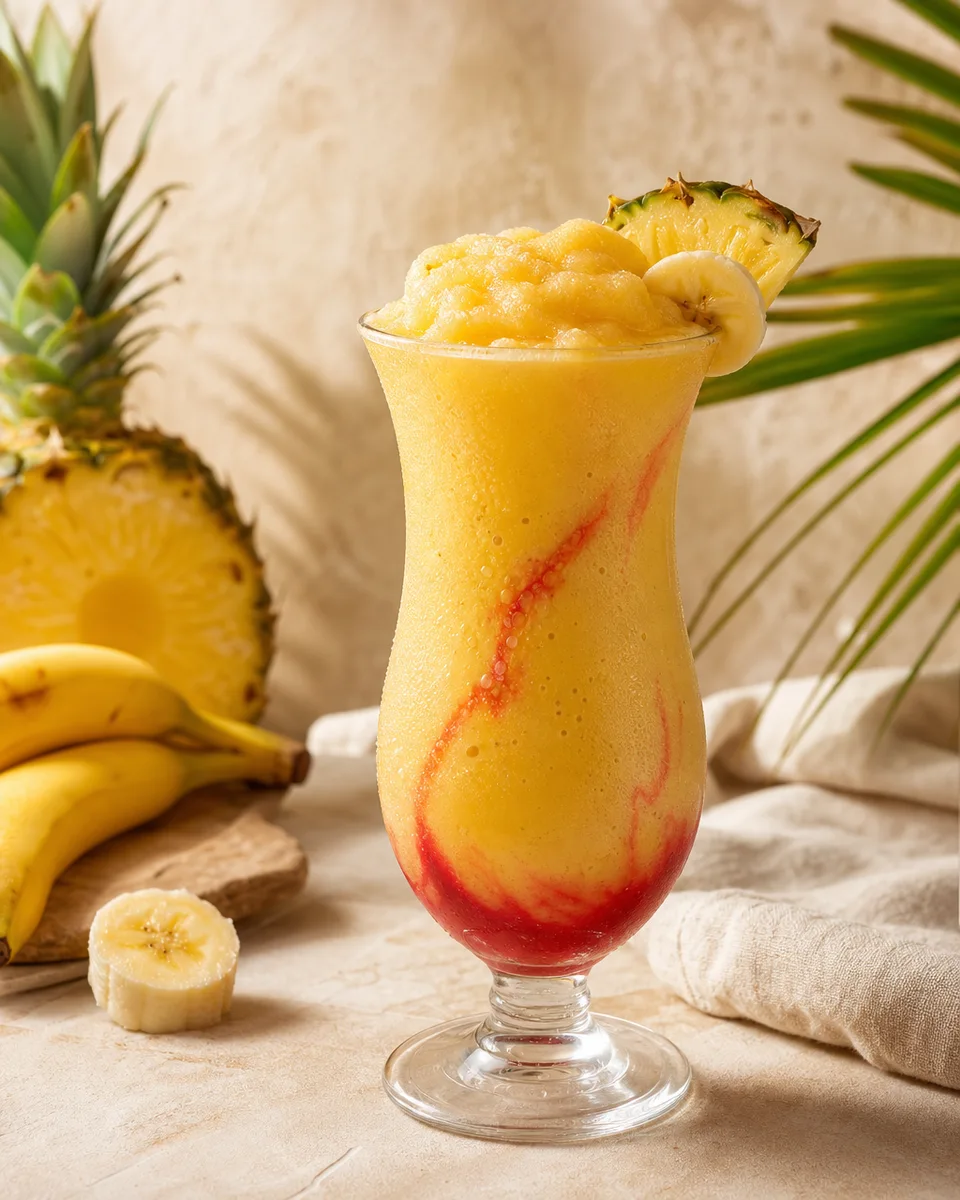
Banana Mama Slush
View - LimeVerification status: Tried & tested
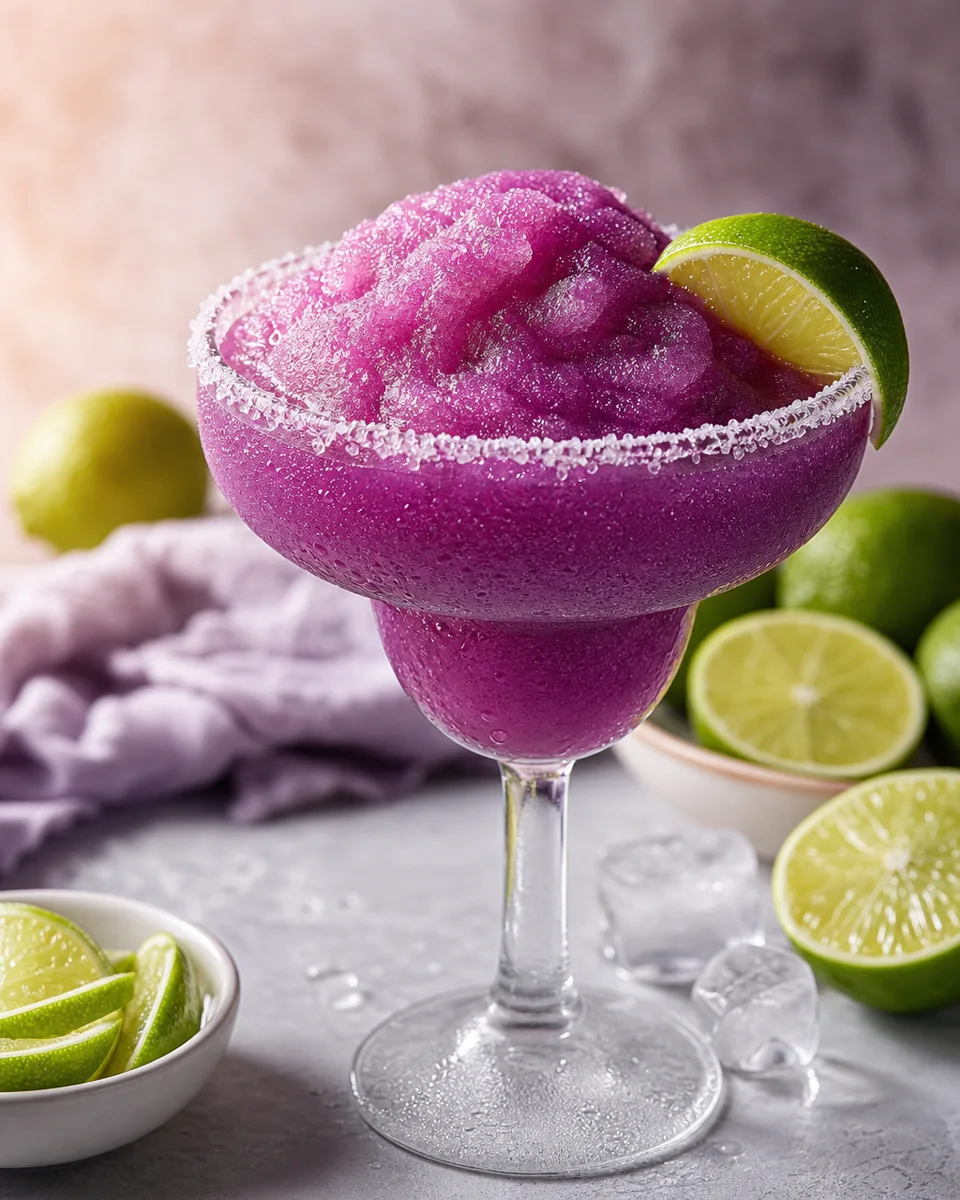
Bomb Pop Margarita Slush
View