Slushable Blog
Why is my home slush machine freezing solid? (Causes + fixes)
If your home slush machine froze into a solid block, this guide explains the most common causes and the fastest fixes to get smooth slush again.

If your home slush machine is freezing solid (a hard ice block instead of soft, scoopable slush), it usually means the mix is freezing too easily for your current settings and conditions. The good news: you can almost always fix it without dumping everything.
This guide walks through the quick recovery steps first, then the most common causes (mix, temperature, and airflow), and how to prevent it next time.
TL;DR (Quick fix)
- Pause/chill the situation (don’t force the auger). If the machine is straining, stop the freeze cycle so you don’t stress the motor.
- Let the block soften a bit (10–30 minutes depending on room temp), then restart with a gentler setting.
- Check your mix strength (Brix/sugar). Too little sugar = it freezes like plain ice.
- Check temperature & airflow. Hot room + blocked vents can cause uneven freezing that turns into a solid chunk.
If you only do one thing: verify your mix Brix and run slightly warmer, then give it time to stabilize.
What’s happening (in plain English)
Slush works because sugar (and other dissolved solids) lowers the freezing point of water. That’s called freezing point depression. When the mix doesn’t have enough dissolved solids—or the machine is running colder than the mix can tolerate—the water portion freezes into a hard mass.
A “frozen solid” problem is usually the opposite of a watery slush problem. Watery slush needs more freezing or a stronger mix; a solid block usually needs less freezing or a stronger (not weaker) mix.
Why is my home slush machine freezing solid?
Here are the main causes, from most common to least:
1The mix is too weak (low sugar / low Brix)
If you used:
- too much water
- not enough sugar/syrup
- “diet” sweeteners that don’t behave like sugar
- a mix that’s meant to be served cold (not frozen)
…your machine is trying to freeze something that behaves like plain water.
Fix: strengthen the mix (see step-by-step section). If you want a target range, start with our guide: Best Brix range for home slush.
2The machine is set too cold for your mix
Many machines have a coldness/firmness control. If you crank it colder than your mix can handle, you’ll get a block.
Fix: back off to a warmer setting and wait for the texture to normalize.
3Uneven freezing from poor airflow / heat load
If vents are blocked, filters are dusty, or the machine is crammed against a wall, the cooling system can behave inconsistently. Ironically, that can create “ice brick” zones instead of even slush.
Fix: give the machine breathing room and keep vents clean.
(If you’re running it in a hot room, it matters a lot: Ambient temperature and slush machine performance.)
4You started with a warm mix
Starting with room-temp liquid forces the machine to work harder, longer. During that long pull-down, parts of the chamber can over-freeze.
Fix: pre-chill the mix before you pour. Here’s a fast method: Best way to chill slush mix fast.
Step-by-step: how to fix a slush machine that froze solid
1Stop the freeze cycle if the auger is struggling
If you hear grinding, stalling, or the machine is clearly fighting a solid block, don’t let it keep trying. Switch off the freeze mode (or the whole machine, depending on your model) for a short rest.
Why: forcing an auger through a solid block is how you burn out motors or shear pins.
2Let it temper (soften) — then restart gently
Give it 10–30 minutes to soften. Then restart with a warmer firmness/coldness setting.
Tip: If your model has separate “mix” and “freeze” modes, run the mixing/agitation without maximum freezing while it comes back to a slush texture.
3Fix the mix strength (this is the most common real solution)
If it refreezes into a block quickly, your mix is probably too weak.
What to do:
- If you have a refractometer: measure Brix and adjust toward your target range.
- If you don’t: use this practical approach:
- Remove a small cup of mix.
- Dissolve additional sugar into that cup (fully dissolved), then add it back.
- Wait 15–30 minutes for the machine to equalize before judging.
Important: add sugar slowly. Overshooting can swing you to the other failure mode (too soft/watery).
If you’re choosing sugar types for consistency, this helps: Best sugar for slush.
4Reduce coldness / increase “softness” one notch
Once the machine is back to moving slush, adjust your control one notch warmer and hold it there for a full cycle.
A common mistake is chasing texture every 2 minutes. Slush machines need time to stabilize.
5Check airflow and load
Do a quick sanity check:
- Vents clear? (at least a few inches of space)
- Dust buildup on intake/exhaust?
- Is the room unusually hot?
- Are you overfilling past the recommended line?
Fixing airflow issues prevents repeat freezes.
How to prevent “frozen solid” slush next time
- Pre-chill your mix before pouring (less time in the danger zone).
- Mix to a consistent target (Brix matters more than “it looks right”).
- Start with a medium setting, then nudge colder only after you’ve had stable slush for 20–30 minutes.
- Keep vents clean and unblocked.
- If you see early ice chunking, address it fast: Best way to prevent ice chunks.
FAQ
Can I just add water to fix a frozen block?
Usually no. Adding water makes the mix weaker, which tends to freeze even more aggressively. If anything, a solid block often needs a stronger mix (more dissolved solids) and/or a warmer setting.
Is “freezing solid” the same as “ice chunks”?
Not exactly. Ice chunks can happen from uneven freezing or early-stage mix issues, but you can still have moving slush. “Freezing solid” is when the chamber becomes a mostly immovable ice mass.
My slush is frozen solid but also looks separated—why?
That can happen if the mix wasn’t fully dissolved before freezing, or if there’s fat/dairy content that behaves oddly as water freezes out. Start by fully dissolving and pre-chilling, then stabilize your settings.
Related reading
Recipes to make next
Slush recipes from the library that fit this guide — every one balanced to freeze in a home machine.
- StrawberryVerification status: Tried & tested
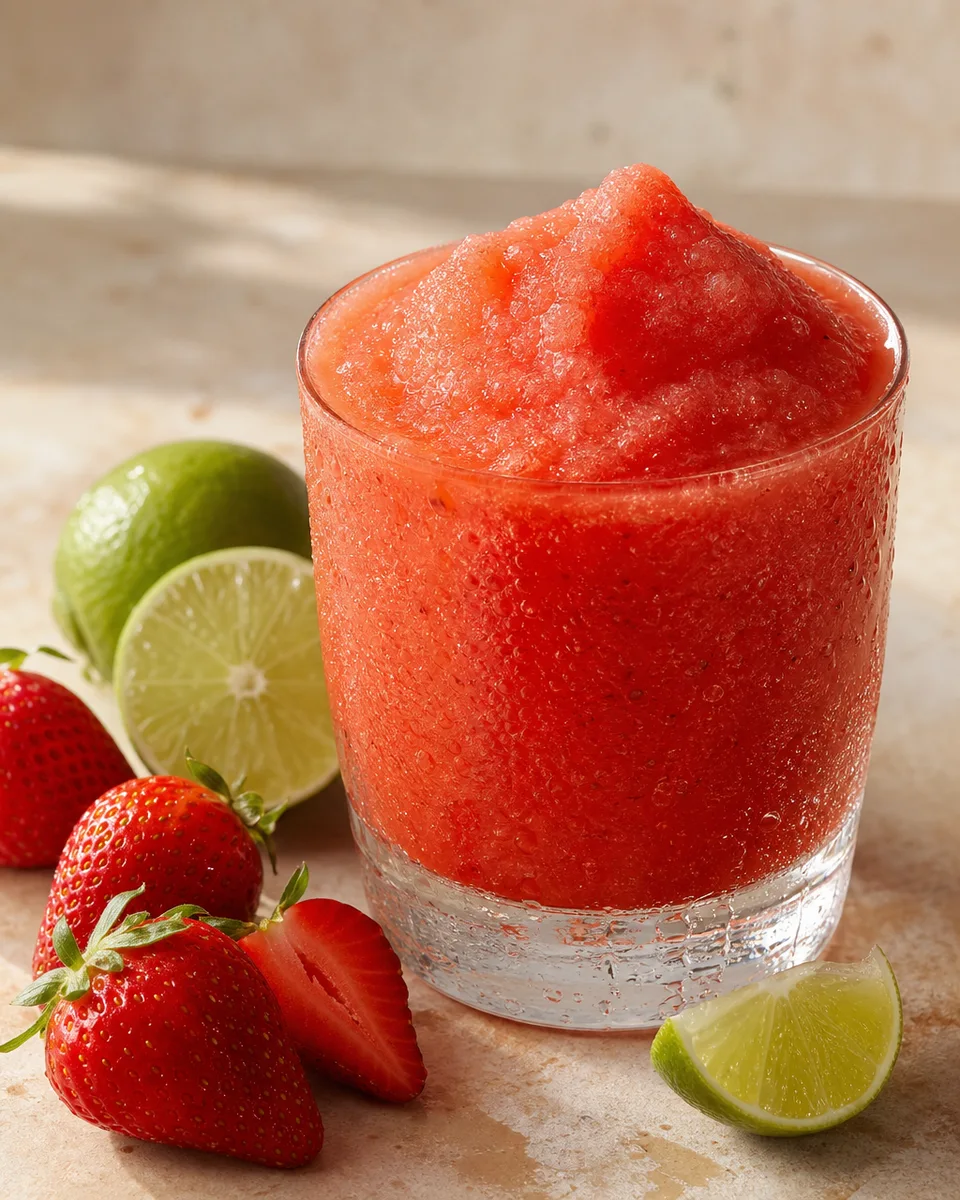
Frozen Strawberry Daiquiri Slush
View - LimeVerification status: Tried & tested

Frozen Margarita Slush
View - PineappleVerification status: Tried & tested

Frozen Piña Colada Slush
View - PineappleVerification status: Tried & tested

Piña Colada Slush
View - PineappleVerification status: Tried & tested
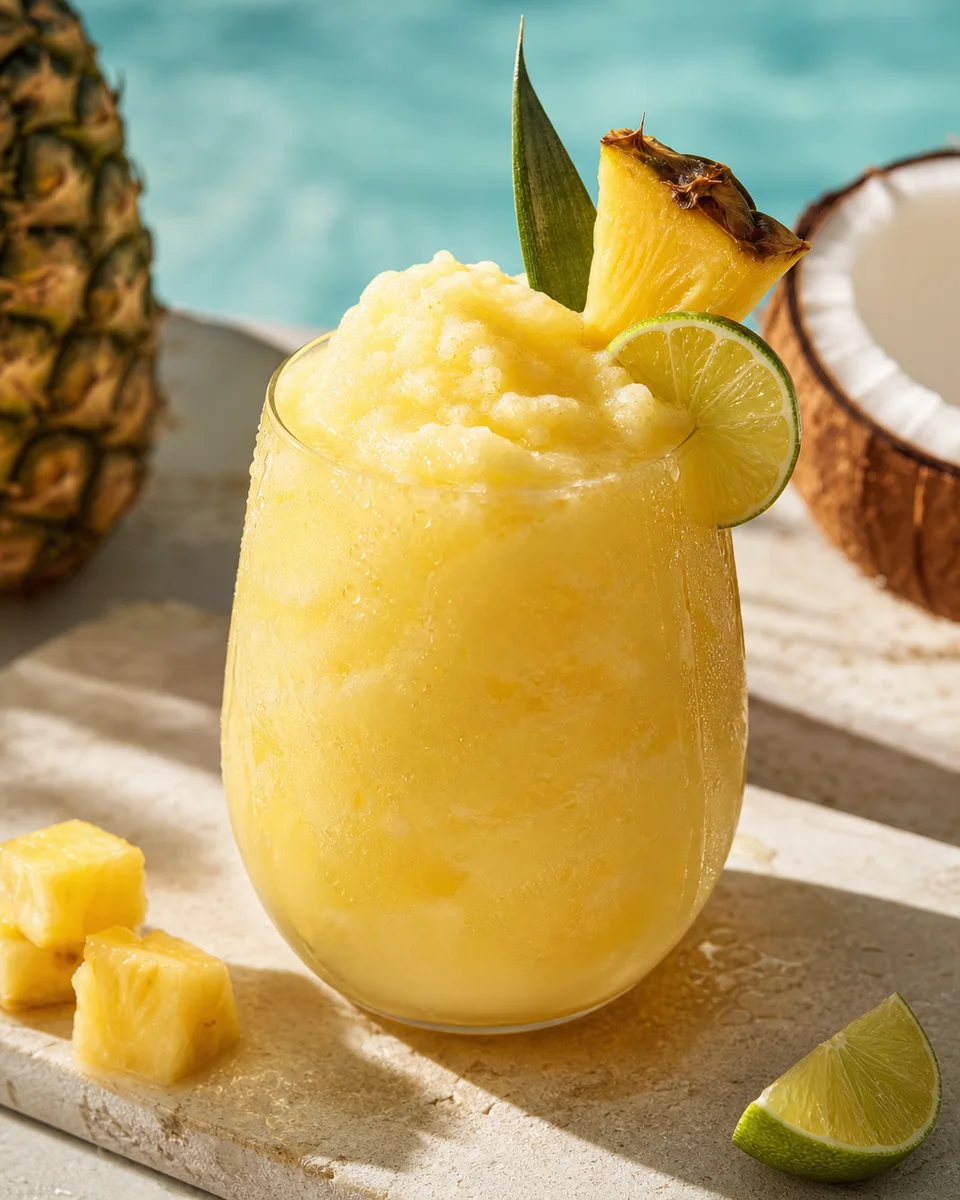
Pineapple Coconut Tequila Slush
View - PeachVerification status: Tried & tested
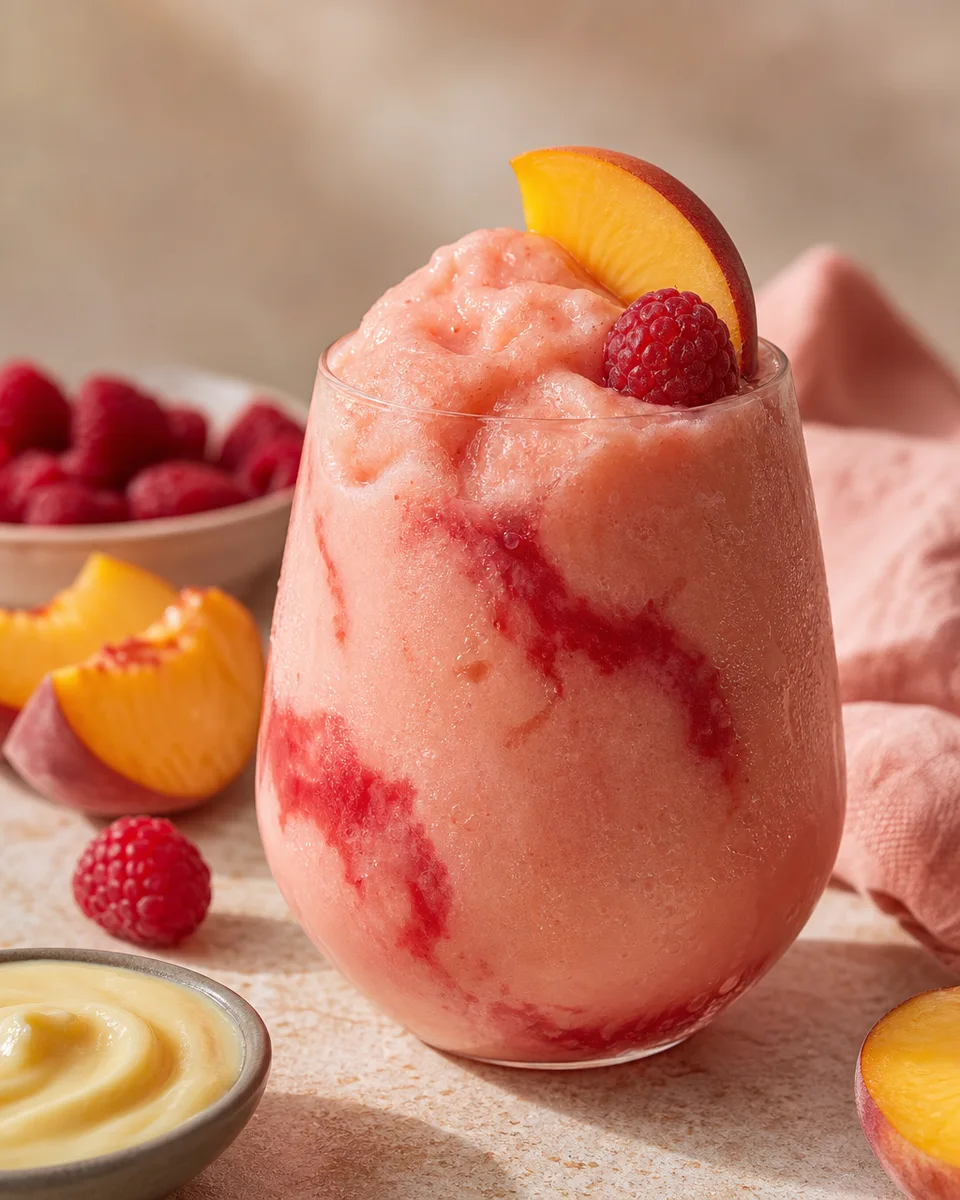
Peach Melba Smoothie Slush
View