Slushable Blog
How to scale a slush recipe to your machine safely
Learn how to scale a slush recipe for a machine's minimum, recommended, custom, or maximum fill while keeping the original recipe intact.

To scale a slush recipe safely, start with the machine's working fill range, not the size printed on the box.
Then multiply every ingredient by the same factor. Keep the original recipe, check the new quantities, and confirm the machine setting before you pour.
Slushable 1.5.0 handles that calculation inside the recipe.
The Short Answer
Choose the machine first. Then pick the batch target that matches the job:
- Original keeps the recipe unchanged.
- Minimum uses the smallest known safe batch.
- Recommended uses a manufacturer-suggested amount when one exists.
- Custom lets you enter an exact amount inside known limits.
- Maximum uses the safe working fill, not a guessed brim-full capacity.
Not every machine has every target. Slushable only shows a minimum or recommended amount when it has supporting machine data.
Capacity and safe fill are not the same number
A machine may advertise a large vessel, but the moving mix needs room.
The auger, cooling surface, foam, and liquid movement all affect the usable batch. A machine may also need a minimum amount before it can churn and cool the mix well.
That creates three different ideas:
- Vessel capacity: the physical space in the container.
- Maximum safe fill: the highest working batch supported by the machine guidance.
- Minimum safe fill: the smallest batch known to run as intended.
Treating those numbers as interchangeable is a common scaling mistake.
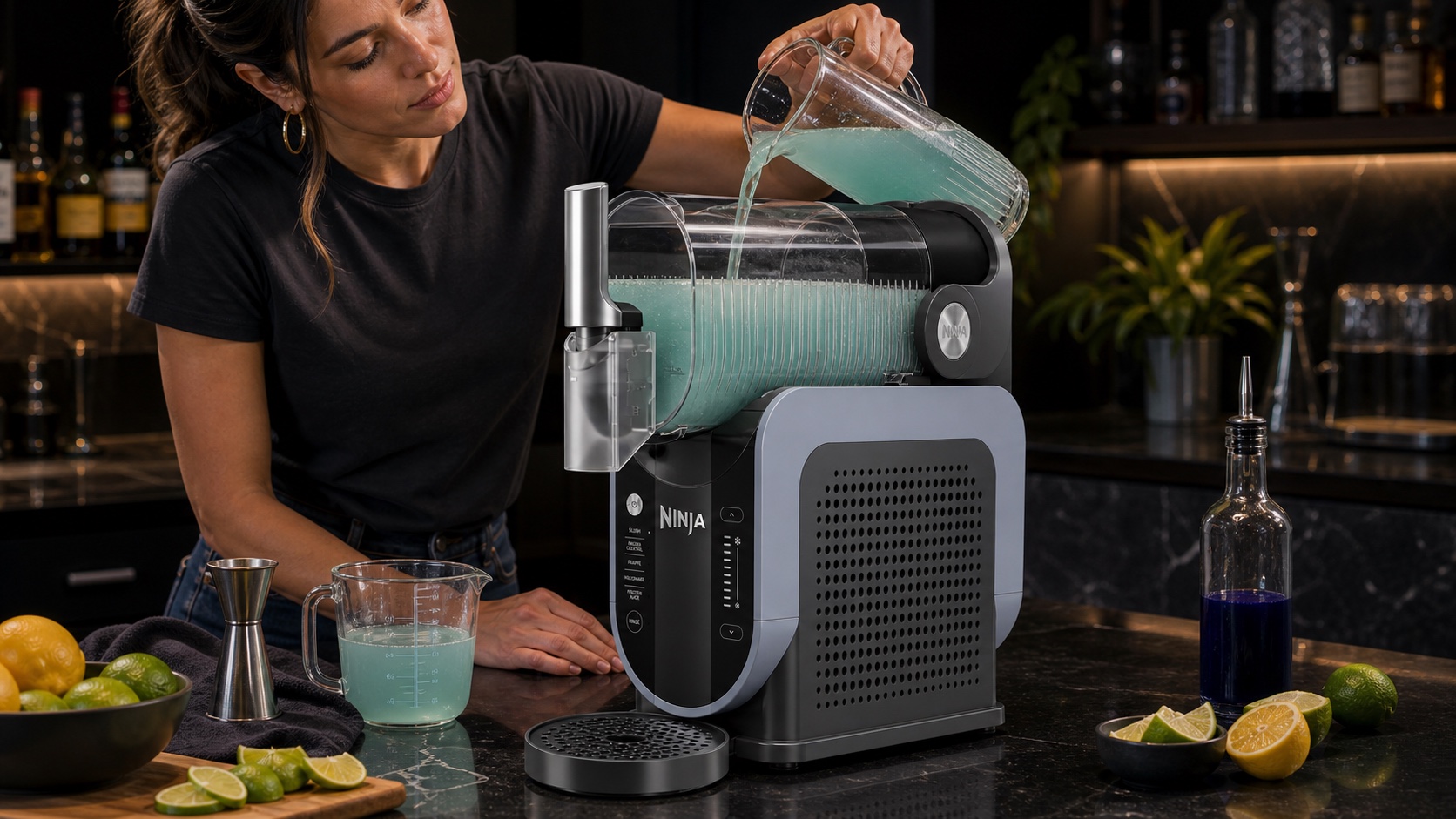
If your machine is new, use the home slush machine first-run checklist before making a full batch.
The scaling formula
The math uses one scale factor:
target batch volume ÷ original batch volume = scale factor
Multiply every ingredient by that factor.
For example, a 1,000 ml recipe scaled to 1,500 ml has a factor of 1.5. A 200 ml ingredient becomes 300 ml. A 50 ml ingredient becomes 75 ml.
When every ingredient changes by the same factor, the recipe ratio stays the same. Calculated Brix and ABV should also stay nearly the same, apart from small rounding effects.
Do not scale only the mixer or only the spirit. That changes the freeze behavior.
You can use the Slush Ratio Calculator for a quick web check, or keep the recipe and machine together in the iPhone app.
Choose the right batch target
The best target depends on what you are trying to do.
Keep the original
Use the original amount when the recipe already fits the selected machine and you do not want any quantity changes.
This is also the safest reference point when you know that exact batch worked before.
The app can warn or guide around machine limits, but choosing "original" does not pretend that an oversized recipe became safe.
Use the minimum
Use the minimum when you want the smallest supported test batch.
This is useful for a new flavor, an expensive ingredient, or a recipe you have not run before. A smaller batch can reduce waste, but only if it stays above the machine's working minimum.
If Slushable does not have a verified minimum for the selected machine, it does not invent one.
Use the recommended fill
Some machines or machine profiles include a manufacturer-suggested batch size.
Use this when you want a practical default with more headroom than the maximum. The option only appears when that guidance exists.
Enter a custom amount
Use a custom amount when you need a set number of servings or a specific volume.
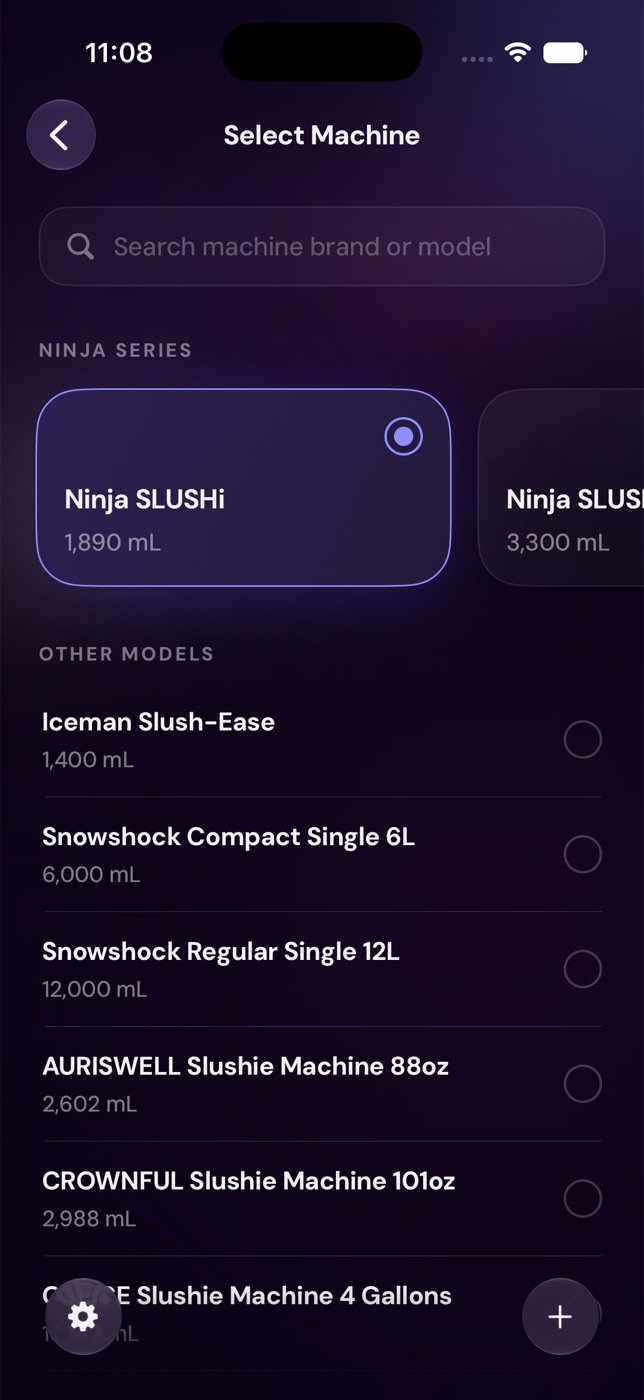
Slushable checks the amount against known minimum and maximum limits. For an unverified custom machine, it explains that the capacity you entered is being used as the upper bound.
Use the maximum
Use the maximum when you need the largest supported batch.
Maximum does not mean "fill every visible space." It means the machine's known safe working maximum, or the configured capacity when no better limit is available.
Keep the original recipe intact
A scaled batch should be a working copy, not a silent rewrite.
Slushable can show a saved recipe at another size without changing the saved original. That keeps the known batch as a reference while you test a smaller, larger, or machine-filling version.
Save a separate copy if the new scale becomes your regular batch.
This matters because real-world scaling can introduce changes that the formula does not capture:
- Measuring spoons and jiggers round small amounts.
- Fruit purée can vary in water and sugar.
- Carbonated mixers may foam or lose gas.
- Homemade syrup may have a different concentration.
- A very large batch may start warmer.
The mathematical ratio can stay stable while the kitchen result shifts.
Recheck the numbers after scaling
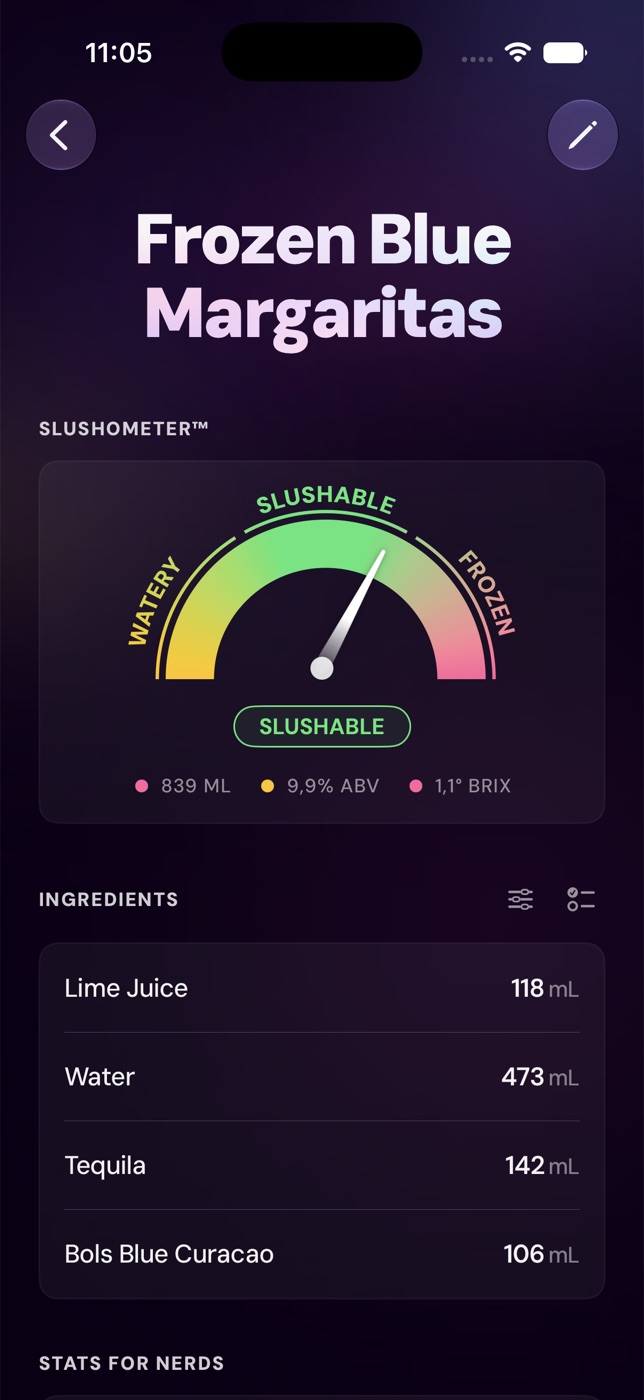
Review the scaled recipe before it reaches the machine.
Check:
- Total volume.
- Brix or estimated sugar concentration.
- ABV for alcoholic batches.
- Slushometer status.
- Ingredient quantities that became awkward after rounding.
- Prep-component quantities and yields.
The Slushometer reads the finished recipe, not one ingredient in isolation. If you need the background, read How the Slushometer works.
Scale the prep components too
A main recipe may depend on a syrup, purée, cordial, or infusion.
Those components need to follow the selected batch. If the main recipe needs 180 ml of mango purée after scaling, the prep instructions should not still tell you to make 90 ml.
Slushable 1.5.0 links Prep first quantities to the current batch target. It can show:
- How much the batch consumes.
- How much the component recipe produces.
- Whether any will be left over.
- Ingredient and method changes at the selected scale.
For common syrup ratios, see How to make 1:1 simple syrup and How to make 2:1 rich simple syrup.
Confirm the machine setting
Scaling does not choose the program by itself.
Check the recipe's machine-setting card before starting. The guidance may come from a machine test, the manufacturer, or a calculated starting point.
An alcoholic batch may need a different program from an alcohol-free batch. Other machines may need a colder temperature, texture level, or longer run.
Slushable labels the evidence so you can tell an exact instruction from a starting point.
What scaling cannot fix
Scaling keeps proportions. It does not repair a bad proportion.
If the original recipe is too low in sugar, too high in alcohol, or too diluted, a larger copy will carry the same problem into a bigger batch.
Scaling also cannot fix:
- A warm mix that needs more cooling time.
- Syrup that was not dissolved or mixed.
- An incorrect machine program.
- A dirty cooling surface or blocked vent.
- A substitution with different sugar or alcohol content.
Use Fix My Slush when the texture is already wrong. For a liquid batch, start with Why is my slush machine not freezing?.
A safe scaling checklist
Before pouring:
- Select the exact machine or enter its capacity.
- Confirm whether the fill limits are verified or capacity-based.
- Choose original, minimum, recommended, custom, or maximum.
- Review every scaled ingredient.
- Complete any Prep first components.
- Check Brix, ABV, total volume, and Slushometer status.
- Confirm the machine program or setting.
- Chill the mix when the recipe calls for it.
- Pour without exceeding the stated maximum.
- Save the result that worked.
FAQ
Can I scale a slush recipe by servings?
Yes. Convert the serving plan into a target volume, then scale every ingredient by the same factor. Keep that volume inside the machine's working fill range.
Does scaling a recipe change Brix?
Proportional scaling should keep calculated Brix nearly the same. Rounding, substitutions, or changing only part of the recipe can move it.
Does scaling a cocktail change ABV?
Not when every alcoholic and non-alcoholic ingredient scales together. Changing only the spirit, water, or mixer will change the finished ABV.
Should I fill a Ninja SLUSHi to the vessel capacity?
Use the machine's supported working fill guidance, not the vessel size alone. Slushable separates known safe fill limits from raw capacity.
Why does my machine not show a minimum or recommended target?
Slushable only shows those options when the machine profile has supporting data. You can still use the original, a checked custom amount, or the available maximum.
Related reading
Recipes to make next
Slush recipes from the library that fit this guide — every one balanced to freeze in a home machine.
- LimeVerification status: Tried & tested
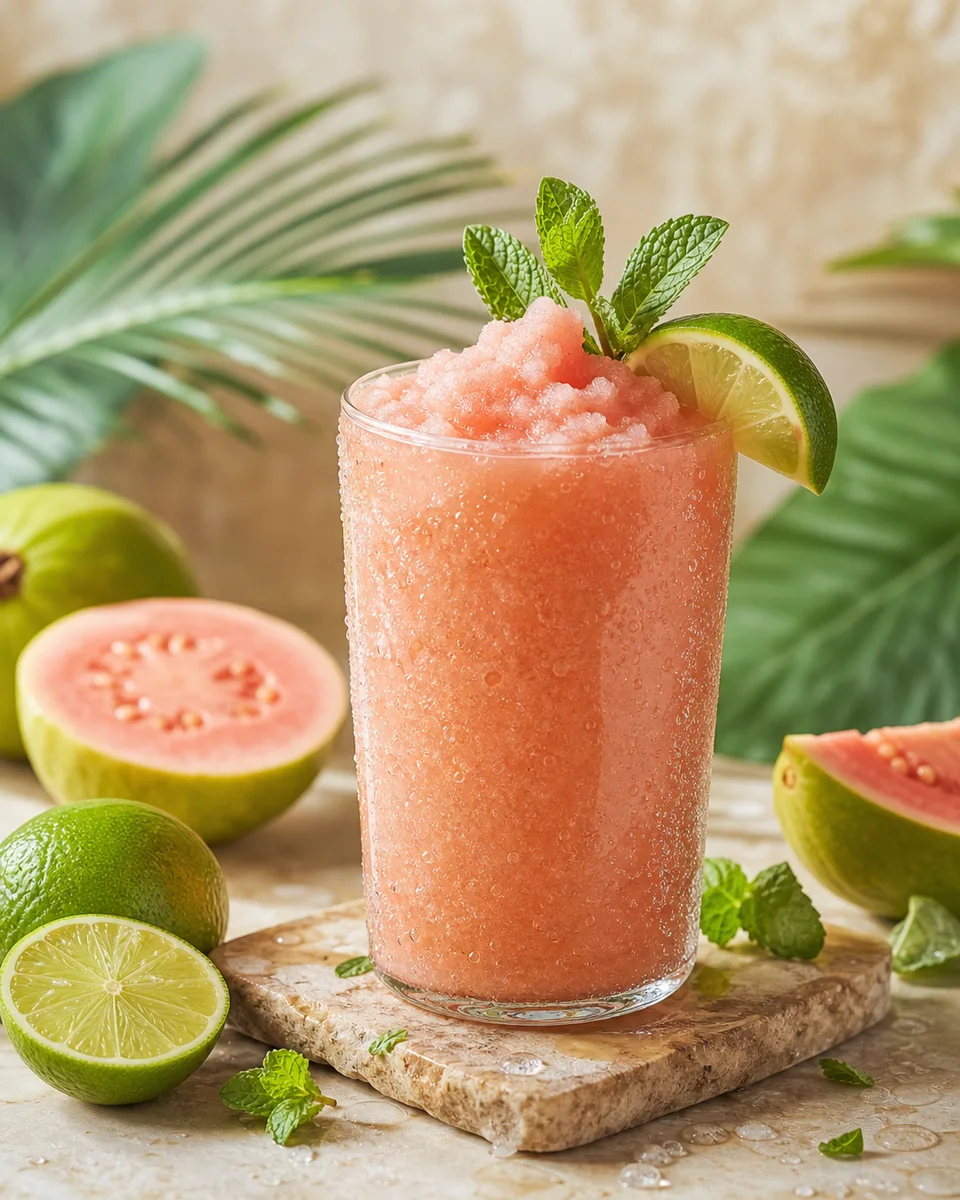
Guava Mojito Slush
View - Green appleVerification status: Tried & tested
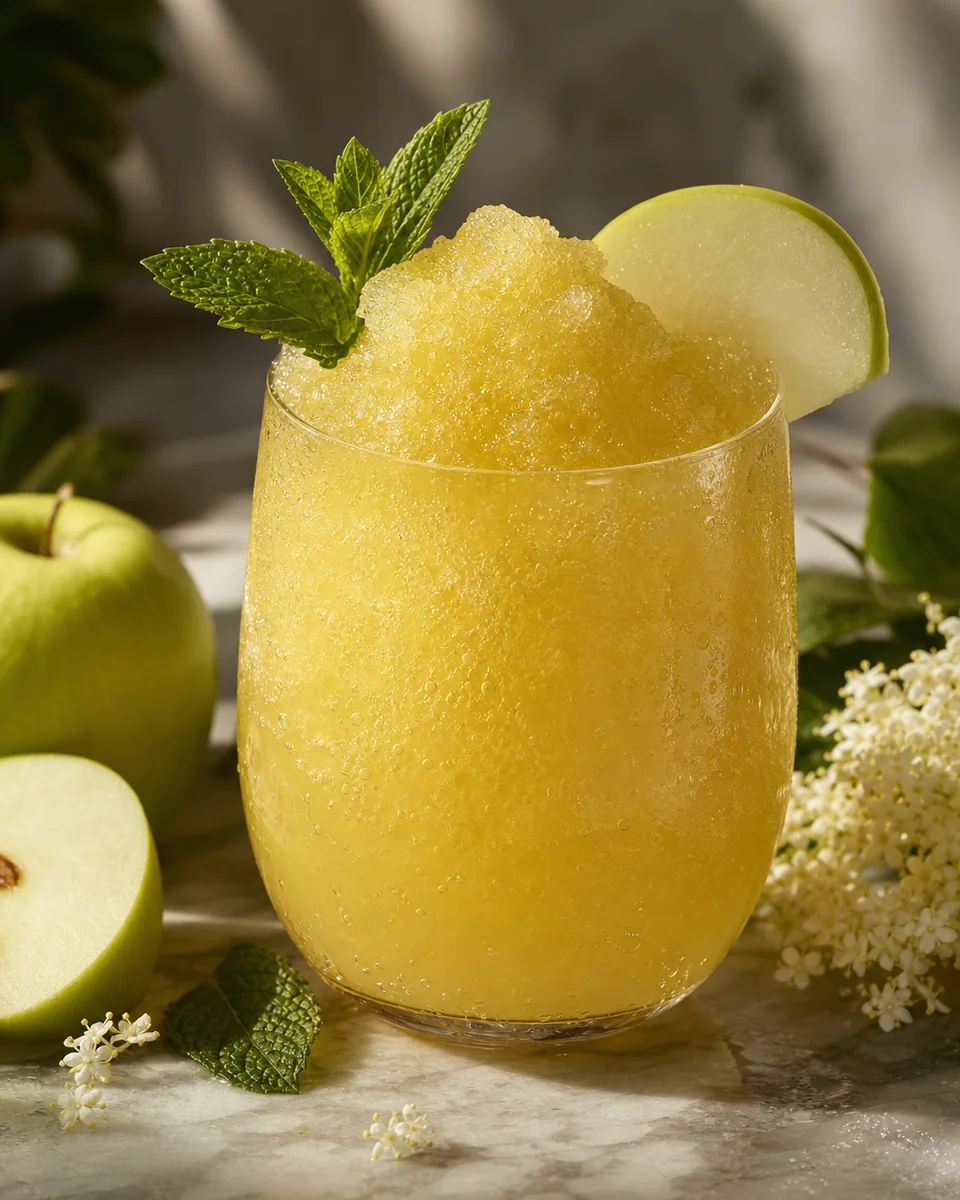
Apple Elderflower Mint Sparkle Slush
View - LemonVerification status: Tried & tested
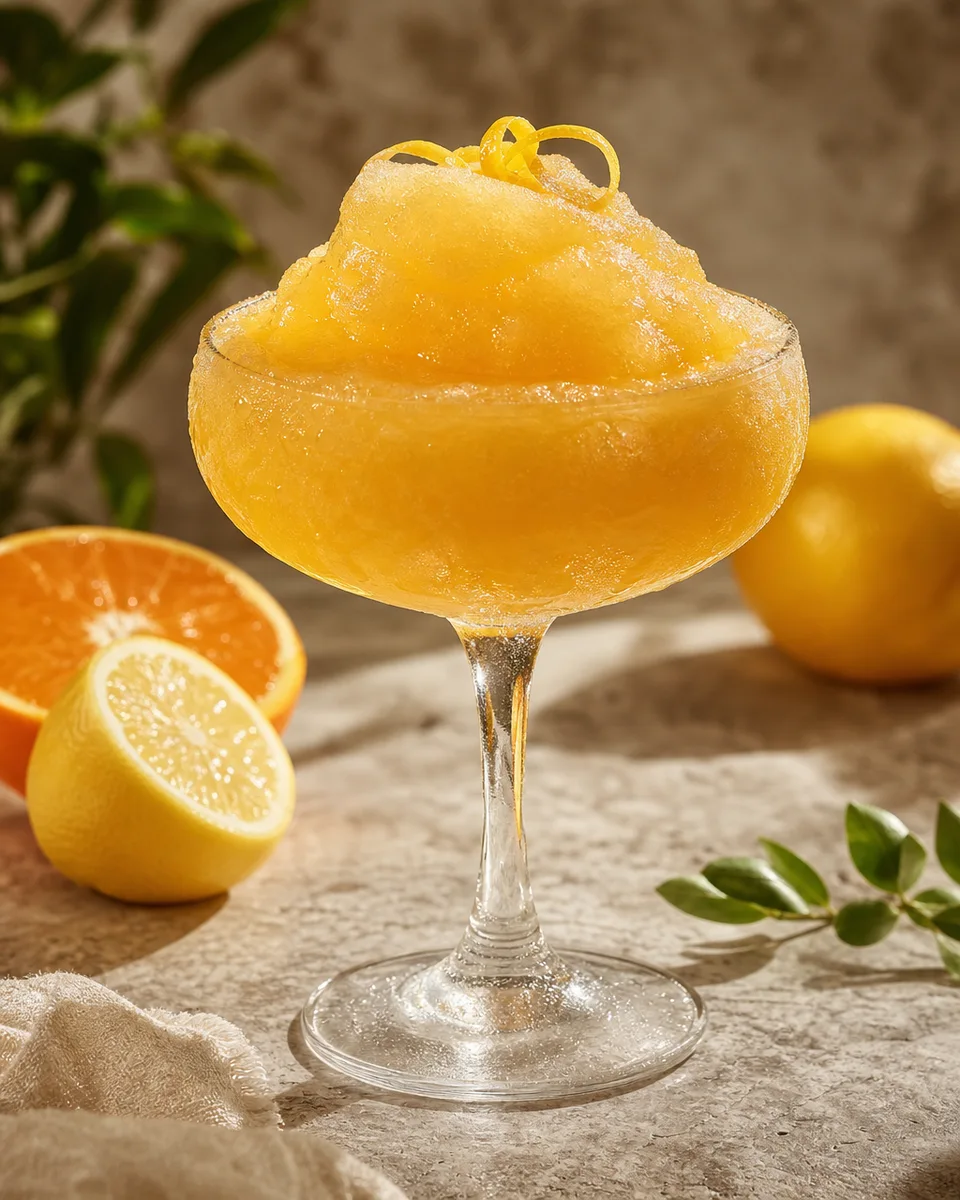
Bee’s Knees Citrus Slush
View - LemonVerification status: Tried & tested
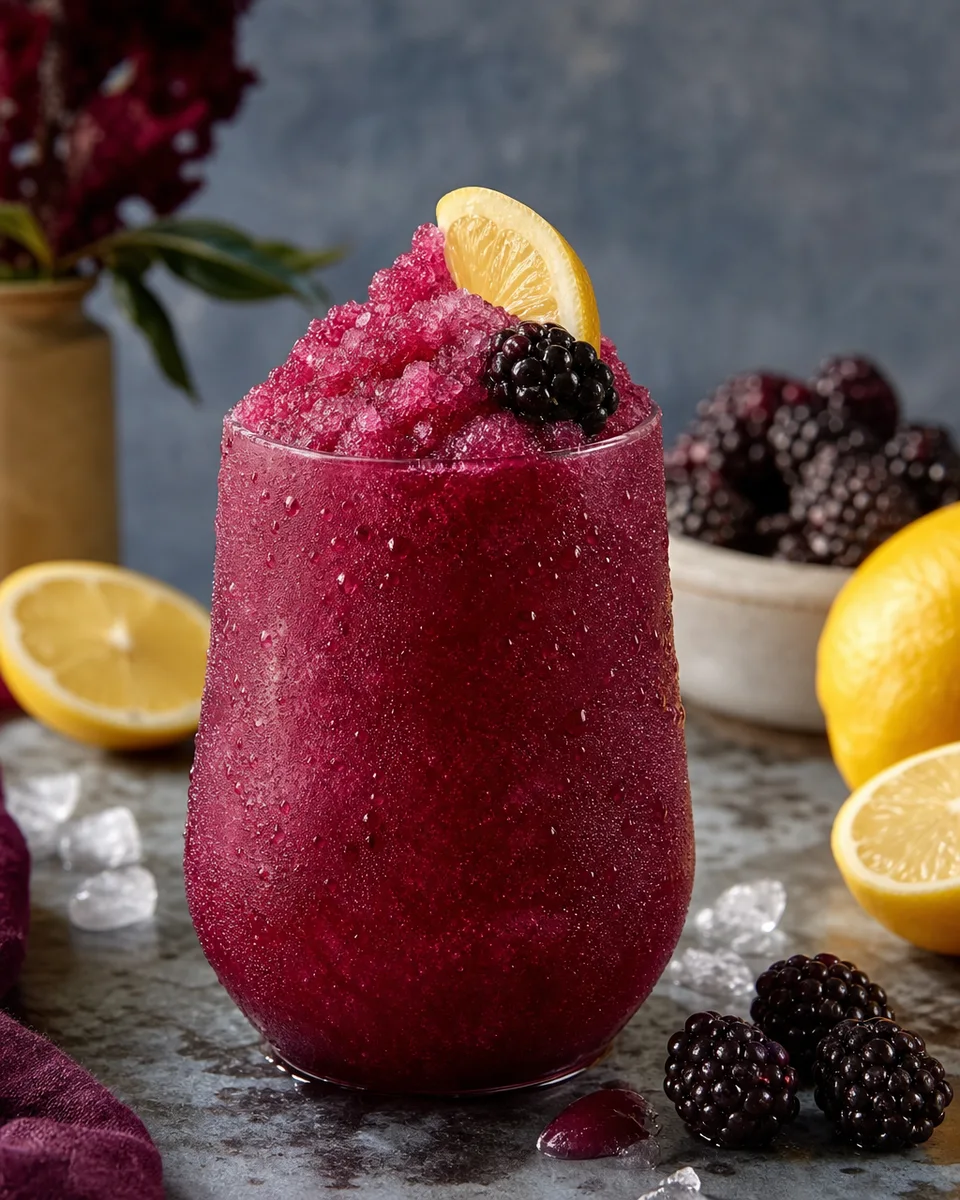
Blackberry Gin Bramble Slush
View - GinVerification status: Tried & tested
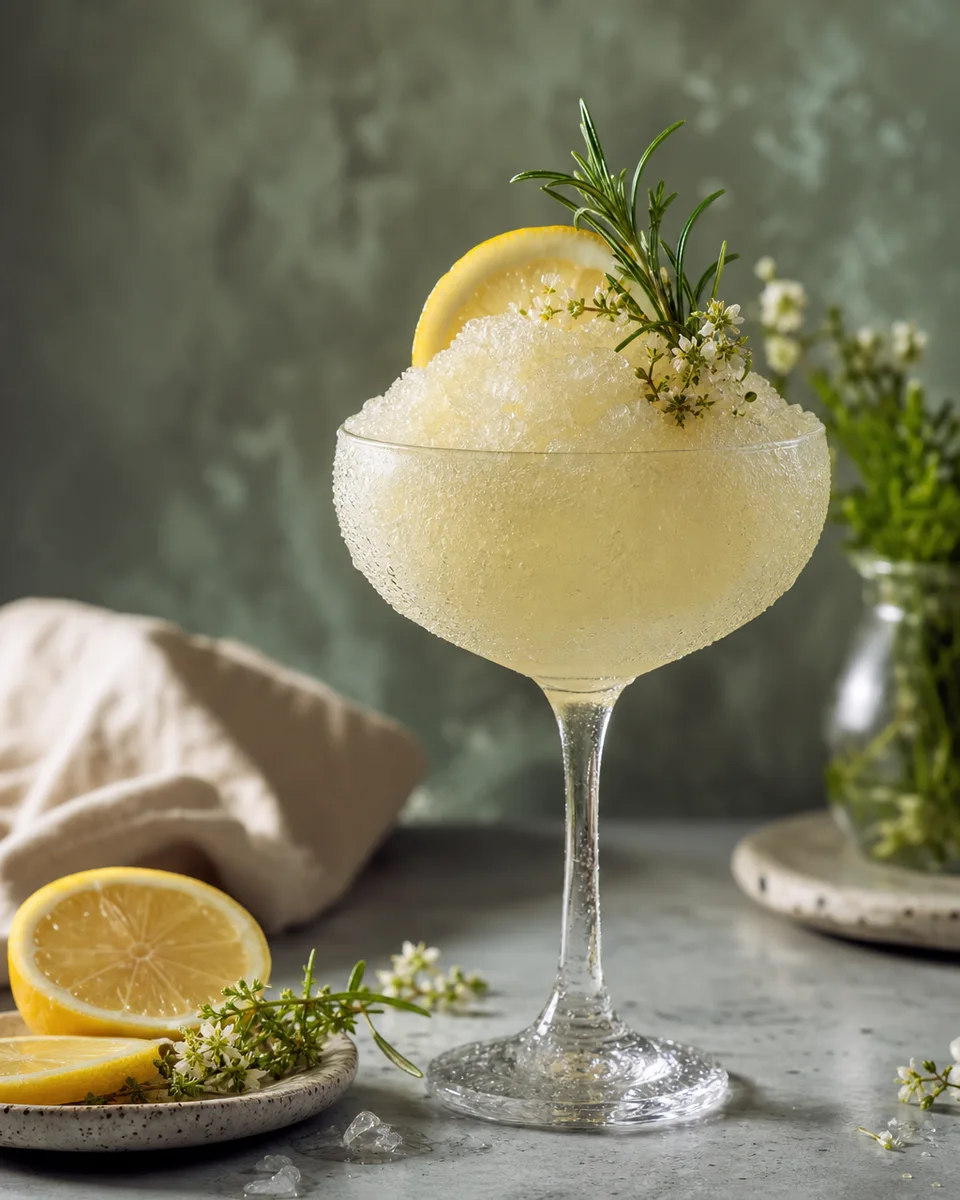
Botanical Tonic Mocktail Slush
View - LimeVerification status: Tried & tested
Caipirinha Slush
View