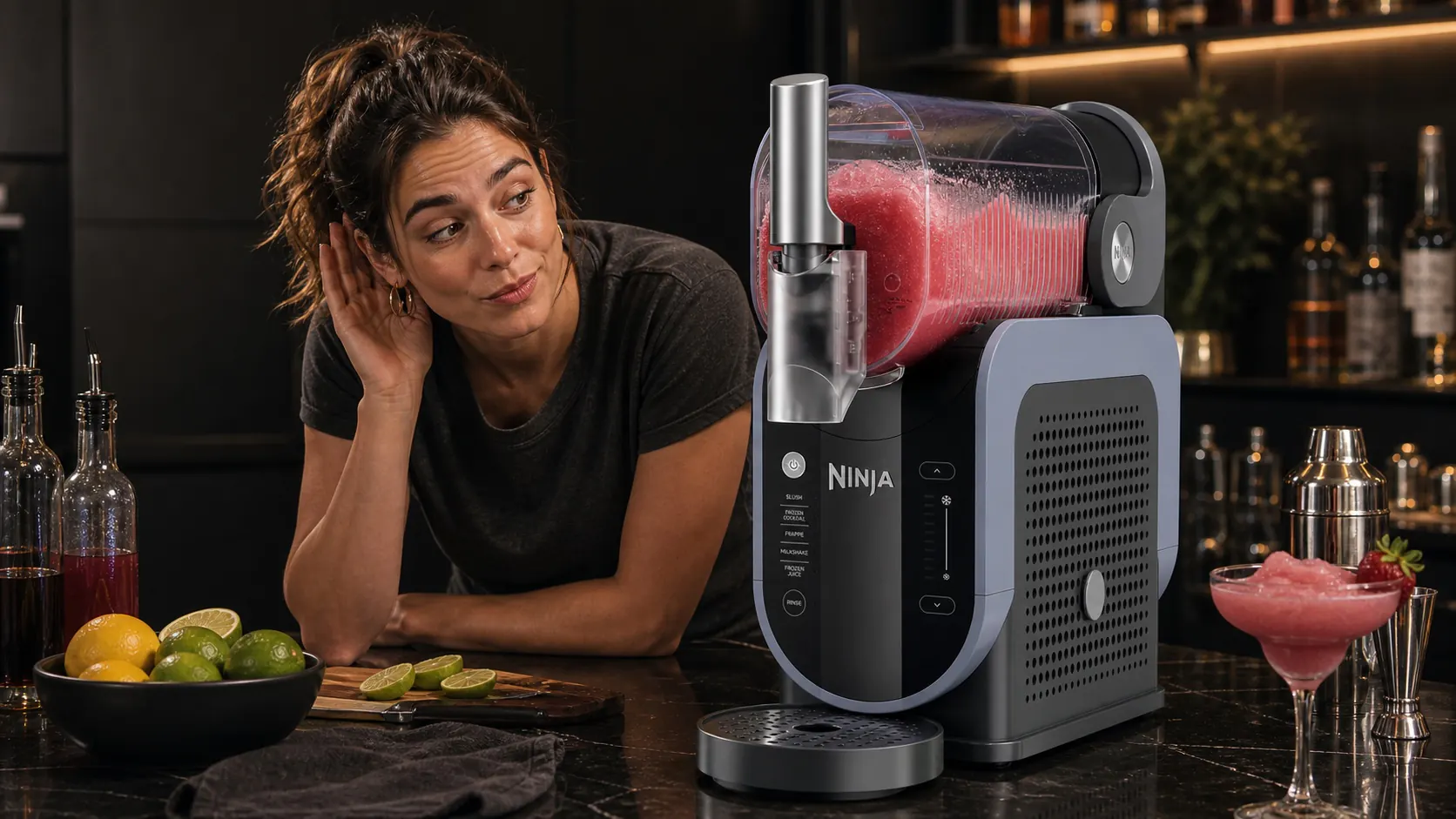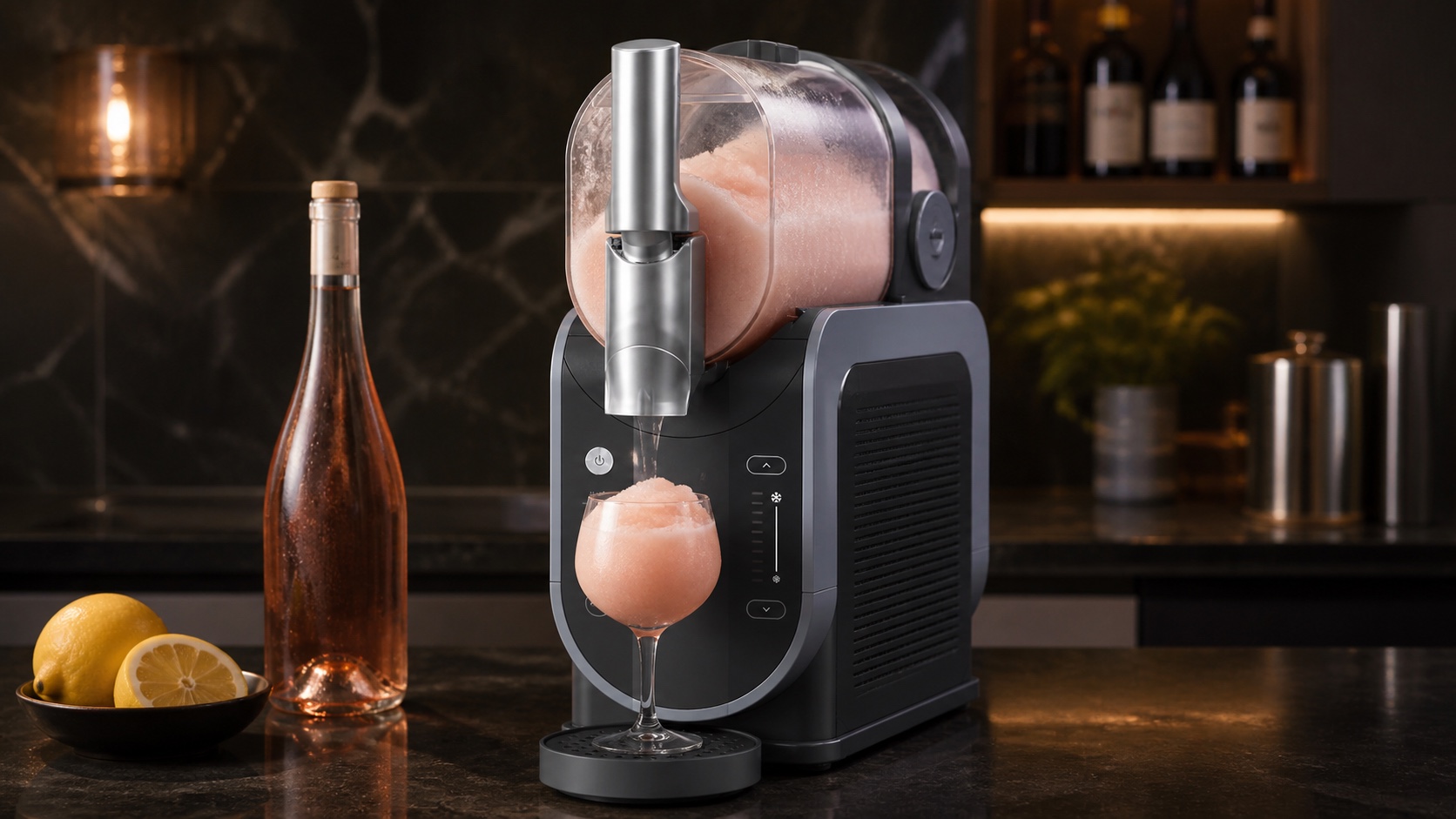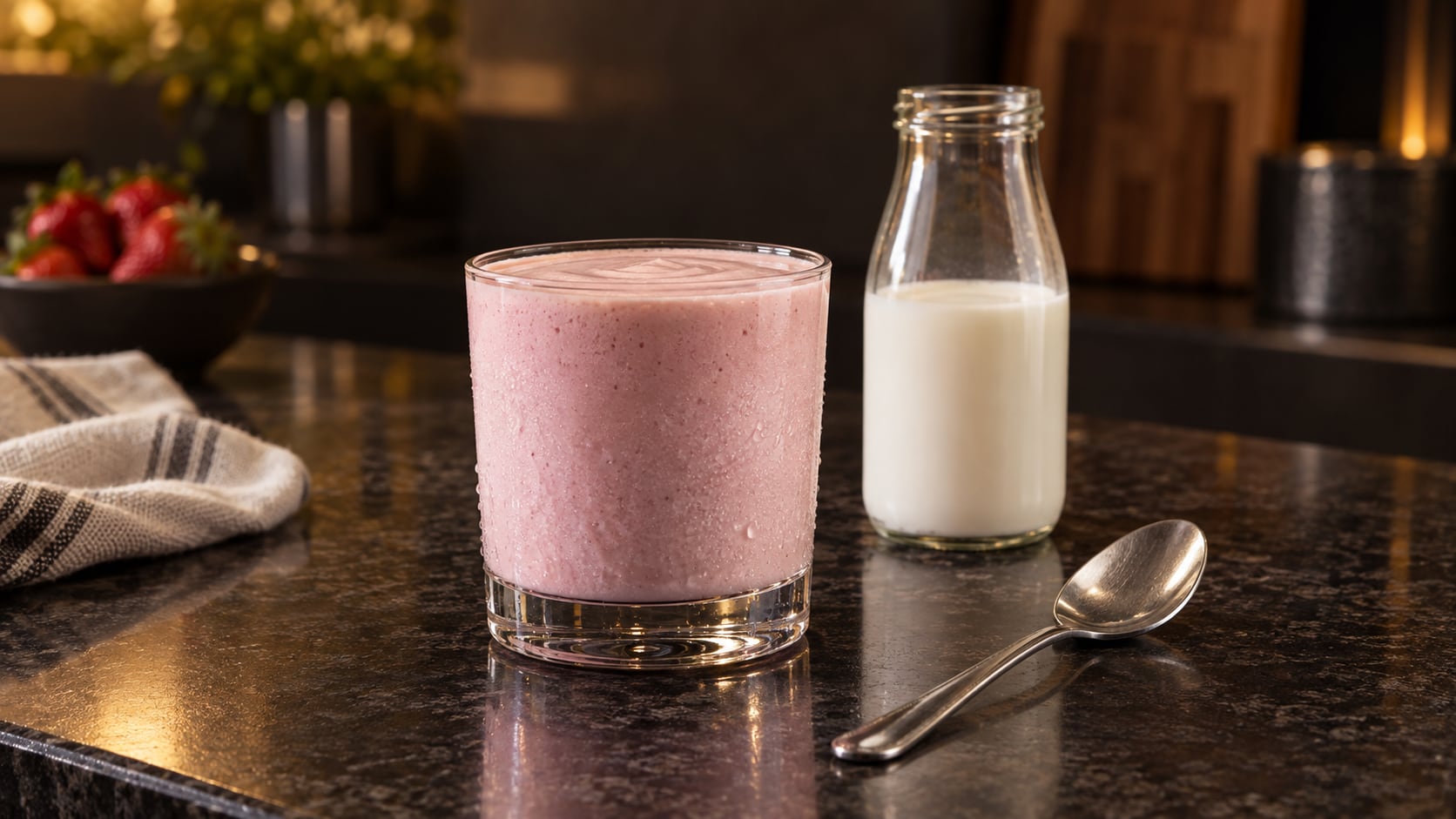
Ninja SLUSHi Milkshakes: Fix Foam, Thin or Icy Texture
Yes, Ninja SLUSHi makes milkshakes. Check the preset, serving time and recipe before changing sugar or cream. Includes a worked milk-label calculation.
Slushable Blog
Fix a slush machine that won't freeze, runs watery or icy, leaks, beeps, or makes noise — symptom-by-symptom, including which faults you can fix at home and which mean stopping and going to the manufacturer for repair.

Yes, Ninja SLUSHi makes milkshakes. Check the preset, serving time and recipe before changing sugar or cream. Includes a worked milk-label calculation.

A Ninja SLUSHi that keeps stopping is usually protecting itself: a too-hard mix, a loose vessel, an alert — or the batch is simply done. Fix each fast.

If your Ninja SLUSHi temp lights flash at startup or during use, learn which patterns are normal, when to reset, and when to call support.

Use this Ninja SLUSHi noise guide to decode whirring, scratching, squeaking, sloshing, knocking, and whining sounds before guessing.

A knocking Ninja SLUSHi is a stop-and-check sound. It can mean hard ice, auger load, or mis-seated parts. Here is what to do first.

A scratching Ninja SLUSHi often means wall ice, scraper drag, or a part that is not seated cleanly. Use this safe checklist first.

Sloshing usually means the mix is still thin, overfilled, warm, or not balanced yet. Learn when to wait and when to adjust your Ninja SLUSHi.

If your Ninja SLUSHi makes a squeaking noise while running, stop, unplug, clean the removable contact points, and reseat the gasket before escalating.

A whining Ninja SLUSHi can mean airflow strain, vibration, or motor load. Check vent clearance, level footing, and support-worthy signs.

A steady whirr is often fan or compressor airflow. Learn what is normal, what means blocked vents, and when to pause your Ninja SLUSHi.

If your home slush machine is beeping or showing an error code, use this quick checklist to fix the common causes: airflow, sensors, mix level, and jams.

If your home slush machine froze into a solid block, this guide explains the most common causes and the fastest fixes to get smooth slush again.

If your slush machine is not freezing, check the mix, starting temperature, fill level, airflow, mode, and dasher before blaming the hardware.

Watery slush? Fix it fast without dumping the batch: pre-chill, check settings, then raise sugar the right way so it freezes into a real slush.

Stop crunchy ice bits in your home slush machine with the right sugar level (Brix), colder starting mix, correct fill level, and steady chilling.

If your home slush machine froze into a solid ice block, use this guide to thaw safely, adjust sugar/Brix, and prevent it happening again.

If your slush turns into an ice ring on the bowl walls with a watery center, here’s what’s happening, how to fix it fast, and how to prevent it.

If your slush turns gritty, crunchy, or ‘snowy,’ the mix is freezing the wrong way. Here’s the quick diagnosis, the fix, and prevention.

Learn what the slush machine thickness setting actually controls, how to dial in texture, and what to do if you get watery slush or an ice block.

If your home slush machine stays liquid, this guide covers the most common causes—mix is too “thin,” machine settings, airflow, and how to fix it fast.

Is your home slush machine suddenly loud? Use this quick checklist to pinpoint grinding, squealing, or clicking noises and fix them safely.

If your home slush machine is foaming up and overflowing, this guide shows the fastest fixes, why it happens, and how to prevent messy spills next time.

If your slush machine is freezing unevenly (watery middle, icy walls, chunks), here’s the quick fix, step-by-step recovery, and prevention tips.

Fix sour, musty, or plastic smells in your home slush machine with a quick checklist, deep-clean steps, and simple habits to prevent odors.

If your home slush machine won’t power on or keeps tripping the breaker/GFCI, use this safe checklist to find the cause and get it running again.

If your slush machine dispenses slowly or drips, sugar film is usually the culprit. Here’s how to clean the spout path, fix sticking, and prevent it long-term.

If your home slush machine freezes but won’t churn, use this quick checklist to clear jams, fix mix issues, and prevent repeat auger stalls.

Chunky slush usually means uneven freezing or poor circulation. Learn the causes of ice chunks, how to fix them, and how to prevent repeat batches.

If your slush separates or gets foamy, it’s usually sugar concentration, carbonation, or emulsification issues. Diagnose the pattern and fix it fast.

A slushy leak needs a source check before a recipe change. Trace the first wet point, clean and reseat safe parts, and stop if liquid reaches the base.

If your machine won’t get cold or the lights flash, start with power, airflow, and fill level—then check mix chemistry. Here’s a step-by-step triage.

Grinding or clicking usually means ice blocks, poor circulation, or a struggling auger. Here’s how to diagnose the noise safely and prevent damage.

If your slush turned into a solid ice block, your mix likely didn’t have enough dissolved sugar (or it chilled unevenly). Here’s how to recover it safely.

Watery slush is almost always a sugar/alcohol problem—or a circulation problem. Here’s the fast diagnosis and the fix that actually works.

Unboxing a home slush machine? Follow this first-run checklist to avoid watery slush, ice blocks, and error codes—before you waste a full batch.